
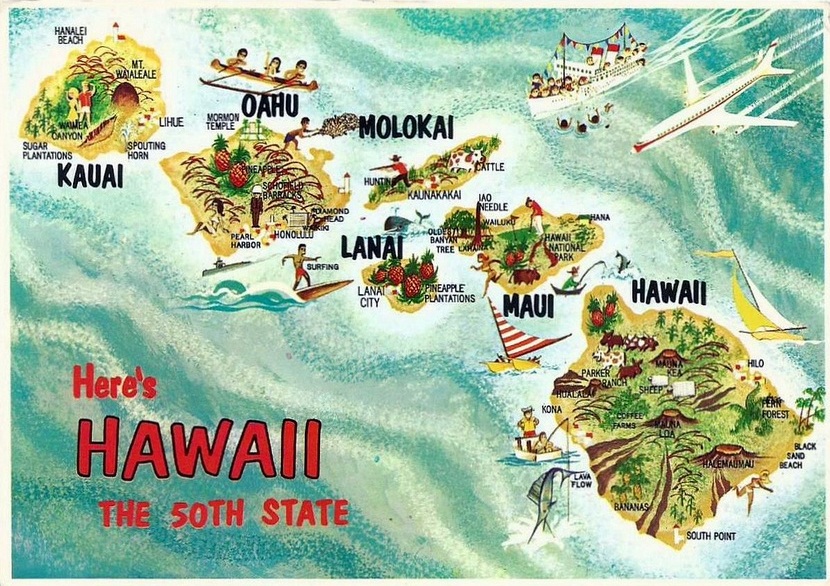
The historical trajectory of Hawaii is a complex tapestry of indigenous sovereignty, colonial ambition, and eventual integration into the United States of America. As one of the most geographically isolated archipelagos in the world, these islands served as a vital crossroads for global maritime commerce, which ultimately dictated their political destiny. Understanding when and how this paradise became a state requires looking at a timeline defined by shifting power dynamics, economic interests, and a constitutional struggle that left a lasting mark on the identity of the Pacific.
The Era of the Monarchy and Foreign Influence
Long before it was a state, the Hawaiian Islands were a unified kingdom. Under the leadership of King Kamehameha I, the archipelago was consolidated in the early 19th century. During this era, Hawaii functioned as an independent nation, recognized by major global powers such as Great Britain, France, and the United States.
The Rise of the Sugar Industry
The influx of missionaries and businessmen from the United States began in the mid-1800s. These settlers were initially drawn by the promise of religious conversion but soon recognized the immense agricultural potential of the volcanic soil. The establishment of large-scale sugar plantations turned the islands into an economic powerhouse. This wealth creation necessitated a closer relationship with American markets, specifically through reciprocal trade treaties that favored sugar exports. As the plantation owners grew in power, their influence over the Hawaiian Monarchy expanded, often to the detriment of native land rights and cultural autonomy.
The Bayonet Constitution
By 1887, the tension between the monarchy and the American-led business elite culminated in the drafting of the “Bayonet Constitution.” Forced upon King Kalakaua, this document severely restricted the power of the sovereign and limited voting rights to those who met specific property and income requirements. This shift effectively disenfranchised the indigenous population and placed the levers of governance firmly in the hands of foreign residents, setting the stage for the eventual overthrow of the kingdom.
The Overthrow and the Republic of Hawaii
The transition from an independent kingdom to a U.S. territory was not a smooth diplomatic process; it was characterized by political maneuvering and the eventual deposition of the last reigning monarch, Queen Liliuokalani.
The Coup of 1893
In 1893, a group of business leaders and politicians, backed by the presence of United States Marines, orchestrated a coup to remove the Queen from power. Queen Liliuokalani, seeking to avoid bloodshed and ensure the safety of her people, yielded her authority under protest, hoping that the United States government would rectify the injustice. While an investigation commissioned by President Grover Cleveland later condemned the act, the provisional government refused to relinquish control.

Formation of the Republic
Following the coup, the provisional government established the Republic of Hawaii in 1894. This entity was designed to be a temporary bridge to annexation. It operated with the explicit goal of aligning the archipelago with the United States, fueled by the need for a mid-Pacific naval base and the desire to secure the interests of the sugar barons.
From Territory to Statehood
The formal inclusion of the islands into the United States occurred in two distinct stages: annexation in 1898 and full statehood in 1959.
The Newlands Resolution
In 1898, during the height of the Spanish-American War, the strategic importance of Pearl Harbor as a naval refueling station became undeniable to the American government. Through the Newlands Resolution, the United States officially annexed the islands as a territory. This status lasted for over sixty years. During this period, the archipelago saw significant demographic shifts, the development of Honolulu as a major port city, and the enduring impact of the Second World War, which solidified its role as a linchpin of American defense in the Pacific Ocean.
The Admission of the 50th State
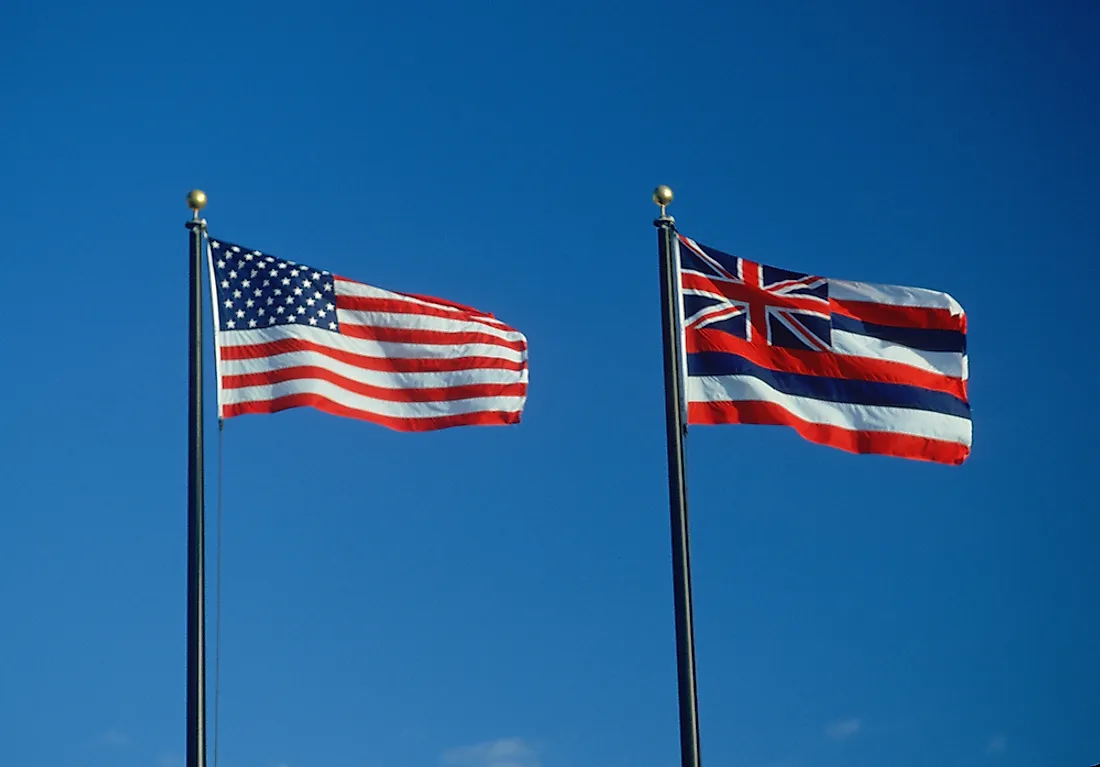
As the mid-20th century progressed, the push for statehood gained momentum. The populace sought the political representation and federal protections that came with being a full member of the union. On August 21, 1959, President Dwight D. Eisenhower signed the proclamation that made Hawaii the 50th state of the United States of America.
This milestone was a turning point, marking the end of the colonial-territorial era and the beginning of Hawaii as an integral part of the nation’s political and social fabric. Today, the state is celebrated for its unique blend of Polynesian culture and contemporary American life, with significant landmarks like Iolani Palace serving as a testament to its royal history, while the USS Arizona Memorial reflects its pivotal role in 20th-century history.
Historical Legacy and Modern Identity
The history of how Hawaii became part of the United States remains a subject of ongoing dialogue and reflection. The Apology Resolution, signed by President Bill Clinton in 1993, formally acknowledged the illegality of the 1893 overthrow and the role of the United States in the suppression of the native government.
Preserving Indigenous Culture
Despite its statehood, Hawaii maintains a distinct cultural identity that sets it apart from the mainland United States. Efforts to preserve the Hawaiian language, traditional hula, and the values of the native population remain at the forefront of local discourse. The state serves as a living laboratory for the reconciliation of colonial histories and modern democratic values.
A Destination of Lasting Significance
For visitors and historians alike, exploring Hawaii offers a deep dive into this complex timeline. Whether walking through the corridors of Iolani Palace, the only royal residence on American soil, or contemplating the maritime significance of the Pacific Ocean, one gains a clearer understanding of why this archipelago is so vital. From the lush valleys of Kauai to the volcanic peaks of the Big Island, the landscape itself tells the story of an ancient nation that became a key pillar of the modern United States of America. The journey to statehood, while arduous and historically fraught, has resulted in a state that remains one of the most culturally vibrant and historically significant regions in the world today.
LifeOutOfTheBox is a participant in the Amazon Services LLC Associates Program, an affiliate advertising program designed to provide a means for sites to earn advertising fees by advertising and linking to Amazon.com. Amazon, the Amazon logo, AmazonSupply, and the AmazonSupply logo are trademarks of Amazon.com, Inc. or its affiliates. As an Amazon Associate we earn affiliate commissions from qualifying purchases.