
The story of Hawaii’s journey to becoming the 50th state in the [United States] is a compelling narrative woven with threads of ancient Polynesian tradition, European exploration, economic ambition, and geopolitical strategy. It’s a tale that not only chronicles a pivotal moment in American history but also underpins the transformation of a secluded island kingdom into one of the world’s most cherished travel destinations. For anyone captivated by history, culture, or the allure of paradise, understanding this transition offers a deeper appreciation for the unique identity of these Pacific islands.
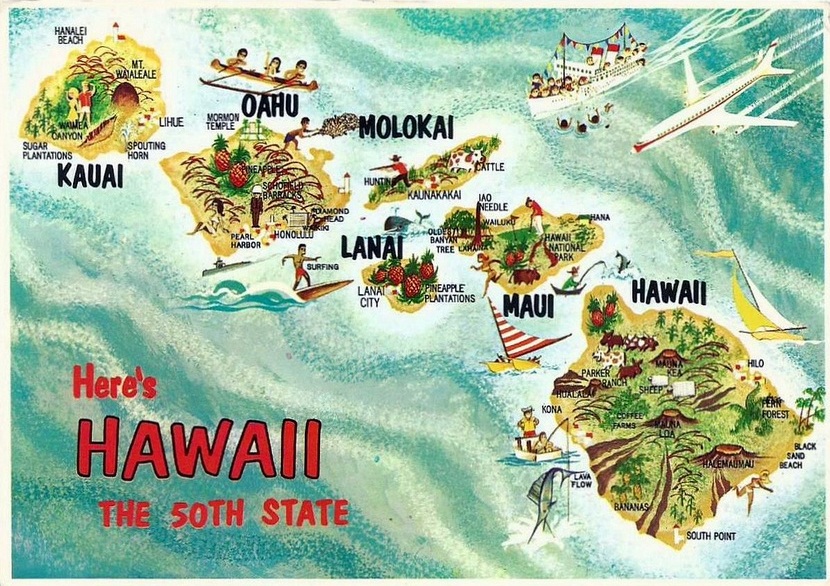
From the majestic volcanoes of [Big Island] to the iconic shores of [Waikiki Beach], Hawaii’s charm is undeniable. Its statehood on August 21, 1959, marked the culmination of centuries of change, solidifying its place in the American fabric while preserving its distinct [Hawaiian Culture]. This article delves into the intricate past that led to this significant event, exploring the historical milestones, political maneuverings, and cultural shifts that paved the way for Hawaii to earn its star on the American flag.
The Road to Statehood: A Journey Through History
Hawaii’s path to statehood is a mosaic of different eras, each leaving an indelible mark on the archipelago. From its earliest inhabitants to the arrival of Western powers, the islands underwent profound transformations that set the stage for their eventual integration into the [United States].
Early Polynesian Settlers and European Encounters
The history of Hawaii began long before any flags were raised or treaties signed, with the intrepid journeys of Polynesian navigators. Sometime between 400 and 800 AD, these master seafarers embarked on monumental voyages across the [Pacific Ocean], eventually discovering and settling the Hawaiian Islands. Traveling from islands like the [Marquesas] and later [Tahiti], they brought with them a rich culture, an intricate social structure based on the aliʻi (chiefs), and a sophisticated system of land management and spiritual beliefs known as kapu. They cultivated taro, fished the abundant waters, and created a vibrant, self-sufficient society that flourished in isolation for centuries.
This isolation was broken in 1778 with the arrival of British explorer [Captain James Cook]. His initial encounters with the Hawaiians were complex, marked by both curiosity and conflict. While Cook’s visits opened Hawaii to the wider world, they also introduced foreign diseases that devastated the native population and marked the beginning of significant cultural shifts. Despite these challenges, the Hawaiian people demonstrated remarkable resilience.
In the wake of initial European contact, one figure rose to prominence, changing the destiny of the islands forever. [King Kamehameha I], through a combination of strategic alliances, superior weaponry, and sheer determination, successfully unified all the Hawaiian Islands under a single rule by 1810, establishing the independent [Kingdom of Hawaii]. This feat of political and military genius laid the foundation for a unified identity that would endure despite increasing foreign influence.
The Kingdom of Hawaii and the Rise of American Influence
Following its unification, the [Kingdom of Hawaii] entered an era of increased interaction with Western powers. Early capitals like [Lahaina] on [Maui] and later [Honolulu] on [Oahu] became bustling ports for whaling ships and traders from the [United States] and [Europe]. This period saw the Hawaiian monarchy actively engage in diplomacy, signing treaties with various nations and striving to maintain its sovereignty in an increasingly interconnected world.
The early 19th century also brought American Protestant missionaries to Hawaii, beginning in 1820. While their intent was religious conversion, their arrival had far-reaching consequences, introducing Western education, a written Hawaiian language ([ʻŌlelo Hawaiʻi]), and a profound influence on Hawaiian society and governance. Simultaneously, American entrepreneurs began to invest heavily in the sugar industry. The fertile volcanic soil and favorable climate proved ideal for sugarcane cultivation, leading to the establishment of vast plantations. This industry, in turn, spurred the immigration of laborers from various parts of Asia, creating a remarkably diverse multi-ethnic population.
As the sugar industry boomed, so did American economic and political interests in the islands. The [United States] saw Hawaii not only as a lucrative trade partner but also as a crucial strategic outpost in the [Pacific Ocean]. This growing influence eventually led to increasing pressure on the Hawaiian monarchy. A significant turning point was the Bayonet Constitution of 1887, forced upon King Kalākaua by a group of American and European businessmen and Hawaiian citizens, which significantly curtailed the monarch’s power and disenfranchised many native Hawaiians. This event foreshadowed the impending loss of sovereignty.
Overthrow, Annexation, and the Territorial Era
The final chapter of the Hawaiian monarchy unfolded tragically in 1893. A group of American and European businessmen, along with local residents, organized a coup d’état, overthrowing the last reigning monarch, [Queen Liliʻuokalani]. This action was supported by the presence of U.S. Marines, despite lacking official orders from Washington. The conspirators, primarily sugar planters and businessmen, established a Provisional Government and then the [Republic of Hawaii], with the ultimate goal of annexation by the [United States].
Initially, U.S. President Grover Cleveland opposed annexation, deeming the overthrow an illegal act. However, strategic interests, particularly in the context of the [Spanish-American War] in 1898, swung public and political opinion in the [United States]. Pro-annexationists argued for Hawaii’s military value and its economic ties to the mainland. Consequently, in July 1898, the [United States] formally annexed Hawaii through a joint resolution of Congress, making it a [Territory of Hawaii].
As a territory, Hawaii’s economy continued to grow, fueled by sugar and pineapple plantations. Its strategic importance was further cemented with the development of [Pearl Harbor] as a major naval base, positioning it as a vital American outpost in the Pacific. Despite economic growth, native Hawaiians and other residents of the territory lacked full voting rights and representation in the U.S. Congress, leading to a persistent call for full statehood.
The Path to the 50th Star: Debates and Deliberations
The territorial era was a period of both development and simmering discontent, as the people of Hawaii yearned for the full rights and recognition afforded to citizens of a U.S. state. The path to statehood was long and fraught with political hurdles, ultimately requiring national events to push it over the finish line.
Post-WWII Momentum and the Statehood Bill
The attack on [Pearl Harbor] on December 7, 1941, by [Japan] dramatically altered the trajectory of World War II and, paradoxically, strengthened Hawaii’s case for statehood. The devastating attack solidified Hawaii’s strategic importance in the American consciousness and highlighted the loyalty and patriotism of its diverse population. Hawaiian citizens served bravely in the war, both on the front lines and at home, demonstrating their unwavering commitment to the [United States]. This sacrifice and contribution intensified long-standing calls for statehood.
For decades, various groups within Hawaii had advocated for admission into the Union, arguing that it was a matter of democratic principle and an end to their “second-class” citizenship. Debates in Washington, D.C., however, often stalled. Concerns ranged from Hawaii’s unique cultural makeup and racial diversity (which some Southern states feared would upset the racial balance in Congress) to its geographical distance from the mainland. Some lawmakers also expressed reservations about the potential for Hawaii’s small population to wield disproportionate political power. The issue of Hawaii’s statehood was often linked with that of [Alaska], as both territories sought admission around the same time, often as a package deal to balance political representation (e.g., one northern, one southern state, or one mostly white, one mostly non-white state).
By the mid-1950s, public and political opinion had shifted significantly. The Cold War underscored Hawaii’s crucial role in Pacific defense, and the post-war civil rights movement made arguments against statehood based on race increasingly untenable. Furthermore, the burgeoning tourism industry was beginning to show Hawaii’s economic potential beyond agriculture, further bolstering its appeal.
The Vote and the Official Proclamation
After years of fervent lobbying and parliamentary maneuvering, the momentum for Hawaiian statehood became irresistible. In March 1959, both houses of the U.S. Congress finally passed the [Hawaii Admission Act], sending it to the President for his signature. This act outlined the conditions for Hawaii’s admission as a state, including a referendum for the people of Hawaii to approve the terms.
On June 27, 1959, the residents of Hawaii went to the polls to vote on the statehood plebiscite. The results were an overwhelming affirmation: over 94% of voters cast their ballots in favor of statehood, signaling a clear and decisive desire to join the Union. This strong mandate left no doubt about the will of the people.
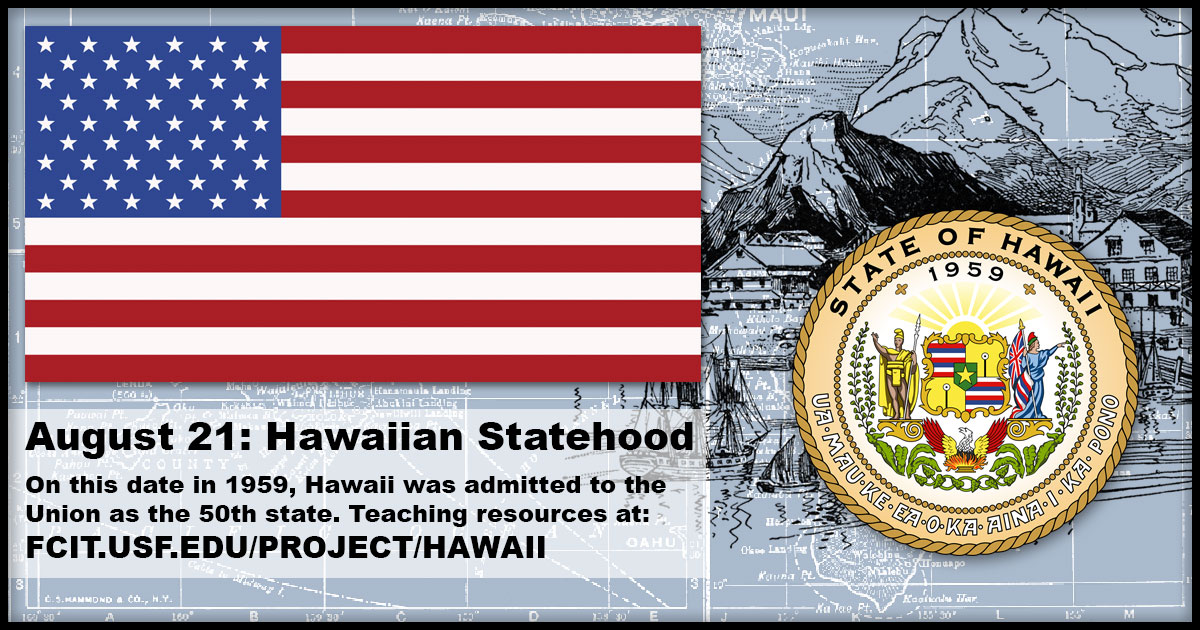
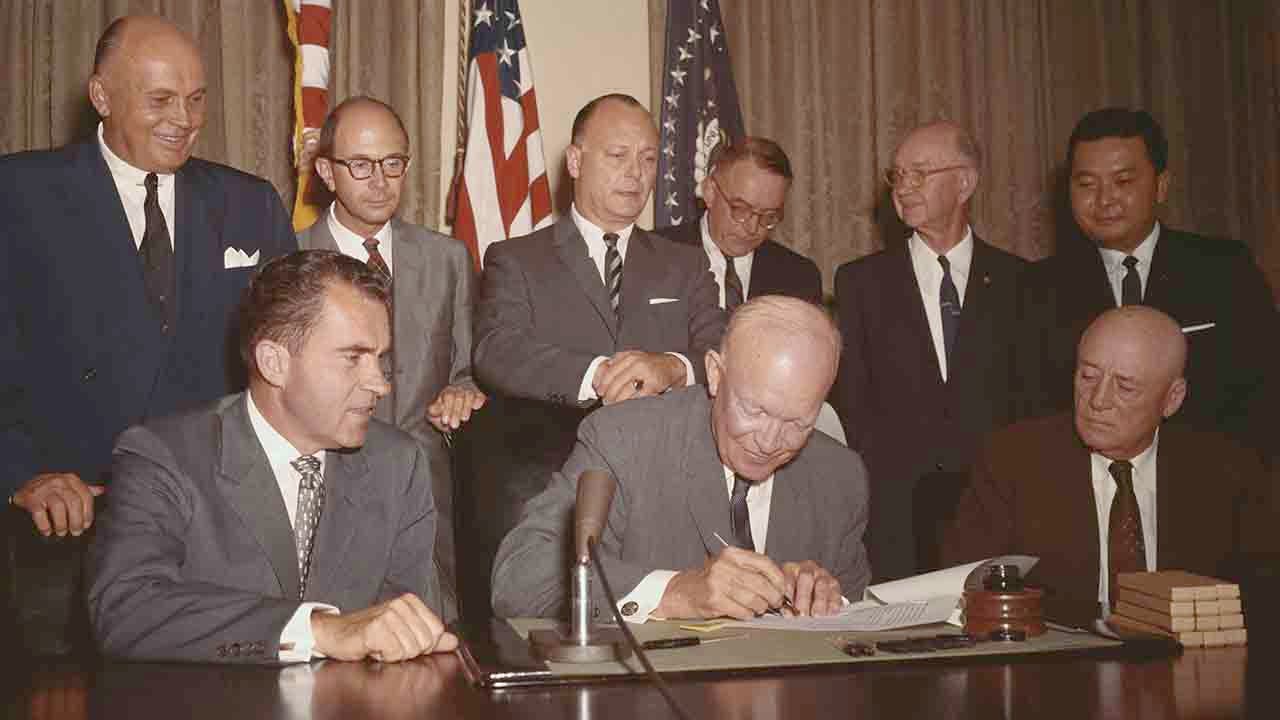
Following the referendum, President [Dwight D. Eisenhower] officially signed the proclamation admitting Hawaii as the 50th state on August 21, 1959. This historic moment was met with jubilant celebrations across the islands, marking the beginning of a new chapter for Hawaii as a full and equal member of the [United States]. The addition of the 50th star to the American flag symbolized not just the culmination of a long struggle for self-determination but also the acceptance of Hawaii’s unique multicultural identity into the national tapestry.
Hawaii’s Enduring Allure: A Post-Statehood Paradise
Hawaii’s statehood profoundly impacted its economic and social landscape, accelerating its transformation into a global tourism powerhouse. Today, the islands beckon millions of travelers each year, drawn by a harmonious blend of natural beauty, rich history, and vibrant culture.
Exploring Iconic Landmarks and Natural Wonders
With statehood, Hawaii’s allure as a travel destination became firmly established, shifting its economic engine from agriculture to tourism. The islands boast an unparalleled array of natural wonders and historical landmarks that speak to both their ancient past and their modern significance.
Visitors flock to [Diamond Head] crater, an iconic volcanic tuff cone offering panoramic views of [Waikiki Beach] and [Honolulu]. The solemn [USS Arizona Memorial] at [Pearl Harbor] serves as a powerful reminder of [World War II] and the sacrifices made, drawing millions for reflection and remembrance. On the [Big Island], the active volcanoes of [Hawaii Volcanoes National Park] provide a mesmerizing spectacle of creation and destruction. [Maui]’s famous [Road to Hana] winds through lush rainforests and past stunning waterfalls, while [Kauai]’s dramatic [Na Pali Coast] Cliffs, best viewed from a boat or helicopter, are breathtaking. For those fascinated by the cosmos, [Mauna Kea], the highest point in Hawaii, is home to world-renowned astronomical observatories, offering unparalleled stargazing opportunities. These landmarks are not just tourist attractions; they are integral parts of Hawaii’s identity, reflecting its deep history and geological marvels.
Experiencing Hawaiian Culture and Tourism
Beyond its stunning landscapes, Hawaii’s heart lies in its vibrant [Hawaiian Culture]. The aloha spirit, a profound philosophy of respect, love, and compassion, permeates daily life and is warmly extended to visitors. Tourism in Hawaii offers myriad opportunities for cultural immersion, from attending a traditional luau with hula performances and authentic Hawaiian cuisine to learning about the history of surfing, the sport of kings. The [Polynesian Cultural Center] on [Oahu] provides an extensive, immersive experience showcasing the diverse cultures of Polynesia, including Hawaii.
Activities abound, catering to every interest. Thrill-seekers can try surfing the legendary waves of the North Shore, snorkeling in vibrant coral reefs, or hiking through lush tropical trails. Wildlife enthusiasts can enjoy whale watching during the winter months, while foodies can explore local markets and savor fresh seafood, poke, and other island delicacies. Hawaii truly offers a multi-sensory experience that goes far beyond just beautiful scenery.
Accommodation and Lifestyle: From Luxury Resorts to Budget Stays
The growth of tourism post-statehood brought with it a boom in accommodation options, catering to a diverse range of preferences and budgets. Hawaii offers everything from opulent [Luxury Travel] experiences to more accessible [Budget Travel] options, ensuring that every visitor can find their ideal stay.
On [Maui], the [Four Seasons Resort Maui at Wailea] epitomizes luxury, offering world-class amenities and beachfront elegance. [Oahu] is home to historic gems like [The Royal Hawaiian], often called the “Pink Palace of the Pacific,” blending vintage charm with modern comforts. For families, [Aulani, A Disney Resort & Spa] on [Oahu] provides a unique, family-friendly Hawaiian experience. On [Kauai], the [Grand Hyatt Kauai Resort & Spa] offers stunning oceanfront settings and expansive pools. Beyond these renowned resorts, countless hotels, vacation rentals, boutique accommodations, and guesthouses ensure that whether travelers are seeking an exclusive hideaway, a lively resort, or a cozy, local experience, they will find it. These offerings also extend to different lifestyle needs, from romantic getaways and adventurous [Family Trips] to serene wellness retreats and productive [Business Stays], reinforcing Hawaii’s reputation as a versatile and welcoming destination for all.
The story of “When Did Hawaii Become A State In The [United States]?” is more than just a date on a calendar; it’s a narrative of resilience, transformation, and the enduring spirit of a truly unique place. August 21, 1959, solidified Hawaii’s place in the American Union, but its rich history, vibrant culture, and breathtaking natural beauty continue to make it a cherished and unforgettable destination for travelers from across the globe.
LifeOutOfTheBox is a participant in the Amazon Services LLC Associates Program, an affiliate advertising program designed to provide a means for sites to earn advertising fees by advertising and linking to Amazon.com. Amazon, the Amazon logo, AmazonSupply, and the AmazonSupply logo are trademarks of Amazon.com, Inc. or its affiliates. As an Amazon Associate we earn affiliate commissions from qualifying purchases.