
For many, the very mention of the word “Hawaii” conjures images of sun-drenched beaches, vibrant floral leis, and the rhythmic sway of palm trees against a cerulean sky. It’s a tropical paradise that has captivated travelers and dreamers for generations, an archipelago of islands offering a unique blend of exotic allure and American familiarity. But beyond its idyllic scenery and welcoming aloha spirit, lies a rich and fascinating history, including a pivotal moment that cemented its place within the United States: statehood.
The question of “When Did Hawaii Become A State In The Usa?” is more than just a historical footnote; it’s a gateway to understanding how this remote Pacific outpost transformed from an independent kingdom to a vital part of the American tapestry. This journey was not a simple one, but a complex narrative woven with threads of international diplomacy, internal political shifts, and the evolving aspirations of the Hawaiian people. To truly appreciate the magic of visiting destinations like Oahu, Maui, or Kauai, it’s essential to grasp the historical context that shaped their current identity.
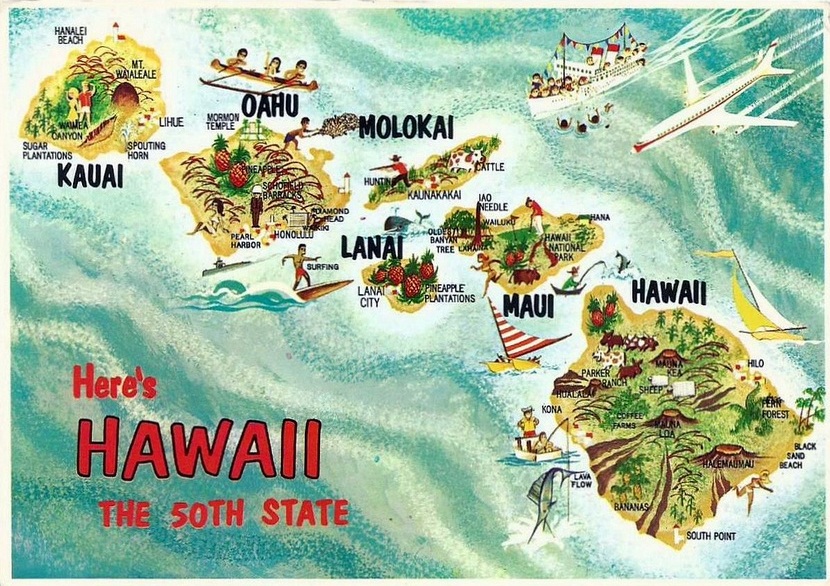
This article will delve into the fascinating history of Hawaii’s path to statehood, exploring the key events, figures, and motivations that led to its admission as the 50th state of the United States of America. We will examine the unique circumstances of its governance prior to statehood, the debates and challenges that arose, and the ultimate triumph of becoming an integral part of the nation.
The Long Road to Statehood: From Kingdom to Territory
Before its eventual statehood, Hawaii experienced a long and often turbulent period as a sovereign nation, a journey that began with the unification of the islands under King Kamehameha I in the late 18th century. For decades, the Kingdom of Hawaii maintained its independence, navigating complex relationships with foreign powers, including Great Britain and the United States, while developing its own unique political and social structures.
The islands’ strategic location in the Pacific, coupled with their abundant natural resources like sugar cane, made them increasingly attractive to foreign economic interests. American missionaries and businessmen began to establish a significant presence, leading to growing influence and a desire for closer ties with the United States. This period saw the erosion of Hawaiian sovereignty, culminating in the overthrow of Queen Liliuokalani in 1893 by a group of American and European businessmen, with the alleged backing of the U.S. Marine Corps. This event was a major turning point, sparking a fervent debate about the future of Hawaii.
Following the overthrow, the so-called Republic of Hawaii was established, led by Sanford B. Dole, a prominent American businessman. This provisional government immediately began advocating for annexation by the United States. However, the process was fraught with controversy. Many Hawaiians actively opposed annexation, petitioning the U.S. Congress and organizing resistance. Despite these protests, the United States eventually annexed Hawaii in 1898, following the Spanish-American War, which highlighted the islands’ strategic military importance as a Pacific coaling station and naval base.
Thus, Hawaii became a U.S. territory. As a territory, it was subject to the laws of the United States but did not have the full rights and representation of a state. Residents were U.S. citizens but could not vote for the President of the United States and had no voting representation in Congress. This status persisted for over six decades, a period marked by significant economic development, particularly in the sugar and pineapple industries, and a growing sense of American identity among many Hawaiians. However, the desire for full statehood, with all its accompanying rights and responsibilities, continued to simmer.
The Push for Equal Representation
The decades following annexation saw a consistent, though often challenging, movement towards achieving statehood. Various political factions and civic groups within Hawaii actively campaigned for this goal, believing it was the only way to secure full equality and self-determination for the Hawaiian people within the United States.
The strategic importance of Hawaii was undeniable, especially as global tensions rose in the 20th century. The attack on Pearl Harbor in 1941, a pivotal moment in World War II, dramatically underscored Hawaii’s vulnerability as a territory and further fueled arguments for its integration as a state. Proponents of statehood argued that Hawaii was ready for the responsibilities and privileges of statehood, citing its established democratic institutions, educated populace, and significant economic contributions.
However, statehood was not a foregone conclusion. Several factors contributed to the prolonged delay. One significant hurdle was racial prejudice. In the mid-20th century, many in the mainland United States harbored racist views towards the diverse population of Hawaii, which included people of Hawaiian, Asian, and European descent. Concerns were raised about the potential for a non-white majority state, which clashed with the prevailing racial attitudes of the time.
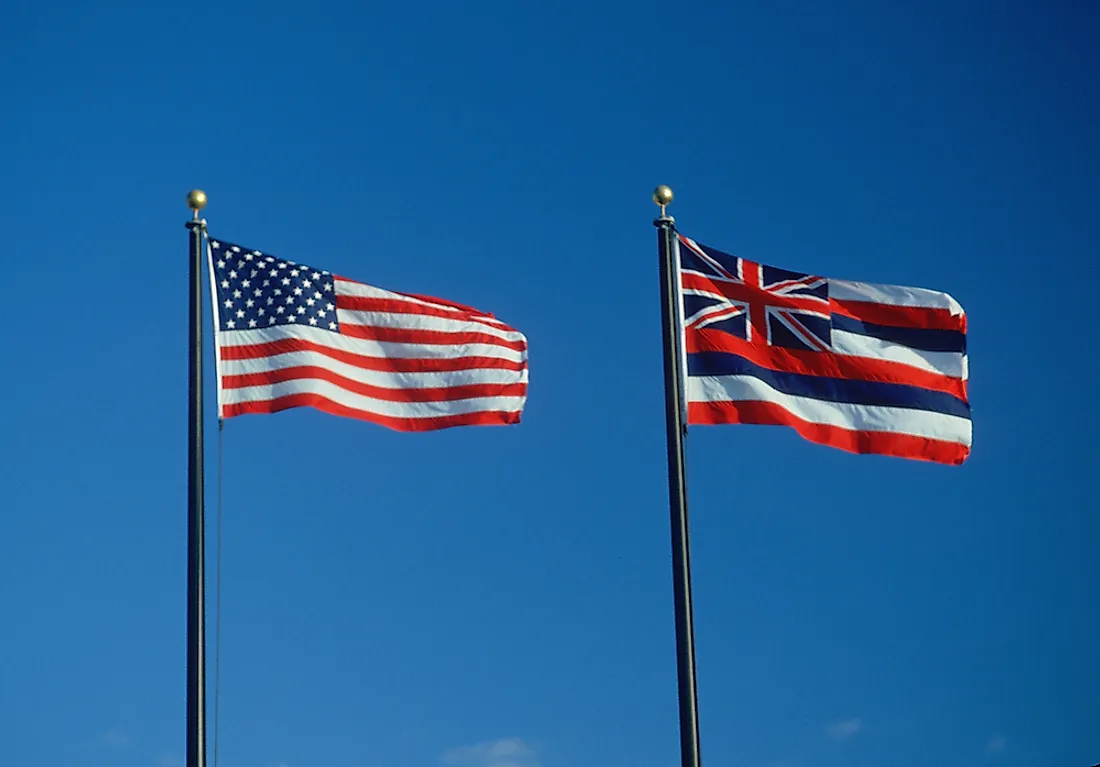
Another factor was political opposition from certain segments of the American political establishment. Some Southern politicians, in particular, feared that the admission of a new state with a significant minority population could shift the balance of power in Congress and impact national policies. Additionally, the powerful agricultural business interests, which had benefited from territorial status, sometimes lobbied against statehood, fearing potential changes in labor laws and regulations.
Despite these obstacles, the movement for statehood gained momentum, particularly after World War II. Hawaiians who had served with distinction in the U.S. military during the war returned home with a heightened sense of patriotism and a stronger claim for equal rights. The civil rights movement sweeping across the mainland also created a more favorable environment for the cause of Hawaiian statehood.
The Final Push and the Road to August 21, 1959
The latter half of the 1950s marked the final, decisive push for Hawaiian statehood. Advocates intensified their efforts, employing a combination of grassroots organizing, lobbying, and public awareness campaigns. They highlighted Hawaii’s democratic preparedness, its significant economic contributions, and the fundamental principle of equality for all American citizens.
Key figures emerged who championed the cause with unwavering determination. Daniel Inouye, a decorated World War II veteran and a prominent Hawaiian politician, played a crucial role in advocating for statehood in Washington D.C. His eloquent speeches and persistent lobbying were instrumental in swaying opinions.
The political landscape began to shift. The Democratic Party, in particular, became increasingly supportive of Hawaiian statehood, recognizing the injustice of denying full representation to a loyal segment of the nation. After numerous failed attempts and vetoes in previous decades, the political will finally coalesced.
In March 1959, the U.S. Congress passed the Hawaii Admission Act. This landmark legislation paved the way for Hawaii to become a state, contingent upon a vote by the people of Hawaii to accept the terms of admission. The referendum was held on June 27, 1959, and the results were overwhelmingly in favor of statehood. Nearly 94% of the voters chose to become the 50th state.
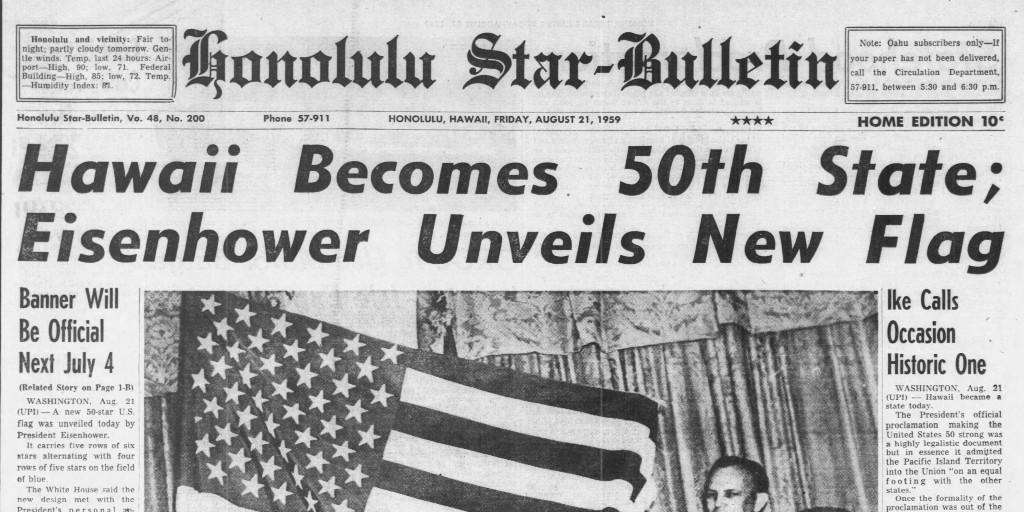
The official proclamation of statehood was made by President Dwight D. Eisenhower on August 21, 1959. This date marked the culmination of a long and arduous journey, transforming Hawaii from a distant territory into an integral and equal member of the United States of America. The iconic images of the iconic Diamond Head and the vibrant culture of Honolulu now represented a state, with all the rights, responsibilities, and national pride that came with it.
The Enduring Legacy of Statehood: A New Chapter
The admission of Hawaii as the 50th state on August 21, 1959, was a momentous occasion, not just for the islands themselves but for the United States as a whole. It represented a triumph of democratic principles and a significant step towards a more inclusive and representative nation. The act of statehood officially recognized Hawaii’s unique identity and its contributions to the nation while simultaneously integrating its people fully into the American political and social fabric.
Since becoming a state, Hawaii has continued to evolve, embracing its role as a vital hub for tourism, a strategic military presence, and a unique cultural melting pot. The islands have become a premier destination for travelers seeking the ultimate tropical escape, with world-class resorts like the Grand Hyatt Hotel and iconic attractions such as the USS Arizona Memorial drawing millions each year. The state’s diverse population, a rich tapestry of cultures, continues to shape its vibrant lifestyle, from the culinary delights found in local eateries to the traditional hula performances that celebrate its heritage.
The natural beauty of Hawaii, from the volcanic landscapes of Hawaii Volcanoes National Park to the pristine beaches of Waikiki, remains a powerful draw, showcasing the state’s unparalleled natural wonders. As a state, Hawaii participates fully in the American democratic process, electing its representatives to Congress and its senators, and its citizens enjoy the same rights and freedoms as those on the mainland. The dream of statehood, pursued for decades, finally brought full equality and a lasting place within the union.
The journey from an independent kingdom to a U.S. territory, and finally to the 50th state, is a compelling chapter in American history. It underscores the complex interplay of economics, politics, and social justice that has shaped the United States. For anyone planning a visit to this extraordinary destination, understanding the significance of Hawaii’s statehood adds a deeper layer of appreciation to the experiences, the culture, and the enduring spirit of aloha that define this Pacific gem. The question “When Did Hawaii Become A State In The Usa?” is a question with a clear answer, but the story behind it is rich, complex, and continues to resonate today.
LifeOutOfTheBox is a participant in the Amazon Services LLC Associates Program, an affiliate advertising program designed to provide a means for sites to earn advertising fees by advertising and linking to Amazon.com. Amazon, the Amazon logo, AmazonSupply, and the AmazonSupply logo are trademarks of Amazon.com, Inc. or its affiliates. As an Amazon Associate we earn affiliate commissions from qualifying purchases.