
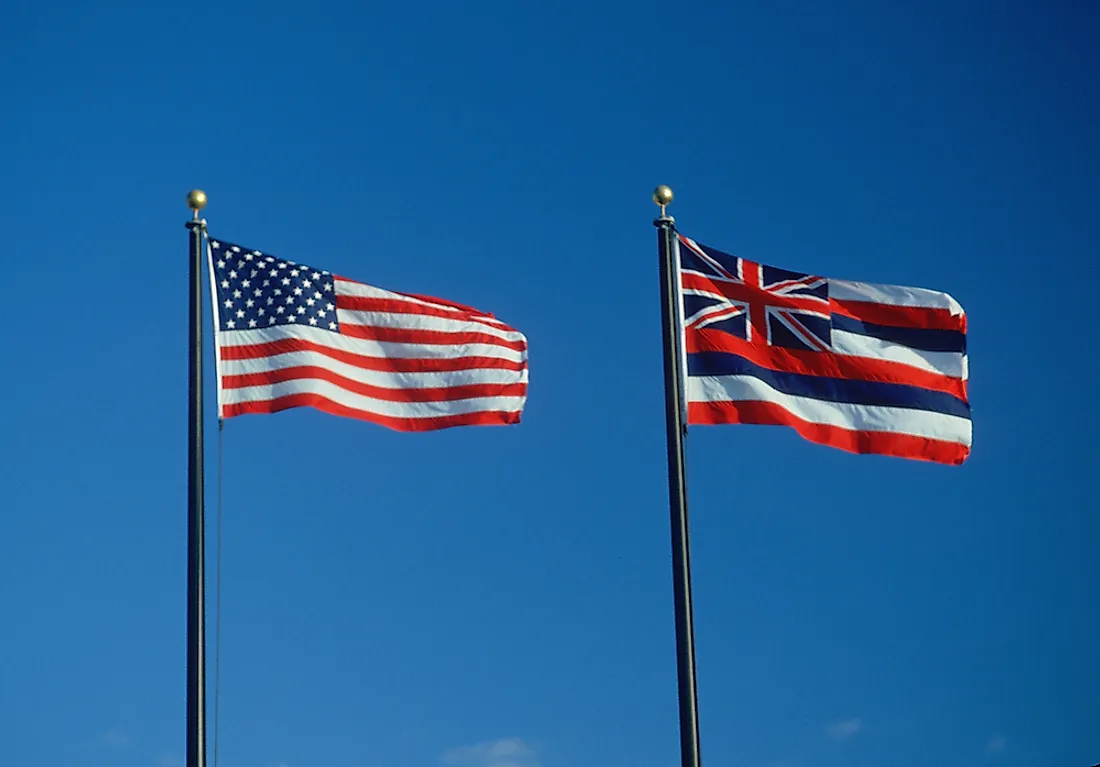
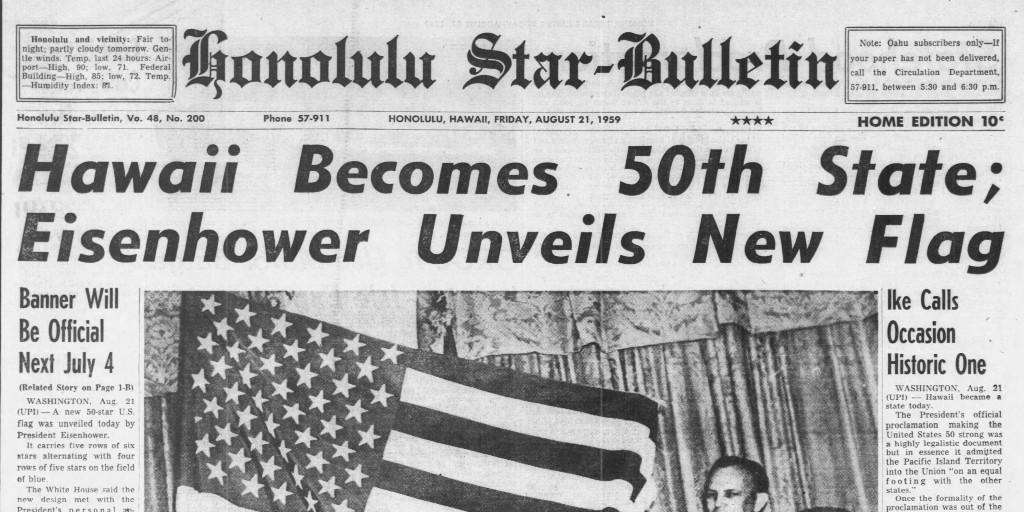
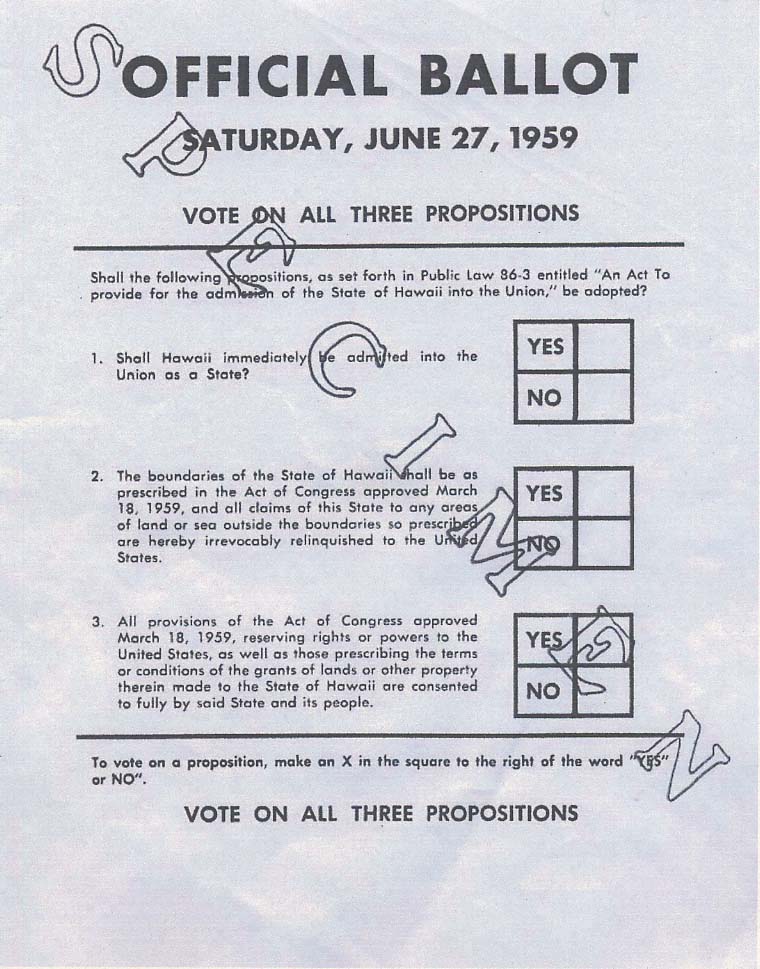
The question of when Hawaii became a state of the United States is more than a simple date on a calendar; it is the culmination of a century-long transformation characterized by political intrigue, cultural shifts, and the preservation of remarkable architectural and natural landmarks. On August 21, 1959, Hawaii officially became the 50th state of the union. This milestone marked a significant shift in the identity of the Pacific Ocean archipelago, moving it from a strategic territory to an equal partner in the North America based federation. To understand the gravity of this transition, one must look at the landmarks that stood witness to the islands’ evolution from a sovereign kingdom to an American state.
The Royal Foundations: Landmarks of the Hawaiian Monarchy
Before the stars and stripes flew over Honolulu, the islands were a unified kingdom with a rich architectural and political history. The landmarks from this era provide the essential context for why statehood was such a debated and eventual reality.
Iolani Palace: The Heart of the Kingdom
The most significant landmark of this era is undoubtedly Iolani Palace. Completed in 1882, it served as the official residence of the Hawaiian monarchs. It is the only royal palace on United States soil, making it a unique historical treasure. The palace was the site of the 1893 overthrow of the monarchy, a pivotal moment that set the stage for eventual statehood.
The architecture of Iolani Palace is described as “American Florentine,” a style that blends European influences with island sensibilities. Walking through its halls, visitors can see the throne room where King Kalakaua and Queen Liliuokalani once governed. The palace serves as a solemn reminder of the sovereign nation that existed before the transition to an American territory and later a state.
Washington Place and the Legacy of Leadership
Located just a short distance from the palace is Washington Place. This Greek Revival mansion was the private home of Queen Liliuokalani and later served as the governor’s mansion for many years. It is a landmark that bridges the gap between the monarchy and the American administrative era. The preservation of this site allows for a deeper understanding of the political figures who navigated the complex waters of annexation and the long road to 1959.
The Strategic Turning Point: Military Landmarks and Global Conflict
The path to statehood was accelerated by the strategic importance of Hawaii during the 20th century. The military presence on the islands, particularly on Oahu, transformed the social and political landscape, making the argument for statehood more compelling to the United States Congress.
Pearl Harbor: A Catalyst for Change
Pearl Harbor is perhaps the most globally recognized landmark in Hawaii. The events of December 7, 1941, not only pulled the United States into World War II but also cemented the islands’ importance to national security. The USS Arizona Memorial, which straddles the sunken hull of the battleship, serves as a place of reflection and history.
The military buildup following the attack brought a massive influx of personnel and infrastructure from the mainland. This “Americanization” of the islands, through the construction of bases and the integration of local residents into the war effort, made the transition to statehood feel more natural to the American public and politicians alike. Nearby, the USS Missouri, where the Japanese surrender was signed, stands as a landmark of the war’s end—a peace that eventually paved the way for the statehood movement to gain momentum in the late 1940s and 50s.
Punchbowl Crater and the National Memorial Cemetery of the Pacific
Another landmark that emerged from this era is the National Memorial Cemetery of the Pacific, located within the Punchbowl Crater. This extinct volcanic cone provides a final resting place for thousands of veterans. The dedication of this site in 1949 underscored Hawaii’s shared sacrifice with the rest of the United States. It is a landmark that symbolizes the deep patriotic ties that were forged during the mid-20th century, providing the moral and political foundation for the statehood bill.
Natural Landmarks and the Spirit of the 50th State
While political and military landmarks tell the story of “how” and “when,” the natural landmarks of the islands represent the “why”—the unique beauty and geological significance that Hawaii brought to the union.
Diamond Head: The Iconic Profile of Oahu
Diamond Head, or Leahi, is one of the most photographed landmarks in the world. This volcanic tuff cone defines the skyline of Waikiki. Historically, it was used as a lookout point by the ancient Polynesians and later by the United States Army as a coastal defense site. When Hawaii became a state, Diamond Head became a symbol of the new Pacific frontier. Today, it is a State Monument, signifying the state’s commitment to preserving its natural heritage while welcoming millions of visitors to its shores.
Hawaii Volcanoes National Park: A Dynamic Landscape
On the Big Island (also known as the island of Hawaii), Hawaii Volcanoes National Park protects some of the most unique geological features on Earth. Home to Kilauea and Mauna Loa, the park is a living laboratory of volcanic activity. The inclusion of these wonders into the federal park system actually predates statehood, but their prominence grew exponentially after 1959. These landmarks represent the literal growth of the United States, as new land is created by the cooling lava—a metaphor for the evolving and expanding nature of the American story.
Cultural Preservation and Statehood Commemoration
The transition to statehood also required the preservation of landmarks that honor the diverse heritage of the islands, ensuring that the history of Maui, Kauai, Lanai, and Molokai was not lost in the move toward federal integration.
The Bishop Museum: Safeguarding Heritage
The Bishop Museum in Honolulu is the premier landmark for Hawaiian cultural and natural history. Founded in 1889, it houses the world’s largest collection of Polynesian artifacts. As Hawaii moved toward statehood, the Bishop Museum played a critical role in educating the public about the islands’ distinct identity. It stands as a landmark of intellectual and cultural preservation, ensuring that the 50th state entered the union with its history intact and its traditions respected.
The King Kamehameha Statue: A Symbol of Unity
Standing proudly in front of Aliiolani Hale (the Hawaii State Supreme Court building) is the iconic King Kamehameha Statue. This landmark honors the monarch who first unified the islands. On the day Hawaii became a state, and every Kamehameha Day since, the statue is draped in long strands of lei. It represents the enduring spirit of the Hawaiian people and the fact that, while Hawaii is a state of the United States, its roots remain deeply planted in its royal and indigenous history.
The Legacy of 1959 and the Future of Hawaii’s Landmarks
The year 1959 was a year of celebration for many in Hawaii. The admission of the state was met with parades, bonfires, and a sense of belonging to a larger national community. However, the landmarks of the islands continue to tell a nuanced story.
Modern Landmarks and Architectural Shifts
In the years following statehood, the architectural landscape of Hawaii changed. Modern landmarks like the Hawaii State Capitol were built. Completed in 1969, the capitol building is a masterpiece of symbolic architecture. Unlike the traditional domes of the North America mainland, this building features a central open-air courtyard that allows the rain and sun to enter, symbolizing the openness of the democratic process. Its pillars are shaped like palm trees, and the legislative chambers are cone-shaped to represent volcanoes. This landmark is a physical manifestation of how Hawaii adapted its new statehood status into its unique environment.
Balancing Tourism and History
As Hawaii became more accessible through the advent of commercial jet travel—which coincided with statehood—landmarks such as the Polynesian Cultural Center on the north shore of Oahu were established. These sites were designed to celebrate and share the traditions of Samoa, Tahiti, Fiji, and Tonga, alongside Hawaii. The challenge for the state has been to balance the commercial success of these attractions with the authentic preservation of historic landmarks like Puuhonua o Honaunau National Historical Park on the Big Island.
Conclusion
When Hawaii became a state of the United States on August 21, 1959, it didn’t just gain a new flag; it gained a seat at the table of a global superpower while bringing with it a legendary collection of landmarks and a complex history. From the royal chambers of Iolani Palace to the hallowed waters of Pearl Harbor, and from the volcanic peaks of Mauna Loa to the modernist halls of the Hawaii State Capitol, the landmarks of Hawaii serve as the physical markers of time. They tell the story of a nation and a state that continues to navigate its path between its ancient heritage and its modern American identity. Understanding the statehood of Hawaii is impossible without acknowledging these sites, which remain the guardians of the islands’ spirit and history.
LifeOutOfTheBox is a participant in the Amazon Services LLC Associates Program, an affiliate advertising program designed to provide a means for sites to earn advertising fees by advertising and linking to Amazon.com. Amazon, the Amazon logo, AmazonSupply, and the AmazonSupply logo are trademarks of Amazon.com, Inc. or its affiliates. As an Amazon Associate we earn affiliate commissions from qualifying purchases.