
The story of Hawaii is a captivating narrative that weaves together ancient Polynesia heritage, sovereign monarchy, and a complex journey toward becoming the 50th star on the flag of the United States. To answer the question of when Hawaii joined the union, one must look to August 21, 1959. However, the date itself is merely the destination of a long, often turbulent road. For those interested in the landmarks and historical sites that define this transition, understanding the timeline is essential to appreciating the monuments that stand across the islands today.
From the volcanic peaks of the Big Island to the historic halls of Honolulu, the architecture and geography of the islands tell a story of transformation. This article explores the historical milestones of statehood through the lens of the landmarks that witnessed these changes firsthand.
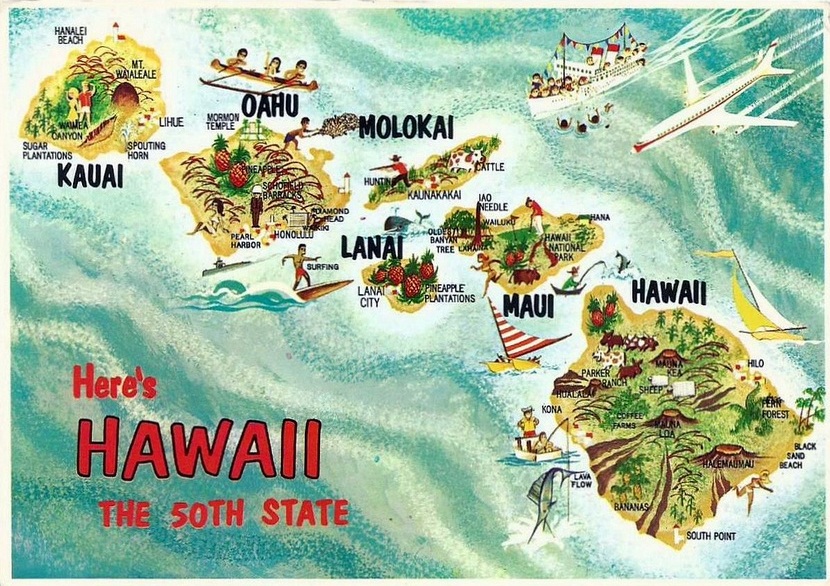
The Road to Statehood: A Historical Journey Through Time
The process of Hawaii joining the United States was not a single event but a series of seismic political shifts. Long before the 1959 declaration, the islands were a recognized sovereign nation known as the Kingdom of Hawaii.
From Monarchy to Republic
The late 19th century was a period of intense pressure for the Hawaiian monarchy. In 1893, a group of business interests and sugar planters, supported by United States Marines, overthrew Queen Liliuokalani. This led to the establishment of the Republic of Hawaii. The queen, a staunch advocate for her people’s sovereignty, was eventually imprisoned in her own palace, a landmark that remains a poignant symbol of this era.
Annexation and Territorial Status
In 1898, during the Spanish-American War, the strategic importance of the islands in the Pacific Ocean became undeniable. The United States officially annexed the islands via the Newlands Resolution. For the next 60 years, Hawaii existed as a territory. During this time, the islands transformed into a central hub for American military and economic interests in the region. The push for statehood gained significant momentum after World War II, as the bravery of Hawaiian citizens during the conflict proved their commitment to the United States.
The 1959 Proclamation
After decades of lobbying and several plebiscites where the residents of Hawaii voted overwhelmingly in favor of statehood, President Dwight D. Eisenhower signed the proclamation on August 21, 1959. This officially welcomed Hawaii as the 50th state, a moment celebrated with parades and festivities in the streets of Honolulu and beyond.
Iconic Landmarks That Witnessed Hawaii’s Transition
The history of Hawaii joining the union is etched into its buildings and monuments. These landmarks serve as physical reminders of the transition from a sovereign kingdom to an American state.
Iolani Palace: The Heart of the Monarchy
Located in downtown Honolulu on the island of Oahu, Iolani Palace is the only royal palace on American soil. Completed in 1882 by King Kalakaua, it was a marvel of its time, featuring electricity and telephones before even the White House. It was here that the transition of power began, and here that Queen Liliuokalani was held under house arrest. Today, the palace is a meticulously restored museum and a National Historic Landmark, offering visitors a profound look at the elegance of the Hawaiian monarchy and the tragedy of its end.
Ali’iolani Hale: A Seat of Justice
Just across the street from the palace stands Aliiolani Hale. Originally designed as a palace but repurposed as a government building, it currently houses the Hawaii State Supreme Court. In front of the building sits the iconic King Kamehameha Statue, a landmark that honors the monarch who first unified the islands. This site witnessed the reading of the proclamation that ended the monarchy and ushered in the provisional government.
Washington Place: A Residence of Change
Washington Place served as the private home of Queen Liliuokalani and later became the executive mansion for the governors of Hawaii. It bridges the gap between the royal past and the gubernatorial present. As a National Historic Landmark, it stands as a testament to the endurance of Hawaiian leadership throughout the territory and statehood periods.

Natural Landmarks and the Spirit of the 50th State
While the political history of Hawaii is found in its architecture, its soul is found in its natural landmarks. These sites define the identity of the state and have remained constant throughout the changing political tides.
Diamond Head (Le’ahi): A Natural Sentinel
The profile of Diamond Head is perhaps the most recognizable landmark in the Pacific Ocean. Formed about 300,000 years ago, this saucer-shaped crater was used by the military as a lookout point during the territorial years. The Diamond Head State Monument offers a glimpse into how the United States fortified the islands after annexation, with bunkers and trails built into the volcanic rock to protect the shores of Waikiki.
Pearl Harbor and the USS Arizona Memorial
Few places in the United States carry as much historical weight as Pearl Harbor. The attack on December 7, 1941, was a turning point that eventually paved the way for statehood. The USS Arizona Memorial, part of the Pearl Harbor National Memorial, sits above the sunken hull of the battleship. It is a place of somber reflection and a landmark that forever tied the fate of Hawaii to the rest of the North America continent.
Hawaii Volcanoes National Park
On the Big Island, the Hawaii Volcanoes National Park preserves the very forces that created the islands. Featuring two of the world’s most active volcanoes, Mauna Loa and Kilauea, this park became a national landmark long before statehood, in 1916. It serves as a reminder that while political boundaries change, the land itself is a living, breathing entity with a history far older than any nation.
Preserving History in Modern Hawaii
Since joining the United States in 1959, Hawaii has worked tirelessly to balance its role as a modern state with the preservation of its unique cultural identity. This balance is visible in the way the state manages its historical and natural landmarks.
The Hawaii State Capitol Building
Completed in 1969, ten years after statehood, the State Capitol Building is a landmark of architectural symbolism. Unlike the traditional domed capitols found in Washington D.C., Hawaii’s capitol is designed to reflect the islands’ natural beauty. The two legislative chambers are cone-shaped to represent volcanoes, and the building is surrounded by water to symbolize the Pacific Ocean. It stands as a landmark of the statehood era, representing a new chapter for the people of Oahu, Maui, Kauai, Molokai, and Lanai.
Punchbowl Crater: National Memorial Cemetery of the Pacific
Nestled within the Punchbowl Crater in Honolulu is the National Memorial Cemetery of the Pacific. This landmark serves as a resting place for those who served in the United States Armed Forces. It is a site of immense pride for the local community, highlighting the deep military ties that have defined Hawaii since its integration into the union. The crater itself is an ancient volcanic tuff cone, blending the natural history of the islands with the modern history of the nation.
Mauna Kea: Where Earth Meets the Heavens
On the island of Hawaii, Mauna Kea stands as a landmark of both scientific achievement and sacred tradition. While it houses some of the world’s most advanced telescopes, it remains a deeply spiritual place for Native Hawaiians. The ongoing discussions surrounding the use of Mauna Kea reflect the complexities of statehood—the meeting of global scientific interests with local indigenous rights.
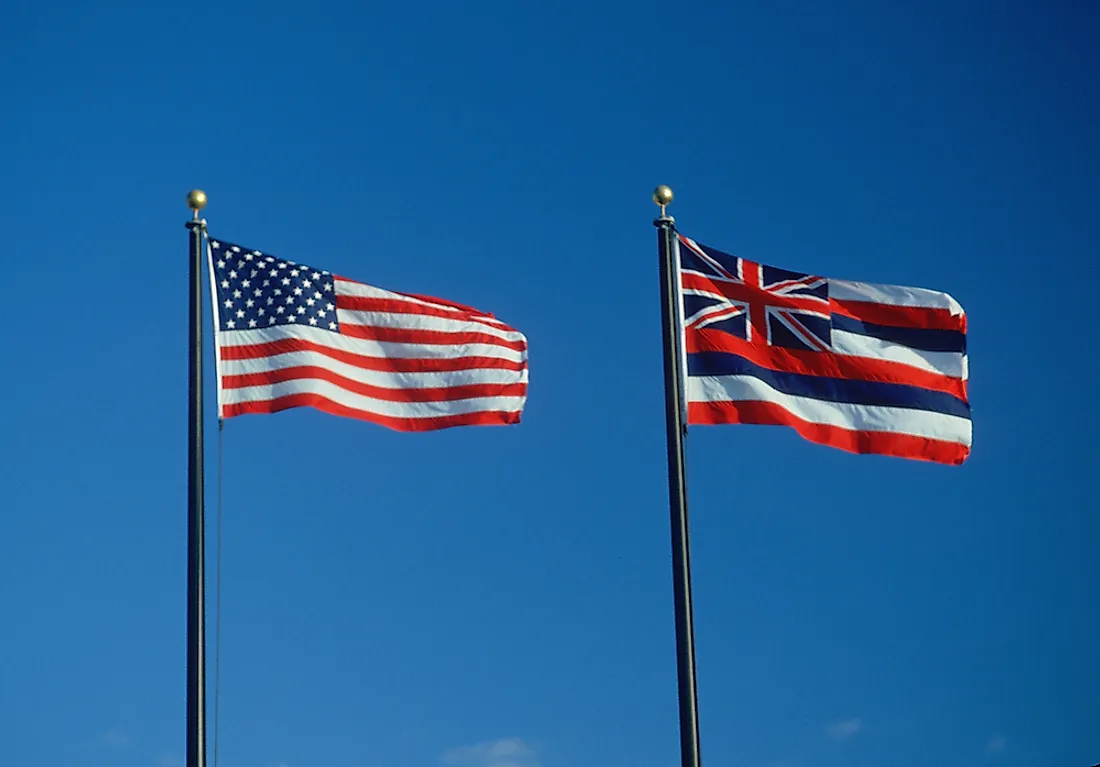
The Significance of August 21
Every year, Hawaii observes Statehood Day (formerly known as Admission Day) on the third Friday of August. While it is a day of legal significance, the conversation around Hawaii’s place in the United States continues to evolve. For the visitor, these landmarks offer more than just a photo opportunity; they provide a classroom to learn about the 1959 transition and the resilient spirit of the Hawaiian people.
Whether you are standing in the shadows of the King Kamehameha Statue or looking out over the blue waters from the top of Diamond Head, the history of when and how Hawaii joined the United States is all around you. These landmarks are the silent narrators of a story involving kings, queens, presidents, and a diverse population that today calls the 50th state home. Understanding this history enriches every visit to the islands, turning a simple trip into a profound journey through the heart of the Pacific Ocean.
As Hawaii moves further into the 21st century, its landmarks remain vital touchstones. They remind us that the state is not just a destination for sun and surf, but a place of profound historical depth that joined the United States through a unique and complex path, finally reaching its destination on that historic day in August 1959. From San Francisco to Japan, people look to Hawaii as a beacon of cultural fusion and historical resilience, a reputation built on the very landmarks that still stand today.
LifeOutOfTheBox is a participant in the Amazon Services LLC Associates Program, an affiliate advertising program designed to provide a means for sites to earn advertising fees by advertising and linking to Amazon.com. Amazon, the Amazon logo, AmazonSupply, and the AmazonSupply logo are trademarks of Amazon.com, Inc. or its affiliates. As an Amazon Associate we earn affiliate commissions from qualifying purchases.