
Florida, the Sunshine State, is renowned for its pristine beaches, vibrant theme parks, and laid-back lifestyle. Millions flock to its shores each year for a dose of sun, sand, and adventure. However, this tropical paradise also lies in a region prone to significant meteorological events, most notably hurricanes. Understanding the timing and impact of past hurricanes is crucial for both residents and visitors planning their trips. This article delves into the history of hurricanes impacting Florida, offering insights for those interested in travel, tourism, and lifestyle choices related to visiting or living in the state.
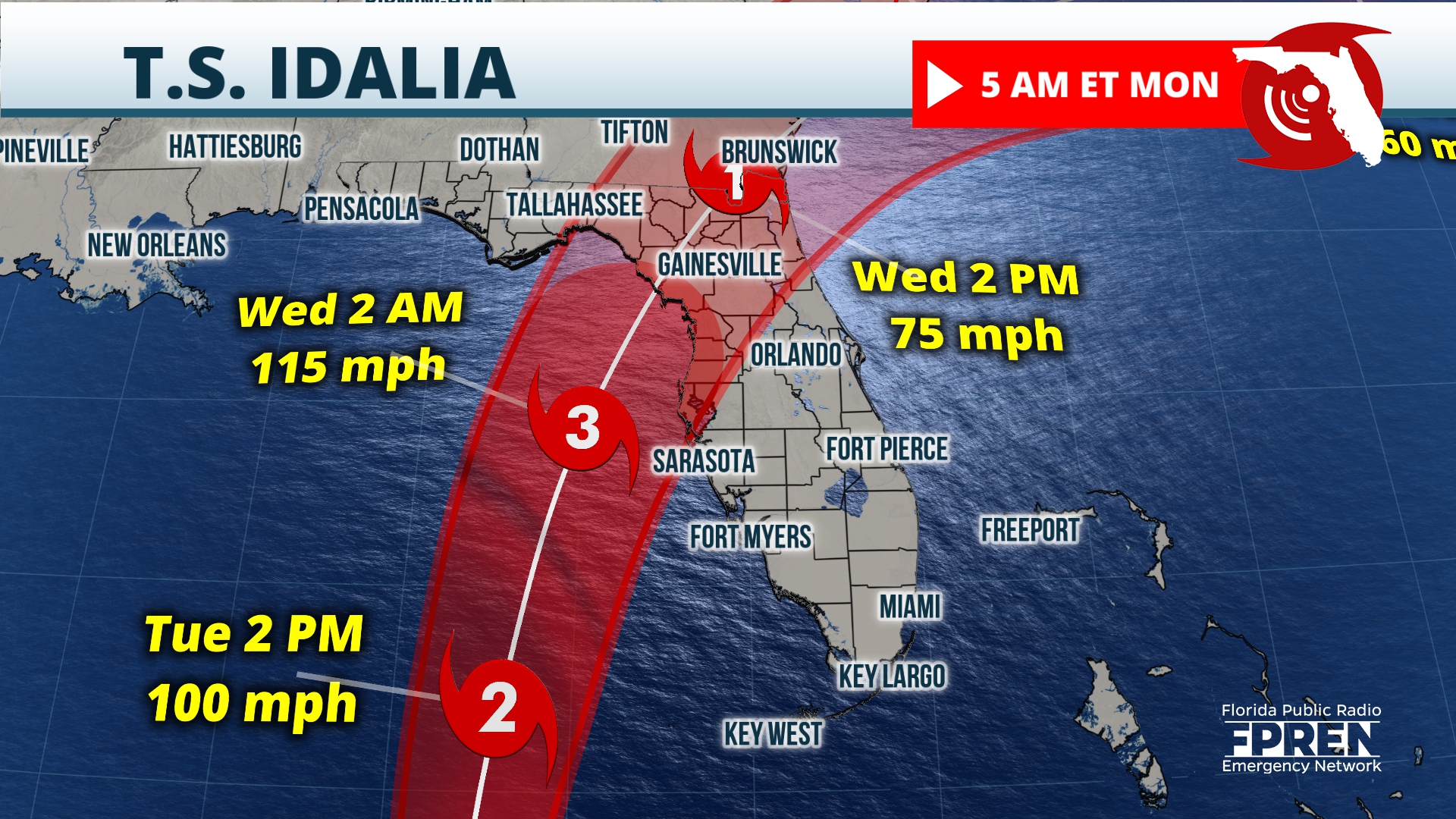
Understanding Florida’s Hurricane Season
Florida’s geographical location makes it a frequent target for tropical cyclones. Situated on the southeastern tip of the United States, it’s surrounded by the Atlantic Ocean and the Gulf of Mexico, both warm bodies of water that fuel hurricane development. The official Atlantic hurricane season runs from June 1st to November 30th each year, with the peak typically occurring from mid-August through October. During this period, atmospheric conditions are most favorable for storm formation and intensification.
The National Hurricane Center (NHC) in Miami, Florida, plays a pivotal role in monitoring these storms. They issue watches and warnings, providing crucial information to aid in preparation and evacuation efforts. Understanding the patterns of these storms can significantly influence travel plans, accommodation choices, and the overall experience of visiting Florida. For instance, booking a trip during the peak season might offer lower rates at some resorts or hotels, but it also comes with an increased risk of weather disruptions. Conversely, visiting outside the official season generally means calmer weather but potentially higher prices.
Peak Activity and Historical Trends
Historically, the most active months for hurricanes in Florida are September and October. This is when ocean temperatures are at their warmest, providing ample energy for developing storms. The storms that impact Florida can originate in the Atlantic Ocean or the Gulf of Mexico. Those forming in the Atlantic often move westward, while those in the Gulf can travel in various directions. The intensity and track of these storms vary greatly, from minor tropical storms that bring heavy rainfall to powerful Category 5 hurricanes that can cause catastrophic damage.
When considering a trip to Florida, especially to popular destinations like the Florida Keys, Orlando, or Miami, it’s wise to consult historical hurricane data. This can provide a broader context for understanding the potential risks and planning accordingly. For travelers seeking specific experiences, such as attending events at Walt Disney World or exploring the unique ecosystem of the Everglades National Park, knowing the hurricane season is paramount for a smooth and enjoyable journey. This knowledge empowers travelers to make informed decisions about travel dates, travel insurance, and even the type of accommodation they choose, whether it’s a beachfront villa or a more inland apartment.
Notable Hurricane Impacts on Florida
Florida has a long and well-documented history of enduring devastating hurricanes. Each storm leaves its mark, reshaping coastlines, impacting local economies, and influencing the lives of its residents. For those interested in the history of the state or the resilience of its communities, studying these events offers valuable insights. This section highlights some of the most significant hurricanes to have made landfall in Florida, providing a temporal context for the state’s vulnerability and preparedness.
Major Hurricanes and Their Landfall Dates

The sheer number of hurricanes that have impacted Florida is extensive, with many leaving a lasting legacy. Understanding specific dates allows for a more precise historical perspective.
- 1928 Lake Okeechobee Hurricane: This powerful storm caused immense flooding around Lake Okeechobee, leading to a significant loss of life. It serves as a grim reminder of the destructive potential of inland flooding associated with hurricanes.
- 1935 Labor Day Hurricane: A Category 5 storm that struck the Florida Keys with unprecedented fury, it remains one of the deadliest hurricanes to hit the United States. Its impact on the infrastructure of the Keys was profound, and it took years to rebuild.
- 1960 Hurricane Donna: This storm tracked across the entire state, impacting both the east and west coasts. It caused widespread damage and significantly disrupted life across Florida.
- 1992 Hurricane Andrew: A devastating Category 5 hurricane that made landfall in southern Miami-Dade County, Andrew caused an estimated $27 billion in damages (in 1992 dollars), making it one of the costliest natural disasters in U.S. history at the time. Its impact led to significant changes in building codes and disaster preparedness strategies across the state. The destruction in communities like Homestead was immense, highlighting the need for robust infrastructure and evacuation plans.
- 2004 Hurricane Season: This was an unusually active season for Florida, with four major hurricanes making landfall: Charley, Frances, Ivan, and Jeanne. These storms, hitting various parts of the state, caused extensive damage, widespread power outages, and significant disruption to tourism and daily life. Charley, in particular, was a fast-moving and intense storm that struck the southwest coast with little warning, while Frances and Jeanne brought prolonged periods of heavy rain and wind to the eastern coast.
- 2005 Hurricane Season: This season saw the infamous Hurricane Wilma, which made landfall in southwest Florida as a Category 3 storm. While not as intense at landfall as it was in its formative stages over the Yucatán Peninsula, Wilma still caused widespread damage across southern Florida, including extensive power outages in the Miami metropolitan area.
- 2017 Hurricane Irma: This massive Category 4 hurricane made landfall in the Florida Keys and then moved up the west coast of Florida. It brought significant storm surge to coastal areas and widespread power outages and wind damage throughout the state, affecting major cities like Naples and Tampa. The impact on tourism infrastructure was substantial, leading to closures of attractions and hotels for extended periods.
- 2022 Hurricane Ian: A powerful Category 4 storm that made landfall on the southwest coast of Florida near Fort Myers, Ian brought catastrophic storm surge and destructive winds. The island of Sanibel and surrounding areas were severely impacted, with widespread destruction of homes and infrastructure. The storm also caused significant flooding inland, affecting communities far from the coast.
These are just a few of the many hurricanes that have significantly impacted Florida. Each event offers lessons in preparedness, resilience, and the ongoing challenges of living in a hurricane-prone region. For travelers, understanding this history can lead to better planning, ensuring they choose destinations and travel times that align with their comfort levels regarding weather risks. It also underscores the importance of travel insurance for protecting investments in trips to these beautiful, yet occasionally formidable, destinations.
Planning Your Florida Trip with Hurricane Season in Mind
The prospect of a hurricane can be daunting, but with careful planning, it doesn’t have to derail your Florida vacation. Understanding the risks and knowing how to prepare can transform potential challenges into manageable situations, allowing you to still enjoy the diverse attractions and vibrant lifestyle that Florida has to offer. This section provides practical advice for travelers and those considering a long-term stay, focusing on informed decision-making.
Travel and Accommodation Strategies
When planning a trip to Florida, particularly during the hurricane season (June 1st to November 30th), it’s essential to be strategic.
- Timing Your Visit: While the entire season carries some risk, the likelihood of a major storm increases in September and October. If you are looking for the lowest risk, consider traveling in June, July, August, or early November. However, be aware that these months can also be very hot and humid, with frequent afternoon thunderstorms, which are common even outside of hurricane season.
- Booking Flexibility: Opt for flexible booking options for flights and accommodations. Many airlines and hotels offer policies that allow for free cancellations or rebooking in the event of a hurricane. This can provide peace of mind and financial protection. When booking a suite, resort, or villa, always inquire about their hurricane policies.
- Travel Insurance: Investing in comprehensive travel insurance is highly recommended for trips to Florida during hurricane season. Ensure your policy covers trip cancellations, interruptions, medical emergencies, and baggage loss due to weather events. Read the policy details carefully to understand what is and isn’t covered.
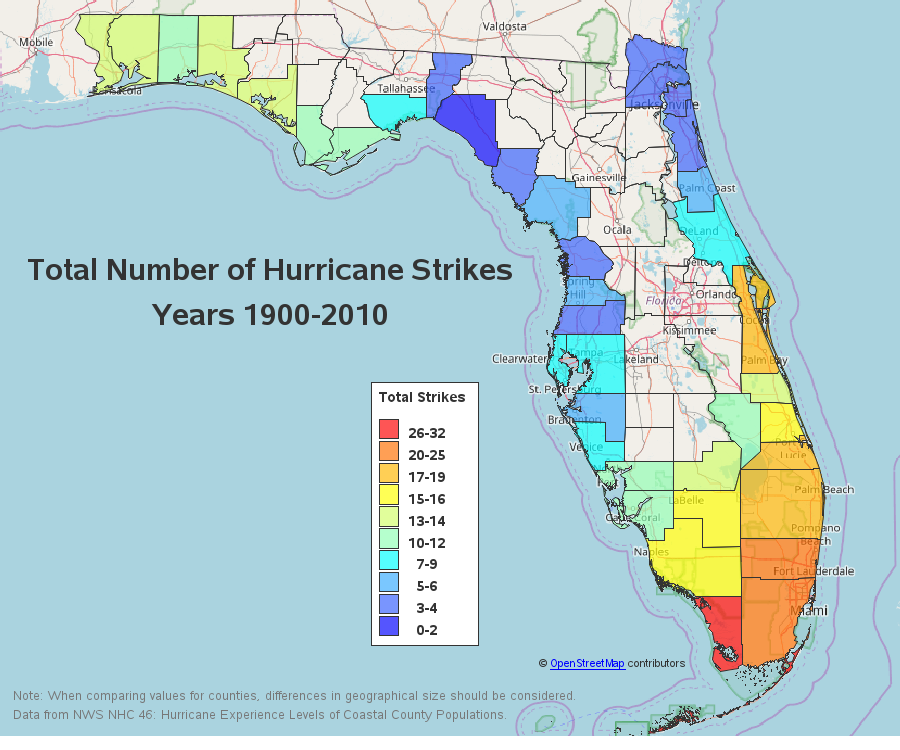
- Choosing Your Destination: Different regions of Florida have varying hurricane risks. Coastal areas are more susceptible to storm surge, while inland areas may face significant flooding and wind damage. Researching the historical hurricane tracks for your chosen destination can be insightful. For example, while the Florida Keys are beautiful, they are particularly vulnerable to storm surge. Inland cities like Orlando, while still affected by strong winds and rain, might experience less severe storm surge impacts compared to coastal cities like Fort Lauderdale or Clearwater.
- Accommodation Type: Consider the type of accommodation. A sturdy hotel in a central location might offer more safety and resources during a storm than a beachfront villa or a remote cabin. For longer stays, consider looking at apartments or houses with robust construction and good drainage. Websites offering booking, reviews, and comparison of accommodations can be invaluable tools.
Staying Informed and Prepared
Regardless of when you visit Florida, staying informed about potential weather threats is crucial.
- Monitor Official Sources: Keep a close eye on the National Hurricane Center (NHC) website, local news channels, and weather apps for the latest updates on tropical systems. Pay attention to watches and warnings issued for your area.
- Develop a Plan: Even if you are visiting for a short period, have a basic plan in case a storm approaches. Know where the nearest shelters are, identify evacuation routes, and have a communication plan with your travel companions.
- Emergency Kit: While not always feasible for short-term tourists, if you are on a longer stay or renting a property, having a basic emergency kit with essentials like water, non-perishable food, a flashlight, batteries, and a first-aid kit is advisable.
- Understand Local Guidelines: Familiarize yourself with local evacuation orders and guidelines issued by county emergency management officials. These are critical for ensuring your safety.
- Embrace Flexibility in Lifestyle: Whether you are on a luxury travel excursion, a budget travel adventure, a family trip, or a business stay, flexibility is key. Hurricanes can alter plans, so being adaptable will help you manage any disruptions and still make the most of your time in the Sunshine State. This might mean shifting your itinerary to explore landmarks further inland, enjoying indoor attractions, or even extending your stay if conditions permit.
By understanding the hurricane season, researching historical events, and planning with flexibility and preparedness in mind, visitors and residents can navigate the challenges of tropical weather and continue to enjoy the abundant offerings of Florida, from its stunning nature and rich history to its world-class attractions and diverse local culture.
LifeOutOfTheBox is a participant in the Amazon Services LLC Associates Program, an affiliate advertising program designed to provide a means for sites to earn advertising fees by advertising and linking to Amazon.com. Amazon, the Amazon logo, AmazonSupply, and the AmazonSupply logo are trademarks of Amazon.com, Inc. or its affiliates. As an Amazon Associate we earn affiliate commissions from qualifying purchases.