
The question of “When did Hurricane Katrina hit New Orleans, Louisiana?” conjures images of one of the most devastating natural disasters in modern United States history. For anyone planning to travel to this iconic Crescent City, understanding its recent past is crucial to appreciating its present vibrancy and resilience. Hurricane Katrina made landfall on the Gulf Coast on August 29, 2005, forever marking the landscape and spirit of New Orleans. While the storm itself was powerful, it was the catastrophic failure of the levee system protecting the city that led to the widespread flooding and humanitarian crisis that followed, leaving an indelible mark on its culture, infrastructure, and the very concept of tourism in its wake.
This event, though tragic, became a pivotal moment in New Orleans’ story, transforming it into a testament to human perseverance and community spirit. For travelers today, visiting New Orleans offers not just a chance to experience its unique music, food, and architecture, but also an opportunity to witness a city that rebuilt, recovered, and reinvented itself against incredible odds. Understanding the timeline and impact of Hurricane Katrina provides a deeper context for appreciating the city’s current appeal, from its historic landmarks to its burgeoning new neighborhoods, and the diverse experiences it offers every visitor.

The Storm’s Arrival and Immediate Impact
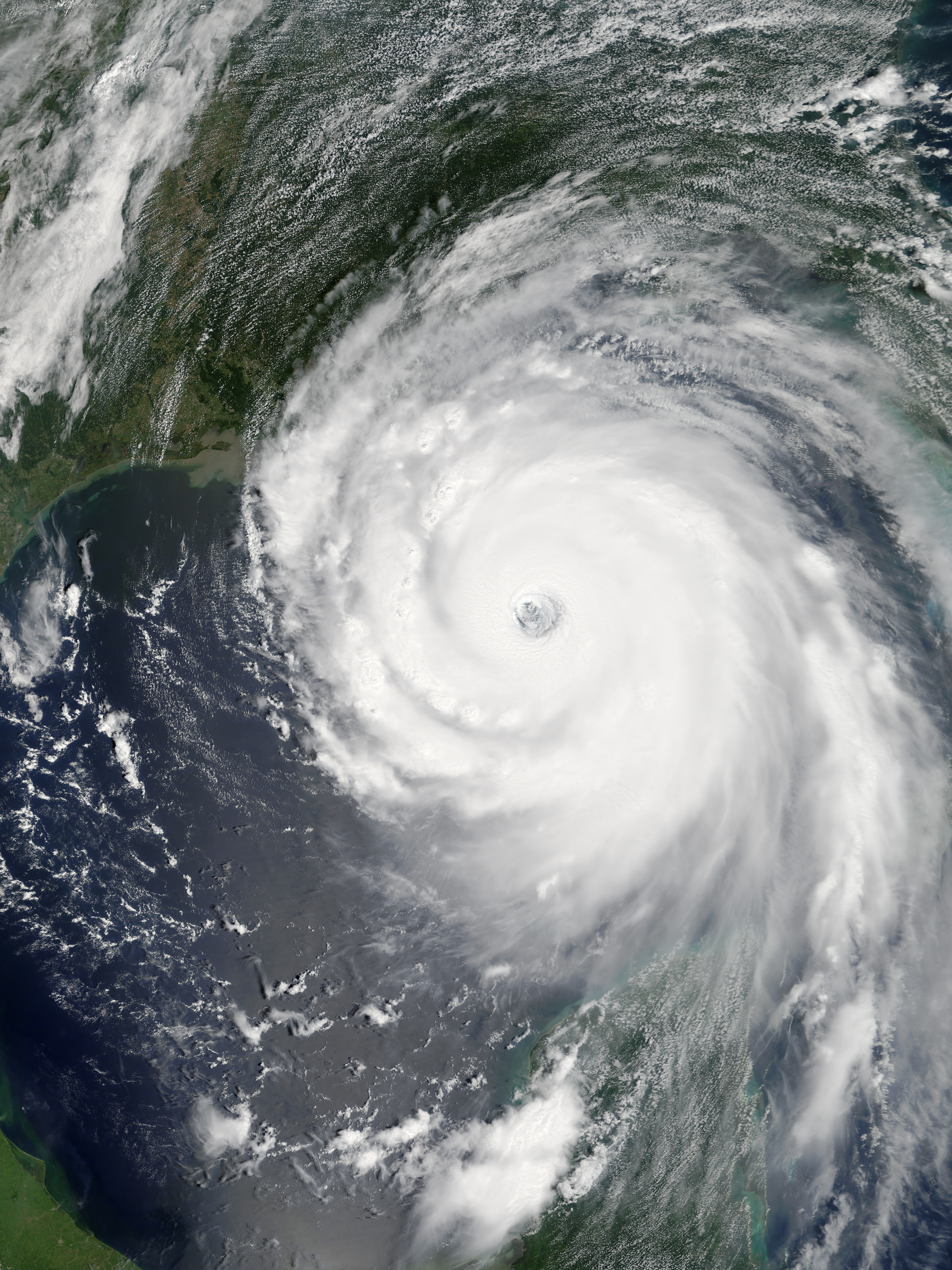
The story of Hurricane Katrina is multifaceted, beginning with its formation over the Bahamas on August 23, 2005. It quickly intensified into a Category 1 hurricane before making its initial landfall in Florida. However, it was its subsequent journey into the warm waters of the Gulf of Mexico that transformed it into a monstrous Category 5 storm, with sustained winds reaching 175 miles per hour (280 km/h). The city of New Orleans braced for impact, but few could have predicted the scale of the disaster that was about to unfold.
The Eve of the Storm: Evacuation and Anticipation
As Hurricane Katrina strengthened, forecasters issued increasingly dire warnings. On August 28, 2005, a mandatory evacuation order was issued for New Orleans, a city largely situated below sea level and highly vulnerable to storm surge. Hundreds of thousands of residents heeded the call, packing their cars and heading north, east, and west, primarily towards cities like Baton Rouge, Louisiana, and Houston, Texas. Highways became gridlocked as a massive exodus unfolded, a scene that many still remember vividly.
For those who could not leave, or chose not to, designated “shelters of last resort” were established, most notably the Louisiana Superdome. This iconic stadium, usually a venue for thrilling sports events and concerts, was converted into a temporary refuge for thousands of the city’s most vulnerable residents, anticipating a severe but manageable storm. The atmosphere was one of tense anticipation, a familiar feeling for many Gulf Coast residents accustomed to hurricane season, but the true scope of the coming catastrophe remained unimaginable. Hotels in the city were largely empty, their staff either evacuated or hunkering down, unaware that the industry would soon face an unprecedented challenge to its very existence.
Landfall and the Levee Breaches
On the morning of August 29, 2005, Hurricane Katrina made its second and most devastating landfall near Buras-Triumph, Louisiana, as a Category 3 storm. While the eye of the storm largely missed New Orleans itself, passing to the east, the city bore the brunt of its powerful northern and eastern eyewall, which brought immense storm surges and torrential rainfall. Winds howled, trees fell, and power outages became widespread. Initially, many believed New Orleans had dodged the worst, sustaining significant wind damage but largely spared from widespread flooding.
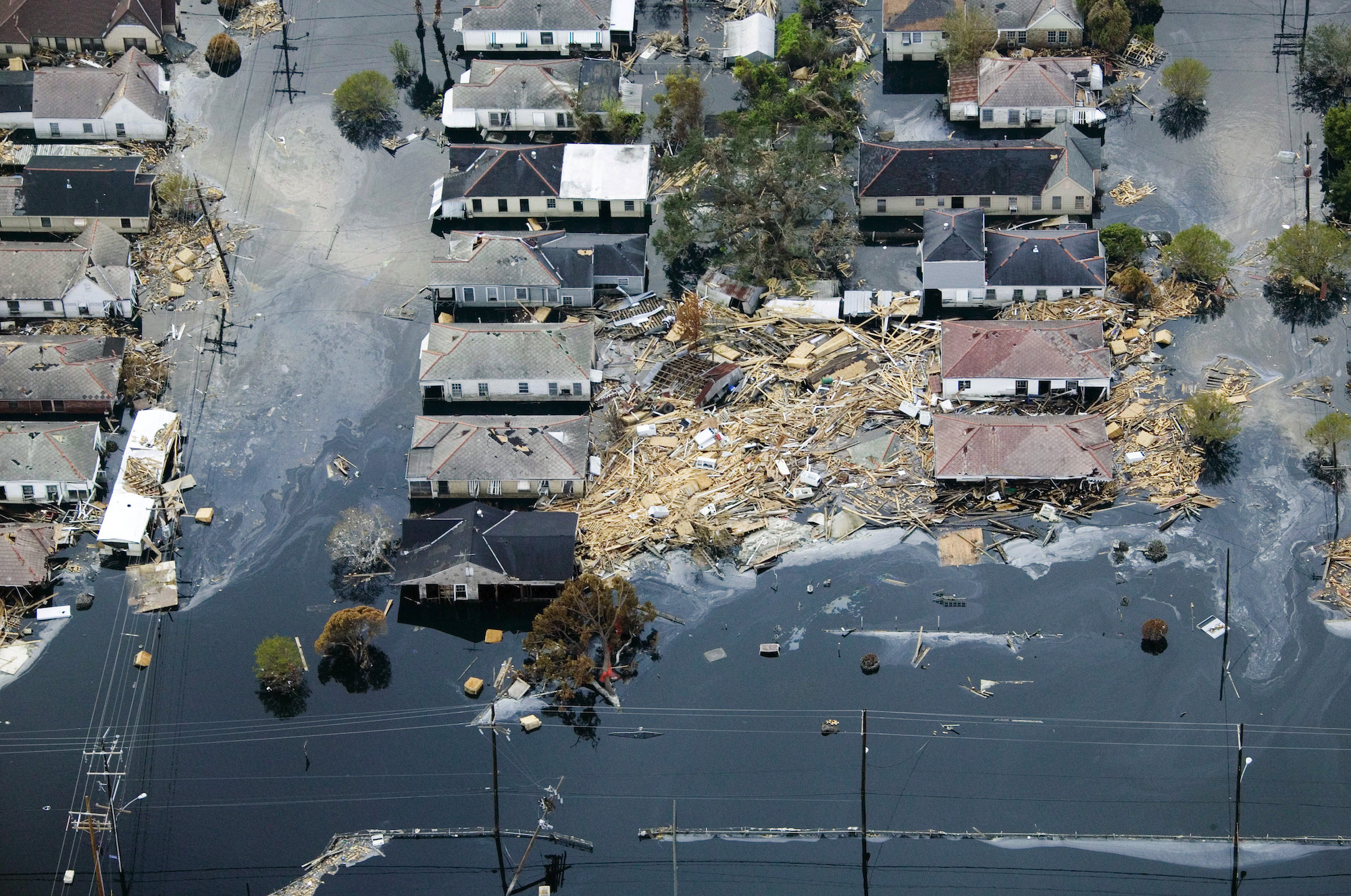
However, this brief sense of relief was shattered within hours. The massive storm surge, pushing water from the Gulf of Mexico and Lake Pontchartrain, overwhelmed the city’s outdated and poorly maintained levee system. Critical breaches occurred in multiple locations, particularly along the Industrial Canal, the 17th Street Canal, and the London Avenue Canal. Water poured into the bowl-shaped city, rapidly inundating vast areas. By the evening of August 29th and into August 30th, approximately 80% of New Orleans was underwater, in some places reaching depths of 15-20 feet. What started as a hurricane event quickly escalated into an unimaginable flood disaster, transforming neighborhoods into submerged landscapes and rendering countless homes, businesses, and iconic landmarks inaccessible or destroyed. The infrastructure of tourism—hotels, restaurants, attractions—was literally underwater.
A City Underwater: The Aftermath and Humanitarian Crisis
The days and weeks following Hurricane Katrina’s landfall were a period of unprecedented chaos, suffering, and uncertainty. The city of New Orleans, submerged and isolated, became the focal point of a national and international humanitarian crisis. The sheer scale of the devastation tested every aspect of disaster response and revealed critical flaws in preparedness and coordination.
The Devastation Across the Gulf Coast
While New Orleans garnered much of the media attention due to the levee failures, Hurricane Katrina’s wrath extended far beyond the Crescent City. The storm carved a path of destruction across the entire Gulf Coast, particularly in Mississippi and Alabama. Coastal towns like Biloxi and Gulfport, Mississippi, were obliterated by a record-breaking storm surge that, in some areas, reached 28 feet. Entire communities were swept away, leaving behind only foundations and debris. Casinos, hotels, and tourist attractions that lined the Mississippi coast were completely destroyed, illustrating the widespread impact on the tourism and hospitality industries across the region.
The economic and human toll was immense, with an estimated 1,833 fatalities attributed to the hurricane and its aftermath, and property damages exceeding $125 billion, making it one of the costliest natural disasters in U.S. history. The infrastructure that supports travel—roads, bridges, airports—was severely compromised, effectively cutting off large swathes of the Gulf Coast from the rest of the country. This widespread devastation meant that recovery efforts had to span an enormous geographical area, stretching resources and challenging conventional disaster response protocols.
Early Response and Challenges
The immediate aftermath in New Orleans was characterized by a desperate struggle for survival. Thousands of people trapped by floodwaters sought refuge on rooftops, overpasses, and in the few buildings that remained dry, like the Louisiana Superdome and the New Orleans Morial Convention Center. Conditions in these makeshift shelters rapidly deteriorated, with limited food, water, sanitation, and medical supplies. The response from local, state, and federal agencies, particularly the Federal Emergency Management Agency (FEMA), was widely criticized as slow and inadequate. Looting and civil unrest, fueled by desperation, added another layer of complexity to an already dire situation.
Rescue efforts, led by the Coast Guard, the National Guard, and a vast array of volunteers, involved daring helicopter rescues and boat patrols through submerged streets. Evacuation of the remaining population was a monumental task, transporting tens of thousands to facilities in other states. The city’s vital services, including hospitals, police, and fire departments, were overwhelmed and largely non-functional. The tourism industry, a lifeblood of the city’s economy, came to an absolute standstill. Hotels that weren’t flooded housed first responders or remained shuttered indefinitely. Restaurants, once buzzing with life, were silent and submerged. The entire urban fabric, designed to welcome and entertain, was now a scene of profound desolation, with no clear path to recovery immediately visible.
Rebirth and Resilience: New Orleans’ Journey Back
In the face of such overwhelming destruction, many questioned if New Orleans could ever truly recover. Yet, the spirit of the Big Easy, defined by its unique culture, unwavering community ties, and a profound sense of place, proved to be stronger than any storm. The journey back was long and arduous, marked by both immense challenges and inspiring triumphs, ultimately cementing New Orleans’ reputation as a city of remarkable resilience.
Rebuilding the Infrastructure and Community Spirit
The immediate challenge was to pump out the millions of gallons of water that flooded the city. This was a Herculean task, taking weeks, revealing a landscape of mud, debris, and widespread destruction. Following the dewatering, the focus shifted to rebuilding. The levee system, the very barrier that had failed, underwent a massive overhaul and upgrade, transforming into a $14.5 billion system of floodgates, pumps, and stronger levees designed to withstand a 100-year storm event. This monumental engineering feat was crucial for restoring confidence in the city’s future and ensuring the safety of its returning population and, eventually, its visitors.
Beyond infrastructure, the heart of New Orleans lay in its communities. Non-profit organizations, volunteer groups, and returning residents spearheaded efforts to clean up, repair, and rebuild homes and neighborhoods. Areas like the Lower Ninth Ward, which experienced some of the most catastrophic flooding, became symbols of both immense loss and the determination to rebuild, often with innovative and sustainable housing projects. The influx of volunteers from across the country played a vital role, not only in physical labor but also in boosting morale and demonstrating widespread support for the city’s recovery. This period also saw a resurgence of community-led initiatives, emphasizing self-reliance and the preservation of local traditions, which are now celebrated aspects of New Orleans’ lifestyle.
The Cultural Renaissance and Tourism Revival
Crucially for a city whose identity is so intertwined with its vibrant culture, the post-Katrina era witnessed a remarkable cultural renaissance. Musicians, artists, chefs, and performers who had been displaced began to return, bringing with them renewed passion and a commitment to keeping the city’s unique traditions alive. Festivals like Mardi Gras became powerful symbols of the city’s indomitable spirit, drawing tourists back even as parts of the city were still under reconstruction. The desire to experience New Orleans’ authentic culture became a driving force behind its tourism revival.
The hospitality industry, though hit hard, also played a crucial role in the rebirth. Hotels that could be salvaged were meticulously renovated, often incorporating modern amenities while preserving their historic charm. New hotels and boutique accommodations emerged, catering to a diverse range of travelers, from luxury seekers to budget-conscious adventurers. Restaurants, from world-renowned establishments to beloved local diners, reopened their doors, often with renewed vigor and innovation, reaffirming New Orleans’ status as a culinary mecca. The story of recovery became part of the city’s narrative, offering visitors a deeper, more meaningful experience beyond mere sightseeing. This resilience, born from adversity, transformed the city into an even more compelling destination for those seeking genuine cultural immersion and connection.
Visiting New Orleans Today: A Thriving Tourist Destination
Today, nearly two decades after Hurricane Katrina, New Orleans stands as a vibrant, thriving tourist destination, a testament to its enduring spirit and the collective efforts of its people. The scars of the past are still there for those who look closely, but they are overshadowed by a bustling city that celebrates life with unparalleled enthusiasm. For travelers, New Orleans offers an immersive experience, blending its rich history with contemporary flair, all while maintaining its unique identity.
Iconic Landmarks and Attractions Post-Katrina
Many of New Orleans’ most beloved landmarks and attractions, particularly those in higher-elevation areas like the French Quarter and the Garden District, sustained less direct flood damage and were among the first to reopen. Today, these areas are as enchanting as ever, inviting visitors to stroll through historic streets, admire antebellum architecture, and soak in the atmosphere. Jackson Square, with the majestic St. Louis Cathedral as its backdrop, remains a vibrant hub for artists, street performers, and fortune tellers. Nearby, Café Du Monde continues its centuries-old tradition of serving café au lait and beignets to locals and tourists alike, a must-do experience for any visitor.
The French Market, one of the oldest public markets in the United States, has been fully restored and expanded, offering a diverse array of goods from local crafts to international cuisine. Bourbon Street still lights up the night with its live music clubs and vibrant nightlife, attracting revelers from around the globe. Beyond the French Quarter, attractions like the National WWII Museum have expanded significantly, becoming a top-rated institution. The city’s beautiful parks, such as Audubon Park and City Park (home to the New Orleans Museum of Art and its Sculpture Garden), have also been meticulously restored and offer lush green spaces for relaxation and recreation. These landmarks not only survived but have thrived, embodying the city’s enduring appeal.
Accommodation and Lifestyle: Experiencing the Big Easy
The accommodation landscape in New Orleans is as diverse and welcoming as ever, catering to every budget and preference. From luxurious five-star resorts in the Central Business District to charming boutique hotels nestled in historic buildings of the French Quarter or Marigny, and cozy guesthouses in the Bywater, options abound. Many hotels, having undergone significant renovations or even complete rebuilds, now offer modern amenities while retaining the architectural character that makes New Orleans so special. Travelers can find suites with balconies overlooking bustling streets, intimate apartments perfect for long-term stays, or grand villas offering a taste of classic Southern elegance. Websites dedicated to accommodation comparison and reviews make booking an ideal stay seamless.
The lifestyle of New Orleans continues to be its greatest draw. It’s a city where music flows from every corner, culinary traditions are revered, and festivals are a way of life. Budget travelers can savor delicious street food, explore free outdoor music venues, and enjoy the vibrant atmosphere without breaking the bank. Luxury travelers can indulge in world-class dining, upscale shopping, and exclusive cultural experiences. Family trips will find attractions ranging from the Audubon Zoo to swamp tours. Even business stays are enhanced by the city’s unique charm, offering a memorable backdrop for conferences and events. The city’s residents, known for their warmth and hospitality, ensure that every visitor feels a part of the extended New Orleans family, sharing stories of resilience and celebrating the rebirth of a truly extraordinary destination. To visit New Orleans today is to engage with a city that not only remembers its past but also embraces its vibrant, hopeful future, inviting everyone to partake in its unique, unforgettable rhythm.
LifeOutOfTheBox is a participant in the Amazon Services LLC Associates Program, an affiliate advertising program designed to provide a means for sites to earn advertising fees by advertising and linking to Amazon.com. Amazon, the Amazon logo, AmazonSupply, and the AmazonSupply logo are trademarks of Amazon.com, Inc. or its affiliates. As an Amazon Associate we earn affiliate commissions from qualifying purchases.