
Hurricane Sandy, a colossal storm that dramatically impacted the East Coast of the United States, left an indelible mark on New York, both the state and the city. Its destructive force reshaped coastlines, disrupted daily life, and highlighted the vulnerability of urban centers to extreme weather events. For those who lived through it, experienced its aftermath, or are simply curious about its historical significance, understanding the timeline of Hurricane Sandy’s arrival in New York is crucial. This article delves into the precise timing of the storm’s landfall and its immediate effects on the Empire State.

The Approach of a Superstorm
The journey of Hurricane Sandy from the Caribbean to the Mid-Atlantic was a prelude to the chaos that would soon engulf New York. As Sandy intensified, meteorological models predicted a rare and potentially catastrophic confluence of factors: a massive storm surge, a full moon tide, and a direct or near-direct hit on a densely populated coastal region. The anticipation in New York was palpable as forecasts became increasingly dire, prompting widespread preparations and evacuations.
The Final Countdown: October 29th, 2012
The critical date for New York concerning Hurricane Sandy is October 29th, 2012. By this day, Sandy had already transformed into a monstrous “superstorm,” a term used to describe a storm that merges with a cold front, significantly expanding its size and impact. The storm’s unusual track, curving westward into the East Coast rather than following the typical northward trajectory offshore, meant that New York was directly in its path.
As the day progressed, New York City and its surrounding areas braced for impact. The city’s extensive subway system was shut down as a precautionary measure, a move not seen in decades. Power outages began to ripple through the boroughs as winds intensified. The iconic New York Harbor became a focal point of concern, with forecasters warning of unprecedented storm surges that threatened to inundate low-lying areas, including parts of Lower Manhattan, Coney Island, and the coastal communities of Queens and Staten Island.
The storm made its official landfall in New Jersey, near Brigantine, on the evening of October 29th, 2012, around 7:30 PM EDT. However, the impacts on New York were felt intensely and progressively throughout the day and into the night. The southeastern quadrant of the storm, which brought the most severe weather, was directly over New York.
The Peak of the Storm in New York
The most destructive phase of Hurricane Sandy in New York occurred on the evening of October 29th and into the early hours of October 30th, 2012. The storm surge, exacerbated by the astronomical high tide and the storm’s sheer size, was devastating. In New York City, water levels in many areas rose to historic highs, breaching seawalls and flooding streets, subway tunnels, and power substations.

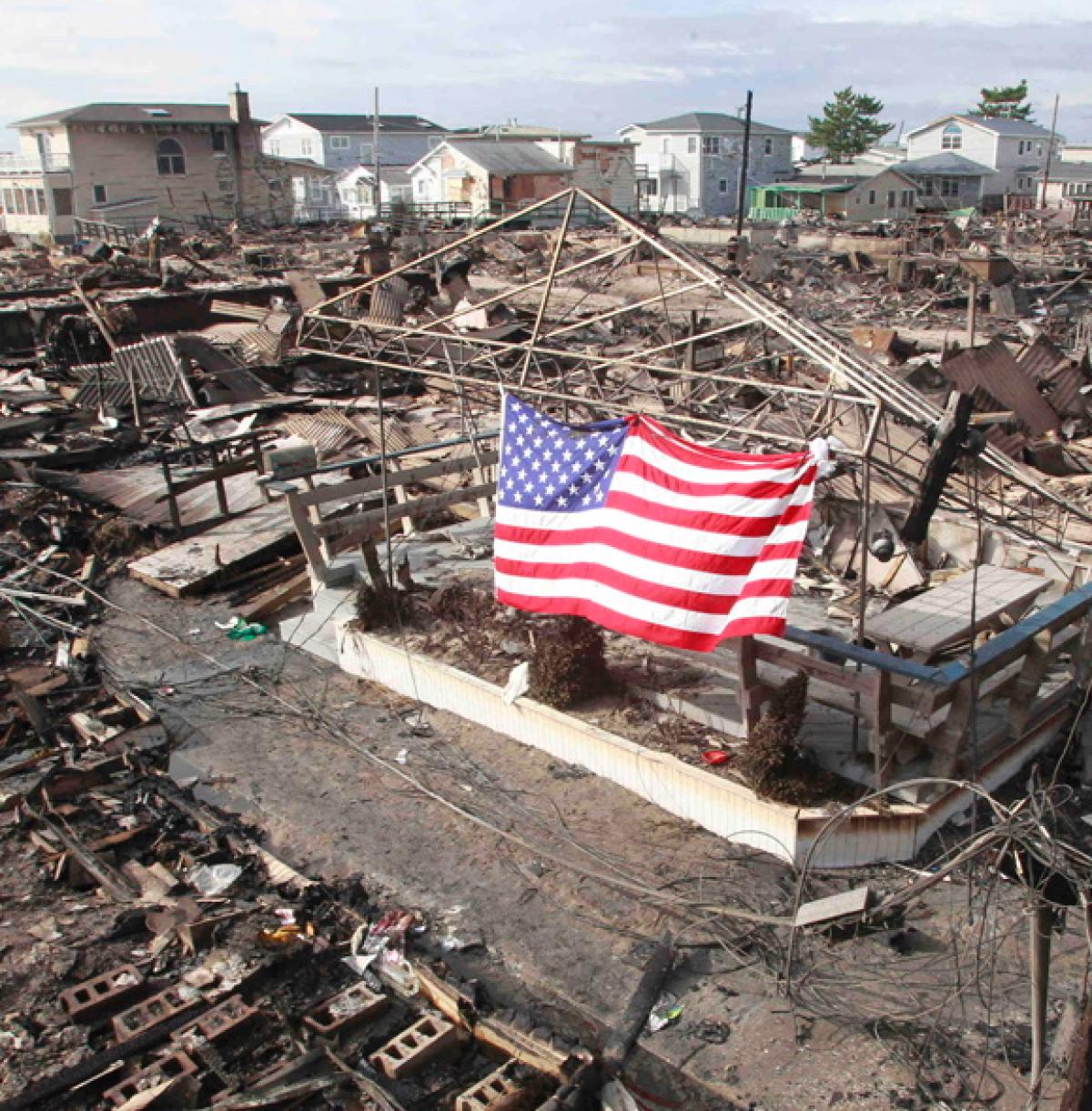
The Rockaway Peninsula in Queens experienced catastrophic damage, with entire blocks of homes swept away by the relentless waves. Staten Island‘s coastal neighborhoods suffered immense destruction, with many residences submerged or destroyed. Coney Island in Brooklyn saw its boardwalk severely damaged, and parts of the amusement park were inundated. Lower Manhattan experienced significant flooding, impacting financial districts and residential areas, leading to widespread power outages that plunged large portions of the city into darkness.
The winds, gusting over 90 miles per hour in some locations, caused widespread power outages by downing trees and utility lines. The interconnectedness of the city’s infrastructure meant that the failure of one system, like the power grid, had cascading effects on transportation, communication, and daily life.
Immediate Aftermath and Lingering Impacts
The immediate aftermath of Hurricane Sandy in New York was characterized by widespread damage, displacement, and a monumental recovery effort. The storm, which officially made landfall on October 29th, 2012, left millions without power and caused billions of dollars in damage across the state.
A City Under Repair: Days and Weeks Following the Storm
In the days and weeks following October 29th, New York grappled with the immense scale of the destruction. The primary focus was on restoring essential services, providing shelter and aid to displaced residents, and clearing debris. The iconic Statue of Liberty and Ellis Island temporarily closed to the public due to damage and accessibility issues, underscoring the widespread disruption.
Power restoration was a top priority, with utility companies working around the clock to restore electricity to affected neighborhoods. The Metropolitan Transportation Authority (MTA) faced a monumental task in repairing its flooded subway tunnels and damaged infrastructure, a process that took months for full restoration of all services. Many hotels and accommodations in affected areas, such as those in the Rockaways, suffered significant damage, impacting the tourism and hospitality sectors.
The resilience of New Yorkers was on full display as communities came together to support one another. Volunteers and aid organizations mobilized to distribute food, water, and supplies. The spirit of recovery, however, was tempered by the profound sense of loss and the long road ahead for rebuilding damaged homes and infrastructure.
Long-Term Repercussions and Preparedness
The lessons learned from Hurricane Sandy have had a lasting impact on New York‘s approach to disaster preparedness and climate resilience. The storm exposed vulnerabilities in coastal defenses and critical infrastructure, prompting significant investments in mitigation efforts.
For travelers and residents alike, understanding the history of such events is crucial for planning and awareness. While New York remains a vibrant and resilient city, the memory of October 2012 serves as a stark reminder of the power of nature and the importance of being prepared. The city has since undertaken numerous projects to strengthen its defenses against future storms, including elevating critical infrastructure and reinforcing seawalls. The experience of Hurricane Sandy has undoubtedly shaped the ongoing narrative of New York‘s relationship with its environment and its capacity for recovery.
LifeOutOfTheBox is a participant in the Amazon Services LLC Associates Program, an affiliate advertising program designed to provide a means for sites to earn advertising fees by advertising and linking to Amazon.com. Amazon, the Amazon logo, AmazonSupply, and the AmazonSupply logo are trademarks of Amazon.com, Inc. or its affiliates. As an Amazon Associate we earn affiliate commissions from qualifying purchases.