
Maine, often celebrated for its rugged coastline, pristine forests, and charming towns, holds a unique place in the history of the United States. Its journey to statehood is a fascinating tale interwoven with national political compromises and the steadfast will of its inhabitants. Far from being an original colony, Maine’s path to becoming the 23rd state in the Union was a distinct process, culminating in a significant moment in American history. This pivotal event not only shaped the future of New England but also had broader implications for the delicate balance of power within the nascent nation. Understanding when and how Maine achieved statehood provides a deeper appreciation for its rich heritage and the enduring spirit that defines this captivating destination today, making it a compelling subject for travelers interested in history, culture, and the natural world.
A Journey from Province to Sovereign State
Maine’s story as an independent state began not with a colonial declaration, but with a complex separation from its larger parent, Massachusetts. For centuries, what we now know as Maine was merely the “District of Maine,” a sparsely populated and geographically distinct territory governed from Boston. Its unique circumstances, coupled with shifting national politics, eventually paved the way for its own identity.
Early Beginnings and Colonial Ties
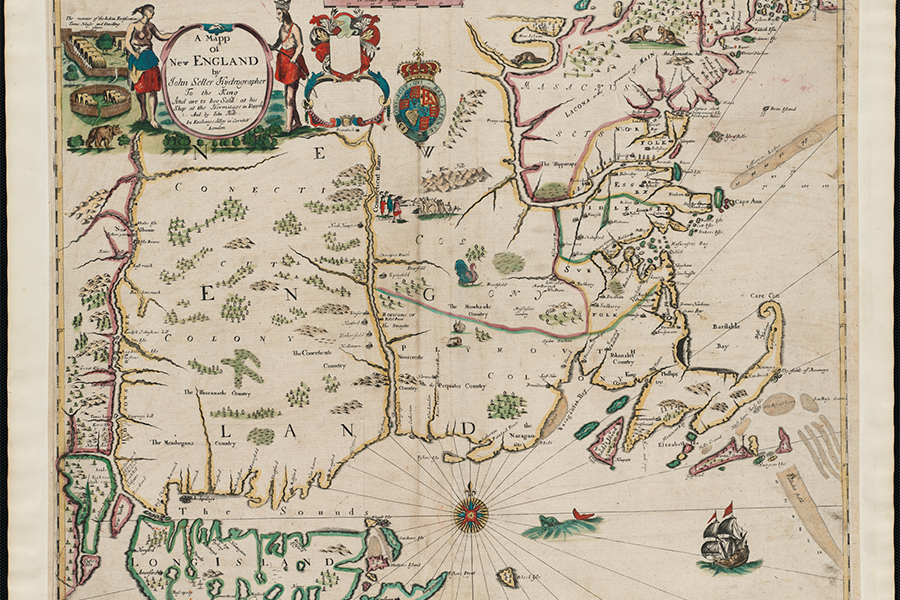
The earliest European settlements in Maine date back to the early 17th century, with scattered fishing and trading posts established by both English and French explorers. Over time, English influence solidified, and by the 1650s, the entire region had been formally incorporated into the Massachusetts Bay Colony. This administrative arrangement persisted for over 150 years, with Maine functioning essentially as a large, northern county of Massachusetts.
Life in the District of Maine was markedly different from that in the more settled parts of Massachusetts. Its economy was primarily based on logging, fishing, and shipbuilding, industries that thrived on its abundant natural resources and extensive coastline. The population, though growing, remained relatively small, and communities were often isolated by vast stretches of wilderness. This geographic and economic distinction naturally fostered a unique local identity, even while under the administrative umbrella of Massachusetts. The people of Maine often felt a disconnect from the political and economic centers of their governing state, leading to a growing sentiment for greater autonomy.
The American Revolution, while uniting the colonies against British rule, also highlighted some of these internal divisions. While Maine contributed significantly to the war effort, particularly through its maritime resources, the challenges of governance from a distant capital became more apparent during wartime. The subsequent Treaty of Paris (1783), which officially ended the war, established the northern border between the United States and British Canada, a border that would become particularly significant for Maine as it separated it further from central Massachusetts.

The Stirrings of Separation
As the United States began to forge its identity, the desire for separation from Massachusetts grew stronger within the District of Maine. Several factors fueled this burgeoning independence movement. Geographically, Maine was immense and geographically isolated from Boston, making effective governance and representation challenging. Travel between the two regions was arduous, often involving long sea voyages or difficult overland journeys. This distance meant that the concerns of Maine’s residents often felt overlooked by the Massachusetts General Court.
Economically, Maine’s resource-based industries, particularly timber and shipping, often had different needs and priorities than the more mercantile and agricultural economy of southern Massachusetts. Local grievances over taxation, land disputes, and the lack of investment in Maine’s infrastructure further exacerbated tensions. The War of 1812 particularly underscored these feelings of neglect. During the war, British forces occupied parts of Maine, notably along the eastern coast, and many residents felt Massachusetts did not provide adequate protection, further solidifying the argument that Maine needed its own government and defense capabilities.
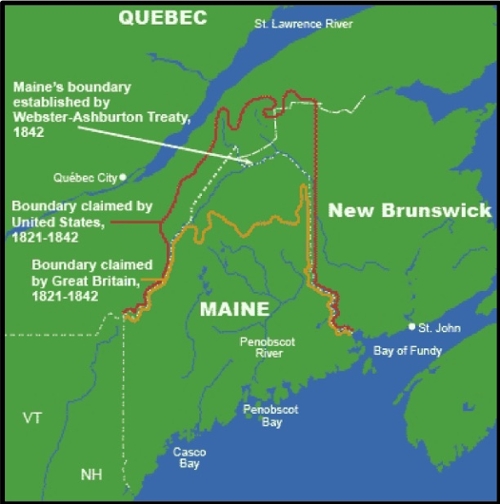
By the late 1810s, the call for statehood had become a powerful political force in Maine. Conventions were held, petitions were circulated, and prominent figures advocated tirelessly for separation. This local movement coincided with a critical juncture in national politics, setting the stage for Maine’s eventual entry into the Union.
The Missouri Compromise: Maine’s Path to Statehood
Maine’s quest for independence finally intersected with a much larger national debate: the expansion of slavery. In 1819, Missouri applied for statehood as a slave state, threatening to upset the delicate balance of power in the U.S. Senate, which at the time had an equal number of free and slave states. The ensuing congressional deadlock was fierce, with both sides unwilling to concede ground.
It was out of this national crisis that the solution, known as the Missouri Compromise, emerged. Proposed by Henry Clay, the compromise sought to maintain the sectional balance by admitting Missouri as a slave state while simultaneously admitting Maine as a free state. This ingenious political maneuver resolved the immediate crisis, allowing both territories to achieve statehood without altering the numerical equality between free and slave states in the Senate.
On March 15, 1820, President James Monroe signed the bill, officially declaring Maine the 23rd state of the United States. This date marks the culmination of decades of local aspirations and a pivotal moment in American history, allowing Maine to finally chart its own course. The new state quickly established its government, with Augusta eventually becoming its capital. This historic event forever changed the map of New England and laid the foundation for the vibrant state we know today.
Exploring Maine’s Historical Roots Today: Landmarks and Culture
The historical narrative of Maine’s statehood is not just a collection of dates and political maneuvers; it is deeply embedded in the very fabric of the state, influencing its culture, architecture, and identity. For travelers, exploring these historical roots offers a rich layer to any visit, connecting the past to the present through tangible landmarks and enduring traditions.
Portland, Maine: A Port City Steeped in History
No exploration of Maine’s historical roots would be complete without a visit to Portland. As Maine’s largest city and a significant port for centuries, Portland played a crucial role in the state’s economic development and its journey towards independence. The city’s Old Port district, with its cobblestone streets and historic brick buildings, harks back to its maritime past, when ships laden with timber, fish, and other goods sailed in and out of its bustling harbor. Today, the Old Port is a vibrant hub of shops, restaurants, and galleries, but its historic architecture vividly tells stories of its resilience through fires and economic shifts.
Beyond the Old Port, other landmarks provide glimpses into Portland’s storied past. The iconic Portland Head Light in Cape Elizabeth, commissioned by George Washington, stands as a testament to Maine’s crucial maritime heritage and its vital role in coastal navigation. Visitors can explore the museum housed in the former keeper’s quarters. Further inland, the Victoria Mansion, a pre-Civil War brownstone, offers a lavish look into the life of a wealthy 19th-century merchant, reflecting the city’s economic prosperity during its early statehood. The Wadsworth-Longfellow House, the childhood home of poet Henry Wadsworth Longfellow, provides insights into domestic life and literary culture of the era. For families, the Children’s Museum & Theatre of Maine offers interactive exhibits that often touch upon local history and culture in an engaging way. A stroll along the Eastern Promenade provides stunning views of Casco Bay and the historic islands that dot the horizon, once crucial for defense and trade.
Beyond Portland: Tracing Statehood Across Maine
While Portland offers a concentrated historical experience, Maine’s history as a distinct entity and then a new state can be traced across its diverse regions. Augusta, as the state capital, houses the majestic Maine State House, a landmark designed by Charles Bulfinch and completed in 1832, shortly after statehood. This building serves as the political heart of Maine and a symbol of its self-governance.
Further north, towns like Bath showcase Maine’s enduring maritime legacy. Known as “The City of Ships,” Bath has a rich shipbuilding history that predates statehood and continued to flourish afterward. The Maine Maritime Museum in Bath provides an excellent deep dive into this heritage, featuring historic vessels, exhibits on lobstering, and the impressive Wyoming sculpture, commemorating the largest wooden schooner ever built.
Even in destinations renowned for their natural beauty, history is never far away. Acadia National Park on Mount Desert Island, while celebrated for its stunning landscapes, also holds a deep history of indigenous populations and early European exploration. Hiking trails like those around Cadillac Mountain, the highest point on the U.S. Atlantic coast, offer breathtaking vistas, and the historic Bass Harbor Head Light stands as another testament to coastal life. Exploring these areas allows visitors to appreciate both the natural splendor and the historical context that has shaped Maine over centuries, from its original inhabitants to its establishment as a state.
Modern Maine: A Premier Travel Destination
The historical foundation laid by Maine’s journey to statehood has paved the way for it to become one of New England’s most cherished and diverse travel destinations. Today, Maine offers an incredible array of experiences, appealing to every type of traveler, from those seeking luxurious escapes to adventurous families and budget-conscious explorers.
Accommodation and Lifestyle for Every Traveler
Maine’s accommodation landscape is as varied as its geography. For those desiring an indulgent experience, luxury resorts and boutique hotels dot the coast and charming towns. The White Barn Inn in Kennebunkport, an Auberge Resorts Collection property, offers unparalleled elegance, gourmet dining, and spa services, epitomizing the high-end Maine lifestyle. Similarly, the Camden Harbour Inn in Camden provides a blend of historic charm and modern luxury with stunning views of Penobscot Bay. For a truly unique stay, visitors can find charming bed & breakfasts in historic homes, or even explore opportunities to stay near a lighthouse, like those around the Pemaquid Point Light, offering a taste of coastal solitude and history.
For families or those on a budget, Maine offers numerous options ranging from comfortable chain hotels in cities like Bangor and Portland to cozy cabins in the wilderness or vacation rentals in popular beach towns like Old Orchard Beach. Long-term stays are also popular, particularly during the summer, with many visitors opting for weekly cottage rentals that allow them to immerse themselves fully in the local lifestyle. Whether you prefer a sprawling resort with all amenities, a rustic cabin by a lake, or a chic urban apartment, Maine provides diverse choices to fit any travel style and budget.
Culinary Delights and Local Experiences
Maine’s cuisine is legendary, deeply rooted in its natural bounty. The state is synonymous with fresh lobster, and experiencing a traditional lobster bake or savoring a succulent lobster roll is an essential part of any visit. Beyond lobster, Maine offers an abundance of fresh seafood, from scallops and clams to oysters and haddock. Farm-to-table dining is also a strong culinary trend, with restaurants throughout the state showcasing locally sourced produce, artisanal cheeses, and high-quality meats.
The state is also famous for its wild blueberries, celebrated in pies, jams, and craft beverages. Craft breweries and distilleries have flourished, offering unique local brews and spirits often infused with local ingredients. Visitors can explore farmers’ markets, attend food festivals like the Maine Lobster Festival in Rockland, or take culinary tours that delve into the state’s gastronomic heritage. Beyond food, local culture thrives through art galleries in Kennebunkport and Ogunquit, live music venues in Portland, and traditional events like maritime festivals and agricultural fairs, providing authentic experiences that connect visitors to the soul of Maine.
Activities and Attractions: From Coast to Mountains
Maine’s diverse landscape offers an endless array of activities. The coastline, with its dramatic cliffs, sandy beaches, and thousands of islands, is perfect for whale watching tours, kayaking, sailing, and exploring picturesque harbors like Boothbay Harbor or Bar Harbor. Historic schooners, such as the Schooner Stephen Taber, offer unique windjammer cruises, allowing travelers to experience the coast as sailors once did.
Inland, the vast forests and mountains provide opportunities for hiking, mountain biking, and wildlife viewing. Acadia National Park is a prime example, offering trails ranging from easy coastal strolls to challenging ascents up Somes Sound cliffs. For serious adventurers, the legendary Appalachian Trail culminates at Mount Katahdin in Baxter State Park, offering some of the most challenging and rewarding hikes in the Eastern United States. In winter, Maine transforms into a wonderland for skiing and snowboarding at resorts like Sugarloaf and Sunday River.
Beyond outdoor pursuits, Maine boasts a vibrant arts scene, with numerous galleries, theaters, and museums. Shopping experiences range from the outlets in Kittery to unique boutiques in towns like Freeport, home to the flagship store of L.L.Bean. Family-friendly attractions like the Coastal Maine Botanical Gardens in Boothbay and numerous nature centers provide educational and entertaining experiences for all ages.
Planning Your Trip to Maine: Tips and Practicalities
A trip to Maine promises unforgettable experiences, but a little planning can ensure a seamless and enjoyable journey, integrating historical exploration with modern leisure.
Best Time to Visit and Getting Around
The best time to visit Maine largely depends on the desired activities. Summer (June to August) is peak season, offering warm weather perfect for beaches, boating, and hiking. However, it also means larger crowds and higher prices for accommodation. Fall (September to October) is breathtaking, with vibrant foliage across the state, ideal for scenic drives and apple picking. Spring (April to May) brings blooming wildflowers and fewer tourists, while winter (November to March) offers excellent skiing, snowshoeing, and cozy lodge stays, along with the charm of festive holiday events.
Getting to Maine is straightforward. Portland International Jetport (PWM) is the largest airport, with smaller regional airports in Bangor and Presque Isle. Many visitors also drive, taking scenic routes through other New England states like New Hampshire and Vermont. Once in Maine, a car is highly recommended for exploring the diverse regions, especially if venturing beyond the major cities. Public transportation is limited outside of Portland, but guided tours and scenic ferry services (e.g., to Monhegan Island) offer alternatives for specific excursions.
Essential Tips for a Memorable Maine Experience
- Book Accommodation Early: Especially during peak summer and fall foliage seasons, popular hotels, resorts, and vacation rentals fill up quickly. Booking several months in advance is advisable to secure your preferred choices and potentially better rates.
- Embrace the Outdoors: Pack layers, sturdy shoes, and rain gear, as Maine’s weather can be unpredictable. Sunscreen and insect repellent are also must-haves for outdoor activities.
- Savor Local Flavors: Don’t leave without trying fresh lobster, blueberries, and perhaps a bottle of local Moxie, Maine’s official soft drink. Explore farmers’ markets and local eateries for authentic culinary experiences.
- Respect Nature and Local Communities: Maine’s natural beauty is its greatest asset. Practice leave-no-trace principles, stay on marked trails, and support local businesses responsibly.
- Explore Beyond the Tourist Hotspots: While destinations like Portland, Kennebunkport, and Acadia are fantastic, consider venturing to lesser-known gems in York County, Lincoln County, or Cumberland County for a more tranquil and authentic Maine experience. Engage with locals, who are often happy to share their favorite spots and stories.
- Consider a Travel Guide: For historical insights or specialized activities like fishing or kayaking, a local guide can significantly enhance your experience, offering expertise and access that might otherwise be missed.
From its pivotal role in the Missouri Compromise to its current status as a top-tier travel destination, Maine’s history as a state is rich and continues to unfold. Whether drawn by the allure of its past or the promise of its vibrant present, visitors to Maine will discover a place where history, nature, and hospitality converge to create truly unforgettable memories.
LifeOutOfTheBox is a participant in the Amazon Services LLC Associates Program, an affiliate advertising program designed to provide a means for sites to earn advertising fees by advertising and linking to Amazon.com. Amazon, the Amazon logo, AmazonSupply, and the AmazonSupply logo are trademarks of Amazon.com, Inc. or its affiliates. As an Amazon Associate we earn affiliate commissions from qualifying purchases.