
California, a state renowned for its innovation, progressive policies, and diverse landscapes, has long been at the forefront of cannabis reform. The journey to full legalization for adult-use marijuana was a complex, multi-stage process that fundamentally reshaped the state’s legal, economic, and cultural fabric, significantly impacting its tourism sector. For visitors planning a trip to the Golden State, understanding this timeline and the current legal framework is crucial to navigating its unique cannabis culture responsibly. This insightful exploration delves into the pivotal moments that led to legalization, offering a comprehensive guide to how it has influenced tourism and what travelers need to know.

The Groundwork: Medical Cannabis Legalization in California
The seeds of cannabis legalization in California were planted decades before recreational use became a reality. The state was a pioneer in recognizing the medicinal value of cannabis, setting a precedent that would inspire other states across the United States.
Proposition 215: A Landmark Beginning
The pivotal moment arrived on November 5, 1996, with the passage of Proposition 215, also known as the Compassionate Use Act. This groundbreaking ballot initiative made California the first state in the nation to legalize medical marijuana. Proposition 215 allowed seriously ill patients to possess and cultivate marijuana for personal medical use with a physician’s recommendation. This was a monumental shift, providing legal protection for patients and their primary caregivers against state criminal charges.
The passage of Proposition 215 was a response to growing public awareness of cannabis’s therapeutic benefits, particularly for individuals suffering from conditions like cancer, AIDS, glaucoma, and chronic pain. Activists and patient advocates, including Dennis Peron and Brownie Mary Rathbun, spearheaded the movement, highlighting the compassionate need for access to alternative treatments. While revolutionary, Proposition 215 was broad in its language, leading to years of legal interpretation and varying local regulations. This initial step, however, laid the essential foundation for further reform and began to normalize discussions around cannabis.
The Evolving Landscape of Medical Use
Following Proposition 215, the medical cannabis industry in California grew organically, albeit with a lack of consistent statewide oversight. Dispensaries, cultivation sites, and delivery services emerged to meet patient demand, operating under a patchwork of local ordinances. The state attempted to bring more structure to this nascent industry with subsequent legislation. The Medical Marijuana Program Act of 2003 established a voluntary state identification card program for qualified patients.
However, it wasn’t until the Medical Cannabis Regulation and Safety Act (MCRSA) in 2015 that California implemented a comprehensive statewide licensing and regulatory framework for medical cannabis businesses. MCRSA introduced distinct license types for cultivation, manufacturing, testing, distribution, and dispensing, aiming to bring greater legitimacy and safety to the medical market. While MCRSA was a significant step, its provisions were largely superseded and integrated into the broader regulatory framework established by recreational legalization just a year later.
The Watershed Moment: Recreational Legalization
The momentum from medical legalization, coupled with shifts in public opinion and successful recreational initiatives in other states like Colorado and Washington, paved the way for adult-use cannabis in California.
Proposition 64: A New Era Dawns
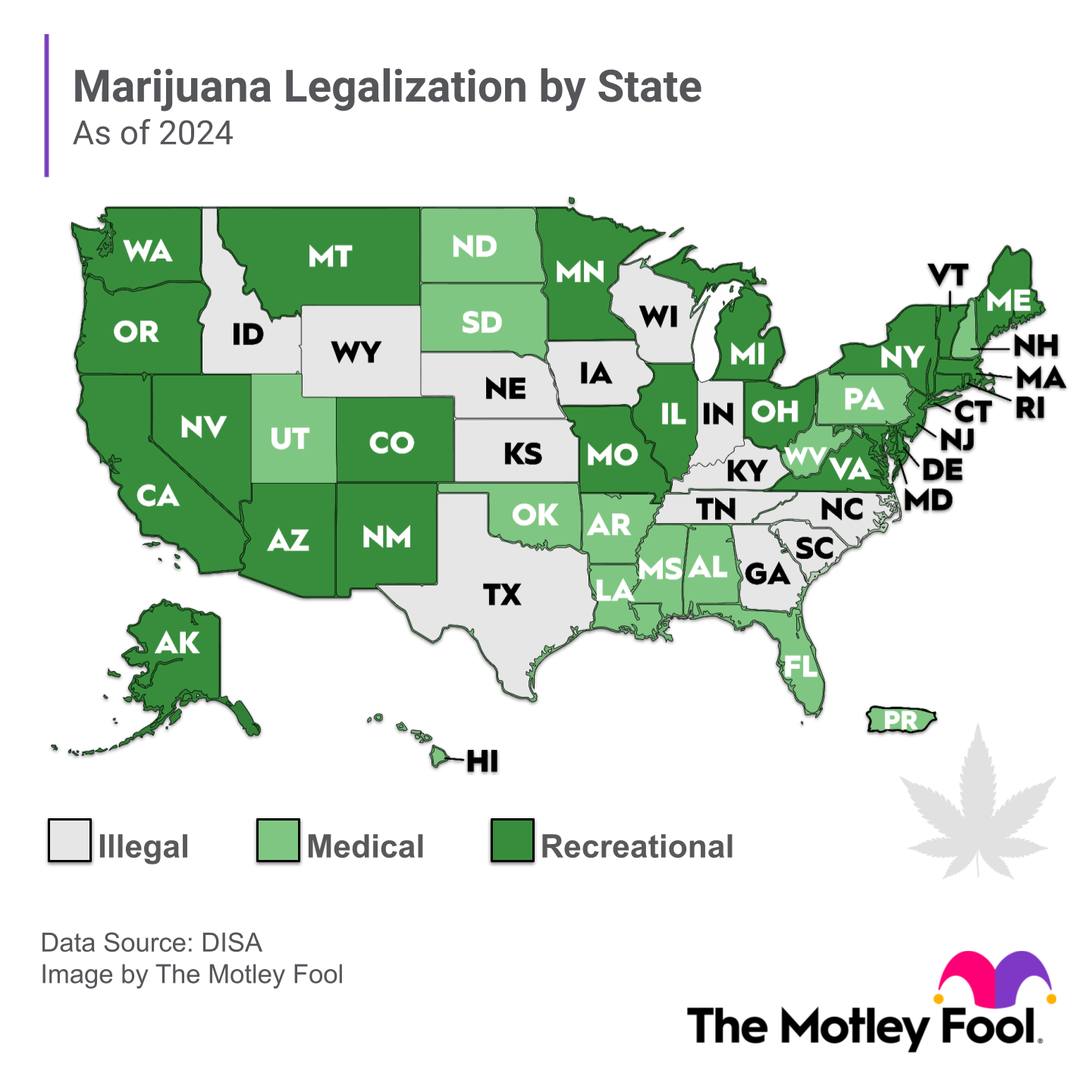
On November 8, 2016, California voters overwhelmingly approved Proposition 64, also known as the Adult Use of Marijuana Act (AUMA). This marked the definitive moment for recreational legalization, making it legal for adults 21 years or older to possess and consume cannabis for non-medical purposes. The passage of Proposition 64 was a monumental victory for cannabis reform advocates, instantly making California the largest legal cannabis market in the world.
Key provisions of Proposition 64 included:
- Allowing adults 21 and over to possess up to 1 ounce (28.5 grams) of cannabis and 8 grams of concentrated cannabis.
- Permitting adults to cultivate up to six cannabis plants at home for personal use.
- Establishing a framework for the licensing and regulation of recreational cannabis businesses, including cultivation, manufacturing, distribution, testing, and retail sales.
- Imposing state taxes on cultivation and retail sales, with revenues earmarked for youth programs, environmental restoration, and public safety.
While Proposition 64 passed in November 2016, the legal framework for commercial recreational sales took over a year to implement.
Implementation and Market Dynamics
Commercial recreational cannabis sales officially began on January 1, 2018. This date saw the opening of numerous licensed dispensaries across the state, particularly in cities that had quickly established local ordinances to permit such businesses. Cities like Los Angeles, San Francisco, and Oakland were among the first to welcome the new legal market, generating significant tax revenue and creating a regulated industry.
The implementation phase presented its own challenges, including a complex web of state and local regulations, high taxes, and a persistent illicit market. However, the legal market has steadily matured, offering a diverse array of products, from traditional flower and edibles to concentrates, tinctures, and topicals, all subject to rigorous testing and labeling requirements to ensure consumer safety. This regulated environment ensures that tourists purchasing cannabis from licensed dispensaries can do so with confidence in product quality and legality.
Cannabis and California Tourism: A Budding Industry
With recreational legalization, California quickly emerged as a premier destination for cannabis tourism, attracting visitors interested in exploring this unique aspect of the state’s culture.
From Dispensaries to Destinations: The Rise of Cannabis Tours
The legalization created an entirely new niche within California’s robust tourism industry: cannabis tourism. No longer relegated to hushed back rooms, cannabis experiences are now openly marketed and cater to a wide range of interests. Tourists can visit high-end dispensaries that resemble upscale boutiques, offering knowledgeable budtenders who guide them through product selections.
Beyond retail, a variety of cannabis-centric tours and experiences have sprung up. These include:
- Dispensary Tours: Guided visits to multiple dispensaries, often including behind-the-scenes insights into product sourcing and brand philosophies.
- Cultivation Tours: Expeditions to cannabis farms, particularly in regions like the Emerald Triangle (comprising Humboldt, Mendocino, and Trinity counties), where visitors can learn about the cultivation process from seed to sale.
- Cannabis-Friendly Experiences: Activities such as infused dinners, cannabis cooking classes, painting sessions with a cannabis twist, and even cannabis-friendly yoga or spa treatments.
- Festivals and Events: Throughout the year, various cannabis festivals, expos, and trade shows provide opportunities for enthusiasts to learn, network, and celebrate cannabis culture.
These offerings allow tourists to engage with cannabis in an educational, entertaining, and immersive way, much like wine tourism in Napa Valley or craft beer tours in San Diego.
Experiencing California’s Cannabis Culture Responsibly
For many tourists, California’s legal cannabis market represents a novel opportunity to experience a previously illicit substance in a safe, regulated environment. This openness has fostered a unique cannabis culture that is integrated into the broader California lifestyle, from wellness practices to social gatherings. While the availability is exciting, responsible engagement is paramount. Businesses in the cannabis tourism sector emphasize education and moderation, ensuring visitors have a positive and safe experience. Understanding the effects of different products, starting with low doses, and consuming in appropriate settings are key aspects of this responsible approach.
Navigating the Legal Landscape: Tips for Visitors
While legal, cannabis consumption in California is subject to strict regulations that visitors must be aware of to avoid legal issues.
Understanding Consumption Laws and Purchase Limits
The most fundamental rule for tourists is that cannabis can only be purchased from licensed dispensaries. These establishments will verify age (21+) with a valid government-issued ID.
- Purchase Limits: Adults aged 21 and over can purchase up to 1 ounce (28.5 grams) of non-concentrated cannabis or 8 grams of concentrated cannabis per day.
- Potency Limits: Edibles are limited to 10 milligrams of THC per serving and 100 milligrams per package. This is a critical detail for tourists, as edibles can have delayed and more intense effects. It’s often advised to “start low and go slow.”
- Types of Products: Licensed dispensaries offer a vast array of products, including flower, pre-rolls, vape cartridges, edibles, tinctures, topicals, and more. All products are tested for potency and contaminants, and their THC/CBD content is clearly labeled.
Public vs. Private Use: Where Can You Indulge?
Despite legalization, public consumption of cannabis remains illegal in California. This includes sidewalks, parks, beaches, restaurants, bars, and any place where tobacco smoking is prohibited.
- Private Property: The safest and most legal place to consume cannabis is on private property, out of public view. This typically means a private residence.
- Hotels and Rentals: Many hotels and rental properties, including those booked through services like Airbnb, have strict no-smoking policies, including for cannabis. It’s essential to check with the property owner or management before consuming. Some cannabis-friendly accommodations are beginning to emerge, but they are still niche.
- Designated Consumption Lounges: A growing number of cities, such as West Hollywood and Palm Springs, are allowing licensed cannabis consumption lounges. These are often attached to dispensaries and provide a legal and social space for consumption. Visitors should seek these out for a public, yet legal, experience.
- Driving Under the Influence: Driving under the influence of cannabis is strictly illegal and carries severe penalties, similar to alcohol. It is crucial to arrange for alternative transportation if consuming cannabis.
Interstate Travel and Federal Regulations
One of the most important considerations for tourists is the conflict between state and federal law. While legal in California, cannabis remains federally illegal.
- Crossing State Lines: It is illegal to transport cannabis across state lines, even if both states have legalized it.
- Airports: Possessing cannabis at airports, even within California, is technically illegal under federal law. While some airports in California (like LAX) have adopted “don’t ask, don’t tell” policies for small amounts, travelers should be aware of the federal jurisdiction. It is never permissible to take cannabis on an airplane.
Beyond the Bud: Broader Impacts on California’s Tourism Profile
The legalization of marijuana has had far-reaching effects on California’s economy and its global image as a tourist destination.
Economic Contributions and Tax Revenue
The legal cannabis industry in California generates substantial tax revenue for the state and local governments. These funds are allocated to various public services, including education, healthcare, infrastructure, and programs aimed at mitigating the negative impacts of illicit drug use and previous cannabis prohibition. The industry also creates thousands of jobs across cultivation, manufacturing, retail, and ancillary services, contributing significantly to the state’s economy. While direct cannabis tourism revenue is hard to separate, the existence of a legal market undoubtedly draws visitors who spend money not only on cannabis products but also on accommodation, food, and other attractions, boosting the overall tourism ecosystem.

Shaping California’s Image as a Progressive Destination
The decision to legalize recreational cannabis further solidified California’s reputation as a progressive and forward-thinking state. For many international and domestic travelers, the ability to legally access cannabis is an appealing aspect of the California experience, aligning with its image as a place of innovation, freedom, and diverse cultural offerings. This has attracted a new segment of tourists seeking destinations that offer unique and liberal experiences. [California](https://lifeoutofthebox.com/california] is now often mentioned in the same breath as Amsterdam or Denver as a top cannabis-friendly destination, enriching its tourism profile beyond its traditional attractions of beaches, theme parks, and national parks.
In conclusion, marijuana became legal for medical use in California on November 5, 1996, with Proposition 215, and for recreational adult use on November 8, 2016, with Proposition 64, with commercial sales commencing on January 1, 2018. This journey has not only transformed the state’s legal landscape but also profoundly impacted its tourism sector, creating new opportunities for exploration and enjoyment while demanding responsible engagement from visitors.
LifeOutOfTheBox is a participant in the Amazon Services LLC Associates Program, an affiliate advertising program designed to provide a means for sites to earn advertising fees by advertising and linking to Amazon.com. Amazon, the Amazon logo, AmazonSupply, and the AmazonSupply logo are trademarks of Amazon.com, Inc. or its affiliates. As an Amazon Associate we earn affiliate commissions from qualifying purchases.