
The cultural phenomenon that defined the aesthetic of the 1980s and permanently altered the global perception of a major Florida metropolis premiered on September 16, 1984. Miami Vice did not just arrive as a television procedural; it descended upon the airwaves like a neon-drenched fever dream, forever intertwining the sleek, pastel-colored architecture of Miami with the adrenaline of high-stakes law enforcement. For those who track the history of iconic television settings, understanding the timeline of this series is essential to appreciating how it transformed the city into a global United States landmark.
The Cultural Impact of the 1984 Debut
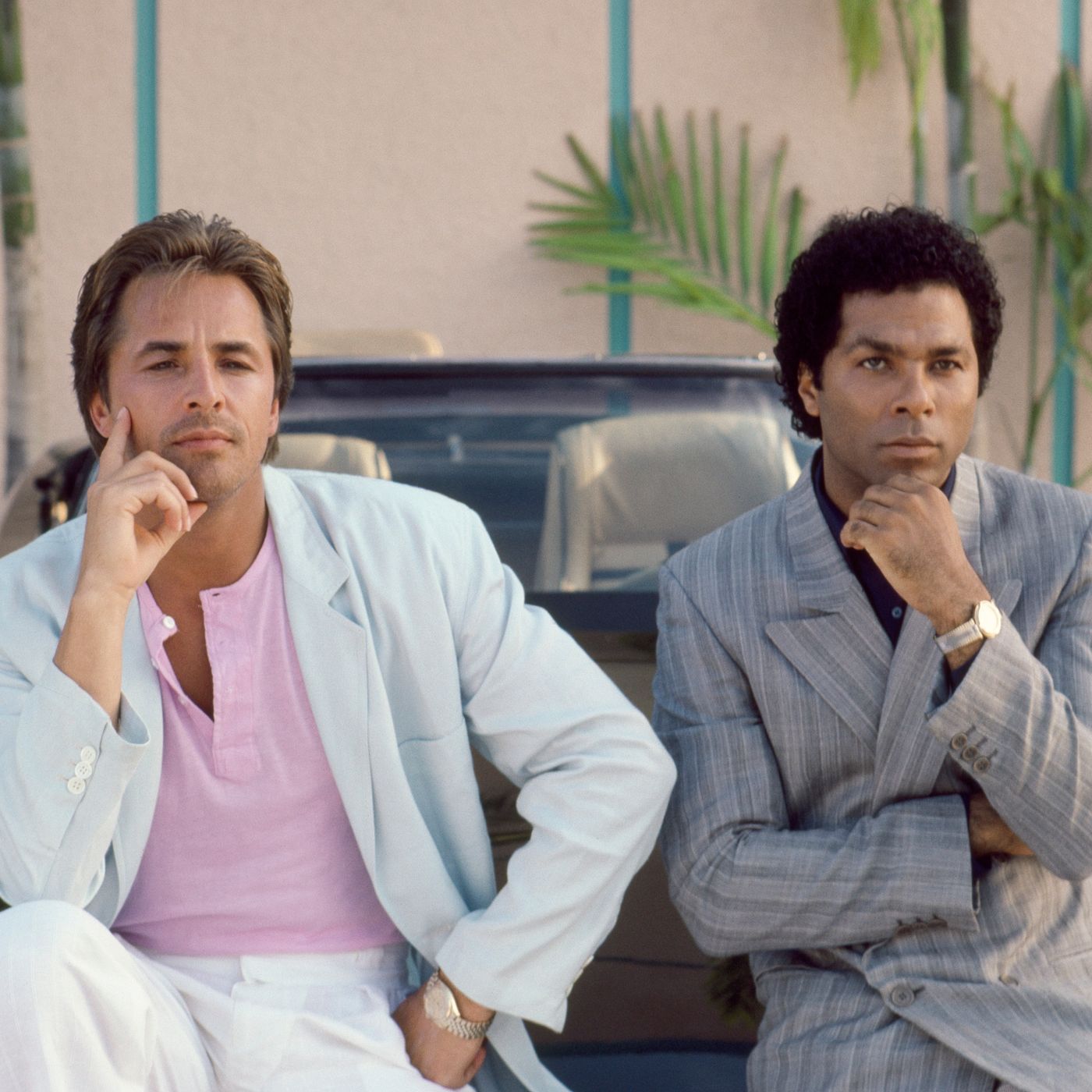
When the two-hour pilot episode first aired on NBC, it introduced audiences to the sun-drenched, dangerous, and stylish world of Detectives James “Sonny” Crockett and Ricardo “Rico” Tubbs. The show ran for five seasons, concluding its original broadcast run on January 25, 1989. During those five years, Miami shifted from being viewed as a struggling, crime-ridden port city to becoming an international beacon of Art Deco chic and nightlife glamour.

Setting the Stage: The Art Deco District
The series was instrumental in revitalizing interest in the Art Deco Historic District. By filming on location across South Beach, producers highlighted the geometric shapes, pastel facades, and sun-bleached beauty of the area’s historic architecture. Before the show, much of this district was considered dilapidated or ignored by the mainstream tourism industry. The show’s production designers purposefully used the vibrant, peeling paint and turquoise ocean vistas as a canvas for the show’s high-contrast cinematography.
A Masterclass in Visual Tourism
The impact of the show on travel trends was immediate. Viewers from around the globe were captivated by the sight of white Testarossas cruising along the Ocean Drive boulevard. This visual language created a lasting brand for the city, positioning it as a place where luxury, danger, and beauty intersected. It remains one of the most successful examples of “location-based marketing” in television history, prompting a surge in interest from travelers eager to witness the vibrant energy of South Florida for themselves.
Iconic Locations That Defined an Era
Throughout the five-year tenure of the series, several specific spots became synonymous with the show’s gritty yet glamorous identity. These sites eventually grew into must-visit destinations for fans of pop culture history and architecture enthusiasts alike.
The Biltmore Hotel and Beyond
While the show utilized a wide array of locales, the presence of structures like the Biltmore Hotel in nearby Coral Gables helped ground the series in the grand historical narrative of the region. The showrunners had an eye for architecture that transcended typical procedural backdrops, often choosing locations that showcased the Mediterranean Revival style alongside the more ubiquitous Art Deco.
Yachting Culture and the Waterfront
Living on a houseboat moored at a local marina was a core part of Crockett’s character identity. This brought the Biscayne Bay into millions of living rooms, establishing the waterfront as a central character in the show’s ecosystem. Today, boat tours through this region remain one of the most popular activities for visitors who want to experience the same coastal views that provided the backdrop for the show’s intense boat chase scenes.
Tourism Evolution: From Screen to Street
The legacy of the show persists in how the local tourism industry continues to package the city today. When tourists arrive in Miami Beach, they are often looking for the ghosts of this era—the neon signs, the tropical breeze, and the unmistakable rhythm of the city that the show helped to codify in the collective consciousness.
Preservation as a Tourist Attraction
The Miami Design Preservation League played a significant role in the years following the show’s peak, ensuring that the visual aesthetic championed by the series was protected. Because the series brought such worldwide attention to the unique structural history of the area, a movement began to restore and preserve these buildings rather than replace them. As a result, when you walk the streets today, you are walking through the same historical geography that was immortalized during those five seasons in the 1980s.
The Enduring Appeal of the Neon Aesthetic
Travelers visiting Florida today frequently cite the visual vibrancy of the region as a primary draw. The “Miami Vice effect” is still a tangible force in the hospitality sector. Hotels and boutique resorts throughout Collins Avenue continue to lean into the pastel-and-neon interior design trends that were popularized during the show’s run. It is a rare instance where a piece of fiction actively shaped the physical landscape and continues to dictate the interior design preferences of modern luxury accommodations.
Legacy and Future Outlook
While Miami Vice aired its final episode in 1989, the imprint it left on the city is permanent. The show demonstrated that television could serve as a travelogue, inviting viewers to explore beyond their own borders and seek out the specific locations that provided the thrill of the screen.
The Gateway to Latin America
Beyond the aesthetics, the show also hinted at the city’s role as a cultural bridge between the United States and the broader Americas. This multicultural infusion, often depicted through the show’s music and guest character archetypes, mirrored the real-world evolution of the city. Today, Miami is celebrated as a hub of international commerce and a diverse, multicultural epicenter, a transformation that was just beginning to take root during the mid-80s production period.

Tips for Modern Visitors
For those planning a trip to experience the remnants of this iconic era:
- Take a Walking Tour: Many groups specialize in architecture tours of South Beach, providing context on how the buildings seen on screen helped save the district from demolition.
- Visit at Night: The city truly comes alive after the sun sets, much like the show’s nighttime exterior sequences. The neon lights on Ocean Drive provide a perfect atmosphere for photography and dining.
- Explore Beyond the Coast: While the beach gets all the fame, exploring the inland historic neighborhoods offers a deeper look at the architectural styles that have made this city a perennial travel favorite.
Whether you are a die-hard fan of the show or simply a traveler looking to soak in the vibrant atmosphere of South Florida, the legacy of the program remains embedded in every corner of the cityscape. The show’s premiere in 1984 did more than just provide entertainment; it turned a city into a global landmark and ensured that the world would never look at a palm tree or a pastel building the same way again.
LifeOutOfTheBox is a participant in the Amazon Services LLC Associates Program, an affiliate advertising program designed to provide a means for sites to earn advertising fees by advertising and linking to Amazon.com. Amazon, the Amazon logo, AmazonSupply, and the AmazonSupply logo are trademarks of Amazon.com, Inc. or its affiliates. As an Amazon Associate we earn affiliate commissions from qualifying purchases.