
The question of when slavery officially ended in Mississippi is a complex one, interwoven with the tumultuous events of the American Civil War and the subsequent Reconstruction era. While the Emancipation Proclamation declared enslaved people in Confederate-held territories free in 1863, its immediate practical impact in Mississippi was limited. True emancipation, recognized and enforced by federal authority, arrived later. Understanding this timeline requires examining the legal, military, and social forces that converged to dismantle the institution of slavery in the Magnolia State.
The Emancipation Proclamation and Its Limited Reach
President Abraham Lincoln‘s Emancipation Proclamation, issued on January 1, 1863, was a pivotal moment in the fight against slavery. However, its scope was intentionally strategic. It declared “all persons held as slaves” within the rebellious states to be “thenceforward, and forever free.” Crucially, it did not apply to the border states that remained loyal to the Union or to Confederate territories already under Union control.

The Strategic Context
The Proclamation was primarily a wartime measure designed to weaken the Confederacy. By encouraging enslaved people to escape to Union lines and join the fight against their former masters, Lincoln aimed to disrupt the Southern economy and bolster the Union army. For enslaved people within Mississippi, the Proclamation offered hope and a beacon for freedom, but its immediate enforcement depended entirely on the advance of Union forces.
Freedom on the Front Lines
As Union armies pushed into Mississippi, pockets of freedom began to emerge. Enslaved individuals who managed to reach Union encampments were indeed liberated. This process was often chaotic and fraught with danger, as enslaved people risked severe punishment or death if caught attempting to flee. The Proclamation served as a declaration of intent, a legal framework for freedom, but the reality on the ground was a gradual and often violent unfolding of this promise, dictated by the ebb and flow of military campaigns.
The Thirteenth Amendment: A Constitutional End to Slavery
While the Emancipation Proclamation was a significant step, it did not abolish slavery constitutionally. The institution of slavery remained legal in the Union border states and could, in theory, have been reinstated after the war if the Confederacy had been victorious and negotiated terms that preserved it. The definitive end to slavery across the entire United States came with the ratification of the Thirteenth Amendment to the Constitution.
The Push for Constitutional Abolition
Following the Civil War, a consensus began to build, even among some former Confederates, that slavery was indefensible. The immense human cost of the war and the moral imperative to end the subjugation of millions made constitutional abolition a necessity for national reconciliation and progress.
Ratification in Mississippi
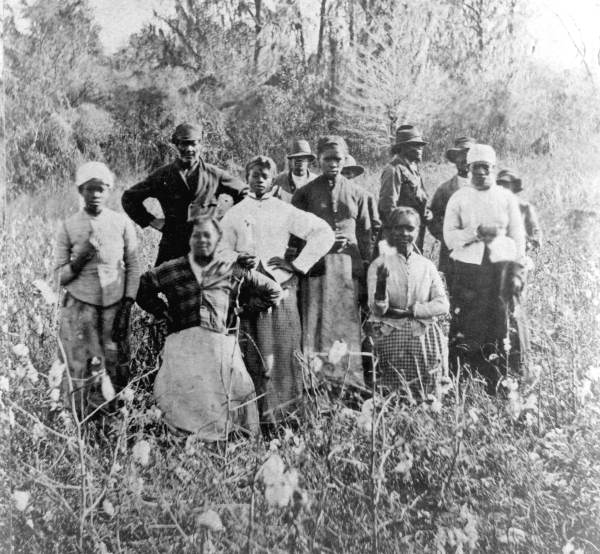
The Thirteenth Amendment was passed by Congress in January 1865 and sent to the states for ratification. For former Confederate states, ratification was a condition for readmission into the Union. Mississippi, deeply impacted by the war and under the control of federal authorities during the Reconstruction period, became a focal point for this process.
The process of ratification was not without its challenges. The amendment officially abolished slavery and involuntary servitude, except as punishment for a crime. Its ratification by the states officially ended slavery nationwide.
The historical record indicates that Mississippi ratified the Thirteenth Amendment on December 2, 1865. This date is significant as it marked the formal, constitutional abolition of slavery within the state, aligning it with the national decree.
The Immediate Aftermath and Reconstruction
The end of slavery in Mississippi did not immediately usher in an era of full equality or prosperity for the newly freed African Americans. The Reconstruction era that followed was a period of immense social, political, and economic upheaval.
Transition and Challenges
The transition from enslavement to freedom was incredibly difficult. Millions of people, suddenly liberated, had to navigate a society that was still largely hostile to their presence and rights. Issues of economic self-sufficiency, education, and political participation became paramount. Freedpeople sought to reunite families, establish their own communities, and gain access to land and opportunities.
Federal Intervention and Resistance
The federal government, through Reconstruction policies, attempted to protect the rights of freedmen and rebuild the South. This included efforts to establish public education, ensure voting rights, and provide legal recourse. However, these efforts were met with fierce resistance from white Southerners who sought to reassert control and maintain a social order that mirrored aspects of the pre-war system.

The Black Codes and Beyond
In the immediate aftermath of the war, as federal troops began to withdraw or their influence waned, Mississippi enacted a series of laws known as the Black Codes. These codes, while not re-establishing chattel slavery, severely restricted the freedom of African Americans, dictating where they could work, travel, and assemble. They were designed to ensure a cheap labor force and to maintain white supremacy.
The fight for true freedom and equality was far from over. The end of slavery was a monumental step, but it was the beginning of a long and arduous journey for African Americans in Mississippi and across the nation, a journey that would involve further struggle for civil rights and social justice. The legacy of slavery and the fight for emancipation continue to shape the historical narrative and cultural identity of the state.
LifeOutOfTheBox is a participant in the Amazon Services LLC Associates Program, an affiliate advertising program designed to provide a means for sites to earn advertising fees by advertising and linking to Amazon.com. Amazon, the Amazon logo, AmazonSupply, and the AmazonSupply logo are trademarks of Amazon.com, Inc. or its affiliates. As an Amazon Associate we earn affiliate commissions from qualifying purchases.