
The question of when New York became a state is a pivotal moment in American history, marking the transition from colonial rule to self-governance. While many associate New York with its iconic New York City, its journey to statehood is a rich tapestry woven with Dutch, English, and revolutionary threads. Understanding this historical evolution offers a deeper appreciation for the state’s enduring significance, from its bustling urban centers to its serene natural landscapes. This exploration will delve into the key events that shaped New York‘s path to statehood and how its past continues to influence its present as a premier destination for travel, tourism, and lifestyle.
The Colonial Crucible: From New Netherland to New York
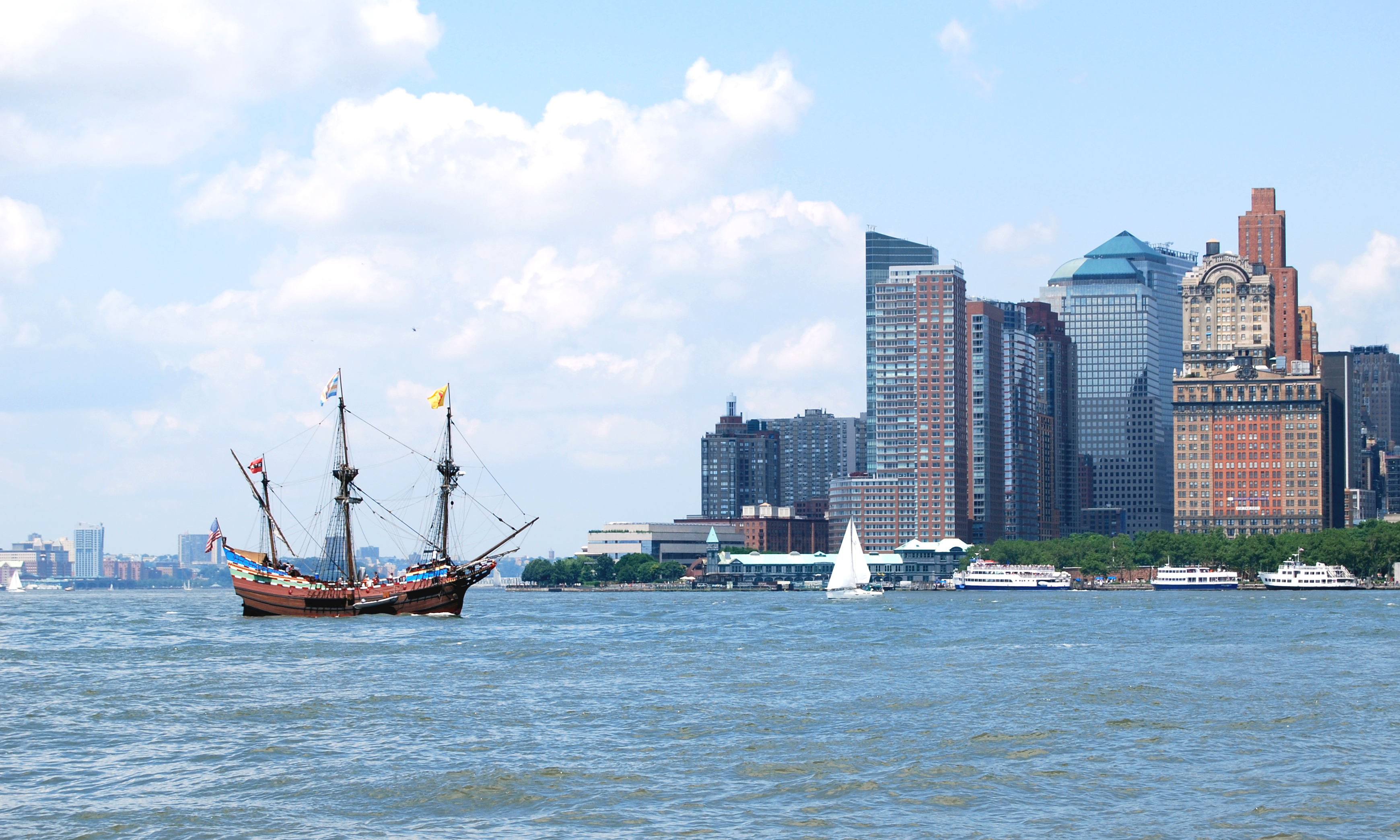
Before it was a state, New York was a colony, and before that, a trading post. The story begins with the Dutch West India Company, which established New Netherland in the early 17th century. Their primary settlement, New Amsterdam, was strategically located on the southern tip of Manhattan Island, serving as a vital hub for the fur trade. This bustling port was purchased from the Lenape people, a foundational transaction that, while problematic by modern ethical standards, laid the groundwork for future development.
The Dutch influence, though significant, was destined to be short-lived. In 1664, during a period of Anglo-Dutch rivalry, the English fleet arrived in New Amsterdam harbor. Without firing a shot, the colony surrendered to the English forces led by Colonel Richard Nicolls. The English promptly renamed the city New York in honor of the Duke of York, who later became King James II of England. This marked a dramatic shift in governance, ushering in a new era under English rule.
The English administration brought its own set of laws and customs, but the diverse population of New Netherland, composed of Dutch, English, French Huguenots, Germans, and indigenous peoples, created a unique cultural mosaic. This early cosmopolitan character is a legacy that New York still carries today, evident in its vibrant neighborhoods and diverse culinary scenes. For travelers, exploring this multicultural heritage is a highlight, from the historic streets of Albany to the diverse culinary landscape of New York City.
The period of English control was not without its challenges. The colony experienced occasional tensions, including a brief Dutch recapture of New York in 1673, which lasted only a year before being restored to England. Throughout these transitions, the fundamental administrative structures began to solidify, laying the groundwork for a more unified political entity. The economic importance of the port and the surrounding agricultural lands continued to grow, attracting more settlers and further solidifying New York‘s position within the growing British Empire.
The Seeds of Revolution and Self-Determination
As the 18th century progressed, the seeds of revolution were sown across the thirteen colonies. New York played a critical role in this burgeoning resistance. The Stamp Act of 1765, a direct tax imposed by the British Parliament, met with widespread opposition in New York, mirroring the sentiment in other colonies. The Sons of Liberty, an organization formed to protest British policies, was active in New York, organizing boycotts and demonstrations.
The years leading up to the Revolutionary War saw increasing political unrest. The New York Provincial Congress, established as a revolutionary government, eventually convened in White Plains in 1775. This body assumed the functions of colonial government, taking steps to organize a militia and prepare for armed conflict. The presence of British troops in New York City meant that the city itself was occupied for much of the war, making New York a crucial battleground.
The Revolutionary War significantly impacted New York. Battles such as the Battle of Long Island, the Battle of White Plains, and the pivotal Battle of Saratoga, which led to the French alliance, all took place within the state’s borders or were heavily influenced by its strategic importance. The fighting devastated many areas, but it also forged a strong sense of shared purpose among the colonists. The sacrifices made during the war underscored the desire for self-determination and a government of their own making.
The Birth of a State: The Path to Ratification
The formal declaration of independence by the Continental Congress in 1776 was a monumental step, but for each of the thirteen colonies, the path to becoming an independent state involved its own ratification process. New York’s journey to becoming a state was a complex and at times contentious one, culminating in the formal adoption of its constitution.
On April 20, 1777, in the midst of the Revolutionary War, the New York Provincial Congress, meeting in Kingston, adopted the first New York State Constitution. This document, drafted primarily by John Jay, established a framework for a new government, outlining the powers of the executive, legislative, and judicial branches. It declared New York an independent state, severing ties with the British Crown.
However, the adoption of the constitution did not immediately resolve all issues. The ongoing war meant that large portions of New York were still under British occupation, and the newly established government had limited control. Despite these challenges, the ratification of the constitution in 1777 is widely considered the date New York effectively became a state. It represented a decisive step towards self-governance and a commitment to republican ideals.
Following the war, New York continued to develop its institutions and assert its sovereignty. The Treaty of Paris in 1783 officially ended the war and recognized the independence of the United States, including New York as one of its constituent states. The subsequent years saw the state actively participating in the formation of the federal government, eventually ratifying the U.S. Constitution in 1788, further solidifying its status as a sovereign entity within the newly formed union.
New York Today: A State Shaped by Its Past
The historical journey from New Netherland to the State of New York has profoundly shaped its present-day identity. The state remains a global epicenter for finance, culture, and fashion, with New York City consistently ranking among the world’s most visited cities. The legacy of its diverse colonial past is visible in its many historic landmarks and vibrant cultural neighborhoods, offering travelers an immersive experience.
Destinations and Experiences
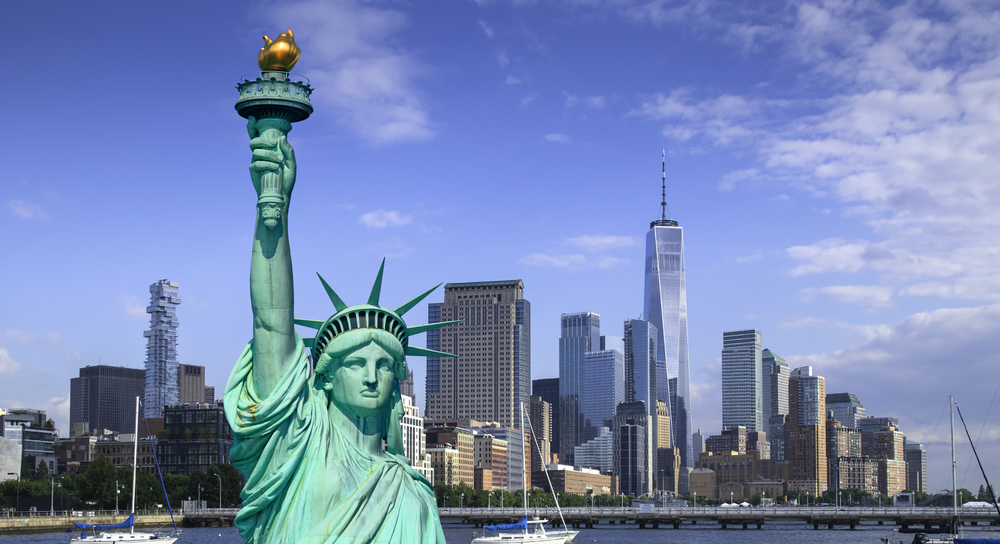
For travelers seeking to explore New York‘s rich history, destinations abound. Albany, the state capital, boasts stunning architecture and museums that chronicle its past. New York City itself is a living museum, with sites like Federal Hall, where George Washington was inaugurated as the first President of the United States, and Fraunces Tavern, a historic restaurant that served as a meeting place during the Revolution. The Staten Island Ferry offers iconic views of the Statue of Liberty and Ellis Island, symbols of immigration and freedom that resonate with the state’s diverse heritage.
Beyond the urban sprawl, New York‘s natural beauty offers a different kind of exploration. The Adirondack Mountains provide opportunities for hiking, skiing, and enjoying the pristine wilderness, while the Finger Lakes region is renowned for its vineyards and picturesque landscapes. These natural attractions, coupled with the historical significance of its cities, make New York a versatile destination, catering to a wide range of interests, from luxury travel and family trips to budget-conscious adventures.

Accommodation and Lifestyle
The diversity of New York extends to its accommodation options. From luxurious resorts and boutique hotels in New York City to charming inns in the countryside and long-term stay apartments, there is something to suit every traveler’s needs and budget. Whether you’re looking for a lavish suite at the Plaza Hotel or a cozy bed and breakfast in the Catskills, the state offers unparalleled hospitality.
The lifestyle in New York is as varied as its landscape. New York City is synonymous with high-paced urban living, world-class dining, and unparalleled entertainment. However, the state also offers a more relaxed pace of life in its smaller cities and rural areas, where the focus is on community, agriculture, and the great outdoors. This blend of vibrant city life and tranquil countryside makes New York a captivating place to live, visit, and explore, continually drawing people seeking new experiences and opportunities. The historical evolution that led to New York becoming a state has undoubtedly laid the foundation for this dynamic and multifaceted character.
LifeOutOfTheBox is a participant in the Amazon Services LLC Associates Program, an affiliate advertising program designed to provide a means for sites to earn advertising fees by advertising and linking to Amazon.com. Amazon, the Amazon logo, AmazonSupply, and the AmazonSupply logo are trademarks of Amazon.com, Inc. or its affiliates. As an Amazon Associate we earn affiliate commissions from qualifying purchases.