
The question “When did Oregon become a state?” is a straightforward one, but the journey to statehood for this Pacific Northwest gem is a rich tapestry woven with exploration, settlement, and a persistent drive for self-governance. Understanding Oregon’s entry into the United States offers a fascinating glimpse into the expansion of the American frontier and the unique character of this captivating region.
The official answer is February 14, 1859. On this day, President James Buchanan signed the proclamation admitting Oregon as the 33rd state of the Union. This marked the culmination of decades of effort by settlers, pioneers, and visionary leaders who envisioned a self-sustaining and prosperous Oregon. However, to truly appreciate this date, we must delve into the historical context that shaped its path to statehood.

The story of Oregon is intrinsically linked to the vast and largely uncharted Pacific Northwest. For centuries, indigenous peoples, such as the Chinook, Kalapuya, and Nez Perce tribes, thrived in this bountiful land. Their deep connection to the Columbia River and the diverse ecosystems of the region laid the foundation for the area’s enduring appeal.
The arrival of European explorers began in the late 18th century. Captain James Cook of Great Britain was one of the first to chart the coastline in 1778. He was followed by other explorers, including Robert Gray of the United States, who in 1792 navigated the mouth of the great river that would eventually bear the name Oregon. The exploration by Lewis and Clark between 1804 and 1806, sponsored by President Thomas Jefferson, further solidified American interest in the region, marking a significant milestone in westward expansion. Their journey, commissioned to find a water route across the continent and to explore the newly acquired Louisiana Purchase, brought invaluable knowledge of the Oregon Country back to the East Coast.
The Dawn of Settlement and the Struggle for Governance
The early 19th century witnessed the establishment of fur trading posts, most notably Fort Astoria by John Jacob Astor’s American Fur Company in 1811. While initially a commercial endeavor, these outposts served as points of contact and catalysts for further settlement. The Hudson’s Bay Company, a British enterprise, also established a significant presence with posts like Fort Vancouver on the northern bank of the Columbia River, fostering a complex relationship between American and British interests.
The influx of American settlers, particularly after the 1840s, intensified the desire for American governance. These pioneers, often traveling the arduous Oregon Trail, sought to build communities and establish laws that reflected their aspirations. The journey itself was an epic undertaking, fraught with peril and demanding immense resilience. The promise of fertile land and a new beginning drew thousands, transforming the landscape and laying the groundwork for a distinct Oregonian identity.
Early Forms of Self-Governance
Before achieving full statehood, the settlers in the Oregon Country engaged in various forms of self-governance. In 1843, at Champoeg, a provisional government was established. This was a remarkable act of self-determination, demonstrating the settlers’ commitment to organized society in the absence of direct American authority. This provisional government enacted laws, established a judiciary, and provided a framework for order as the population grew.
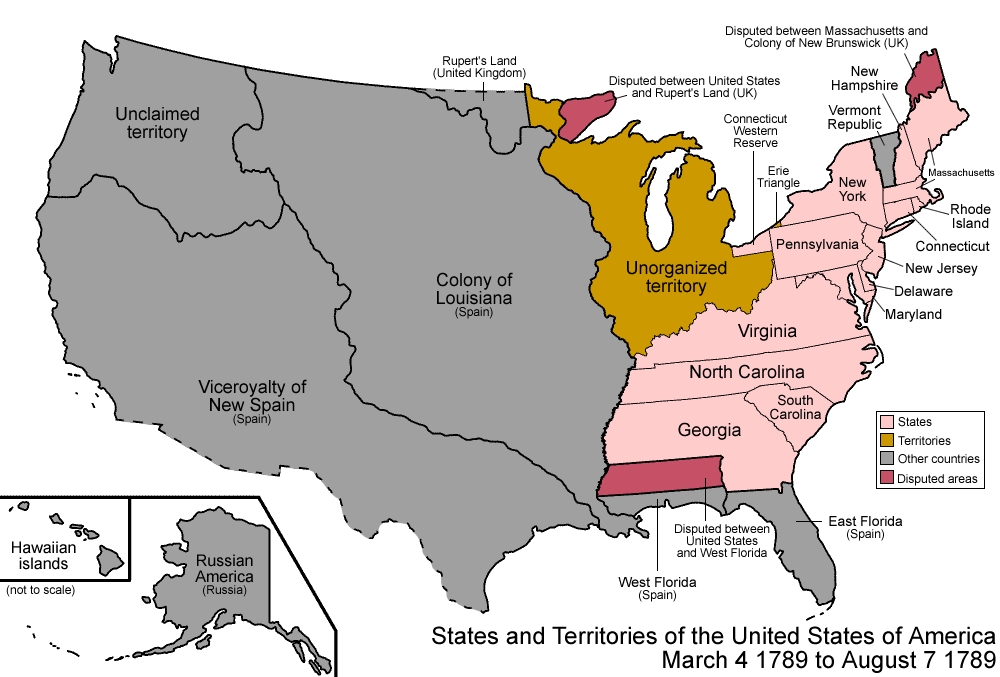
The issue of sovereignty over the Oregon Country remained a point of contention between the United States and Great Britain. The Oregon Treaty of 1846 finally resolved this dispute, establishing the 49th parallel as the boundary between American and British territories, effectively ceding the southern portion of the Oregon Country to the United States. This treaty was a critical step towards Oregon’s eventual statehood, as it clarified American jurisdiction over the land and its growing population.
The Path to Statehood: From Territory to 33rd State
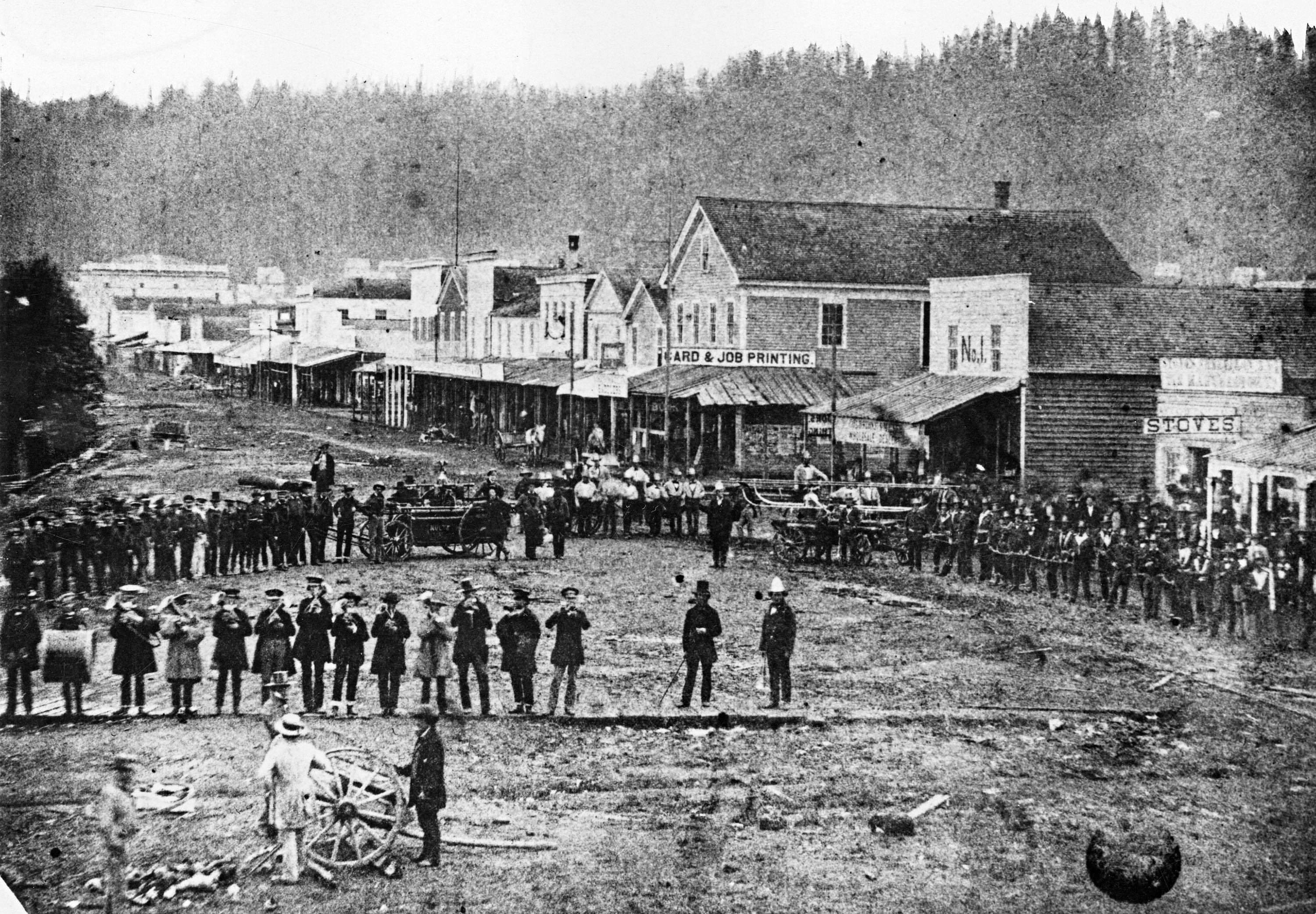
Following the Oregon Treaty, the United States officially organized the Oregon Territory in 1848. General Joseph Lane became its first territorial governor. As a territory, Oregon had a representative in the U.S. House of Representatives but could not vote in presidential elections and its laws were subject to Congressional approval. The territorial period was crucial for developing the infrastructure and institutions necessary for statehood. Key developments included the establishment of public education, the growth of cities like Portland and Salem, and the expansion of agriculture and industry.
The desire for full statehood grew stronger as the population increased and the territory matured. Oregonians felt ready to participate fully in the American democratic process. A constitutional convention was held in Salem in 1857, where delegates drafted a state constitution. This document, largely based on other Western state constitutions, addressed issues of governance, rights, and land distribution. It was subsequently ratified by the voters of the territory.
The admission of Oregon as a state was not without its challenges. Debates in the U.S. Congress regarding its entry involved various political considerations, including the balance of power between free and slave states. However, the distinct character and established populace of Oregon ultimately paved the way for its acceptance.
The Significance of Statehood
Oregon’s admission on February 14, 1859, was a landmark event. It represented the successful realization of the pioneers’ dreams and cemented the presence of the United States on the Pacific Coast. As the 33rd state, Oregon brought its unique blend of natural beauty, pioneering spirit, and burgeoning industries to the Union.
The state’s rich history is reflected in its diverse geography, from the dramatic coastline and the majestic Cascade Mountains to the fertile valleys and high desert plains. These natural wonders continue to draw visitors from around the world, offering a plethora of travel experiences. Whether exploring the vibrant city of Portland, with its renowned culinary scene and quirky culture, or venturing into the breathtaking landscapes of Crater Lake National Park and the Oregon Coast, there is something for every traveler.
For those seeking accommodations, Oregon offers a wide range of options. From luxurious resorts nestled in wine country to charming boutique hotels in Portland and cozy cabins along the coast, visitors can find the perfect place to stay. The state’s tourism sector thrives on its natural beauty and the warm hospitality of its residents.
The history of Oregon’s statehood is a testament to the enduring spirit of exploration, settlement, and self-governance. It’s a story that continues to unfold, with Oregon remaining a dynamic and captivating destination, blending its historical legacy with a forward-looking embrace of innovation and lifestyle. The question of “When did Oregon become a state?” opens the door to a fascinating chapter in American history and a compelling invitation to explore the beauty and spirit of the Beaver State.
LifeOutOfTheBox is a participant in the Amazon Services LLC Associates Program, an affiliate advertising program designed to provide a means for sites to earn advertising fees by advertising and linking to Amazon.com. Amazon, the Amazon logo, AmazonSupply, and the AmazonSupply logo are trademarks of Amazon.com, Inc. or its affiliates. As an Amazon Associate we earn affiliate commissions from qualifying purchases.