
Understanding the history of United States citizenship for Puerto Rico is crucial for any traveler seeking to grasp the island’s unique identity and its complex relationship with the mainland. This historical context enriches a visit, transforming a simple getaway into a deeper cultural and political immersion. It sheds light on why Puerto Ricans possess certain rights and privileges, yet also face distinct challenges that shape their daily lives and the island’s landscape. For those planning a trip to explore the vibrant streets of Old San Juan, hike the lush trails of the El Yunque National Forest, or relax on the pristine beaches of Vieques and Culebra, comprehending this history adds a vital layer to their experience, fostering a more informed and respectful engagement with the destination.
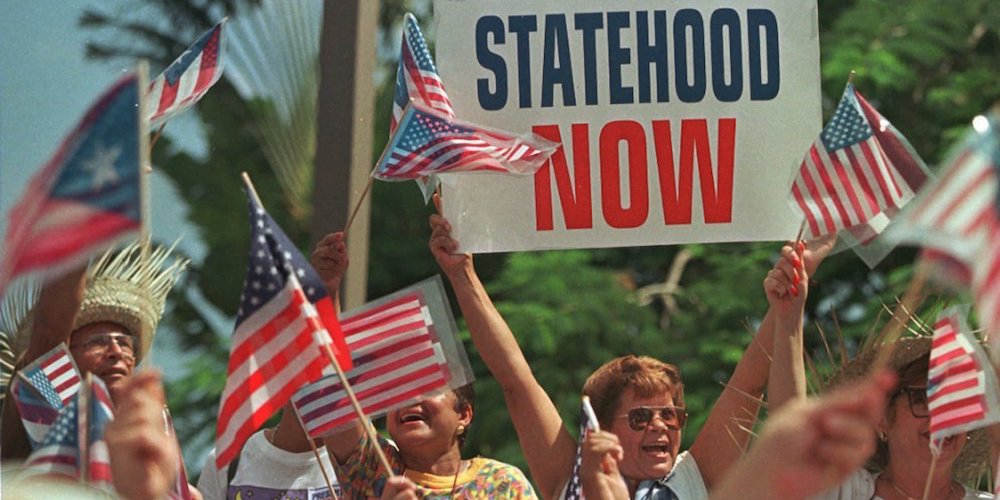
The Foraker Act and its Ramifications
The journey toward United States citizenship for Puerto Rico is intrinsically linked to the aftermath of the Spanish-American War. Following Spain’s defeat in 1898, Puerto Rico, along with Cuba and Guam, was ceded to the United States under the Treaty of Paris. This marked a significant turning point, transitioning the island from centuries of Spanish rule to a new era under American dominion. Initially, the island’s status was uncertain, leading to a period of provisional governance.
Establishing a Civil Government
Recognizing the need for a formal structure, the United States Congress enacted the Foraker Act (also known as the Organic Act of 1900) on April 12, 1900. This landmark legislation officially established a civilian government in Puerto Rico, replacing military rule. While it organized the island’s governmental framework, the Foraker Act did not grant Puerto Ricans full United States citizenship. Instead, it declared them “citizens of Puerto Rico” and endowed them with certain rights, while also outlining their relationship with the United States. This created a unique status, often described as a form of “citizenship” that was distinct from that of individuals born on the mainland.
Implications for Inhabitants
Under the Foraker Act, Puerto Ricans were granted the right to elect a House of Delegates and were subjected to U.S. laws. Crucially, they could travel freely to the United States without a passport and were eligible to serve in the U.S. military. However, they could not vote in U.S. presidential elections, and Puerto Rico itself did not have voting representation in Congress. This created a situation of limited self-governance and unequal political standing. For travelers, understanding this distinction is key to appreciating the historical narratives that shape the island’s cultural identity and political discourse. It helps explain why many Puerto Ricans feel a strong sense of national pride while also being deeply connected to the United States.
The Jones-Shafroth Act: A Milestone in Citizenship
The ambiguity and limitations of the Foraker Act persisted for nearly two decades, prompting ongoing discussions and demands for greater rights. The social and political landscape evolved, with Puerto Ricans increasingly seeking a more defined and equitable status within the American system.

Granting Full Citizenship
The turning point came with the passage of the Jones-Shafroth Act on March 2, 1917. This comprehensive legislation significantly altered the relationship between Puerto Rico and the United States. The most significant provision of the Jones-Shafroth Act was the collective granting of United States citizenship to all persons born in Puerto Rico on or after April 11, 1899. This act was a monumental step, finally aligning the rights and responsibilities of Puerto Ricans with those of other U.S. citizens, albeit with some notable exceptions.
Key Provisions and Their Impact
The Jones-Shafroth Act not only conferred citizenship but also established a bill of rights for the island, created a locally elected Senate, and provided for the election of a Resident Commissioner to the U.S. House of Representatives, who could speak but not vote. This dual citizenship status meant that Puerto Ricans were now officially U.S. citizens, able to serve in the U.S. armed forces and travel to the mainland with the same rights as any other citizen. For travelers, this meant that upon arrival in Puerto Rico, they were entering a territory where its inhabitants held the same citizenship as they did, though the island retained its distinct cultural flavor and political nuances. This historical shift has profound implications for understanding the modern-day infrastructure, economic ties, and societal fabric of Puerto Rico, influencing everything from the availability of certain goods to the way governance functions.
Post-1917 Developments and the Commonwealth Status
While the Jones-Shafroth Act granted U.S. citizenship, the relationship between Puerto Rico and the United States continued to evolve. The quest for greater self-determination and a clearer definition of the island’s political status remained a prominent theme.
The Elective Governor Act
In 1947, another significant legislative change occurred with the passage of the Elective Governor Act. This act granted Puerto Ricans the right to elect their own governor, further increasing local autonomy. This was a crucial step towards self-governance, allowing the island’s residents to have more direct control over their political leadership and policy decisions. For those interested in the political landscape of Puerto Rico, understanding this progression is vital. It highlights the ongoing desire for self-determination within the framework of U.S. citizenship.
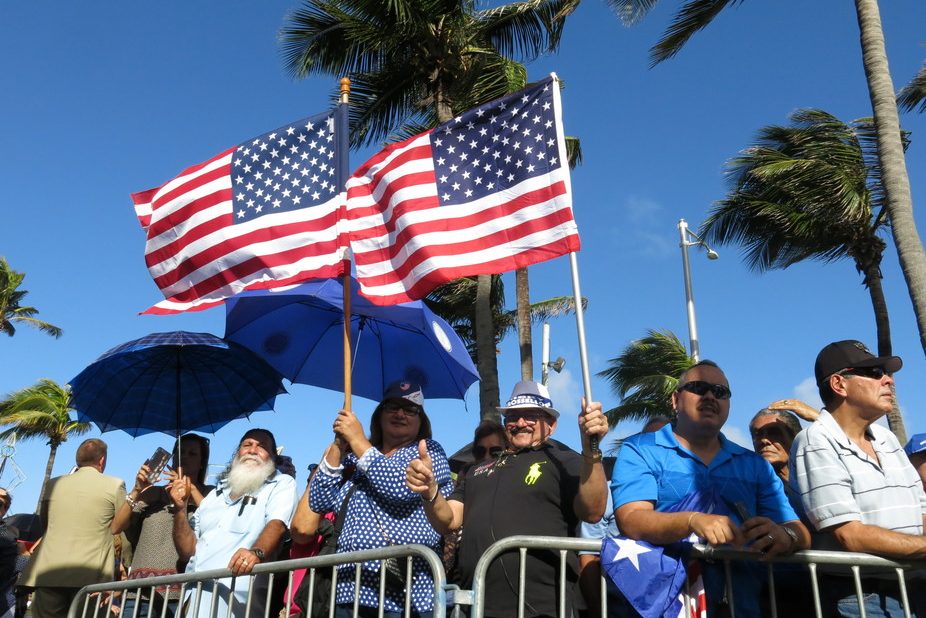
Operation Bootstrap and Commonwealth Status
The mid-20th century saw the implementation of “Operation Bootstrap,” an economic development program that aimed to industrialize Puerto Rico and shift it away from an agrarian economy. This period also led to the establishment of Puerto Rico’s current political status: a commonwealth. In 1952, Puerto Rico adopted its own constitution, establishing a republican form of government under its commonwealth status. This status, often referred to as “Estado Libre Asociado” (Associated Free State), grants Puerto Rico a significant degree of autonomy while remaining an unincorporated territory of the United States. Puerto Ricans are U.S. citizens, serve in the U.S. military, and use the U.S. dollar. However, they do not pay federal income tax on income earned in Puerto Rico, and they lack voting representation in Congress. This complex arrangement continues to be a subject of political debate and influences the island’s economic policies, social services, and its unique cultural identity, which is a rich tapestry woven from Taíno, Spanish, and African influences, alongside American integration. Understanding this historical evolution is paramount for appreciating the resilience and distinctiveness of the Puerto Rican people and their island home.
LifeOutOfTheBox is a participant in the Amazon Services LLC Associates Program, an affiliate advertising program designed to provide a means for sites to earn advertising fees by advertising and linking to Amazon.com. Amazon, the Amazon logo, AmazonSupply, and the AmazonSupply logo are trademarks of Amazon.com, Inc. or its affiliates. As an Amazon Associate we earn affiliate commissions from qualifying purchases.