
The captivating allure of San Francisco, a city celebrated globally for its vibrant culture, stunning waterfront, and iconic landmarks, is often intrinsically linked to its dramatic, undulating landscape. From the dizzying descent of Lombard Street to the strenuous climb of a cable car on Hyde Street, the city’s steep roads are not merely features but fundamental elements of its identity and a significant draw for travelers worldwide. Yet, the question remains: When exactly did San Francisco acquire these legendary, vertiginous thoroughfares? The answer is a fascinating blend of natural topography, audacious engineering, and relentless urban development, deeply woven into the city’s very fabric from its earliest days.
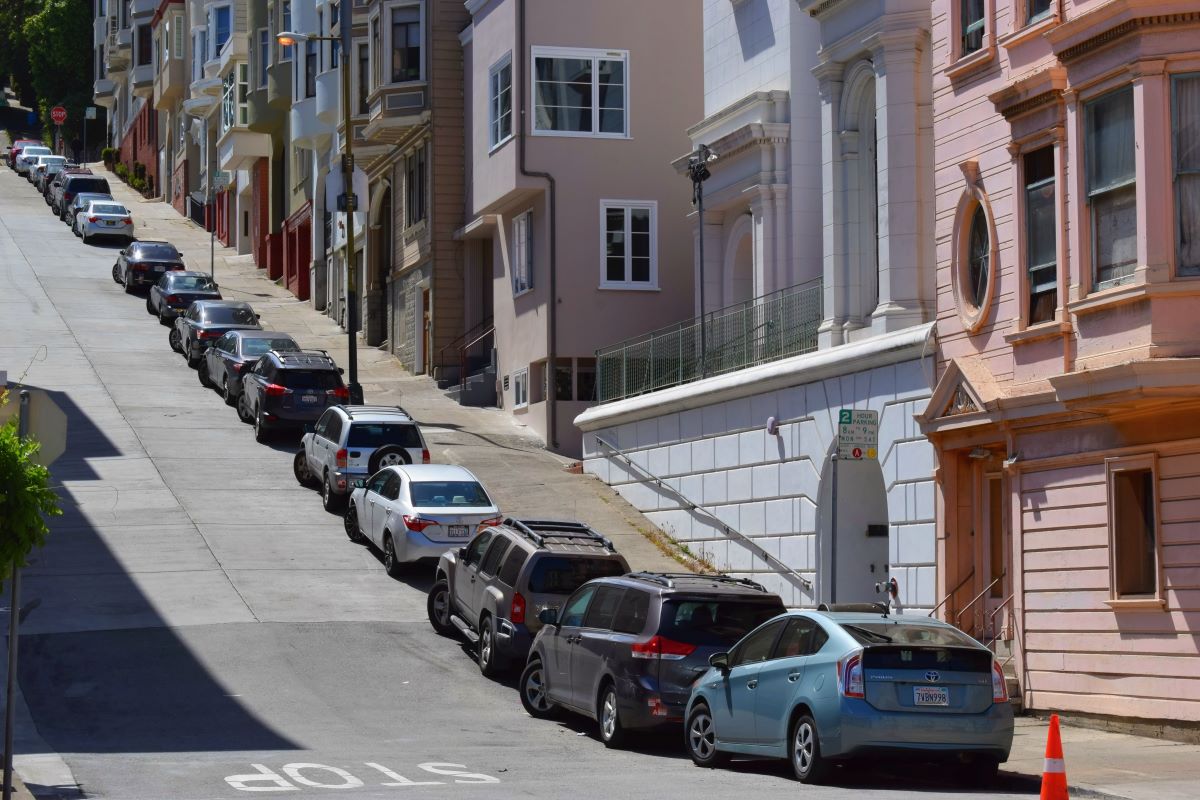
The Unyielding Topography: San Francisco’s Natural Canvas
Before delving into the history of its roads, it’s crucial to understand the natural stage upon which San Francisco was built. The city, situated on the tip of a peninsula in California, is inherently hilly. This isn’t a result of human design but rather a geological accident of tectonic plates, seismic activity, and millennia of natural processes. The landscape is characterized by more than 40 named hills, including prominent ones like Nob Hill, Russian Hill, and Telegraph Hill, which define its unique skyline and offer breathtaking panoramic vistas of the Pacific Ocean and San Francisco Bay.
From Sand Dunes to Skyline: Early Challenges
In its earliest incarnations as the Spanish mission settlement of Yerba Buena Cove, the city’s rugged terrain presented an immediate challenge. The nascent settlement, established in 1776, was a modest affair, and the immediate need for extensive infrastructure was limited. However, everything changed dramatically with the 1849 Gold Rush. Within a few short years, San Francisco exploded from a sleepy village into a bustling metropolis, attracting prospectors, merchants, and adventurers from across the globe. This unprecedented population boom necessitated rapid urban expansion and, critically, the development of functional transportation routes.
The early settlers, many of whom were accustomed to the flat grid systems of eastern United States cities, attempted to impose a similar orthogonal street plan onto San Francisco’s challenging hills. This approach resulted in streets that climbed directly up and down slopes, creating the extreme gradients we know today. These “steep roads” weren’t a deliberate aesthetic choice at first; they were an unavoidable consequence of laying out a grid on an unforgiving topography with a desperate need for quick expansion. Horse-drawn carriages and pedestrians struggled immensely, highlighting the urgent need for innovative solutions to conquer the formidable landscape.
Engineering Genius: Taming the Hills
The natural steepness of San Francisco’s terrain was a constant impedance to its growth and daily life. The early 1870s marked a pivotal era when the city began to truly “get” its steep roads, not just as natural features, but as an integrated, navigable urban environment. This transformation was thanks to a combination of inventive transportation technology and aggressive urban planning strategies, spearheaded by visionary engineers and entrepreneurs.
The Birth of the Cable Car: A Revolutionary Solution
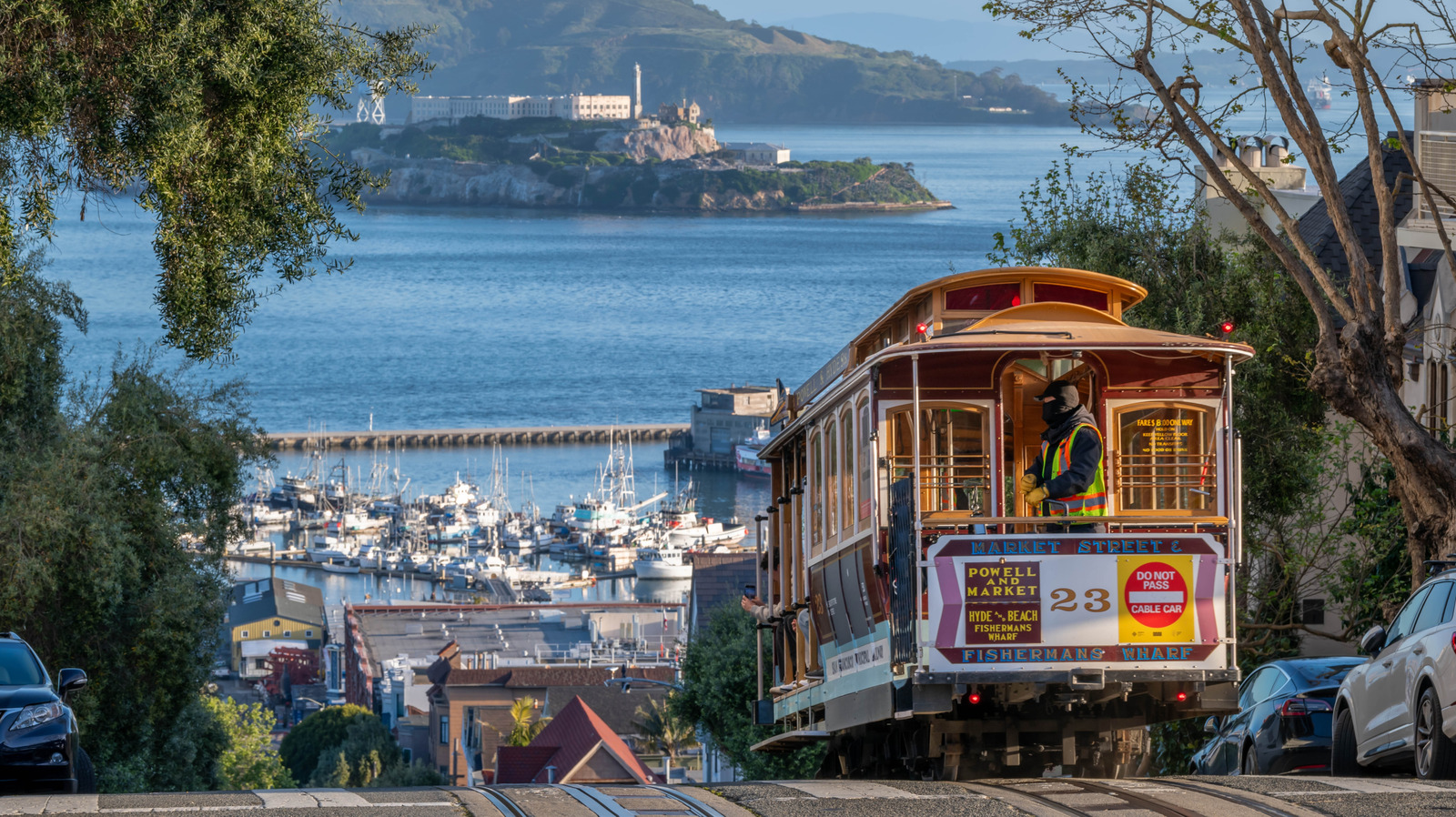
The most iconic solution to San Francisco’s vertical challenges arrived in 1873 with the invention of the cable car. The brainchild of Andrew Smith Hallidie, a Scottish immigrant and wire rope manufacturer, the cable car concept was reportedly inspired by Hallidie witnessing horses struggling and often falling while attempting to pull a streetcar up a wet, cobblestone hill. He envisioned a system where cars would grip a continuously moving underground cable, thereby overcoming the limitations of animal power on steep inclines.
On August 2, 1873, Hallidie’s groundbreaking invention debuted on the Clay Street Hill Railroad. It was an immediate and resounding success. This pioneering line demonstrated that efficient public transport was possible even on the city’s steepest grades. The success of the Clay Street Hill Railroad spurred rapid expansion, and within a few years, several cable car companies, such as the California Street Cable Railroad Company, crisscrossed the city. These lines not only provided a practical means of transport but also unlocked vast areas of previously inaccessible hilly terrain for residential and commercial development. Neighborhoods like Nob Hill, which offered stunning views but were difficult to reach, quickly became prime real estate, attracting the city’s wealthiest citizens who built opulent mansions, forever changing the urban landscape and making the steep roads an integral part of San Francisco’s burgeoning luxury lifestyle.
Grading and Street Design: Sculpting the Urban Landscape
While cable cars conquered the transportation challenge, the actual street infrastructure still needed to be built. The process of “grading” became fundamental to San Francisco‘s development. This involved massive earthworks: cutting away parts of hills and filling in valleys and swamps to create more level ground for construction or to establish manageable gradients for roads. Much of what is now the Embarcadero and financial district, for instance, sits on “made land” reclaimed from the bay, while countless streets were carved directly into the hillsides.

Engineers and urban planners, often working with limited technology, made calculated decisions about street angles. Some streets were deliberately designed with steep grades to provide direct connections between different parts of the city, sacrificing ease of traversal for efficiency of routing. The famous zig-zagging portion of Lombard Street in Russian Hill, for example, was actually engineered in 1922 not to make it steeper, but to make it less steep for automobiles, as its original incline was too dangerous. This particular section, along with many others, demonstrates the ongoing human effort to adapt to, and in some cases, modify the natural steepness that was a constant feature of the city’s development from the mid-19th century onwards. The urban planning of the era cemented the presence of these dramatic inclines, not merely as natural obstacles, but as fundamental pathways within the urban grid.
Iconic Inclines: Steep Roads as San Francisco’s Signature
The devastating 1906 earthquake and subsequent fire provided an unexpected opportunity for San Francisco to rebuild and, in many ways, solidify its unique urban character. While much of the city was razed, the underlying topography remained. As the city rose from the ashes, its steep roads and the ingenious cable car system were reinforced as essential elements of its identity. Over time, these challenging thoroughfares transformed from mere functional necessities into celebrated landmarks and integral parts of the San Francisco experience.
Today, the city boasts several streets renowned for their extreme gradients. Lombard Street, particularly its “crookedest street in the world” section, is perhaps the most famous, drawing millions of tourists annually who marvel at its eight hairpin turns. However, it’s not actually the steepest. Streets like Filbert Street and Vermont Street claim steeper inclines, often challenging drivers and pedestrians alike. Beyond the novelty, these elevated vantage points offer unparalleled views of the cityscape, the Golden Gate Bridge, Alcatraz Island, and the expansive San Francisco Bay, making them essential stops on any travel itinerary.
Navigating the Slopes: A Traveler’s Guide
For travelers planning a trip to San Francisco, understanding and appreciating the steep roads is key to a fulfilling experience. Walking is an excellent way to explore, but comfortable shoes are a non-negotiable accessory, and stamina is a bonus! Exploring neighborhoods like North Beach, Chinatown, or ascending to Coit Tower on Telegraph Hill on foot offers a unique perspective and an invigorating workout.
Public transportation offers a more relaxed way to navigate. The historic cable cars, operating on three lines (Powell-Hyde, Powell-Mason, and California Street), are not just a means of getting around but a quintessential San Francisco attraction themselves. A ride from Market Street up Powell Street to Fisherman’s Wharf is an unforgettable experience, offering glimpses into the city’s past and present. The extensive Muni bus system also effortlessly tackles the hills, providing access to every corner of the city, from the colorful Victorian houses of Haight-Ashbury to the panoramic views from Twin Peaks.
When considering accommodation, the city’s topography can influence your choice. Hotels perched on Nob Hill or Russian Hill often boast luxurious amenities and unparalleled views, making them ideal for those seeking a premium travel experience and dramatic vistas. However, for budget-conscious travelers or those preferring flatter terrain for easier walking access to shopping and dining, areas around Union Square or the Embarcadero might be more suitable. Regardless of your preferred lifestyle, understanding the layout helps in booking, reviews, and comparison, ensuring your stay matches your expectations.
Beyond the Views: The Lifestyle of Hillside Living
Living with San Francisco’s steep roads isn’t just a daily challenge; it’s a defining aspect of local culture and lifestyle. Hillside homes frequently feature multi-level designs and tiered gardens, ingeniously adapting to the gradient. Residents often speak of their “leg day” commutes and the unique sense of community found in neighborhoods where every block offers a different perspective. Parking on an incline becomes an art form, and the sight of a car parked perfectly with wheels curbed is a testament to local driving prowess.
The steep roads contribute to the distinct atmosphere of various districts. The Mission District, for instance, offers a vibrant, sunnier microclimate partly due to its position in a valley, while higher elevations like Twin Peaks can be famously foggy and windswept. This diverse geography encourages exploration, whether it’s seeking out the hidden staircases that connect streets, discovering local eateries tucked away on a steep side street, or simply enjoying the ever-changing light and fog rolling over the hills. These elements collectively contribute to the rich tapestry of experiences that make San Francisco such a compelling destination for diverse travelers, from those seeking luxury travel to families on an adventure.
Experiencing San Francisco’s Vertical Charms
In conclusion, San Francisco didn’t “get” steep roads in a single moment, but rather developed them over time as a direct response to its formidable natural topography. From the earliest Gold Rush era’s grid-based planning that inadvertently created extreme gradients, to Andrew Smith Hallidie’s revolutionary cable car system in the 1870s, and the continuous grading efforts throughout its history, the city has consistently embraced and ingeniously adapted to its vertical landscape.
These roads are more than just thoroughfares; they are landmarks, attractions, and fundamental aspects of the San Francisco experience. They offer not only practical routes through the city but also cinematic vistas, unique residential opportunities, and a tangible sense of history. Whether you’re riding a cable car past the Transamerica Pyramid, admiring the Golden Gate Bridge from a Russian Hill viewpoint, or simply navigating the city’s charming neighborhoods, San Francisco’s steep roads are an indispensable part of its enduring appeal, beckoning travelers to explore its unforgettable vertical charms.
LifeOutOfTheBox is a participant in the Amazon Services LLC Associates Program, an affiliate advertising program designed to provide a means for sites to earn advertising fees by advertising and linking to Amazon.com. Amazon, the Amazon logo, AmazonSupply, and the AmazonSupply logo are trademarks of Amazon.com, Inc. or its affiliates. As an Amazon Associate we earn affiliate commissions from qualifying purchases.