
The question of “When Did Tennessee Beat Alabama?” transcends a simple sports query; it delves into the rich tapestry of Southern culture, regional pride, and the deep-seated rivalries that define American college football. For fans in the Volunteer State, and indeed across the nation, these matchups are more than just games; they are significant cultural events, often marking pivotal moments in the academic year and shaping local narratives for generations. While the athletic achievements are paramount to the participants, the historical resonance and the celebratory atmosphere that follows a victory ripple through the communities of Tennessee, making such wins memorable landmarks in the state’s cultural landscape.

The Enduring Rivalry and its Historical Significance
The football rivalry between the University of Tennessee (UT) Volunteers and the University of Alabama (UA) Crimson Tide is one of the most storied in NCAA history. Spanning over a century, these contests have been characterized by intense competition, passionate fan bases, and a deep-seated sense of regional pride. For Tennessee, a victory over Alabama is often seen as a pinnacle achievement, a testament to the program’s strength and its ability to compete with one of the nation’s most dominant college football dynasties.
Early Encounters and the Dawn of a Tradition
The first recorded game between Tennessee and Alabama took place in 1901. While the early years saw fluctuating outcomes and a less consistently defined rivalry, the seeds of intense competition were sown. These initial matchups, often played in Knoxville or Tuscaloosa, laid the groundwork for the passionate fanbase engagement that would come to define the series. The cultural impact of these early games, though perhaps less amplified than in the modern era, was significant in shaping local identities and fostering a sense of collegiate allegiance that would be passed down through families. Victories, however infrequent, became cherished tales, contributing to the lore of Tennessee football.
The Modern Era and Defining Victories
As college football evolved, so too did the intensity and significance of the Tennessee vs. Alabama matchup. The rivalry truly solidified in the latter half of the 20th century and into the 21st, with several iconic games etching themselves into the annals of sports history. For Tennessee, moments of triumph have often been particularly resonant due to the perceived dominance of their rival.
1995: The “Third Saturday in October” Upset
One of the most celebrated victories for Tennessee came in 1995. Playing at Alabama‘s Bryant-Denny Stadium, the unranked Volunteers, led by quarterback Peyton Manning, pulled off a stunning upset against the No. 3 ranked Crimson Tide, winning 20-13. This game was a watershed moment, not only for its significance in the rivalry but also for the impact it had on Manning’s burgeoning Heisman Trophy candidacy and Tennessee’s national standing. The victory ignited celebrations across Tennessee, with fans taking to the streets and public squares to revel in the hard-fought win. The echoes of this triumph continue to be felt, serving as a benchmark for future Tennessee teams aiming to dethrone their rival.
2001: A Dominant Performance at Home
Another significant win for the Volunteers occurred in 2001. Hosting the Crimson Tide at Neyland Stadium, the No. 7 ranked Tennessee team delivered a commanding performance, defeating Alabama 31-7. This victory was particularly satisfying for Tennessee fans, as it was a decisive win at home, in front of a roaring crowd, further solidifying their place in the national conversation. The atmosphere at Neyland Stadium on that day was electric, a testament to the cultural importance of the rivalry. The triumphant mood in Knoxville and the surrounding areas reflected the collective joy and pride associated with overcoming such a formidable opponent.
2006: A Thriller in Overtime

The 2006 contest provided another dramatic chapter. In a fiercely contested game that went into overtime, Tennessee emerged victorious with a 16-13 score. This nail-biting finish underscored the unpredictable nature of the rivalry and the sheer determination of both teams. For Tennessee, winning in such a dramatic fashion amplified the elation and reinforced the narrative of resilience and grit that their football program often aspires to embody. Such close contests contribute to the enduring legend of the rivalry, fostering a sense of shared experience among fans who witnessed the drama unfold.
Cultural Ramifications of Tennessee Victories
Beyond the scoreboard, victories by the University of Tennessee over Alabama have tangible and intangible cultural effects that permeate the state. These wins become points of collective memory, unifying communities and fueling a sense of state identity rooted in athletic achievement.
The “Third Saturday in October” as a Landmark Event
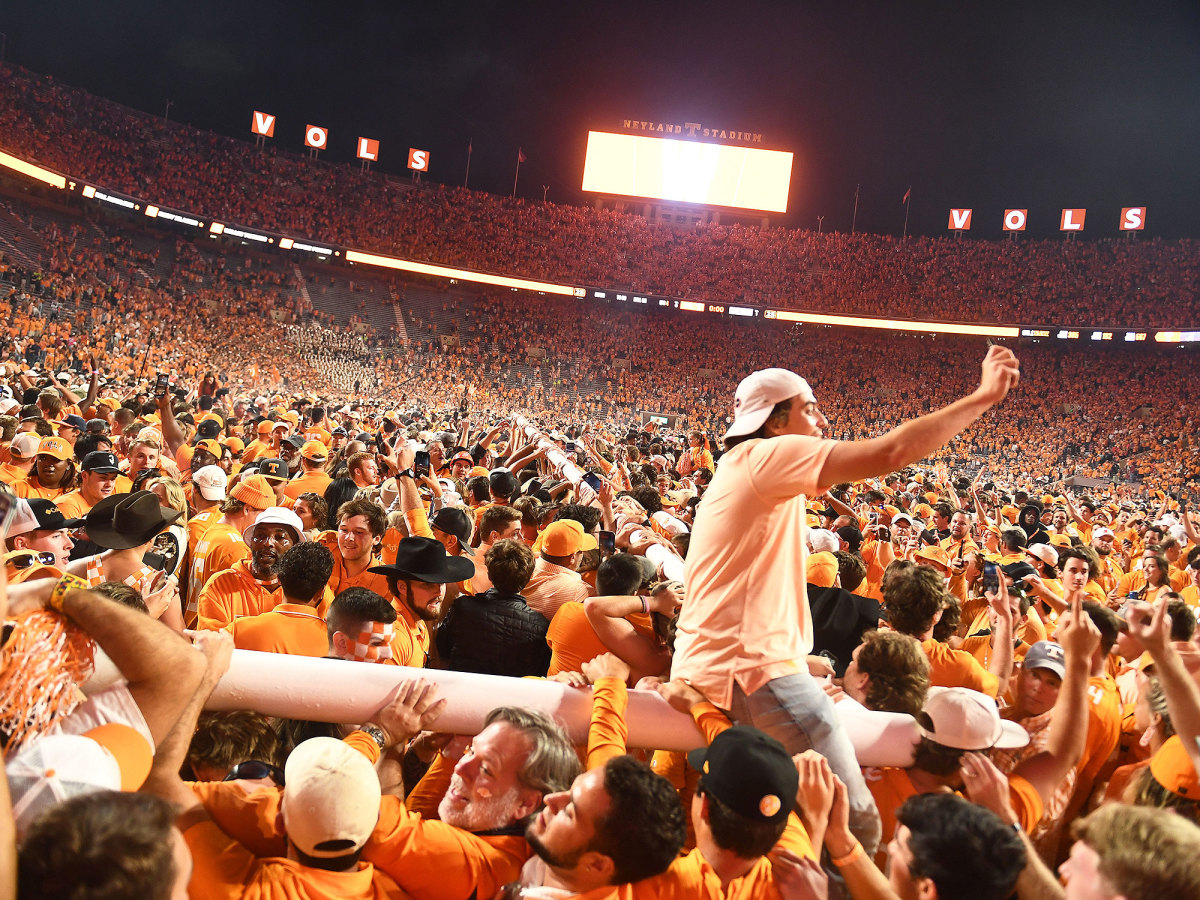
The traditional scheduling of the Tennessee vs. Alabama game on the “Third Saturday in October” has elevated it to the status of a cultural landmark in the Southeast. This annual fixture is more than just a sporting event; it’s a ritual. Families plan gatherings, businesses often see reduced activity as fans tune in, and the very rhythm of life in Tennessee shifts to accommodate the game. A Tennessee victory on this hallowed weekend transforms an already significant occasion into a legendary one, solidifying its place in the collective consciousness of the state. The celebrations that follow can range from spontaneous street parties in Knoxville to heartfelt toasts in small towns across the state, each reflecting the shared joy of a hard-won triumph.
Economic and Social Impact
The impact of a Tennessee win over Alabama extends to the economic and social fabric of the state. While the economic benefits of any major sporting event are evident, a significant victory like this fosters a palpable sense of optimism and pride that can boost morale. Local businesses in Knoxville and other Tennessee cities often see increased sales on game days and in the immediate aftermath of a win, driven by enthusiastic fans celebrating. Socially, these victories create shared experiences that strengthen community bonds. They provide common ground for discussion and celebration, fostering a sense of belonging and collective identity that is deeply intertwined with the fortunes of the Volunteers. The post-game atmosphere, whether in a crowded sports bar in Nashville or a quiet household in Memphis, is often charged with exhilaration and a renewed sense of state pride.
Echoes in Pop Culture and Legacy
The victories of the Tennessee Volunteers against the Alabama Crimson Tide are not merely confined to sports pages; they have permeated popular culture, becoming part of the enduring legacy of both the university and the state. These moments are preserved in memories, in photographs, and in the stories that are retold by generations of fans.
The Stories That Endure
The narratives of these historic wins become part of the oral tradition in Tennessee. Parents tell their children about the heroics of past players, the crucial plays that decided games, and the sheer jubilation that swept through the state. For instance, the 1995 victory, often remembered for Peyton Manning’s performance, continues to be a cherished anecdote, showcasing how a single game can shape the legacy of a player and resonate through the memories of an entire fanbase. These stories serve as a reminder of past glories and a source of inspiration for future aspirations, connecting younger generations to the rich history of Tennessee football and its iconic rivalries.
Commemorative Traditions and Fan Identity
Tennessee fans have developed numerous ways to commemorate these significant victories, further solidifying their identity as passionate supporters. From wearing vintage jerseys of players from winning teams to displaying memorabilia that dates back to these triumphant seasons, the pride in beating Alabama is often a visible and enduring aspect of their fandom. The iconic “Third Saturday in October” has, in some years, been a day of national football pilgrimage, with fans traveling from all corners of the state to witness the drama unfold. A Tennessee victory transforms this pilgrimage into a triumphant return, with the echoes of cheers and the shared euphoria of a successful campaign resonating long after the final whistle. These shared experiences and traditions reinforce the unique cultural landscape of Tennessee, where college football is not just a sport but a deeply ingrained part of the state’s identity and heritage.
LifeOutOfTheBox is a participant in the Amazon Services LLC Associates Program, an affiliate advertising program designed to provide a means for sites to earn advertising fees by advertising and linking to Amazon.com. Amazon, the Amazon logo, AmazonSupply, and the AmazonSupply logo are trademarks of Amazon.com, Inc. or its affiliates. As an Amazon Associate we earn affiliate commissions from qualifying purchases.