
The history of Texas is as grand and sprawling as its landscape, a dramatic tale of shifting allegiances, fierce independence, and eventual integration into the fabric of the United States. From its early days as a Spanish colony to a Mexican province, then an independent republic, and finally a state, the journey of Texas is a captivating narrative that continues to shape its unique culture, landmarks, and appeal as a travel destination. For many, understanding “When did Texas join the United States?” is more than a simple date; it’s an invitation to explore the profound historical forces that made the Lone Star State what it is today.
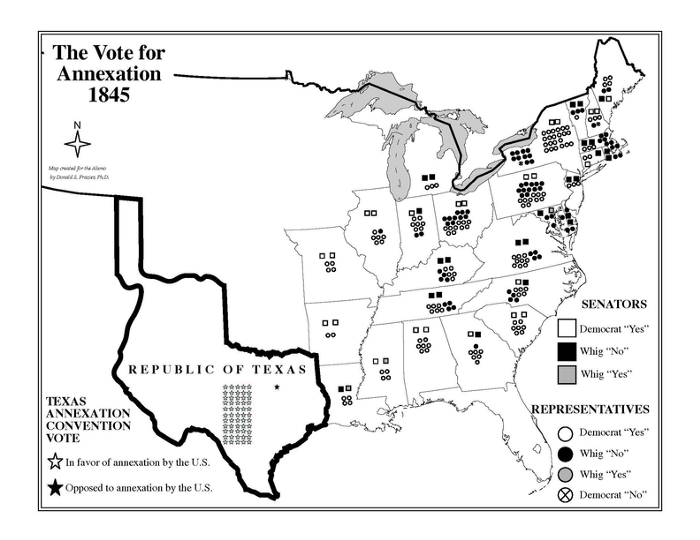
The short answer is that Texas officially joined the United States on December 29, 1845. However, this seemingly straightforward date is the culmination of decades of conflict, political maneuvering, and a deep-seated desire for self-determination that saw Texas forge its own path as an independent nation before ultimately becoming the 28th state.
A Lone Star’s Journey: From Independence to Annexation
To truly appreciate the significance of 1845, one must first journey back through the tumultuous years that preceded it, exploring how Texas transitioned from a remote frontier to a republic and then a state. This journey offers a rich tapestry for travelers interested in history, culture, and the very roots of the American spirit.
Early Spanish and Mexican Influences
Before it was a state or even a republic, Texas was a vast, contested territory. For centuries, it was part of the Spanish Empire, sparsely populated by missions and presidios designed to assert control and convert native populations. The remnants of this era are tangible, particularly in San Antonio, where the iconic Alamo stands as a testament to missionary efforts and, later, a symbol of independence. Visitors to San Antonio can explore the San Antonio Missions National Historical Park, a UNESCO World Heritage Site that includes the Alamo and four other beautifully preserved missions: Mission Concepción, Mission San José, Mission San Juan Capistrano, and Mission Espada. These sites offer an incredible glimpse into the architectural styles, daily lives, and religious practices of the 18th century, providing a profound cultural experience for those seeking local culture and history.
When Mexico gained independence from Spain in 1821, Texas became part of the new Mexican nation. Eager to develop its northern frontier, Mexico began encouraging settlement by American immigrants, primarily through impresarios like Stephen F. Austin. These Anglo-American settlers, drawn by the promise of cheap land, brought with them different cultural norms, languages, and, crucially, a desire for greater autonomy. The clash between these burgeoning communities and the distant Mexican government laid the groundwork for future conflicts. For history buffs, exploring the areas where these early settlements took root, such as San Felipe de Austin State Historic Site, provides a fascinating look at the foundations of Anglo-Texan identity.
The Fight for Independence
The growing cultural and political divide between the Anglo-Texan settlers and the Mexican government intensified through the 1830s. Disagreements over issues like slavery, centralized government, and immigration policies reached a boiling point. The breaking point arrived with General Antonio López de Santa Anna’s rise to power in Mexico and his efforts to centralize authority and enforce strict laws.
The Texas Revolution officially began in October 1835. It was a brutal struggle, marked by iconic battles that have become legendary in American history. The most famous, of course, is the Siege of the Alamo in March 1836, where a small band of Texan defenders, including folk heroes like Davy Crockett and Jim Bowie, made a heroic stand against Santa Anna’s much larger army. Though all defenders perished, their sacrifice ignited a firestorm of Texan resolve. “Remember the Alamo!” became the rallying cry. Visiting the Alamo today is an essential experience for any traveler to Texas, a poignant reminder of courage and sacrifice. The site offers guided tours and interpretive exhibits that bring this pivotal moment to life, making it a key historical attraction in San Antonio.
Just a month after the fall of the Alamo, on March 2, 1836, Texan delegates met at Washington-on-the-Brazos and formally declared independence from Mexico, establishing the Republic of Texas. This historic site, now the Washington-on-the-Brazos State Historic Site, allows visitors to step back in time, explore reconstructed buildings, and learn about the courageous individuals who drafted the Texas Declaration of Independence and the Constitution of the Republic of Texas. It’s a crucial destination for understanding the origins of Texan identity.
The revolution culminated on April 21, 1836, with the decisive Battle of San Jacinto. Under the command of General Sam Houston, Texan forces routed Santa Anna’s army in a mere 18 minutes, capturing the general himself. This victory secured Texan independence. The San Jacinto Battleground State Historic Site, near present-day Houston, is marked by the towering San Jacinto Monument, the tallest stone column monument in the world. Visitors can ascend to the observation deck for panoramic views and explore the on-site museum, which vividly recounts the events leading to Texan independence. This landmark is an absolute must-see for anyone tracking the journey of Texas from rebellion to statehood.
The Republic of Texas: A Decade of Sovereignty
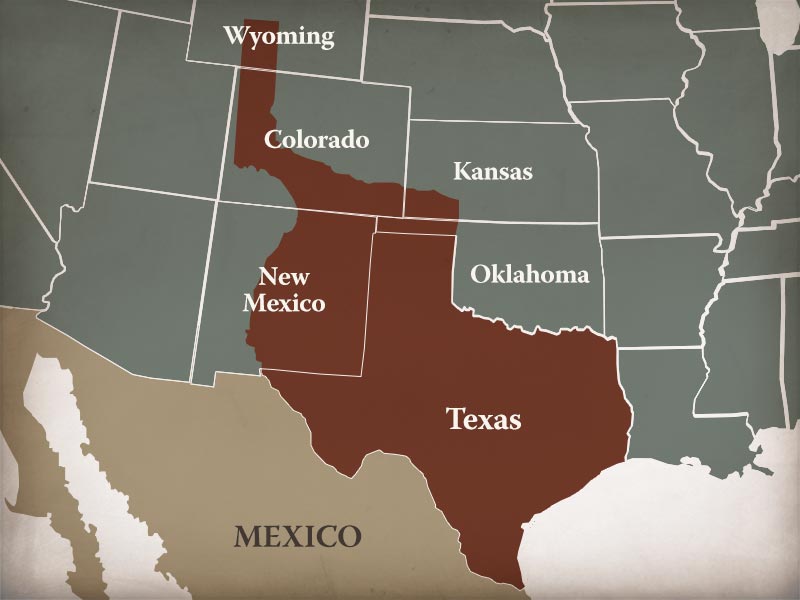
For nearly ten years, from 1836 to 1845, Texas existed as an independent nation, the Republic of Texas. It had its own presidents (with Sam Houston serving two non-consecutive terms), its own currency, and its own diplomatic relations with other countries, including the United States and Great Britain. The capital moved several times, from Columbia to Houston, and finally to Austin, the city that still serves as the state capital today.
Life in the Republic of Texas was challenging. The young nation faced persistent financial difficulties, ongoing border disputes with Mexico, and conflicts with Native American tribes. Despite these hardships, the republic managed to establish a functioning government and attract new settlers. The spirit of this independent era is palpable in many Texan cities. In Austin, for example, the grand Texas State Capitol building, though built later, embodies the aspirations and pride of a state born from a republic. Travelers can tour the Capitol, a remarkable example of Renaissance Revival architecture, and learn about the legislative history that shaped both the republic and the state. Nearby, the Bullock Texas State History Museum offers immersive exhibits that cover the entire sweep of Texan history, from its indigenous peoples to its path to statehood and beyond, making it an excellent resource for understanding this unique period.
The Path to Statehood: Debates and Diplomacy
Even during its independence, the question of joining the United States was a constant topic in Texas and American politics. Annexation was not a foregone conclusion; it was a contentious issue fraught with domestic and international implications.
Political Tensions and the Quest for Annexation
From the moment Texas gained independence, many Texans, particularly its Anglo-American population, desired annexation by the United States. Their motivations were varied: security against potential Mexican re-invasion, economic stability, and a sense of shared cultural identity. However, the path to annexation was anything but smooth.
In the United States, the issue of admitting Texas was highly divisive. The primary sticking point was slavery. Texas was a slave-holding territory, and its admission as a slave state would upset the delicate balance of power between free and slave states in the U.S. Congress. Northern abolitionists fiercely opposed annexation, fearing it would expand the institution of slavery and increase the South’s political influence. Southern states, conversely, largely supported annexation.
Furthermore, international relations played a significant role. Mexico still considered Texas a rebellious province and warned that annexation by the United States would be an act of war. Great Britain and France, both with economic interests in the Republic of Texas, actively worked to prevent annexation, hoping to see an independent Texas serve as a buffer between the United States and Mexico and potentially curb American expansion.
The political tides in the United States began to shift in the early 1840s. The concept of Manifest Destiny, the belief in America’s divinely ordained right to expand westward, gained considerable traction. The election of James K. Polk as president in 1844, on a platform that explicitly endorsed the annexation of Texas and expansionist policies, signaled a decisive turn.
The Formal Act of Admission
Following Polk’s election, the outgoing administration of President John Tyler, keen to secure Texas before leaving office, pursued annexation through a joint resolution of Congress rather than a treaty (which would require a two-thirds Senate vote). This strategy proved successful.
On December 29, 1845, President Polk signed the act admitting Texas into the Union as the 28th state. This date officially marks the end of the Republic of Texas and the beginning of its journey as a U.S. state. The annexation of Texas proved to be a catalyst for the Mexican-American War (1846-1848), as Mexico made good on its threat, leading to further territorial expansion for the United States and a redefinition of the U.S.-Mexico border.
Texas Today: Echoes of History in a Vibrant State
The rich and complex history of Texas continues to resonate throughout the state, shaping its identity, its landmarks, and its vibrant culture. For travelers, this means an abundance of unique experiences, from exploring historic sites to indulging in distinctive Texan lifestyle and cuisine.
Exploring Historical Landmarks and Museums
Texas is a treasure trove for history enthusiasts. Beyond the battlegrounds and mission trails, cities across the state offer a journey through time:
- San Antonio: In addition to the Alamo and missions, the San Antonio River Walk (also known as the Paseo del Río) provides a charming backdrop for exploring historic architecture, enjoying local food, and soaking in the city’s unique blend of cultures. The Briscoe Western Art Museum offers insights into the American West, including the Texan cowboy tradition.
- Austin: The Texas State Capitol and the Bullock Texas State History Museum are essential. Stroll through the historic Sixth Street entertainment district, which has seen over a century of Texan life unfold.
- Houston: While famed for its space exploration (the NASA Johnson Space Center is a major draw), Houston also boasts the Houston Museum District, with institutions like the Houston Museum of Natural Science that often feature exhibits on Texan natural and cultural history. The San Jacinto Battleground State Historic Site is easily accessible from here.
- Galveston: This historic island city offers a glimpse into 19th-century Texas prosperity with its Victorian architecture, the historic Strand National Historic Landmark District, and museums like the Texas Seaport Museum.
Experiencing Texan Culture Through Travel
The journey of Texas into the Union has left an indelible mark on its local culture, making it a distinct entity within the United States. Travelers can immerse themselves in this unique blend of cowboy, Mexican, and Southern influences:
- Food: Texan cuisine is a culinary highlight. From authentic Tex-Mex, born from the fusion of Mexican and American flavors, to legendary BBQ joints, there’s a taste for every palate. Don’t miss sampling brisket, chili, and breakfast tacos.
- Music: Texas has a rich musical heritage, especially in country, blues, and Tejano genres. Live music venues in Austin, the “Live Music Capital of the World,” and Gruene Hall, Texas’s oldest dance hall, offer authentic experiences.
- Festivals and Events: Throughout the year, Texas hosts numerous festivals celebrating its diverse heritage, from rodeo events that embody the cowboy lifestyle to cultural celebrations in its border towns.
- Outdoor Adventures: Beyond the cities, Texas’s vast natural landscapes offer opportunities for hiking in Big Bend National Park or Guadalupe Mountains National Park, exploring the beaches of South Padre Island, or discovering hidden gems in its many state parks.
Planning Your Texas Adventure: Accommodation and Attractions
For those planning a trip to explore the historical and cultural depth of Texas, accommodation options are as diverse as the state itself. Whether you prefer luxury resorts, cozy boutique hotels, or family-friendly suites, Texas offers something for every lifestyle and budget.
- Luxury Stays: Cities like Dallas, Houston, and Austin boast world-class hotels and resorts. Consider a stay at The Driskill Hotel in Austin, a historic landmark itself, or one of the many Four Seasons or Ritz-Carlton properties in major metropolitan areas for an elevated travel experience.
- Boutique Hotels: For a more unique experience, look for charming boutique hotels in historic districts or up-and-coming neighborhoods, offering a taste of local charm and personalized service.
- Family-Friendly Options: Many resorts and hotels throughout the state cater to families, often featuring amenities like expansive pools, kids’ clubs, and easy access to attractions such as theme parks like Six Flags Over Texas in Arlington or interactive museums.
- Unique Stays: For an authentic Texan experience, consider a ranch stay in the Texas Hill Country, offering a blend of adventure, relaxation, and a taste of the cowboy lifestyle.
Booking in advance, especially during peak travel seasons or major events like the South by Southwest (SXSW) festival in Austin or the Houston Livestock Show and Rodeo, is always recommended to secure the best rates and availability. Utilizing online comparison tools can help find accommodation that perfectly suits your travel plans, whether you’re looking for a quick weekend getaway or a long-term stay to deeply explore the Lone Star State.
Beyond the History Books: The Enduring Legacy of Texas
The question of “When did Texas join the United States?” opens a door to understanding a state defined by its bold past. That pivotal date of December 29, 1845, signifies not just a political transition but the solidification of a unique identity that had been forged in the fires of revolution and independence. It’s a history that tells of resilience, ambition, and a fierce pride that remains evident in every corner of the state.
Today, Texas stands as a vibrant mosaic of cultures, industries, and landscapes, continually shaped by its complex journey. From the bustling metropolitan hubs of Dallas and Houston, with their world-class museums and culinary scenes, to the serene beauty of its national parks and the charming small towns dotted across its plains, the state offers endless opportunities for discovery. Whether you’re drawn by the echoes of Sam Houston and the defenders of the Alamo, the allure of authentic Tex-Mex, or the promise of wide-open spaces, Texas invites you to explore its enduring legacy. Every historical site, every vibrant festival, and every unique culinary experience is a thread in the rich tapestry that is the Lone Star State, a testament to its journey from an independent republic to an integral part of the United States.
LifeOutOfTheBox is a participant in the Amazon Services LLC Associates Program, an affiliate advertising program designed to provide a means for sites to earn advertising fees by advertising and linking to Amazon.com. Amazon, the Amazon logo, AmazonSupply, and the AmazonSupply logo are trademarks of Amazon.com, Inc. or its affiliates. As an Amazon Associate we earn affiliate commissions from qualifying purchases.