
The year 2017 etched itself into the annals of California’s history, not just for its beauty and vibrant culture, but for the devastating series of wildfires that swept across the state. For many, particularly those in the travel, tourism, and hospitality sectors, the question “When did the 2017 California wildfires start?” evokes a potent mix of memories and lessons learned. While wildfires are an unfortunate annual reality in the Golden State, the scale and intensity of the 2017 season were unprecedented, marking a grim turning point in how residents and visitors alike perceived the dangers of a changing climate.
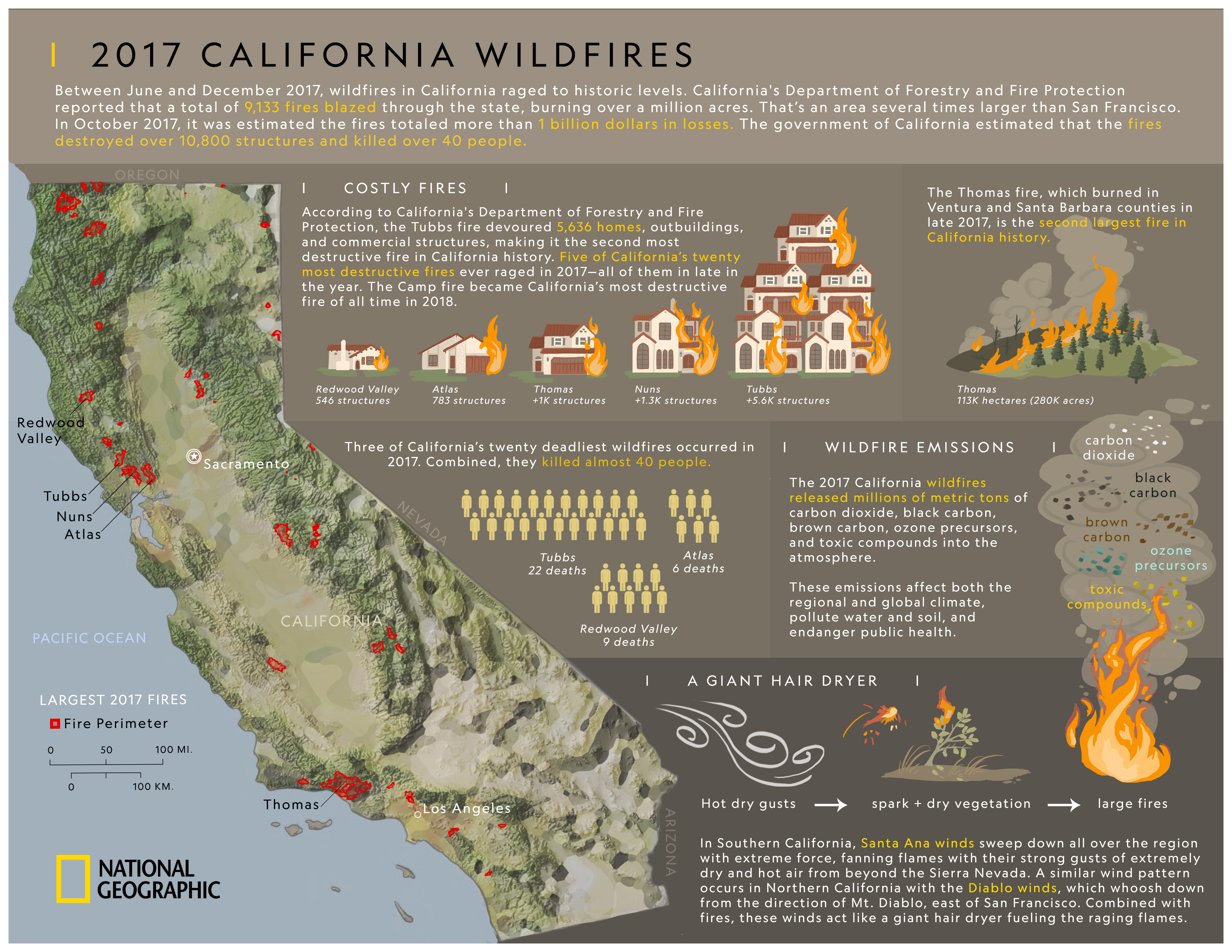
The answer to when these catastrophic events began isn’t a single date, but rather a series of ignition points that primarily commenced with frightening intensity in early October 2017, predominantly affecting Northern California. These initial blazes quickly escalated into what became known as the Northern California Wildfires, or the Wine Country Fires, leaving a lasting impact on popular tourist destinations, renowned landmarks, and countless communities. Later that year, Southern California would also experience its own major infernos, extending the season of devastation well into December. Understanding the timeline, the affected areas, and the subsequent impacts offers crucial insights for anyone planning future trips, seeking accommodation, or interested in the resilience of these remarkable regions.
The Genesis of Disaster: Unraveling the Start Dates in 2017
The 2017 wildfire season in California was a protracted and terrifying saga, but the most destructive phase began with remarkable swiftness. The primary cluster of fires, which garnered national and international attention due to their proximity to heavily populated and economically vital areas, ignited almost simultaneously.
The October Firestorm: A Week of Unprecedented Destruction
The true beginning of the 2017 wildfire crisis in California is largely associated with the night of October 8, 2017. Under the cover of darkness, fueled by powerful Diablo winds (hot, dry winds originating from the northeast), multiple blazes erupted across Northern California. Within hours, these fires spread with terrifying speed, engulfing vast areas, catching many residents and visitors completely by surprise.
Among the most devastating of these were:
- The Tubbs Fire: Igniting near Calistoga in Napa County (though much of its destruction was in Sonoma County), this fire started on October 8th and rapidly became one of the most destructive in California history in terms of structures lost. It tore through parts of Santa Rosa, a major city and economic hub, affecting numerous hotels and residential areas.
- The Atlas Fire: Also starting on October 8th in Napa County, this blaze swept through the eastern hills of Napa Valley, threatening wineries, resorts, and upscale accommodation options that draw tourists from around the globe.
- The Nuns Fire: Originating in Sonoma County on October 8th, this fire, along with several others, merged to form a complex of blazes that impacted the heart of Wine Country, including areas near Sonoma Plaza and the surrounding vineyards.
- The Redwood Valley Complex Fire: This significant event began on October 8th in Mendocino County, further north, bringing widespread destruction to rural communities.
- Other notable fires starting around the same date included the Sulfur Fire in Lake County and the Pocket Fire in Sonoma County / Napa County.
These fires, collectively, became a defining moment for California’s fire history, causing immense loss of life, property, and natural resources. The swift onset highlighted the extreme vulnerability of communities to intense wind-driven fires, especially after a period of drought followed by a wet winter that produced abundant fuel growth.
Later Season Fires: Southern California’s Turn
While the October fires in Northern California dominated headlines, the 2017 wildfire season extended well into December with a series of devastating blazes in Southern California. These later fires, fueled by powerful Santa Ana winds, demonstrated that no part of the state was immune.
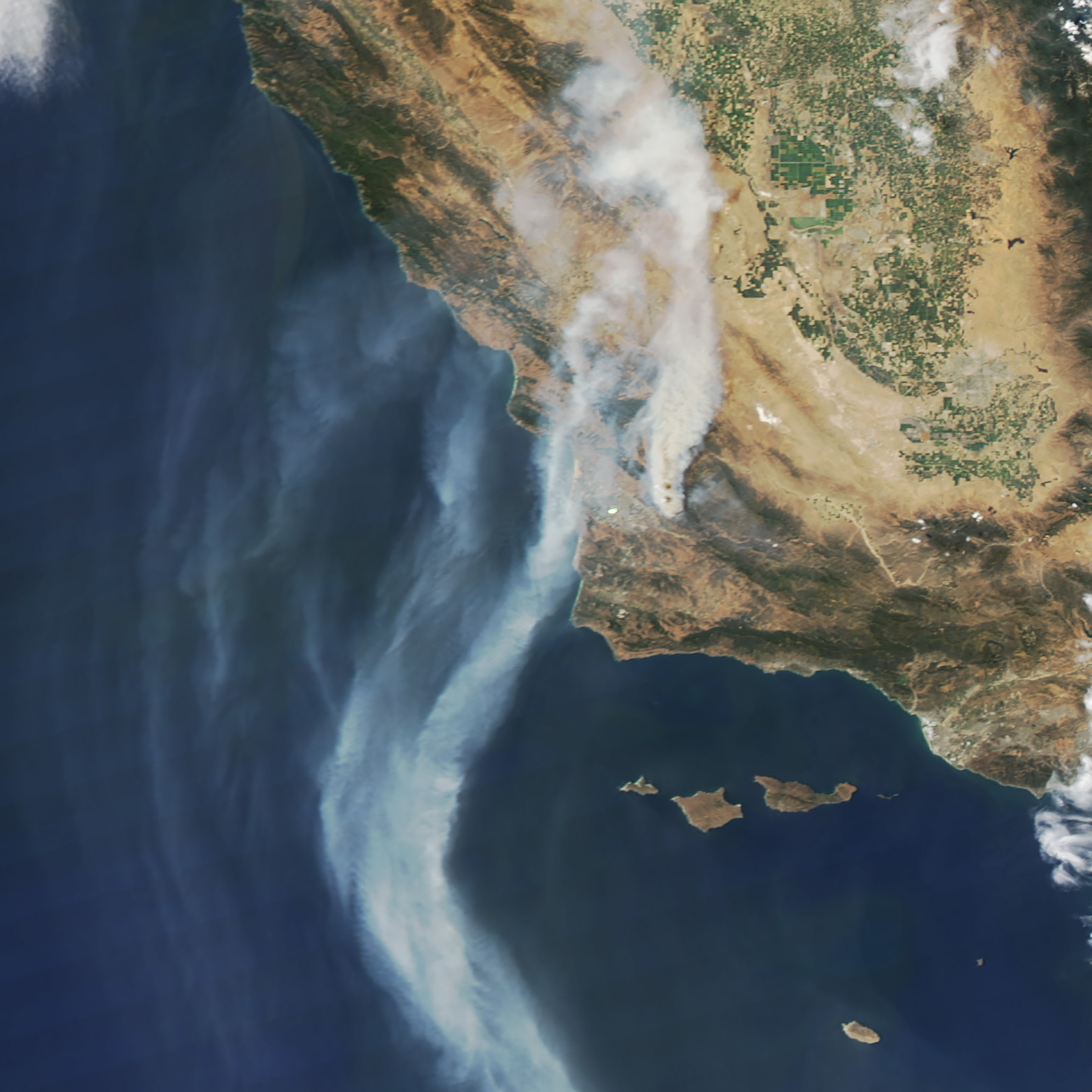
The most prominent Southern California fire was the Thomas Fire, which began on December 4, 2017, in Ventura County. This fire grew to be the largest wildfire in California history at the time, burning over 281,000 acres and causing immense destruction to communities like Ojai, Ventura, and later impacting Santa Barbara County and the exclusive enclave of Montecito. Other significant Southern California fires that December included the Creek Fire and Rye Fire in Los Angeles County, and the Skirball Fire, which threatened the Getty Center and high-value residential areas in Los Angeles.
These later fires extended the state of emergency, severely impacted travel plans during the holiday season, and brought the reality of prolonged wildfire seasons to the doorstep of major metropolitan areas.
Impact on Travel, Tourism, and Accommodation
The 2017 wildfires had a profound and immediate impact on California’s vibrant tourism industry, particularly in the affected regions. For a state that thrives on visitors exploring its diverse landscapes, wine regions, and cultural landmarks, the fires presented significant challenges.
Immediate Disruptions and Cancellations
As fires raged, numerous popular tourist destinations were either directly threatened, consumed, or rendered inaccessible. Road closures became widespread, halting travel to and from areas like Napa Valley and Sonoma County. Air quality deteriorated dramatically across vast swathes of Northern California, affecting even major cities like Oakland, San Francisco, and Sacramento, deterring visitors even in areas not directly impacted by flames.
The immediate consequence was a wave of cancellations for hotel reservations, wine tours, restaurant bookings, and events. Many hotels, resorts, and private accommodations (including Airbnb and VRBO listings) had to evacuate guests, sometimes in the middle of the night, or shut down entirely. Luxury resorts and boutique hotels in Wine Country faced not only cancellations but also direct damage, with some being completely destroyed. The effect on local economies, heavily reliant on tourism dollars, was immediate and severe. Many businesses that catered to visitors, from small cafes to large tour operators, saw their livelihoods threatened.
Accommodation Challenges and Community Support
Beyond the immediate loss, the fires created an unprecedented demand for accommodation for displaced residents. Hotels in nearby, unaffected cities quickly filled up, often offering discounted rates or free stays to evacuees. The role of hotels shifted from catering to leisure travelers to serving as temporary shelters and community hubs. Rental platforms like Airbnb activated their Open Homes program, connecting hosts willing to offer free short-term housing to those who had lost their homes. This highlighted the dual nature of accommodation in times of crisis: a vital resource for emergency shelter, not just for holidaymakers.
Longer-Term Recovery and Rebuilding Trust
In the aftermath, the challenge was not just physical rebuilding but also restoring visitor confidence. Campaigns like “Wine Country Strong” emerged, encouraging travelers to return and support the recovering local businesses. Many wineries, restaurants, and attractions reopened quickly, eager to welcome back guests and demonstrate their resilience. For destinations like Napa Valley and Sonoma County, where the allure is intertwined with the natural beauty and agricultural bounty, the visual scars of burned landscapes were a stark reminder of the recent trauma. Yet, the spirit of the communities, bolstered by state and federal aid, and the unwavering support of tourism professionals, drove a remarkable recovery effort. This demonstrated the immense resilience of these destinations and the importance of responsible tourism in aiding recovery.
Landmarks and Natural Wonders at Risk
California is home to an incredible array of landmarks, from iconic man-made structures to breathtaking natural wonders. The 2017 wildfires placed many of these irreplaceable treasures in harm’s way, raising concerns about their preservation and accessibility for future generations of travelers.
Iconic Destinations Threatened
While famous urban landmarks like the Golden Gate Bridge or Disneyland were not directly threatened by the flames, the pervasive smoke and air quality issues impacted the overall visitor experience in major cities like San Francisco and Los Angeles. However, some culturally and historically significant sites faced direct peril:
- Wine Country Estates: Many historic wineries and estates in Napa Valley and Sonoma County are considered landmarks in their own right, with architecture dating back over a century. Several of these, including parts of the iconic Signorello Estate and Paradise Ridge Winery, were either damaged or destroyed. These losses represented not just property, but pieces of California’s viticultural history and popular tourist attractions.
- The Getty Center: During the Skirball Fire in December, the flames came perilously close to the world-renowned Getty Center in Los Angeles. This architectural marvel, housing priceless art collections, was designed with significant fire protection features, which proved critical in safeguarding this major cultural landmark. The threat highlighted the vulnerability of even robustly protected urban attractions to extreme wildfire events.
- The Ojai Valley: The Thomas Fire devastated the scenic Ojai Valley, a tranquil haven known for its spiritual retreats, boutique hotels, and vibrant arts scene. While many core areas were saved, the surrounding natural beauty and specific landmarks were deeply affected, impacting the region’s tourism appeal.
Natural Parks and Wilderness Areas
California’s vast natural parks and wilderness areas, which are major draws for adventure travelers and nature enthusiasts, also bore the brunt of the fires. While not all major national parks like Yosemite National Park or Redwood National Park were directly engulfed by the 2017 fires, the overall fire season impacted access, air quality, and the ecosystems of many smaller state parks and national forests.
The Thomas Fire, for instance, burned through extensive areas of forest and chaparral, including parts of the Los Padres National Forest, altering landscapes that were once prime for hiking, camping, and wildlife viewing. The destruction of natural habitats impacts not only the local ecosystem but also future tourism and travel experiences, as areas need time to recover and reopen. The importance of protecting these natural landmarks for ecological balance and tourism is paramount.
Resilience and Recovery: A Lifestyle Shift
The narrative of the 2017 California wildfires is not solely about destruction; it’s also a powerful testament to resilience, community spirit, and a shift in lifestyle and travel awareness. The recovery process, which continues years later, has redefined how residents live and how visitors engage with the affected regions.
Community Rebuilding and Local Support
In the immediate aftermath, thousands of California residents faced the daunting task of rebuilding their lives. This created a strong emphasis on local support and community solidarity. For travelers and those in the tourism industry, this translated into calls for conscious travel – choosing to spend money at local businesses, opting for accommodation that directly benefits the community, and participating in volunteer efforts where appropriate. This shift in lifestyle encourages more meaningful travel experiences, moving beyond superficial consumption to genuine engagement with the destination’s recovery journey.
Many businesses, from boutique hotels in Santa Rosa to small family-owned wineries in Napa Valley, demonstrated remarkable fortitude. They rebuilt, reimagined, and reopened, often with improved fire-resistant designs and enhanced visitor safety protocols. This commitment to recovery not only preserved jobs and economic vitality but also reinforced the unique character of these regions.
Responsible Travel and Preparedness
The 2017 fires underscored the critical need for responsible travel practices, especially in fire-prone areas. This includes being aware of fire risks, respecting local guidelines (such as fire bans), and understanding the impact of one’s actions on the environment. For residents, the fires triggered a major shift in lifestyle planning, including emergency preparedness kits, evacuation routes, and landscaping choices that prioritize fire safety.
For the tourism sector, it meant integrating fire safety into travel guides and promoting responsible enjoyment of California’s natural landmarks. Hotels and resorts in fire-risk zones have invested in state-of-the-art warning systems and evacuation plans, providing guests with peace of mind. The conversation around “luxury travel” in California now often includes discussions about sustainable practices and resilience in the face of environmental challenges.
Long-Term Stay and Community Engagement
The aftermath of the fires also brought into focus the concept of long-term stay accommodation. Many displaced families sought furnished apartments or villas for extended periods while their homes were rebuilt. This highlighted the flexibility of the accommodation market, adapting to crisis needs beyond traditional vacation rentals.
For those interested in a deeper engagement with the region, considering long-term stays or even “volun-tourism” (combining travel with volunteering) became an attractive option. This allows visitors to contribute to the ongoing recovery, forge stronger connections with local communities, and experience the destination from a unique, impactful perspective, embodying a new facet of the lifestyle of giving back through travel.
Lessons Learned and Future Preparedness for Travelers
The 2017 California wildfires served as a stark, invaluable lesson for everyone involved in travel, tourism, and accommodation, emphasizing the critical importance of preparedness and informed decision-making. As the state continues to face the challenges of a warming climate and extended wildfire seasons, these lessons become even more pertinent for prospective travelers.
Prioritizing Safety and Information
The most crucial takeaway for any traveler planning a trip to California, especially during peak fire season (typically summer and fall), is to prioritize safety and stay informed. Before and during a trip, it’s essential to:
- Monitor official sources: Regularly check the websites of Cal Fire, the National Weather Service, and local county emergency services for real-time fire updates, air quality alerts, and evacuation orders.
- Understand local conditions: Be aware of fire danger ratings in the areas you plan to visit, particularly if your itinerary includes national or state parks or remote wilderness areas.
- Have an emergency plan: Know the emergency contact numbers, understand your hotel’s evacuation procedures, and identify multiple escape routes from your chosen accommodation.
Many hotels and resorts in fire-prone regions have significantly enhanced their safety protocols, including implementing better communication systems, staff training for emergencies, and sometimes even installing on-site fire suppression equipment. When booking accommodation, it is prudent to inquire about their emergency preparedness measures.
Adapting Travel Plans and Flexible Bookings
The unpredictability of wildfires means that travelers should adopt a flexible mindset. Consider purchasing comprehensive travel insurance that covers unforeseen cancellations or changes due to natural disasters. Many airlines, hotels, and tour operators have also become more adaptable in their booking policies, offering greater flexibility for cancellations or rebooking during times of crisis. Websites like Booking.com and Expedia often provide alerts regarding natural disasters in specific destinations.
While wildfires can temporarily impact certain regions, California is vast and diverse. If one area is affected, countless other stunning destinations often remain safe and welcoming. Being prepared to pivot your itinerary to another beautiful part of the state can ensure your travel plans remain enjoyable, showcasing the state’s incredible breadth of attractions. This might mean trading a Wine Country tasting for a coastal retreat to Monterey Bay or exploring the vibrant city life of San Diego.

Supporting Sustainable Tourism and Local Economies
Finally, the 2017 fires reinforced the importance of sustainable and responsible tourism. When traveling to areas that have experienced such events, making conscious choices to support local businesses, participate in eco-friendly activities, and minimize your environmental footprint contributes directly to the region’s long-term recovery and resilience. Choosing independently owned hotels, dining at local restaurants, and buying from local artisans all help in rebuilding the economic fabric of affected communities. This proactive approach to travel not only enriches your own experience but also plays a vital role in ensuring that California’s cherished landmarks, vibrant communities, and stunning natural beauty continue to thrive for future generations of travelers.
The 2017 California wildfires began, for many, on that fateful night of October 8th in Northern California, followed by a destructive wave in Southern California in December. These events underscored the fragility of paradise and the enduring strength of its people. For those who seek to explore California’s wonders, understanding this history is key to embarking on informed, safe, and meaningful travel experiences in this extraordinary state.
LifeOutOfTheBox is a participant in the Amazon Services LLC Associates Program, an affiliate advertising program designed to provide a means for sites to earn advertising fees by advertising and linking to Amazon.com. Amazon, the Amazon logo, AmazonSupply, and the AmazonSupply logo are trademarks of Amazon.com, Inc. or its affiliates. As an Amazon Associate we earn affiliate commissions from qualifying purchases.