
The question “When did the California Wildfire start?” is one that often arises with a sense of urgency and concern, particularly for those planning to travel to, or live within, the Golden State. However, it’s a question that doesn’t have a singular, simple answer. California does not experience “the” wildfire; rather, it contends with a recurring, often devastating, phenomenon of wildfires that ignite at various times throughout the year, primarily during an extended fire season. These events are deeply intertwined with the state’s unique climate, geography, and increasingly, the impacts of a changing global climate.
For visitors and residents alike, understanding the patterns, causes, and consequences of these fires is crucial, especially when considering California travel and tourism. The state’s diverse landscapes, from the iconic redwoods of Redwood National Park to the sun-drenched beaches of Malibu and the majestic peaks surrounding Lake Tahoe, are incredible draws, but they also present varying degrees of vulnerability to fire. This article will delve into the complex timeline of California wildfires, their causes, and the significant implications they hold for destinations and attractions, hotels and accommodation providers, and the overall travel lifestyles of those who wish to explore this vibrant state.
Understanding the Context: The Nature of California Wildfires
The perception of a “California wildfire” as a single entity often stems from the widespread media coverage of large, destructive blazes. In reality, thousands of fires ignite across the state each year. While many are small and quickly contained, others escalate into major incidents that dominate headlines and impact vast areas. The timing of these fires is not random; it follows discernible patterns influenced by seasonal weather, human activity, and the evolving climate.
Historical Perspective: Key Dates and Significant Events
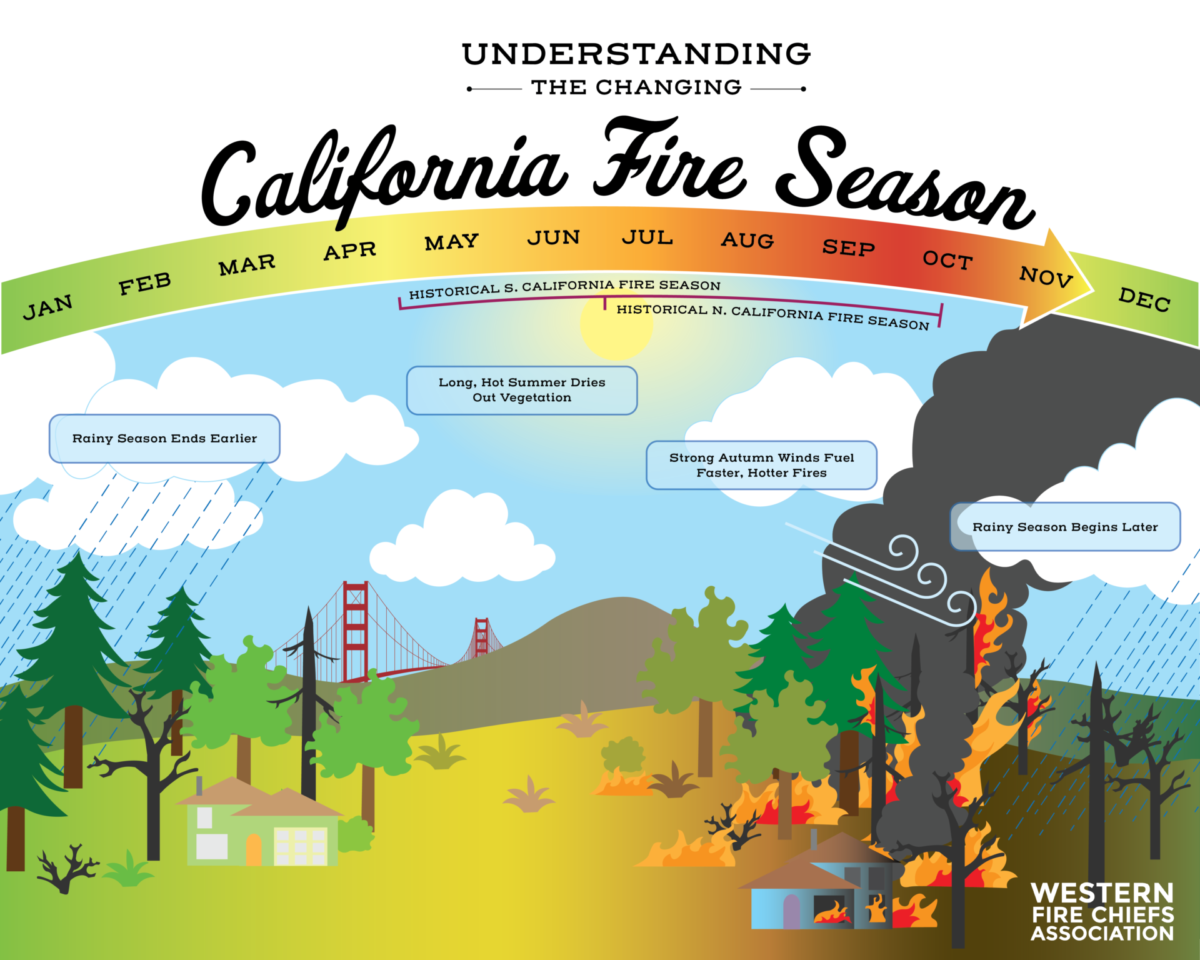
Historically, California’s fire season traditionally ran from late spring through late autumn, often peaking in the dry, hot months of August, September, and October. This period aligns with the prevalence of Santa Ana winds in Southern California and Diablo Winds in Northern California, which can rapidly spread flames across desiccated landscapes. However, in recent decades, this “season” has dramatically lengthened, effectively becoming a year-round threat.
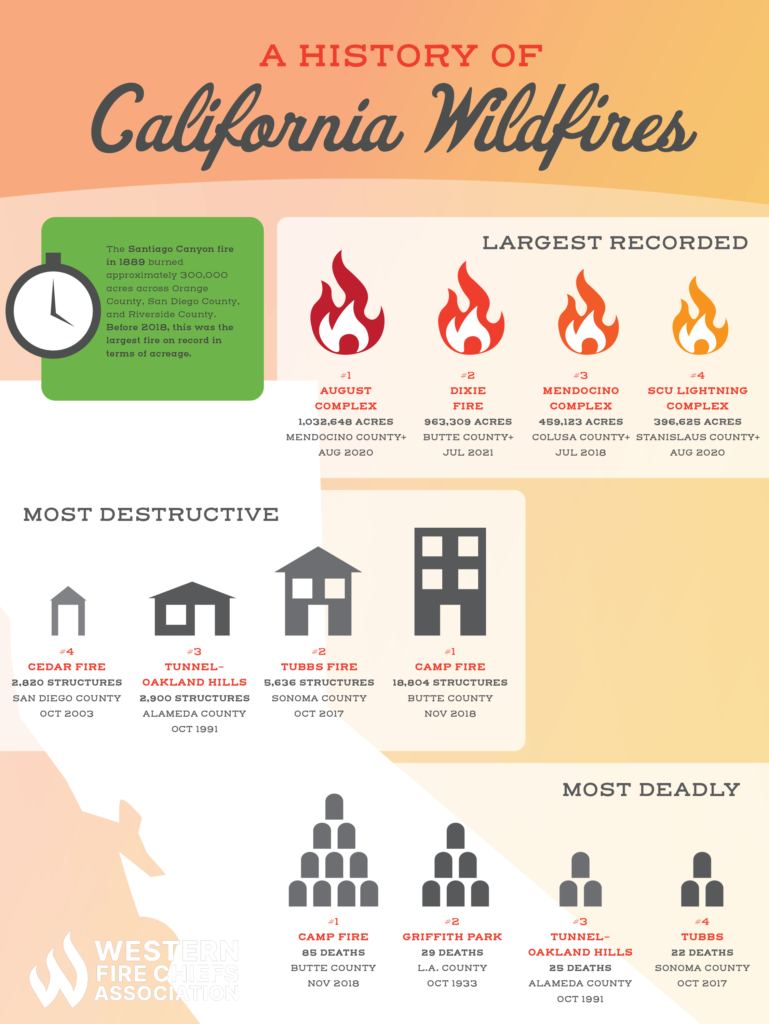
Major fires can start at almost any time, but the most destructive ones frequently occur when conditions are exceptionally dry and windy. For instance, the infamous Camp Fire, which devastated the town of Paradise in 2018, ignited in early November. Similarly, the Woolsey Fire, impacting areas like Malibu and Agoura Hills around the same time, underscored the danger of late-season fires. The Thomas Fire in 2017, one of California’s largest at the time, also began in December, burning well into the new year and severely impacting Ventura and Santa Barbara counties. More recently, the Dixie Fire of 2021, the second-largest in state history, started in July and burned for months, ravaging vast expanses of the Plumas National Forest and impacting communities in Lassen and Tehama counties. These examples illustrate that while there are peak periods, the threat of fire is a persistent one.
The Role of Climate Change and Human Factors
The expansion of California’s fire season and the increasing intensity of wildfires are largely attributable to a complex interplay of factors, with climate change at the forefront. Longer periods of drought, higher temperatures, and reduced snowpack contribute to vast amounts of dry vegetation, acting as prime fuel. The state’s Mediterranean climate naturally features dry summers, but global warming exacerbates these conditions, leading to earlier spring thaws and later first frosts.
Human factors also play a significant role in ignitions. Power lines, faulty equipment, vehicle accidents, discarded cigarettes, unattended campfires, and arson are all common starting points. As urban development expands into wildland-urban interface areas, the potential for human-caused ignitions increases, often placing homes and communities directly in harm’s way. Understanding these underlying causes is essential for developing effective prevention strategies and for travelers to appreciate the broader context of fire risk.
Direct Impacts on California Travel and Tourism
The impact of wildfires extends far beyond the immediate burn scar. They reshape landscapes, alter ecosystems, and significantly disrupt the vibrant California travel and tourism industry, which relies heavily on the state’s natural beauty and outdoor attractions.
Disruptions to Destinations and Attractions
When fires rage, popular destinations and attractions often face closures, evacuations, or severe smoke impacts. National Parks like Yosemite National Park, Sequoia National Park, and Joshua Tree National Park have frequently experienced temporary closures, limiting access to iconic landmarks like El Capitan, Half Dome, and the ancient giant sequoias. Even without direct fire threat, smoke can travel hundreds of miles, significantly diminishing air quality in major cities like San Francisco, Los Angeles, and Sacramento, deterring visitors seeking clear skies and outdoor activities.
California’s renowned wine country, including Napa Valley and Sonoma Valley, has been repeatedly affected, with direct damage to vineyards and wineries, as well as smoke taint impacting grape harvests. The perception of risk can lead to widespread cancellations, even in areas not directly threatened by flames, dealing a significant blow to local economies dependent on wine tourism, culinary experiences, and boutique hotels. Coastal regions like Big Sur and Santa Barbara, known for their scenic drives and luxurious resorts, also face threats. Post-fire, the risk of mudslides and rockfalls can lead to prolonged road closures along Highway 1, further impacting tourism flow.
Challenges for Hotels and Accommodation Providers
The hotels and accommodation sector is particularly vulnerable during and after wildfire events. Evacuations lead to immediate cancellations, and decreased tourist confidence results in a downturn in bookings for weeks or even months. Properties in affected areas, ranging from grand resorts in Palm Springs to charming bed and breakfasts in Carmel-by-the-Sea or rustic cabins near Mammoth Lakes, can suffer significant financial losses. Some properties may even be directly damaged or destroyed by fire, necessitating extensive rebuilding or permanent closure.
Beyond direct impacts, even distant smoke can deter visitors from booking stays in cities like San Diego or Anaheim, where attractions like Disneyland heavily rely on consistent tourist traffic. The challenge for these businesses is not only immediate recovery but also restoring traveler confidence and adapting to a landscape where fire risk is an ongoing consideration. This includes implementing fire-resistant landscaping, improving evacuation plans, and transparently communicating safety measures to potential guests.

Shifting Travel Lifestyles and Perceptions
Wildfires are undeniably changing travel lifestyles in California. Travelers are becoming more aware of the seasonal risks and are increasingly seeking information on fire conditions, air quality, and safety protocols before and during their trips. This has led to a shift in how people plan their vacations, with some opting for shoulder seasons or less fire-prone areas.
Concerns about safety, air quality, and the environmental impact of travel in fire-affected regions are leading to a greater demand for sustainable tourism options and a more responsible approach to visiting natural areas. Travelers are more likely to support businesses and destinations that demonstrate resilience and commitment to environmental stewardship. This shift encourages destinations to invest in fire mitigation, eco-friendly practices, and clear communication strategies to maintain their appeal.
Navigating California Post-Wildfire: Planning Your Trip
While wildfires present undeniable challenges, California remains an unparalleled destination. For those planning a trip, thoughtful consideration and preparedness can ensure a safe and enjoyable experience, while also contributing positively to the state’s recovery efforts.
Responsible Tourism and Supporting Local Economies
After a wildfire, local communities often face immense economic hardship. Tourism, when conducted responsibly, can be a vital lifeline for recovery. Visiting fire-affected areas when it is safe to do so, and spending money at local businesses—wineries in Paso Robles, restaurants in Healdsburg, artisan shops in Ojai—directly contributes to their rebuilding efforts. It’s important to research which areas are open, what the local needs are, and how to minimize your impact. Engage with locals, learn about their experiences, and share positive stories to help change negative perceptions. Being a mindful and supportive traveler is more important than ever.
Safety Measures and Preparedness for Travelers
Safety should be paramount for any trip to California, especially during fire season. Before traveling, consult official sources like Cal Fire, local emergency services, and park websites for the latest information on fire activity, road closures, and air quality advisories. Many apps and websites provide real-time air quality data (e.g., PurpleAir, AirNow).
Travelers should also have a personal preparedness plan. This includes knowing evacuation routes for their accommodation, keeping a full tank of gas, and having essential documents and medications easily accessible. Travel insurance that covers fire-related disruptions can also provide peace of mind. Flexibility is key; be prepared to adjust your itinerary if conditions change. Always adhere to local warnings and never ignore evacuation orders.
Emerging Opportunities: Sustainable Tourism and Resilience
The recurring nature of wildfires is also spurring innovation in sustainable tourism and community resilience. Destinations are investing in fire-resistant infrastructure, ecological restoration projects, and educational programs for visitors. For example, some parts of Mendocino County are exploring how responsible tourism can fund forest management and fire prevention.
Travelers interested in eco-tourism or learning about fire ecology can seek out guides who offer tours focused on regeneration and adaptation in fire-affected landscapes. This offers a unique perspective on California’s natural cycles and the human efforts to live sustainably with fire. Supporting accommodations that implement green practices and engage in community resilience initiatives can further reinforce positive change.
Iconic California Landmarks and Their Vulnerability
California is home to an astonishing array of natural and man-made California landmarks that define its identity and draw millions of tourists each year. Many of these treasured sites, however, exist within landscapes prone to wildfires, making their protection a constant concern.
Protecting Natural Wonders and Cultural Sites
The giant sequoia groves in Sequoia National Park and Kings Canyon National Park (which includes the Giant Forest home to General Sherman Tree) have faced direct threats from wildfires, requiring extraordinary protective measures, such as wrapping the bases of ancient trees in fire-resistant foil. Similarly, the unique desert ecosystem of Joshua Tree National Park has seen portions of its iconic Joshua trees destroyed by fire. Lassen Volcanic National Park in northern California has also experienced extensive fires within its boundaries, altering landscapes and closing popular hiking trails.
Urban and cultural landmarks are also at risk. The hills surrounding Los Angeles, including the Hollywood Hills that cradle the Hollywood Sign and the Griffith Observatory, are historically fire-prone. Wildfires near these areas pose threats not only to structures but also to the surrounding natural vegetation that defines their scenic appeal. Historical missions, such as Mission Santa Barbara and Mission San Juan Capistrano, built with historical materials in dry Mediterranean climates, require continuous vigilance and fire-wise landscaping to protect their irreplaceable heritage. Even the renowned Hearst Castle, perched on a hillside near the coast, has experienced nearby fire activity, underscoring the pervasive nature of the threat.
The question “When did the California Wildfire start?” serves as a gateway to understanding a complex and evolving challenge. While it’s clear there isn’t a single starting point, but rather a persistent and intensifying phenomenon, California remains an incredibly resilient and vibrant destination. By understanding the historical context, the impacts on tourism, and by practicing responsible and informed travel, visitors can continue to explore the state’s unparalleled beauty, support its communities, and contribute to a more sustainable future for California travel and tourism. The spirit of discovery and adventure continues, now coupled with a deeper appreciation for preparedness and stewardship.
LifeOutOfTheBox is a participant in the Amazon Services LLC Associates Program, an affiliate advertising program designed to provide a means for sites to earn advertising fees by advertising and linking to Amazon.com. Amazon, the Amazon logo, AmazonSupply, and the AmazonSupply logo are trademarks of Amazon.com, Inc. or its affiliates. As an Amazon Associate we earn affiliate commissions from qualifying purchases.