
California, a land synonymous with golden beaches, majestic mountains, world-renowned vineyards, and vibrant cities like Los Angeles and San Francisco, has long captivated travelers from across the globe. Its allure as a premier destination for diverse experiences – from luxury resorts to adventurous outdoor escapades – is undeniable. However, beneath this shimmering facade lies a profound ecological reality: the recurring challenge of wildfires. For those planning a trip, considering a long-term stay, or simply curious about the natural landscape, understanding the origins and patterns of California wildfires is crucial. The question “When did the California wildfires start?” is not merely a search for a single date, but an exploration into a complex interplay of natural cycles, human activity, and a changing climate, all of which significantly impact travel, tourism, and lifestyle in the Golden State.
Wildfires in California are not a new phenomenon; they are an integral part of the state’s natural ecosystem, deeply rooted in its Mediterranean climate. However, in recent decades, their frequency, intensity, and destructiveness have escalated, transforming them into a critical concern for residents and visitors alike. This shift profoundly affects how we perceive and engage with California as a travel destination, influencing everything from booking accommodations to choosing itineraries that prioritize safety and sustainability.
A Chronology of California’s Fiery Seasons
To truly grasp the contemporary challenge of California wildfires, we must first look back at their historical context. These fires are not an anomaly but rather a historically ingrained element of the state’s natural rhythm, albeit one that has dramatically intensified in recent times.
The Historical Perspective: Fire as a Natural Force
Long before modern development, fire played a vital role in California’s ecosystems. The native peoples of California, such as the Yurok and Karuk tribes, practiced sophisticated methods of controlled burning for millennia. These indigenous practices, often referred to as cultural burns, helped manage vegetation, promote biodiversity, and prevent the build-up of dense fuel loads that lead to catastrophic fires. These controlled burns typically occurred in the late fall or early winter, clearing underbrush and creating firebreaks.
Historically, natural ignitions, primarily lightning strikes during dry thunderstorms, would spark fires, especially in the vast wilderness areas of the Sierra Nevada mountains or coastal ranges. These fires, though sometimes large, were part of a natural cycle, clearing older vegetation, allowing new growth to flourish, and maintaining healthy forest ecosystems. Records from the Spanish colonial period and early American settlement also document numerous fires, indicating that the landscape was always prone to burning, particularly during the dry season from late spring through autumn. The concept of a distinct “wildfire season” has always existed, tied directly to the annual cycle of rainfall and drought.
The Modern Era of Intensification: A Troubling Trend
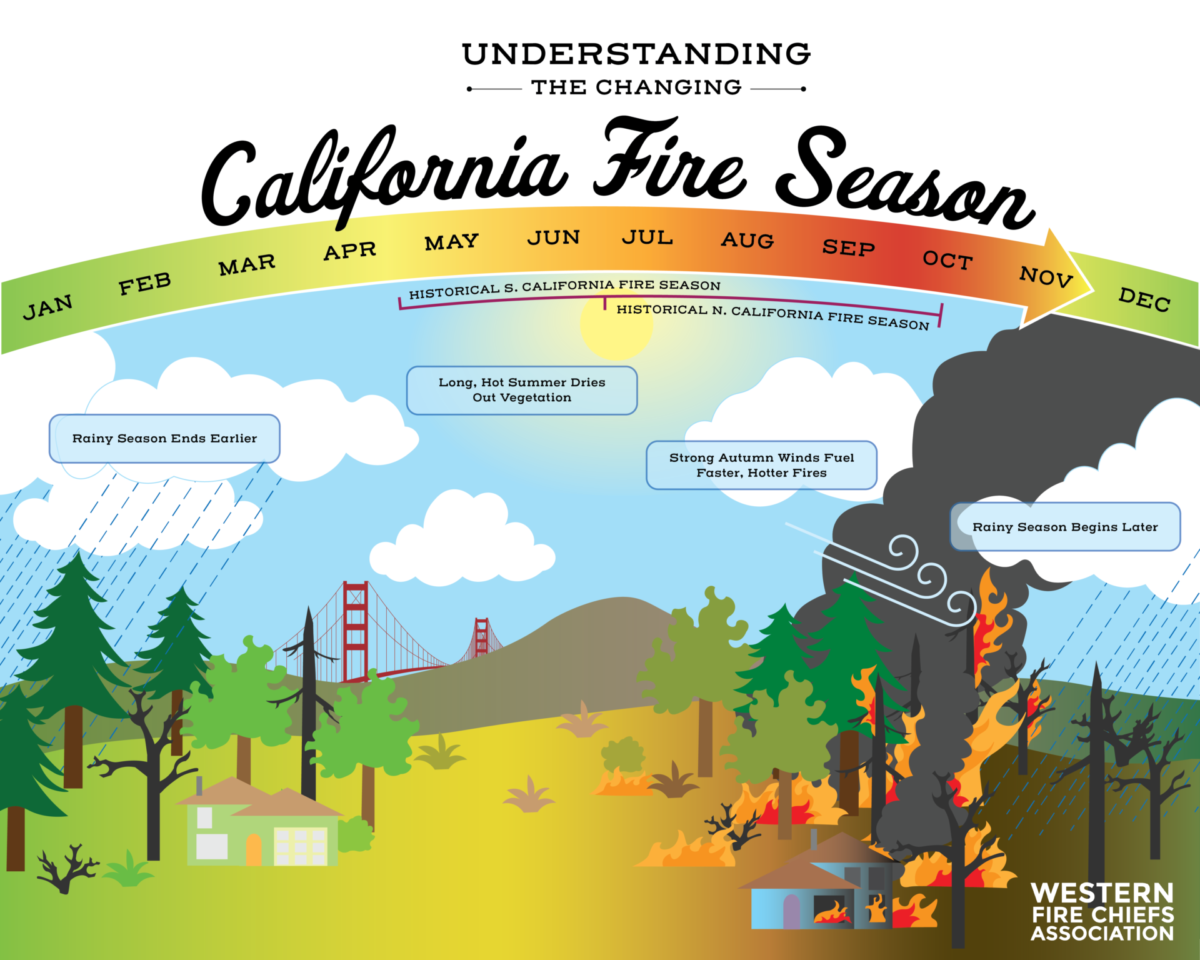
While fires have always been present, the “start” of the modern California wildfire crisis, as we understand it today, is a more recent phenomenon, largely emerging in the last few decades. The early 2000s marked a significant turning point, with a noticeable increase in both the number and scale of destructive fires. The season began to stretch longer, often starting earlier in the spring and extending further into the late fall or even winter.
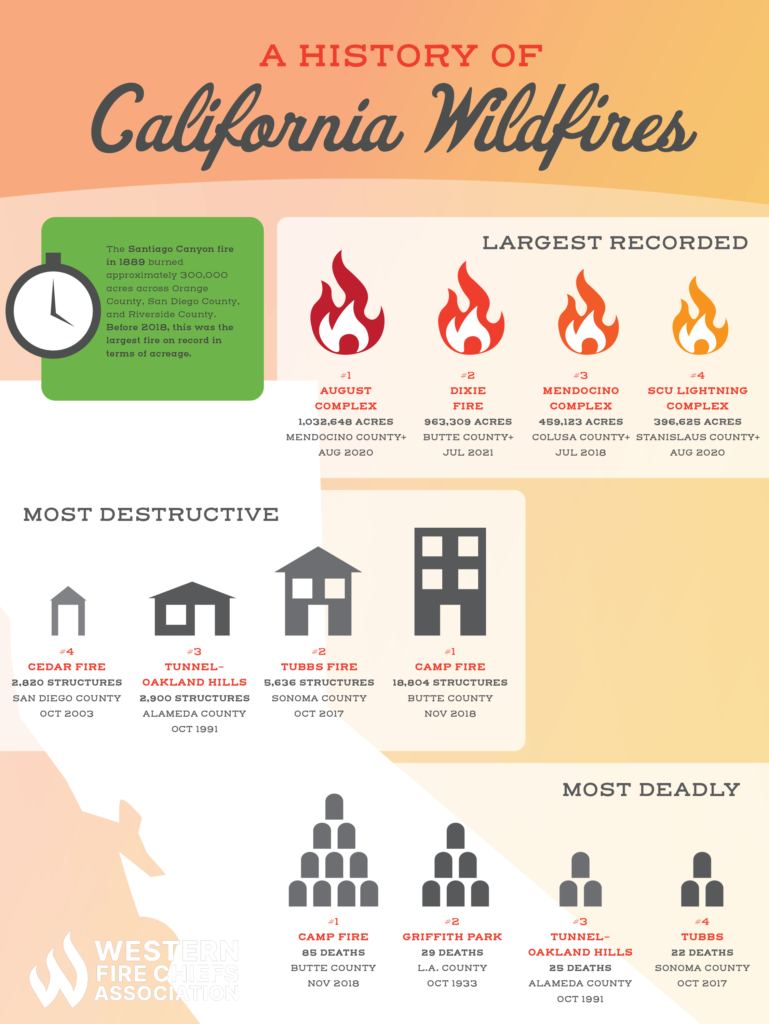
This intensification reached alarming levels in the latter half of the 2010s and early 2020s. Years like 2017, 2018, and 2020 stand out as particularly devastating, shattering previous records for acres burned and structures destroyed.
- The 2017 wildfire season saw the Thomas Fire become, at the time, California’s largest wildfire, impacting communities around Ventura and Santa Barbara. Simultaneously, the North Bay fires devastated parts of Napa and Sonoma Counties, critically affecting the wine tourism industry.
- 2018 brought the tragic Camp Fire, which virtually obliterated the town of Paradise in Butte County, and the Woolsey Fire, which ravaged areas of Malibu and Ventura County. These events captured global attention due to their scale and human cost.
- 2020 was an unprecedented year, with the August Complex Fire becoming the largest recorded wildfire in California’s history, burning over a million acres. This season was characterized by numerous lightning-sparked fires during an intense heatwave, overwhelming firefighting resources and blanketing much of the state in dense, hazardous smoke.
- 2021 continued the trend with the Dixie Fire, becoming the second-largest single wildfire in California history, impacting the Sierra Nevada and causing significant air quality issues even as far away as Lake Tahoe.
These modern fires often begin in late summer or early fall, coinciding with the peak of dry vegetation and the arrival of powerful Santa Ana winds in Southern California or Diablo winds in the north. The exact “start” varies each year, but the trend has been towards earlier starts and longer durations, blurring the traditional boundaries of the fire season.
Understanding the Triggers: More Than Just a Spark
The question of “when” a wildfire starts is intimately linked to “why” it starts. The modern intensification of California wildfires can be attributed to a combination of factors, both natural and human-induced, exacerbated by broader environmental shifts.
Natural and Anthropogenic Causes
Wildfires typically begin with an ignition source. Historically, natural causes like lightning strikes have always been a primary factor, especially in remote, wilderness areas. These natural ignitions can be particularly dangerous during “dry lightning” storms, where lightning occurs without significant rainfall, setting dry fuels ablaze.
However, a significant percentage of California wildfires are human-caused. These anthropogenic ignitions can range from accidental to intentional:
- Downed power lines: Aging infrastructure, especially in rural, fire-prone areas, can spark fires during high winds or extreme weather. Many of California’s most destructive fires, including the Camp Fire, have been linked to utility equipment.
- Human carelessness: This includes unattended campfires, discarded cigarettes, sparks from machinery (such as grinding or welding equipment), vehicle accidents, and even fireworks.
- Arson: A small but impactful percentage of fires are intentionally set.
- Debris burning: Escaped backyard burns, especially during dry conditions, can quickly get out of control.
The proximity of human development to wildland areas, often called the Wildland Urban Interface (WUI), means that even a small, accidental spark can have devastating consequences for homes, businesses, and infrastructure, impacting local communities and the travel industry directly.
The Role of Climate Change and Drought
While ignitions provide the spark, the conditions that allow fires to spread so rapidly and intensely are increasingly influenced by climate change. California’s climate is naturally characterized by hot, dry summers. However, global warming has amplified these conditions:
- Rising temperatures: Warmer temperatures lead to increased evaporation from soils and vegetation, drying out forests and chaparral more quickly and to a greater extent. This creates abundant, highly flammable fuel.
- Prolonged droughts: California has experienced severe, multi-year droughts in recent times, stressing vegetation and making it more susceptible to fire. Trees weakened by drought are also more vulnerable to insect infestations, like bark beetles, which kill trees and create more dead, dry fuel.
- Changes in precipitation patterns: While some years may see heavy rainfall, the overall trend suggests more variability and less consistent moisture retention, leading to rapid drying.
- Wind events: The notoriously strong, dry winds like the Santa Ana winds (Southern California) and Diablo winds (Northern California) have always been a factor, but when combined with extreme dryness, they can transform small fires into raging infernos, carrying embers for miles and making containment incredibly challenging. These winds often peak in the fall, precisely when vegetation is driest after the long summer.
The net effect is a landscape primed to burn, where fires ignite easily, spread quickly, and burn with exceptional intensity, leading to longer and more destructive wildfire seasons that impact tourism, outdoor activities, and the general lifestyle of residents and visitors.

The Far-Reaching Impact on Travel and Lifestyle
The rise of severe California wildfires has undeniably reshaped the travel and lifestyle landscape of the state. From iconic landmarks to hidden local gems, the threat and reality of fire dictate how visitors experience California.
Disruptions to Destinations and Accommodation
Wildfires directly threaten popular tourist destinations and critical infrastructure.
- National Parks and Forests: Majestic natural attractions like Yosemite National Park, Sequoia National Park, and numerous national forests are frequently closed during fire events for visitor safety or to facilitate firefighting operations. This can lead to cancelled bookings for cabins, campsites, and hotels within or near park boundaries, disrupting carefully planned itineraries and significantly impacting local economies reliant on tourism.
- Coastal Drives and Scenic Routes: Iconic routes like the Pacific Coast Highway through areas like Big Sur can be closed due to active fires, smoke, or landslide risks following burns. This reroutes travelers and can make reaching remote accommodations challenging.
- Wine Country: Regions like Napa Valley and Sonoma County, famous for their vineyards, resorts, and culinary experiences, have been directly impacted by fires. While the landscapes recover, the immediate aftermath can see vineyard tours canceled, restaurants closed, and hotels experiencing a drastic drop in occupancy. The perception of smoke taint on grapes can also affect the wine industry’s long-term reputation.
- Hotels, Resorts, and Vacation Rentals: Beyond direct damage, accommodations in affected areas often face mass cancellations. Even properties outside the immediate fire zone can see reduced bookings due to general concerns about air quality, road closures, or simply a desire to avoid an area perceived to be at risk. This creates a ripple effect throughout the hospitality sector, from luxury suites to budget-friendly apartments. The unpredictability of these events makes booking, comparison, and long-term stay planning particularly challenging for both travelers and property owners.
Air Quality and Health Concerns
One of the most widespread impacts of wildfires, extending far beyond the immediate burn areas, is the deterioration of air quality due to smoke.
- Health Risks: Wildfire smoke contains fine particulate matter that can travel hundreds of miles, causing respiratory problems, eye irritation, and exacerbating conditions like asthma or heart disease. This poses a significant health risk, especially for vulnerable populations, including children, the elderly, and individuals with pre-existing health conditions.
- Impact on Outdoor Activities: Dense smoke can make outdoor activities, from hiking in Lake Tahoe to strolling through San Francisco parks, unpleasant or even dangerous. Many tourists come to California for its natural beauty and outdoor experiences, making poor air quality a major deterrent.
- Travel Disruptions: While less common than road closures, severe smoke can occasionally lead to flight delays or cancellations at airports, further complicating travel logistics and forcing visitors to reconsider their plans.
Reshaping Travel Decisions and Preparedness
The increasing regularity of wildfires has instilled a new layer of consideration for travelers planning a trip to California.
- Insurance and Flexibility: Travel insurance that covers wildfire-related cancellations or evacuations has become more important. Travelers are advised to book flexible accommodations and flights where possible.
- Information and Alerts: Staying informed about current fire conditions, evacuation orders, and air quality advisories from official sources like Cal Fire or local emergency services is paramount. This shifts some of the planning burden onto the traveler.
- Alternative Destinations: Travelers might opt for different regions of California or even other states if their primary destination is threatened by fire or smoke. This impacts regional tourism distribution.
- Responsible Tourism: There’s a growing emphasis on responsible tourism, including supporting local businesses during recovery, adhering to fire safety guidelines (e.g., proper campfire etiquette, not discarding cigarette butts), and understanding the ecological challenges faced by the region. This aspect aligns with a more conscious and sustainable lifestyle approach to travel.
Navigating California Safely: Tips for Travelers
For all its challenges, California remains an unparalleled destination. With awareness and preparedness, travelers can still enjoy its diverse offerings while being mindful of wildfire risks.
Stay Informed and Flexible
The best defense against wildfire disruptions is information and adaptability.
- Monitor Official Sources: Before and during your trip, regularly check the Cal Fire website, local news outlets, and county emergency services websites for updates on active fires, road closures, and air quality advisories. Apps like AirNow.gov can provide real-time air quality data.
- Travel Insurance: Consider purchasing comprehensive travel insurance that covers cancellations or interruptions due to natural disasters like wildfires. Read the policy carefully to understand its terms.
- Flexible Bookings: Whenever possible, choose accommodations and transport options that offer flexible cancellation or rebooking policies. This provides peace of mind if plans need to change suddenly.
- Have Backup Plans: Identify alternative destinations or activities in case your original plans are impacted. For example, if a national park is closed, research coastal towns or city attractions as a backup.
- Emergency Kit: If you’re undertaking a road trip or visiting remote areas, carry an emergency kit including water, non-perishable food, a first-aid kit, and a fully charged phone.
Supporting Sustainable Tourism
Choosing to visit California also presents an opportunity to contribute positively to its resilience.
- Choose Eco-Conscious Accommodations: Look for hotels, resorts, and villas that implement sustainable practices, reducing their environmental footprint. Many accommodations in California are committed to green initiatives.
- Respect Local Guidelines: When visiting natural areas, always adhere to fire restrictions, such as campfire bans or specific trail closures. Understand and respect the local culture of preparedness.
- Support Local Businesses: If an area has been affected by fires, make an effort to support local businesses, restaurants, and attractions during their recovery phase. Tourism plays a crucial role in economic rebound.
- Educate Yourself: Learn about California’s ecology and the role of fire. Understanding the landscape fosters a deeper appreciation and encourages responsible behavior.
In conclusion, the question “When did the California wildfires start?” reveals a journey from ancient ecological cycles to a modern crisis amplified by climate change and human activity. While fires have always been a part of California’s story, the intensified and prolonged fire seasons of recent decades mark a new chapter, significantly impacting everything from major landmarks to small, charming hotels and the very essence of the California lifestyle. For travelers, understanding these dynamics is key to planning a safe, informed, and enjoyable trip, ensuring that the Golden State’s magnificent allure can continue to be experienced for generations to come. By being prepared and choosing responsible travel, visitors can still immerse themselves in the rich experiences that California so uniquely offers.