
The history of Major League Baseball is replete with iconic franchises, but few boast a narrative as rich and deeply interwoven with their city’s identity as the Detroit Tigers. For over a century, the Tigers have been a cornerstone of Detroit’s cultural landscape, mirroring the city’s triumphs and tribulations. Their quest for baseball’s ultimate prize, the World Series championship, has provided some of the most memorable moments in Detroit’s storied past. Far more than just sporting victories, these championships stand as historical landmarks, encapsulating the spirit of different eras and offering profound insights into the city’s journey through the 20th century.
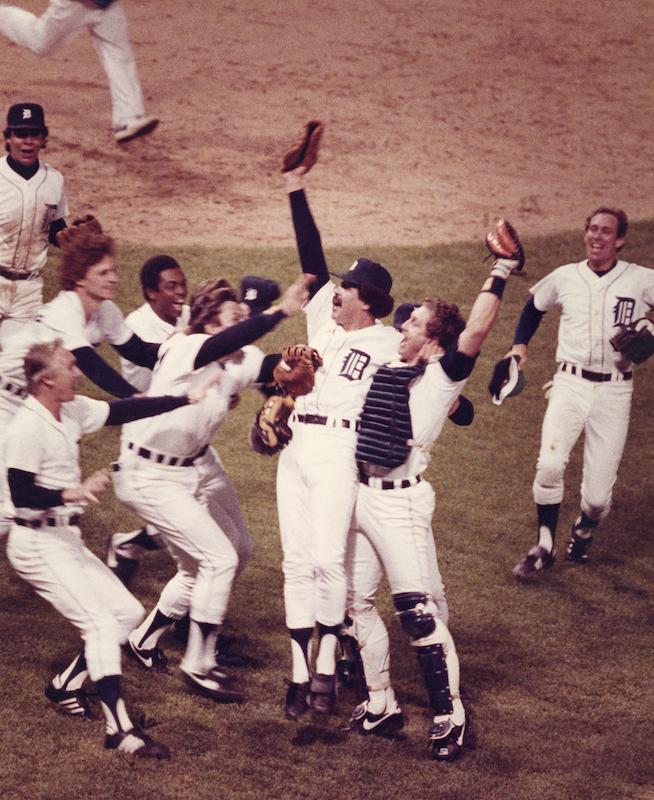
The question of “When did the Detroit Tigers win the World Series?” delves into a fascinating tapestry of resilience, perseverance, and collective jubilation. The franchise has hoisted the Commissioner’s Trophy four times, each victory a testament to exceptional talent, strategic prowess, and the unwavering support of a passionate fan base. These aren’t merely dates on a calendar; they are chapters in Detroit’s history, moments that transcended the diamond to impact the morale and identity of an entire metropolitan area. From the pre-war industrial boom to post-war recovery, the tumult of the 1960s, and the resurgence of the 1980s, the Tigers’ championship seasons offer a unique lens through which to explore the broader historical narrative of the Motor City.
Echoes of a Roaring Era: The Early Triumphs (1935 & 1945)
The Detroit Tigers’ first two World Series victories came during a tumultuous period in American history, bookending the Great Depression and coinciding with the final throes of World War II. These championships were not just baseball wins; they were morale boosters for a nation grappling with economic hardship and global conflict. For Detroit, a city at the heart of America’s industrial might, these triumphs symbolized resilience and the enduring power of community.
The Inaugural Victory: 1935 Against the Chicago Cubs
After decades of near misses and the heartbreak of losing three World Series in the early 1900s, including those featuring legendary Ty Cobb, the Detroit Tigers finally captured their first championship in 1935. Under the shrewd leadership of player-manager Mickey Cochrane, the team was a powerhouse. The roster boasted future Hall of Famers like first baseman Hank Greenberg, a slugger of immense talent, and outfielder Goose Goslin. The 1935 regular season saw the Tigers dominate the American League, winning 93 games.
The stage was set for a showdown against the Chicago Cubs in the World Series. The series was a hard-fought battle, but Detroit ultimately prevailed in six games. The decisive moment came in Game 6 at Briggs Stadium (later Tiger Stadium), when Goose Goslin’s single in the bottom of the ninth inning scored the winning run, sealing the 4-3 victory and the championship. The city erupted in celebration, a much-needed respite from the economic anxieties of the era. The 1935 team became an instant legend, etching their names into the annals of Detroit’s sporting and historical landmarks.
Post-War Jubilation: The 1945 Championship
Just a decade later, with the world still reeling from the devastating impact of World War II, the Detroit Tigers brought another World Series title to the city in 1945. This championship was particularly poignant, as many star players had served in the military during the war, and the league saw many temporary players fill rosters. However, as the war drew to a close, some key players, including Hank Greenberg, returned to the team.
The 1945 season was marked by stellar pitching performances from aces Hal Newhouser and Dizzy Trout. They led the Tigers to the American League pennant, setting up a World Series clash once again with the Chicago Cubs. The series unfolded over seven gripping games. In the decisive Game 7, held at Briggs Stadium, the Tigers triumphed with a convincing 9-3 victory. Hank Greenberg’s towering home run in Game 6 and the overall team effort solidified their place in history. The 1945 championship provided a powerful symbol of hope and normalcy for a nation transitioning from war to peace, and for Detroit, it was a celebration of victory on the field mirroring the hard-won victory overseas.
A Symbol of Resilience: The 1968 World Series
The 1968 World Series victory holds a particularly cherished place in the hearts of Detroit residents, transcending mere sporting achievement to become a powerful symbol of unity and resilience for a city in turmoil. This championship arrived at a pivotal moment, offering a beacon of hope and a rallying point during a decade marked by significant social and economic upheaval.
Detroit’s Tumultuous Decade and a Team’s Unifying Power
The 1960s were a challenging period for Detroit. The city had experienced significant racial tensions, culminating in devastating riots in 1967, which left deep scars and exacerbated existing divisions. Against this backdrop of social unrest and uncertainty, the Detroit Tigers emerged as a source of immense civic pride and a unifying force. The team, affectionately known as “The Bless You Boys,” had captured the city’s imagination, their on-field performance serving as a welcome distraction and a shared passion that brought people together regardless of background.
The 1968 season was a magical ride. Led by the charismatic 31-game winner Denny McLain and the steady veteran presence of Al Kaline, alongside power-hitting outfielder Willie Horton, the Tigers stormed through the American League. Their remarkable season culminated in a dramatic pennant race and a highly anticipated clash in the World Series against the formidable St. Louis Cardinals.
The Thrilling Seven-Game Series Against the St. Louis Cardinals
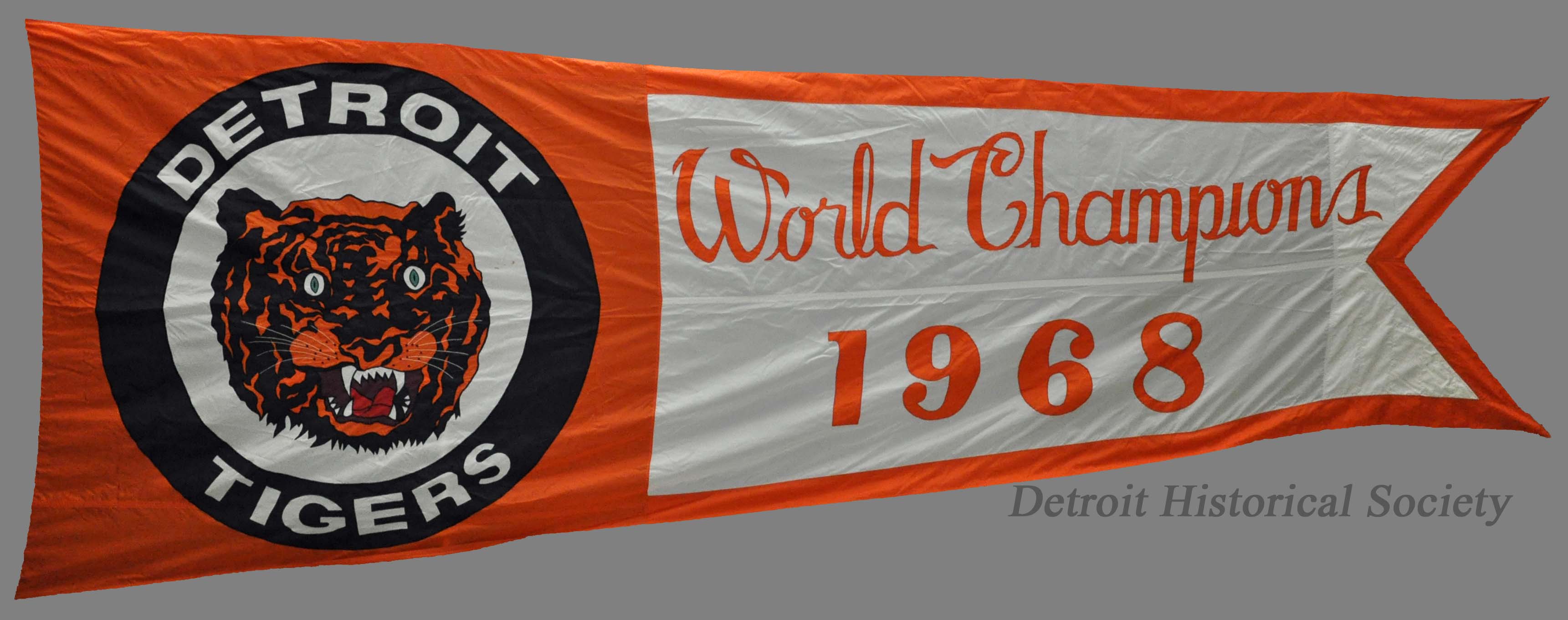
The 1968 World Series is legendary for its dramatic swings and the incredible pitching duel it presented. The Cardinals were led by their ace, Bob Gibson, who famously dominated the first two games, including a record-setting 17-strikeout performance in Game 1. Detroit found themselves down 3-1 in the series, facing what seemed like insurmountable odds.
However, the Tigers refused to yield. Displaying incredible grit and determination, they mounted a historic comeback. With their backs against the wall, Mickey Lolich (another key pitcher) delivered three complete-game victories, including the decisive Game 7. In that climactic game, played at Busch Stadium in St. Louis, Detroit defeated the Cardinals 4-1, clinching their third World Series title. The iconic image of Al Kaline embracing his teammates, or Willie Horton’s crucial throw to save a run in Game 5, remains etched in the memories of fans. The victory sparked an explosion of joy in Detroit, a city united in celebration, proving that even in challenging times, shared triumphs could bring immense healing and pride.
The Roar of ’84: A Dominant Season
After the euphoria of 1968, the Detroit Tigers endured some lean years, marked by near misses and rebuilding efforts. However, the early 1980s heralded a new era of optimism and a team that would become one of the most dominant in modern baseball history. The 1984 season, culminating in their fourth World Series championship, was a masterclass in consistency and power, leaving an unforgettable mark on the sport and the city.
Wire-to-Wire: A Season for the Ages
The 1984 Detroit Tigers, managed by the legendary Sparky Anderson, were a team built for greatness. From opening day, they served notice that they were a force to be reckoned with. The Tigers started the season with a remarkable 35-5 record, setting a pace that few teams in history have matched. They led the American League East division from wire-to-wire, never relinquishing first place, a testament to their exceptional depth and talent. The team was a cohesive unit, featuring a strong pitching staff led by Jack Morris, a formidable lineup with stars like the double-play tandem of Alan Trammell and Lou Whitaker, and the power of Kirk Gibson.
Their dominance extended into the postseason, where they swept the Kansas City Royals in the American League Championship Series, showcasing their offensive firepower and pitching prowess. The city of Detroit was electric, with fans knowing that this team had the potential to go all the way. The atmosphere at Tiger Stadium was unparalleled, echoing with the roar of a city united in its passion for its beloved team.
Conquering the San Diego Padres
The 1984 World Series pitted the dominant Detroit Tigers against the upstart San Diego Padres. While the Padres had their own compelling narrative, the Tigers’ juggernaut proved too powerful. The series, though competitive at times, ultimately saw Detroit clinch the championship in five games.
Key performances defined the series, notably Alan Trammell’s two home runs in Game 4, earning him the series MVP honors. Jack Morris delivered two stellar pitching performances, including the series-clinching win. The decisive moment came in Game 5 at Tiger Stadium, when Kirk Gibson famously hit a three-run home run off Goose Gossage in the eighth inning, securing the 8-4 victory and the World Series title. The city of Detroit erupted in a joyous celebration that reverberated throughout the region, marking a triumphant period for both the team and the city, solidifying the 1984 Tigers as one of baseball’s most iconic championship teams.
Beyond the Trophies: The Enduring Legacy of the Detroit Tigers
The Detroit Tigers’ four World Series championships – in 1935, 1945, 1968, and 1984 – are more than just dates in a sports almanac; they are integral historical landmarks woven into the fabric of Detroit’s identity. Each victory tells a story not only of athletic prowess but also of societal context, reflecting the city’s struggles, its resilience, and its capacity for collective joy. These championships are celebrated not just for the wins themselves, but for what they represented to the people of Detroit during challenging and triumphant times.
Baseball as a Historical Tapestry
Baseball, often called America’s pastime, has a unique ability to chronicle history. The Tigers’ championships offer a vivid historical tapestry. The 1935 and 1945 victories provided a much-needed morale boost during the Great Depression and World War II, showcasing the enduring human spirit in times of global crisis. The 1968 win became a symbol of unity and healing for a city grappling with profound social unrest, demonstrating how a shared passion could bridge divides. And the 1984 dominance represented a period of resurgence and confidence for Detroit, capturing the vibrant energy of the decade.
These teams, and the stadiums where they played – from Briggs Stadium to Tiger Stadium – are remembered as historical landmarks where generations of fans gathered, forging indelible memories. The roar of the crowd, the crack of the bat, and the shared anticipation of a championship season became part of the city’s collective consciousness. Broadcasts by legendary voices like Ernie Harwell brought these moments into homes, cementing them in the local cultural landscape.
Remembering the Heroes and the Moments
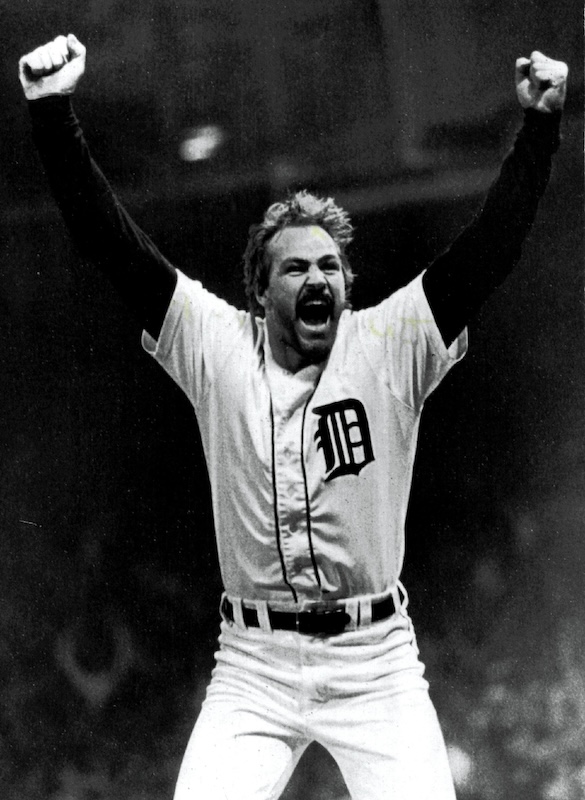
The names of the players who contributed to these championships—Hank Greenberg, Al Kaline, Denny McLain, Jack Morris, Alan Trammell, Kirk Gibson—are synonymous with Detroit sports history. They are celebrated not just for their athletic feats but for their role in crafting these historic moments. These individuals, along with managers like Mickey Cochrane and Sparky Anderson, became more than just athletes; they became heroes who embodied the city’s spirit.
Even for those who weren’t alive to witness these specific victories, their echoes resonate through the city. Conversations about Detroit history often weave in tales of these World Series triumphs, highlighting their significance in shaping the city’s narrative. From downtown Detroit to its surrounding communities, the legacy of these championships serves as a powerful reminder of shared experiences, collective achievements, and the enduring bond between a team and its city. They are truly historical landmarks that continue to inspire and unite generations of Detroiters.
LifeOutOfTheBox is a participant in the Amazon Services LLC Associates Program, an affiliate advertising program designed to provide a means for sites to earn advertising fees by advertising and linking to Amazon.com. Amazon, the Amazon logo, AmazonSupply, and the AmazonSupply logo are trademarks of Amazon.com, Inc. or its affiliates. As an Amazon Associate we earn affiliate commissions from qualifying purchases.