
The question “When did the Giants move to San Francisco?” marks a pivotal moment in American sports history, signaling not just a geographical shift for a beloved baseball team, but a profound change in the cultural fabric of two major cities. The answer, a firm fixture in the annals of baseball, is that the San Francisco Giants began their tenure in the Golden City with the 1958 Major League Baseball season. This move was far more than a simple relocation; it was a saga of urban development, fan loyalty, and the evolving landscape of professional sports, leaving an indelible mark on both New York City and San Francisco. For travelers and sports enthusiasts, understanding this history enhances any visit to San Francisco, transforming a trip to Oracle Park into an immersive journey through time, connecting modern tourism with a rich, storied past.
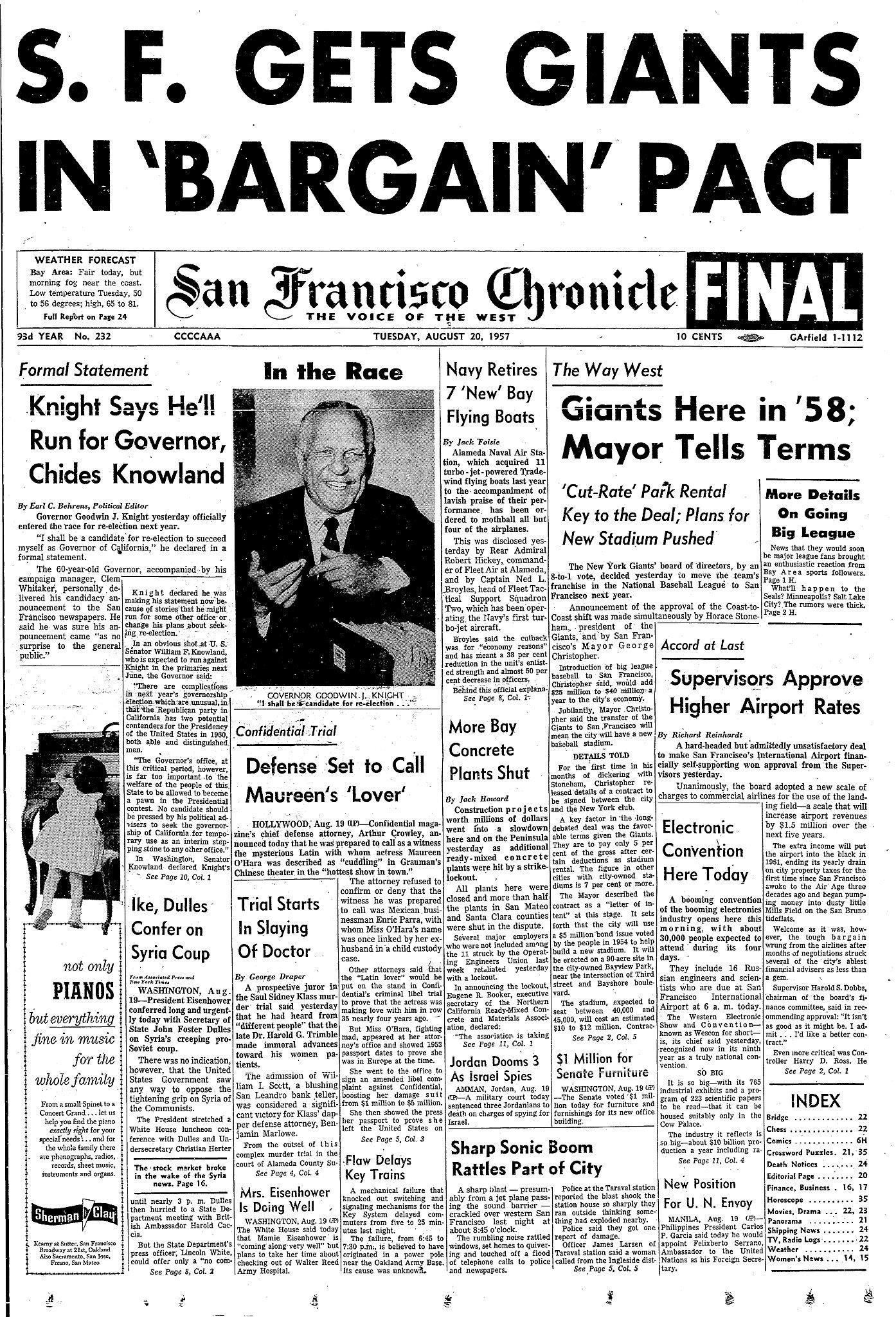
The relocation of the Giants from New York to San Francisco was part of a broader westward expansion of Major League Baseball in the mid-20th century, forever altering the league’s geography and creating new epicenters of baseball fandom. This monumental decision, orchestrated by then-owner Horace Stoneham, opened up a new chapter for the franchise, bringing top-tier professional baseball to the West Coast and establishing a new legacy for one of the sport’s most iconic teams. For those planning a trip, exploring the history surrounding this move enriches the experience of visiting San Francisco, offering insights into the city’s vibrant sports culture, its iconic landmarks, and the lifestyle of its passionate residents.
The New York Giants’ Storied Past and the Dawn of a New Era
Before becoming the San Francisco Giants, the team boasted a formidable history as the New York Giants, a powerhouse franchise deeply embedded in the heart of New York City’s sports scene. Their story is intertwined with legendary rivalries, championship triumphs, and the very essence of American baseball, making their departure a moment of profound sadness for many and a symbol of new beginnings for others.
From Polo Grounds Glory to a Cross-Continental Journey
For over 70 years, the New York Giants called the iconic Polo Grounds home, nestled in upper Manhattan. This legendary stadium witnessed some of baseball’s most memorable moments, including the “Shot Heard ‘Round the World” – Bobby Thomson’s dramatic walk-off home run against the Brooklyn Dodgers in 1951, clinching the National League pennant. The Giants cultivated a fierce rivalry with the Dodgers and the New York Yankees, defining an era of baseball where New York was unequivocally the capital of the sport. The team’s roster featured legends like Christy Mathewson, Mel Ott, and Willie Mays, whose incredible talents captivated millions.
However, despite their rich history and superstar players, the post-World War II era brought significant challenges. Attendance at the aging Polo Grounds began to dwindle, partly due to the stadium’s increasingly dilapidated condition and its location, which became less accessible as urban dynamics shifted. Horace Stoneham, the owner of the Giants, faced mounting financial pressures and a lack of support for a new stadium from New York City officials.
In a parallel and equally impactful development, the Brooklyn Dodgers, led by owner Walter O’Malley, were also seeking a new home. O’Malley had ambitious plans for a privately financed stadium in Brooklyn but encountered similar governmental resistance. His gaze eventually turned westward, towards the booming potential of Los Angeles, a city eager to embrace Major League Baseball. Stoneham and O’Malley, realizing the logistical advantages of moving as a pair – preserving the National League’s two-team presence in California and minimizing travel costs for other teams – coordinated their plans. This fateful decision paved the way for the Giants to move to San Francisco and the Dodgers to Los Angeles, irrevocably changing the landscape of professional sports in America.
The Historic Relocation: Why San Francisco?
The decision to move west was not made lightly, but San Francisco presented an irresistible opportunity for a struggling franchise and a forward-thinking league. The city, known for its iconic landmarks and vibrant culture, was ripe for Major League Baseball.
A City Eager for Major League Baseball
San Francisco in the mid-1950s was a burgeoning metropolis with a rich history, a growing population, and a distinct lack of major professional sports teams. The idea of hosting a Major League Baseball team resonated deeply with city officials and residents alike. Mayor George Christopher of San Francisco played a crucial role in luring the Giants to the Bay Area. He actively pursued the team, promising a receptive fanbase and, crucially, a site for a new, modern ballpark. The allure of tapping into a completely new market on the West Coast, combined with the prospect of a state-of-the-art facility, made San Francisco an incredibly attractive destination for Horace Stoneham.
The vision was clear: to transplant a storied franchise into a city eager to embrace it, promising renewed enthusiasm and financial stability. For travelers, this historical context provides a fascinating backdrop when exploring San Francisco. Understanding the city’s ambition to become a major sports hub adds another layer to appreciating its identity as a world-class destination, a place where history, innovation, and vibrant lifestyle converge. The move was not just about baseball; it was about civic pride and putting San Francisco firmly on the national stage.
The Inaugural Season in the Golden City
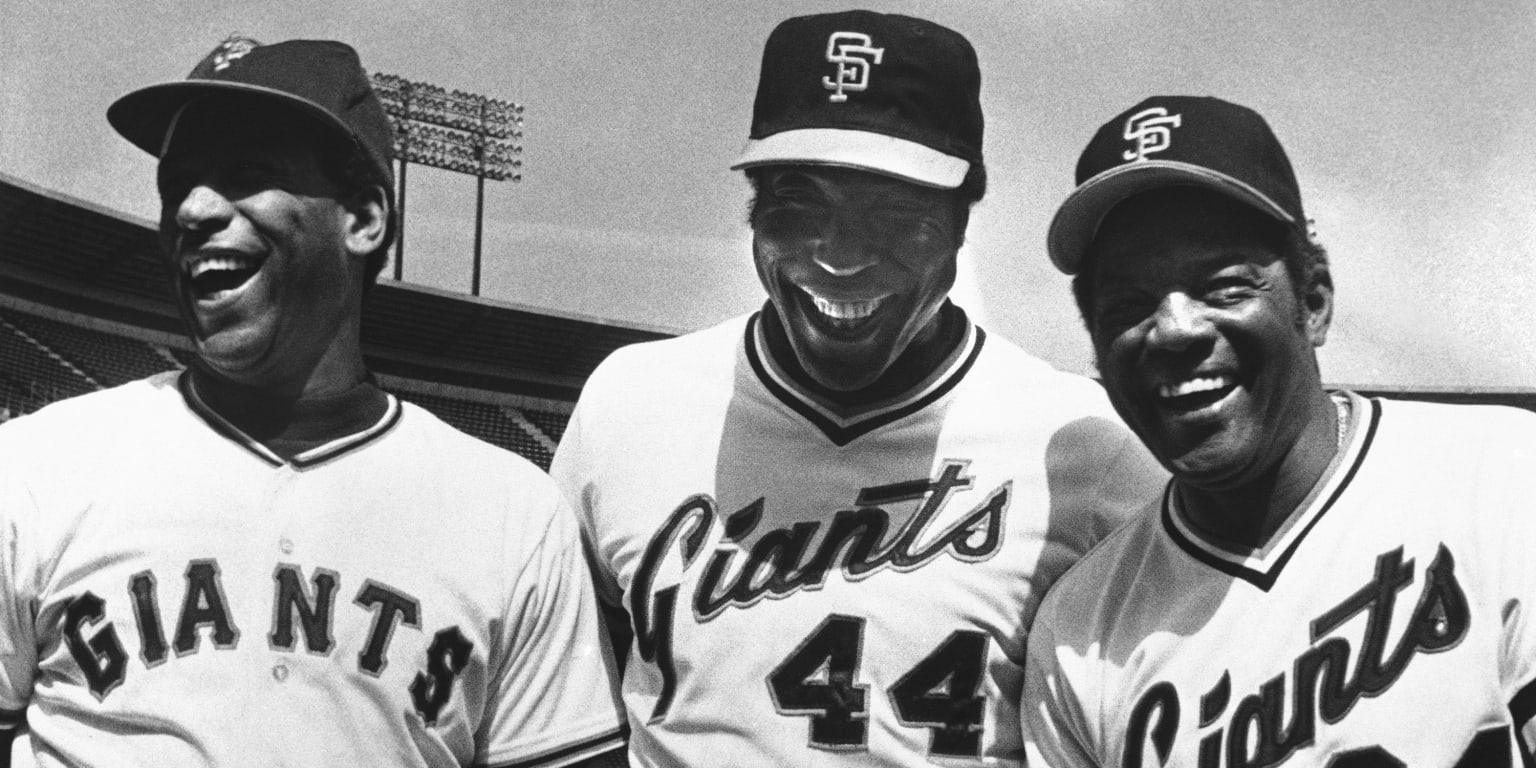
The 1958 season marked the official debut of the San Francisco Giants. The team temporarily played its home games at Seals Stadium, a charming minor league ballpark in the Mission District that had been home to the San Francisco Seals of the Pacific Coast League. Despite the stadium’s modest size, the excitement in San Francisco was palpable. The city welcomed its new team with open arms, packing Seals Stadium with enthusiastic fans eager to witness Major League Baseball firsthand.
The star power of players like Willie Mays immediately captivated the San Francisco faithful. Mays, a living legend who had honed his craft in New York, quickly became the face of the San Francisco Giants, cementing his place as one of the greatest players of all time in a new city. His electrifying play and charismatic personality helped bridge the gap between the team’s New York past and its San Francisco future, fostering a deep connection with the local community. The inaugural season was a testament to the city’s readiness for big-league sports and set the stage for decades of memorable baseball in the Bay Area. For baseball tourists, imagining the early days at Seals Stadium offers a fascinating contrast to the modern experience at Oracle Park, highlighting the evolution of both the team and the city’s landmarks.
A Legacy Forged in the West: From Candlestick to Oracle Park
The move to San Francisco was just the beginning of the Giants’ West Coast narrative. Their journey from a temporary home to a state-of-the-art stadium reflects the city’s growth and the team’s enduring presence as a major landmark and lifestyle cornerstone.
The Evolution of Giants’ Homes and Fan Experiences
After two seasons at Seals Stadium, the Giants moved into their purpose-built new home: Candlestick Park. Opened in 1960, Candlestick Park quickly became renowned, not just for its baseball, but for its notoriously challenging weather. Perched on a peninsula overlooking San Francisco Bay, “The Stick” was infamous for its swirling winds, biting cold, and frequent fog, making games an adventurous experience for both players and fans. Despite the climatic challenges, Candlestick Park became the backdrop for many significant moments, including the 1962 World Series and the harrowing 1989 World Series earthquake, which struck just before Game 3 between the Giants and the Oakland Athletics. The stadium, though criticized for its conditions, developed a unique character and held a special place in the hearts of generations of Giants fans.
As the millennium approached, the desire for a modern, downtown ballpark grew stronger. The vision was to create a venue that offered a superior fan experience, integrated seamlessly with the urban landscape, and capitalized on San Francisco’s natural beauty. This dream materialized with the construction of what is now known as Oracle Park. Opening its doors in 2000 as Pacific Bell Park (later AT&T Park), the ballpark revolutionized the fan experience. Nestled on the waterfront in the South Beach neighborhood, it boasts stunning views of San Francisco Bay, the Bay Bridge, and the city skyline. It’s universally lauded as one of the most beautiful baseball stadiums in the country, a true landmark of modern San Francisco. Its design, amenities, and location transformed game days into comprehensive entertainment events, drawing tourists and locals alike.
The Modern San Francisco Giants Experience: Travel, Tourism & Lifestyle
Today, Oracle Park is not just a baseball stadium; it’s a premier travel destination and a cornerstone of San Francisco’s tourism appeal. For sports enthusiasts and casual travelers alike, attending a San Francisco Giants game at Oracle Park is an essential San Francisco experience. The park offers an array of attractions beyond the game itself, from gourmet food options that reflect San Francisco’s famed culinary scene to unique vantage points for watching the game, including kayakers waiting for home runs in McCovey Cove.
For those planning a trip, the area around Oracle Park offers a wealth of tourism opportunities. Visitors can explore nearby landmarks such as the historic Ferry Building Marketplace, a hub for local food and artisan goods, or venture a bit further to Fisherman’s Wharf and Pier 39 for classic San Francisco experiences. A visit to Ghirardelli Square for its famous chocolate is a delightful treat.
Accommodation options abound for travelers. Luxury hotels like the Four Seasons Hotel San Francisco or the Palace Hotel offer exquisite amenities and convenient access to downtown attractions. Boutique hotels in vibrant neighborhoods like South of Market (SoMa) or Union Square provide unique stays, while numerous budget-friendly hotels and vacation rentals cater to every type of traveler. Many hotels offer views of the Bay Bridge or are a short walk or transit ride from the ballpark, making it easy to enjoy a game and explore the city.
The lifestyle around Giants game days is infectious. Pre-game rituals include tailgating in the parking lots, enjoying drinks at local pubs, or dining at one of the many restaurants in the Mission Bay and SoMa districts. Post-game, the atmosphere remains electric as fans celebrate victories or commiserate over losses, often spilling into the lively nightlife spots of North Beach or the Castro. This integration of sports into the city’s social fabric makes attending a game a quintessential San Francisco lifestyle experience.
Beyond baseball, San Francisco offers an unparalleled array of tourist attractions. Visitors can marvel at the iconic Golden Gate Bridge, explore the infamous Alcatraz Island, navigate the twists and turns of Lombard Street, or immerse themselves in the unique cultures of Chinatown and Haight-Ashbury. Whether you’re a luxury traveler seeking top-tier resorts or a budget-conscious adventurer, San Francisco caters to all, blending its historic baseball legacy with a dynamic, modern urban experience. The story of the Giants’ move is a fundamental thread in the tapestry of San Francisco’s identity, making the city not just a place to visit, but a narrative to explore.
The relocation of the Giants to San Francisco in 1958 was a landmark event that reshaped Major League Baseball and profoundly impacted two great American cities. It marked the end of an era for New York baseball and ushered in a new age of sports and tourism for the Golden City. Today, the San Francisco Giants are a cherished institution, a source of immense civic pride, and a key attraction for travelers worldwide. From the storied past at the Polo Grounds to the modern marvel that is Oracle Park, their journey is a testament to the enduring power of baseball to connect communities, inspire passion, and create unforgettable travel experiences. For anyone seeking to delve into the heart of San Francisco’s culture, history, and vibrant lifestyle, a visit to a Giants game is an essential part of the adventure.
LifeOutOfTheBox is a participant in the Amazon Services LLC Associates Program, an affiliate advertising program designed to provide a means for sites to earn advertising fees by advertising and linking to Amazon.com. Amazon, the Amazon logo, AmazonSupply, and the AmazonSupply logo are trademarks of Amazon.com, Inc. or its affiliates. As an Amazon Associate we earn affiliate commissions from qualifying purchases.