
Hurricane Irma, a storm of unprecedented scale and fury, left an indelible mark on the landscape and lives of Floridians in September 2017. While the immediate aftermath was characterized by widespread destruction and the urgent need for recovery, understanding the precise timeline of its landfall and its impact is crucial for historical context, disaster preparedness, and even for those planning future travel to the affected regions. This article delves into the timeline of Hurricane Irma’s impact on Florida, examining its path, the preparation and evacuation efforts, and the subsequent recovery, all through the lens of how such events can influence tourism and lifestyle choices.

The Devastating Approach: Tracking Hurricane Irma’s Path
Hurricane Irma’s genesis as a powerful Category 5 hurricane in the Atlantic Ocean was a harbinger of the immense threat it posed. Its trajectory, initially across the Caribbean, began to draw the attention of meteorologists and emergency management officials weeks before it reached the United States. As the storm churned, its projected path shifted, creating a period of intense uncertainty and anxiety for coastal communities. The National Hurricane Center provided continuous updates, with forecasts indicating a potential direct hit on South Florida.
From the Caribbean to the Sunshine State: Irma’s Landfall and Initial Impact
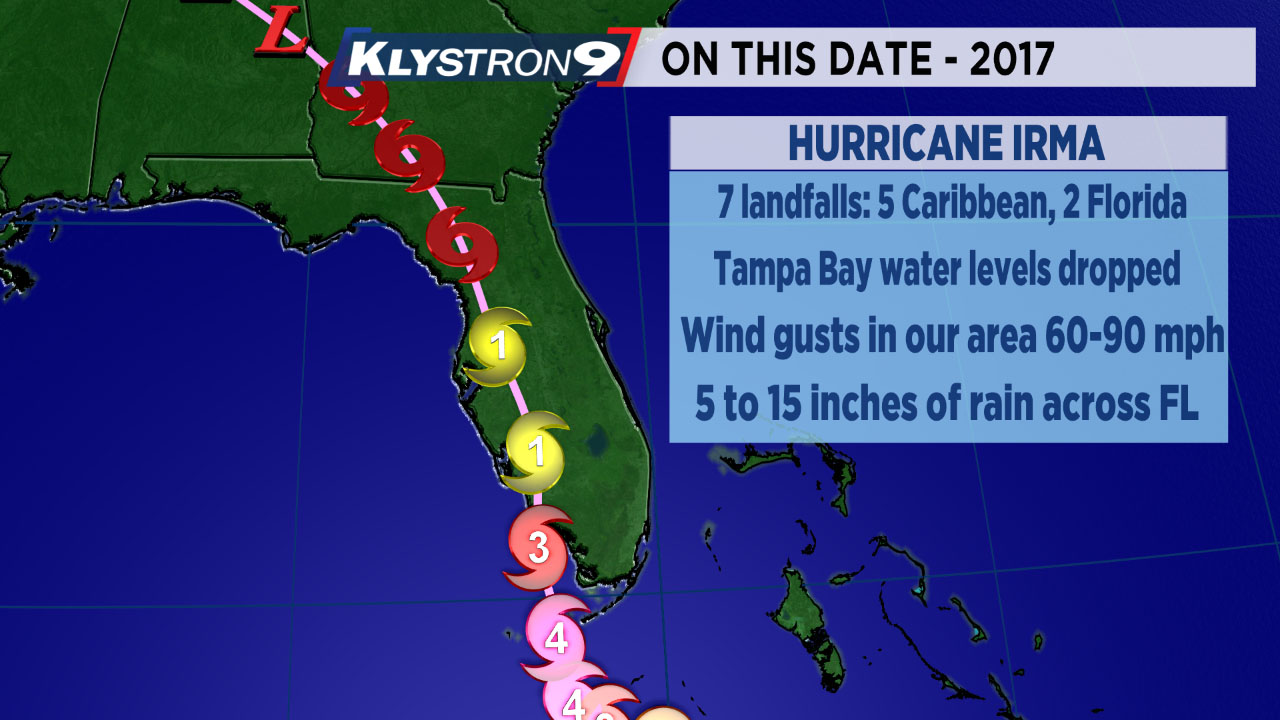
By September 6, 2017, Hurricane Irma had already caused significant damage throughout the Caribbean, devastating islands like St. Martin, Barbuda, and Puerto Rico. Its intensity was a major concern, and as it approached the Florida Keys, it maintained Category 4 strength, unleashing ferocious winds and a catastrophic storm surge. The first landfall in Florida occurred on Sunday, September 10, 2017, at 8:40 AM EDT, striking the lower Florida Keys near Cudjoe Key. This marked the beginning of the storm’s destructive sweep across the peninsula.
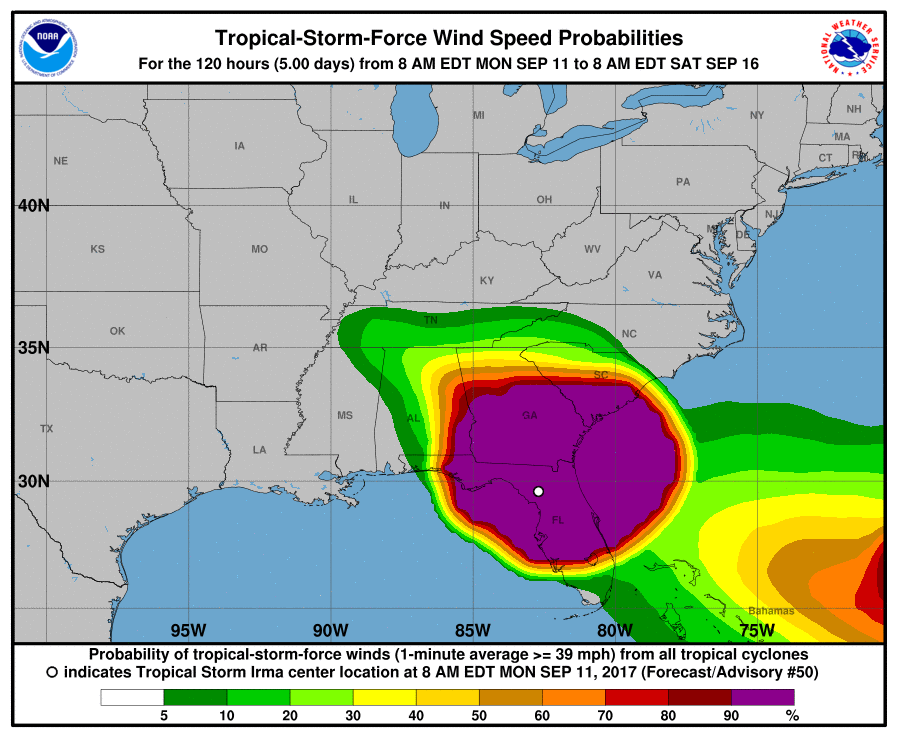
Following its initial landfall, Irma continued its relentless march northward. Its path took it across the Florida Keys and then made a second landfall on the southwestern coast of Florida near Marco Island at approximately 3:35 PM EDT on September 10, 2017, still as a Category 3 hurricane. The eye of the storm then traversed the state, bringing its damaging winds and torrential rains to major population centers like Naples, Fort Myers, Tampa, and eventually reaching the Florida Panhandle. The sheer size of the storm meant that even areas far from the direct landfall experienced significant impacts, including power outages, flooding, and high winds.
The impact on Florida’s vibrant tourism sector was immediate and profound. Major attractions, resorts, and hotels in areas like Miami Beach, the Florida Keys, and along the Gulf Coast were forced to close their doors. Airports were shut down, and travel advisories were issued, effectively halting all non-essential movement into and out of the affected regions. For businesses reliant on the influx of visitors, from boutique hotels in Key West to sprawling theme parks in Orlando, the storm represented a severe economic blow.
Evacuation and Preparation: A Race Against Time
The threat of Hurricane Irma triggered one of the largest and most complex evacuation orders in United States history. As the storm’s potential impact became clearer, state and local officials urged millions of Floridians to seek safer ground. The scale of the evacuation was unprecedented, impacting residents from Miami-Dade County all the way up the west coast to Tallahassee.
The Logistics of Mass Evacuation: Roads, Shelters, and Resources
The evacuation process was a monumental logistical undertaking. Major highways leading out of South Florida, such as I-75 and the Florida Turnpike, became gridlocked as residents attempted to flee the storm’s path. Florida Governor Rick Scott activated the Florida National Guard and mobilized thousands of state law enforcement officers and emergency responders to assist with traffic control and provide support.
Evacuation orders were issued in phases, prioritizing areas most vulnerable to storm surge and high winds. Miami-Dade County and Broward County implemented mandatory evacuations for coastal zones and low-lying areas. Residents were advised to seek shelter inland, with many opting to travel to the Florida Panhandle, Georgia, or even further afield to escape the storm’s destructive force. The sheer volume of people on the move put immense strain on resources, with gas stations running dry and hotel rooms becoming scarce in safe zones.
Emergency shelters were opened across the state and in neighboring states to accommodate those who could not evacuate further. These shelters, managed by organizations like the American Red Cross, provided a safe haven for thousands of individuals and families, offering food, water, and essential supplies. However, the capacity of these shelters was tested, and many experienced overcrowding. The decision to evacuate or shelter in place was a difficult one for many Floridians, weighing the risks of the storm against the challenges of displacement.
The Aftermath: Recovery and Rebuilding
Once Hurricane Irma had moved through Florida, the full extent of its devastation began to emerge. The storm left behind a trail of destruction, impacting infrastructure, homes, businesses, and natural landmarks. The recovery process was, and in many cases continues to be, a long and arduous journey.
Rebuilding Lives and Landscapes: Immediate Response and Long-Term Resilience
In the immediate aftermath of the storm, search and rescue operations were a top priority. Emergency crews worked tirelessly to reach stranded individuals and provide critical assistance. Power outages were widespread, with millions of Floridians left without electricity for days, even weeks, in some areas. This significantly hampered recovery efforts and affected daily life for residents.
The tourism industry, a vital engine of Florida’s economy, faced significant challenges. Hotels and resorts in heavily impacted areas, particularly in the Florida Keys, suffered extensive damage. Attractions were closed, and beaches were battered by erosion. The clean-up and repair efforts were substantial, requiring significant investment and time. For many small businesses, the prolonged closure meant financial hardship and uncertainty.
However, Florida is a state accustomed to the threat of hurricanes, and resilience is a hallmark of its communities. Efforts to rebuild and restore were swift, driven by a combination of government aid, insurance payouts, and the unwavering spirit of its residents. The state’s commitment to rebuilding its infrastructure, from roads and bridges to power grids, was crucial in paving the way for the eventual return of tourism and the restoration of normal lifestyles.
The Florida Keys, in particular, underwent a significant rebuilding phase. Iconic landmarks and beloved accommodations were meticulously restored, with a focus on creating more resilient structures. The community’s determination to bounce back was palpable, with many businesses reopening their doors with a renewed sense of purpose. This resilience, coupled with the enduring appeal of the Keys as a travel destination, ultimately contributed to the sector’s recovery.
The experience of Hurricane Irma also served as a critical lesson in disaster preparedness. It highlighted the importance of robust evacuation plans, effective communication strategies, and the need for ongoing investment in infrastructure that can withstand extreme weather events. For travelers and residents alike, understanding the impact of such storms can influence decisions about where to travel, when to travel, and how to prepare for potential disruptions. The lifestyle choices of many Floridians were undoubtedly shaped by this powerful reminder of nature’s force, fostering a greater appreciation for preparedness and community support. The lessons learned from Hurricane Irma continue to inform Florida’s approach to disaster management, ensuring that the Sunshine State remains a resilient and welcoming destination for years to come.
LifeOutOfTheBox is a participant in the Amazon Services LLC Associates Program, an affiliate advertising program designed to provide a means for sites to earn advertising fees by advertising and linking to Amazon.com. Amazon, the Amazon logo, AmazonSupply, and the AmazonSupply logo are trademarks of Amazon.com, Inc. or its affiliates. As an Amazon Associate we earn affiliate commissions from qualifying purchases.