
The history of how the United States acquired Hawaii is a complex narrative of diplomacy, revolution, and strategic expansion. For travelers and history enthusiasts visiting the islands, understanding this timeline is essential to appreciating the various landmarks that define the landscape of Honolulu and the surrounding islands today. The acquisition was not a single event but a series of transitions that saw a sovereign kingdom become a republic, then a territory, and finally the 50th state of the union.
The Path to Annexation: A Turning Point for the Pacific
The formal acquisition of the islands by the United States occurred during the late 19th century, a period defined by shifting global powers in the Pacific Ocean. To understand when the acquisition took place, one must look at the pivotal years between 1893 and 1898.
The Overthrow of the Hawaiian Kingdom
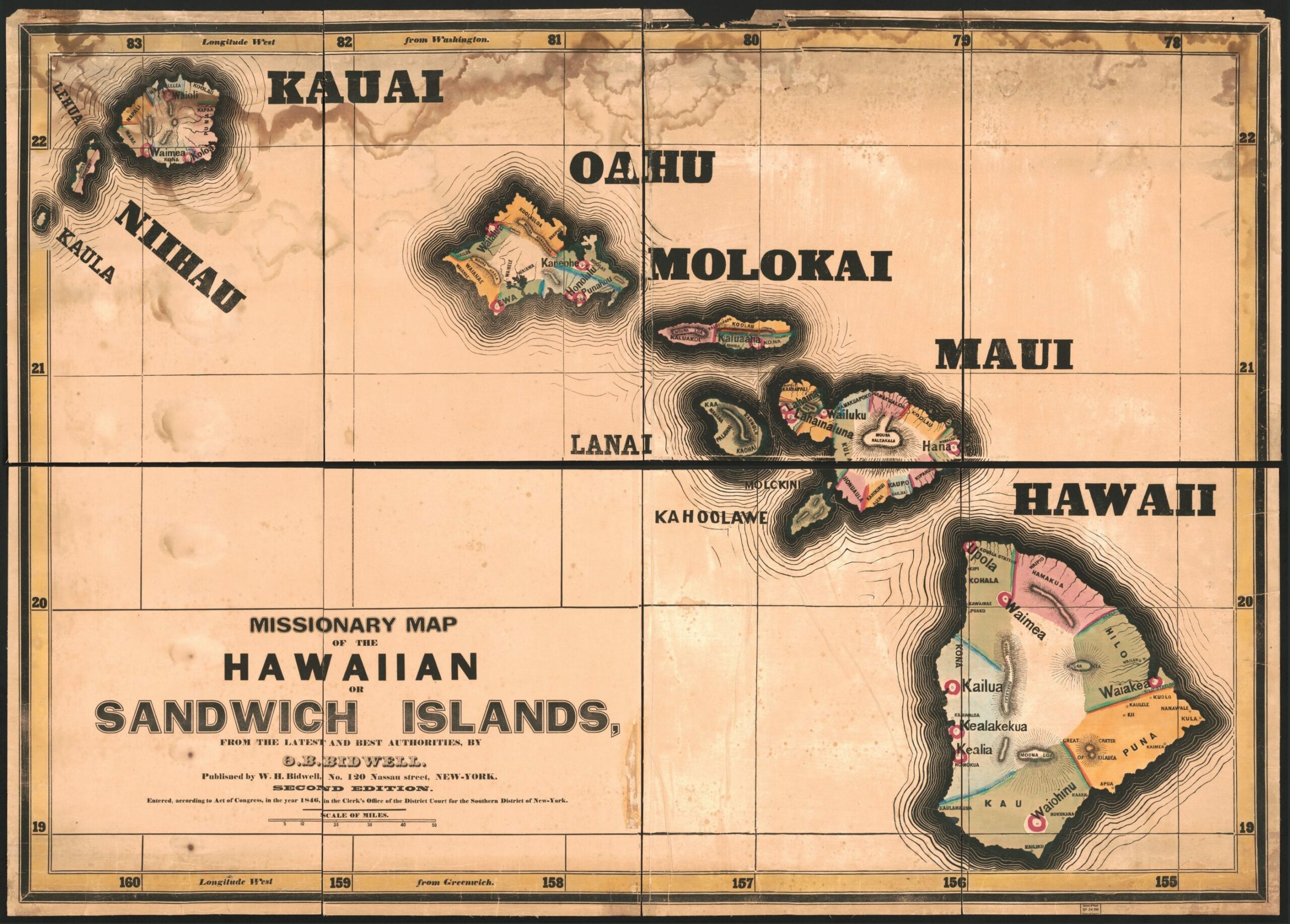
In 1893, the sovereign government of the Hawaiian Kingdom, led by Queen Liliuokalani, was overthrown. This coup d’état was orchestrated by a group of sugar planters and businessmen, many of whom were of American descent, known as the Committee of Safety. They were supported by the United States Minister to Hawaii, John L. Stevens, who ordered the landing of U.S. Marines from the USS Boston to protect American interests.
The Queen Liliuokalani surrendered her authority under protest, hoping that the federal government in Washington D.C. would reinstate her. While President Grover Cleveland initially opposed the overthrow and called for the restoration of the monarchy, the provisional government refused to step down. Instead, they established the Republic of Hawaii in 1894.
The Newlands Resolution and the Annexation of 1898
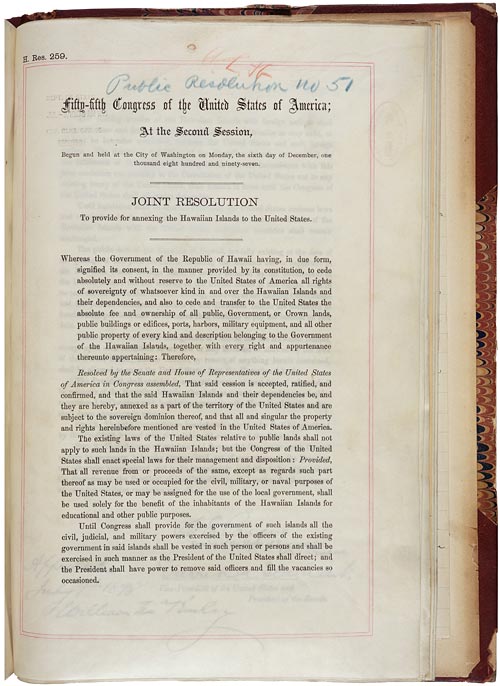
The official “acquisition” of Hawaii as a possession of the United States occurred on August 12, 1898. The political climate in North America had shifted with the onset of the Spanish-American War. Military leaders argued that Pearl Harbor on the island of Oahu was a vital strategic coaling station for ships heading to the Philippines.
Under President William McKinley, the Newlands Resolution was passed by Congress. This joint resolution officially annexed the islands, and a formal ceremony was held at the Iolani Palace, where the Hawaiian flag was lowered and the American flag was raised. This marked the beginning of Hawaii as an organized incorporated territory of the United States.
Architectural Landmarks of the Transition
The physical landmarks left behind from this era serve as silent witnesses to the changing political tides. Walking through the historic district of Honolulu, visitors can see the contrast between royal elegance and colonial administrative architecture.
Iolani Palace: A Symbol of Sovereignty and Loss
Perhaps the most significant landmark in all of Hawaii is the Iolani Palace. Completed in 1882 by King Kalakaua, it is the only official royal palace on American soil. The palace was a marvel of its time, featuring electricity and telephones before even the White House in Washington D.C..
For those interested in the history of acquisition, the palace represents the height of the Hawaiian Kingdom and its subsequent fall. Following the overthrow, the palace served as the capitol building for the Republic of Hawaii and later the Territory of Hawaii. It was also the site where Queen Liliuokalani was held under house arrest after a failed 1895 counter-revolution. Today, it stands as a meticulously restored museum, preserving the furniture, portraits, and regalia of the Kalakaua dynasty.
Ali’iolani Hale: Law and Order in the Islands
Across the street from the palace stands Ali’iolani Hale. Originally designed as a palace for King Kamehameha V, it was repurposed as the judiciary building. This landmark is famous for the iconic King Kamehameha Statue that stands in its courtyard.
The building played a central role during the 1893 overthrow, as it was the headquarters for the government officials involved in the transition. Its architecture reflects the European influence on the Hawaiian Kingdom during the late 19th century. Today, it houses the Hawaii State Supreme Court and the King Kamehameha V Judiciary History Center, providing deep insights into how the legal system evolved after the United States acquisition.
Military Landmarks and Global Significance
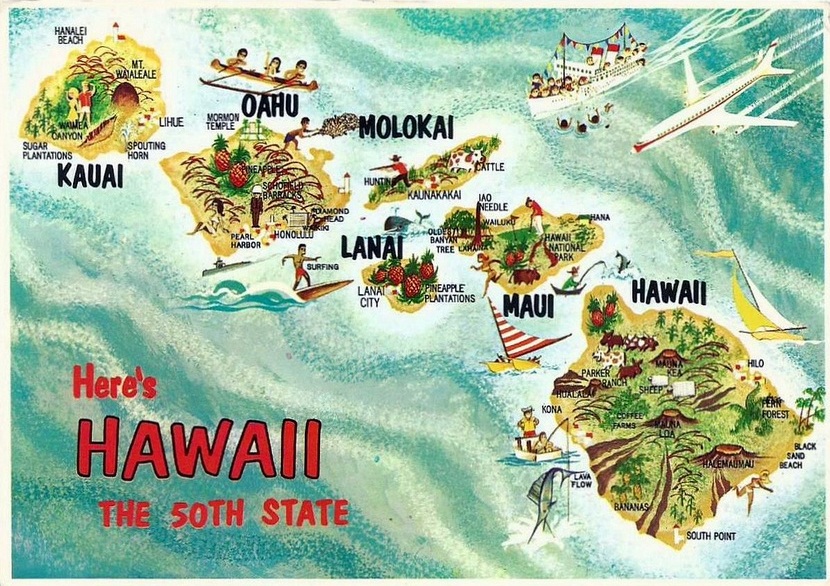
The primary reason for the United States’ persistent interest in Hawaii was its geographical position. The military landmarks on the island of Oahu tell the story of how the islands became the “Crossroads of the Pacific.”
Pearl Harbor: The Strategic Heart of the Pacific
No discussion of the acquisition of Hawaii is complete without mentioning Pearl Harbor. As early as 1887, the United States had been granted exclusive rights to use the inlet as a naval station. The deep waters and sheltered location made it an ideal harbor for the expanding American fleet.
The USS Arizona Memorial and the surrounding Pearl Harbor National Memorial are now world-famous landmarks. While many visit to remember the events of December 7, 1941, the site is also a testament to why the islands were annexed in 1898. The military presence remains a defining feature of Hawaii, with Ford Island and the Pacific Fleet continuing to operate in the same waters that once attracted 19th-century strategists.
Punchbowl Crater and the National Memorial Cemetery of the Pacific
Another significant landmark is the National Memorial Cemetery of the Pacific, located within the Punchbowl Crater in Honolulu. This extinct volcanic tuff cone offers a solemn place of reflection. It serves as a tribute to those who served in the United States Armed Forces, particularly during the conflicts that cemented Hawaii’s role as a central hub of American defense. The crater itself is an ancient geological site, but its use as a military landmark highlights the integration of Hawaiian nature and American history.
Natural Wonders and Statehood
While the political acquisition focused on harbors and government buildings, the natural landmarks of the islands were also impacted by the transition to a U.S. territory and later a state.
Diamond Head: The Watchman of Waikiki
Diamond Head State Monument, known as Le’ahi to the Native Hawaiians, is perhaps the most photographed landmark in the islands. Following the acquisition, the United States government recognized its strategic value. In the early 1900s, it was purchased for military use, and Fort Ruger was established within the crater.
The hiking trail that thousands of tourists climb today was originally built in 1908 by the U.S. Army Corps of Engineers as part of the coastal defense system. The bunkers and observation deck at the summit are remnants of this era, showing how even the natural beauty of Waikiki was shaped by the geopolitical needs of the United States during the territorial years.
Hawaii Volcanoes National Park: A Living History
On the Big Island of Hawaii, the Hawaii Volcanoes National Park preserves the most dramatic natural landmarks in the archipelago. Established in 1916, just 18 years after annexation, it became one of the first national parks in the United States.
The park encompasses the summits of two of the world’s most active volcanoes, Kilauea and Mauna Loa. The preservation of these lands under the American National Park Service helped bring global attention to the unique geology of the islands. For visitors, the park represents the raw, primordial force that created the islands long before any political entity claimed them.
The Legacy of August 21, 1959: Becoming the 50th State
The final step in the acquisition of Hawaii was the transition from a territory to a state. After decades of petitioning, and following the islands’ heroic resilience during World War II, President Dwight D. Eisenhower signed the Hawaii Admission Act.
On August 21, 1959, Hawaii officially became the 50th state of the United States. This milestone changed the status of the islands from a “possession” to an equal member of the union. This transition is celebrated annually on Statehood Day.
For the modern traveler, this history is visible everywhere. It is in the halls of the Bishop Museum, which houses the world’s largest collection of Polynesian artifacts and royal Hawaiian heirlooms. It is felt in the vibrant culture of the neighbor islands like Maui, Kauai, Molokai, and Lanai. Each landmark, whether it is a volcanic crater, a royal palace, or a modern memorial, tells a part of the story of when and how the United States acquired Hawaii.
Understanding the timeline—the 1893 overthrow, the 1898 annexation, and the 1959 statehood—allows for a deeper connection to the islands. These landmarks are not just beautiful sites for photography; they are the physical manifestations of a journey that forever changed the course of history in the Pacific Ocean. As you explore the Hawaiian Islands, let the architecture and the landscapes guide you through this fascinating and complex American story.
LifeOutOfTheBox is a participant in the Amazon Services LLC Associates Program, an affiliate advertising program designed to provide a means for sites to earn advertising fees by advertising and linking to Amazon.com. Amazon, the Amazon logo, AmazonSupply, and the AmazonSupply logo are trademarks of Amazon.com, Inc. or its affiliates. As an Amazon Associate we earn affiliate commissions from qualifying purchases.