
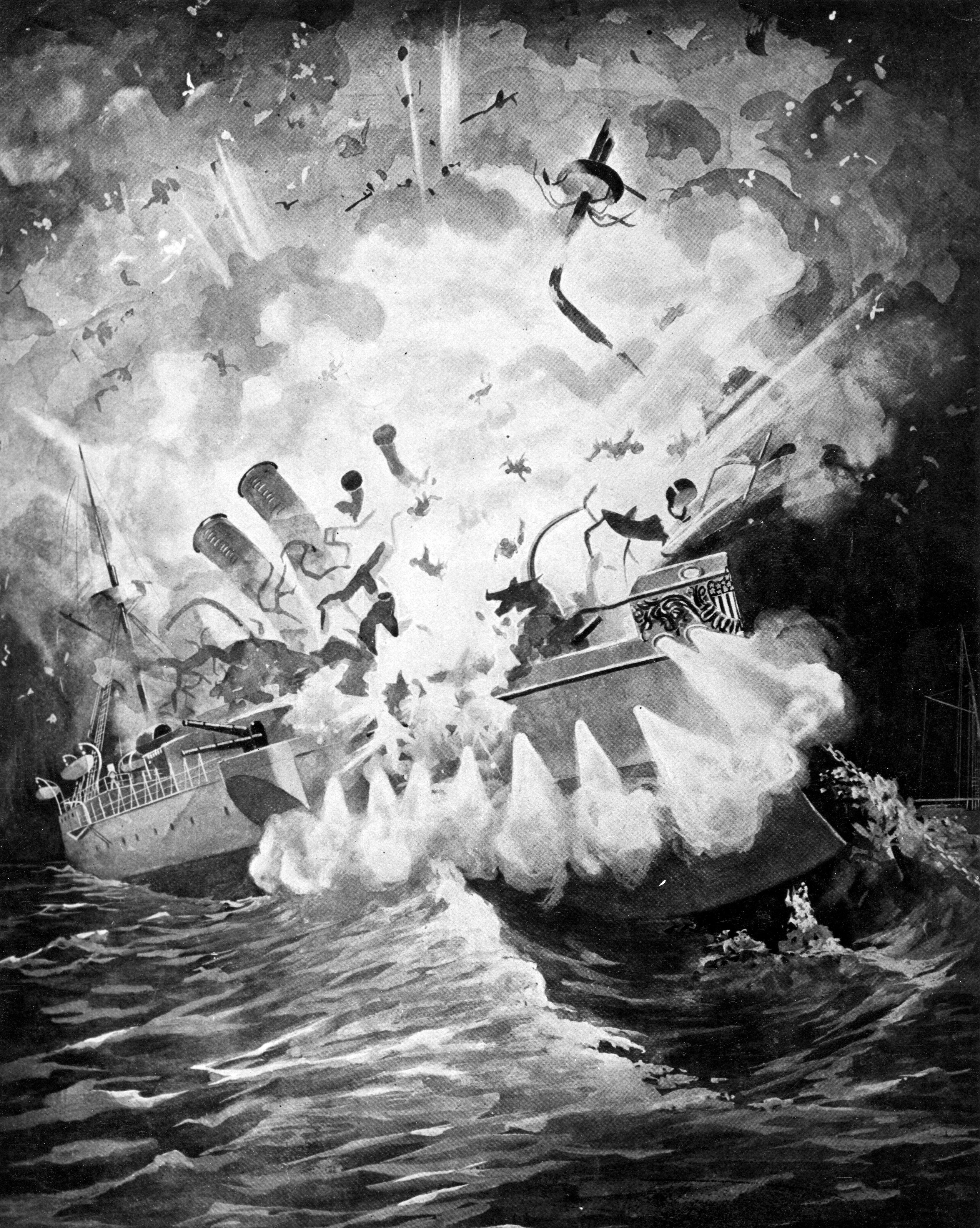
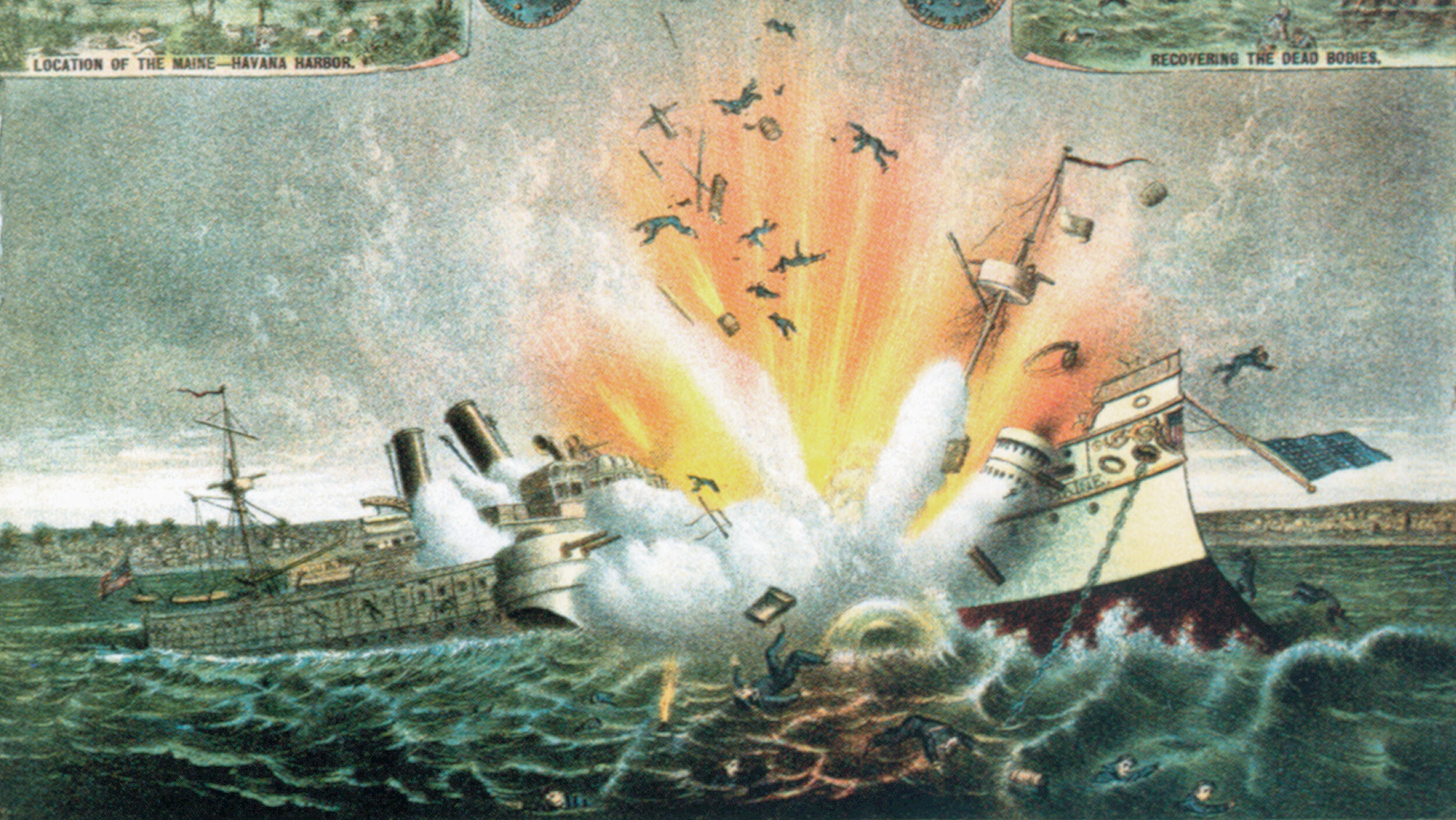
The sinking of the USS Maine remains one of the most pivotal moments in the maritime history of the United States. On the night of February 15, 1898, the armored cruiser lay at anchor in the harbor of Havana, Cuba, serving as a visible symbol of American interests during a time of escalating tensions between the United States and the Spanish Empire. The catastrophic explosion that followed did more than just destroy a ship; it served as the immediate catalyst for the Spanish-American War, permanently altering the geopolitical landscape of the Western Hemisphere.
The Context of the Tragedy in Havana Harbor
To understand why the USS Maine was stationed in Havana, one must look at the turbulent political climate of the late 19th century. At the time, Cuba was fighting for independence from Spain. The United States had significant economic investments in the island, particularly in the sugar industry. As the conflict intensified, American citizens residing in Cuba felt increasingly vulnerable to the violence occurring on the streets of Havana.
The Deployment of the Battleship
In early 1898, the United States Navy dispatched the USS Maine to Havana on a mission that was ostensibly a “friendly visit.” However, the arrival of such a powerful battleship was widely interpreted as a display of force intended to protect American lives and property. The vessel, a second-class battleship, was moored in the Havana Harbor under the watchful eyes of colonial Spanish authorities, creating a high-stakes environment where any incident could lead to open warfare.
The Fatal Night
On February 15, 1898, at approximately 9:40 PM, the silence of the harbor was shattered. A massive explosion occurred beneath the ship’s forward section, causing the vessel to sink rapidly. Out of the 355 crew members aboard, 266 perished, with most of the deaths occurring instantly due to the force of the blast or the subsequent flooding of the lower decks. The disaster turned the quiet waters of Havana Harbor into a graveyard, drawing international attention and setting the stage for a rapid mobilization of forces across the United States.
Investigating the Cause: A Historical Controversy
Immediately following the sinking, the United States launched a naval court of inquiry to determine the cause of the explosion. The public sentiment, fueled by sensationalist reporting in newspapers owned by William Randolph Hearst and Joseph Pulitzer, reached a fever pitch. The rallying cry “Remember the Maine!” echoed across the country, demanding accountability from Spain.
The 1898 Naval Inquiry
The initial investigation concluded that the ship had been destroyed by an external mine. This finding suggested an act of sabotage by Spanish forces, which provided the moral and political justification for the declaration of war shortly thereafter. The tension in Havana peaked as the possibility of diplomatic resolution evaporated.
Modern Perspectives and Internal Combustion
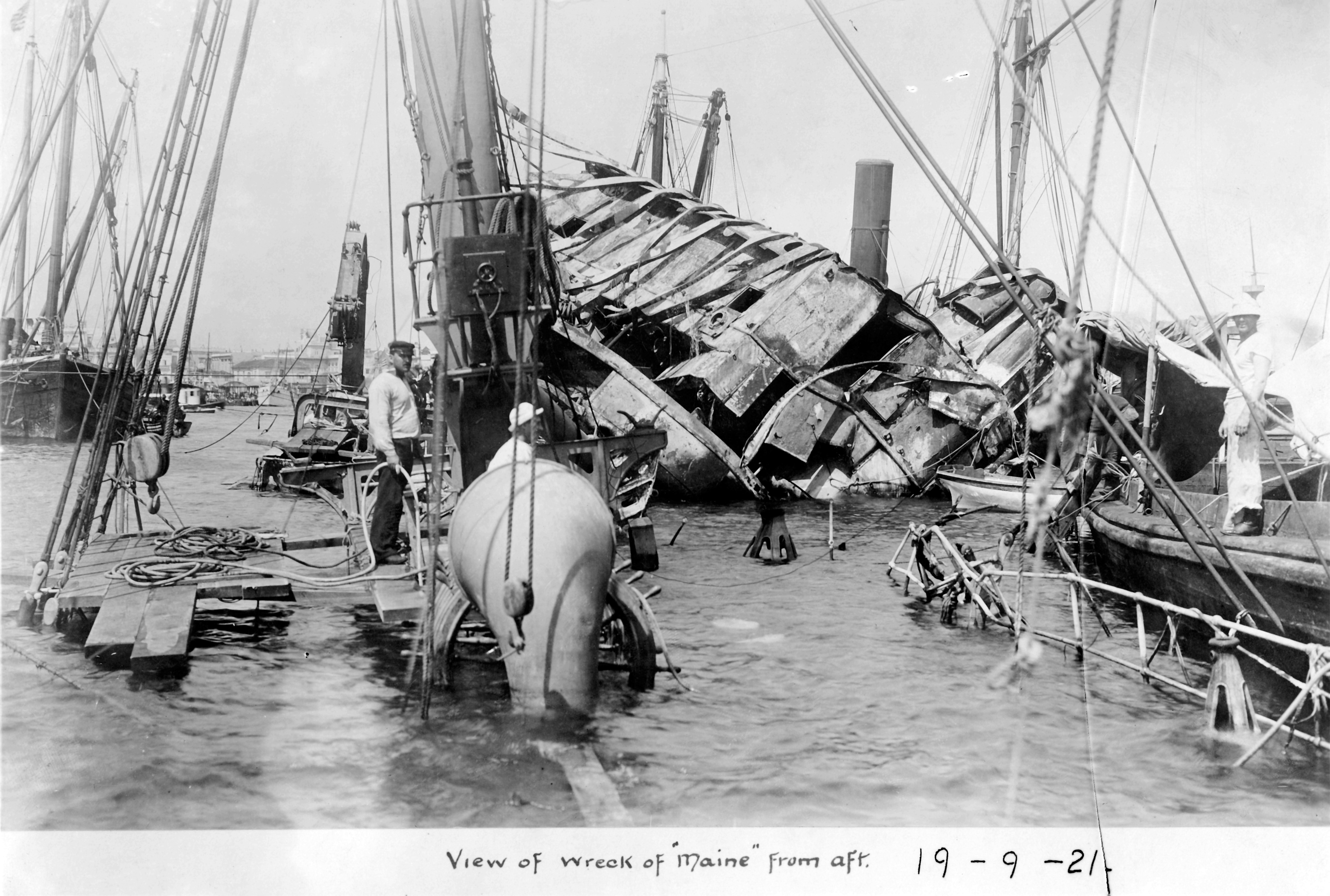
Decades later, forensic analysts and naval experts have revisited the wreckage of the USS Maine to re-evaluate the incident. Several studies commissioned in the late 20th century suggested that the initial blast might have been an internal accident. A common theory points to a fire in the coal bunker located adjacent to the magazine, which could have reached temperatures high enough to ignite the ammunition stores. Despite these modern findings, the exact cause remains a subject of academic debate, highlighting how historical interpretation is often tied to the prevailing political needs of the era.
The Cultural and Historical Legacy of the USS Maine
The destruction of the USS Maine is memorialized not only in books but in the physical landscape of the United States and Cuba. The incident marked the emergence of the United States as an imperial power, as the subsequent war resulted in the American acquisition of territories such as Puerto Rico, Guam, and the Philippines.
Landmarks of Memory
Across the United States, various monuments pay tribute to the lives lost in Havana. One of the most famous is the USS Maine Mast Memorial located at the Arlington National Cemetery. The mast, which was recovered from the wreckage, stands as a solemn reminder of the fragility of peace. Additionally, a memorial in New York City at the entrance of Central Park serves as a grand tribute to those who perished.
The Impact on Diplomacy
The event fundamentally changed the way the United States approached foreign policy. The use of mass media to influence public opinion regarding the Spanish-American War set a precedent for “yellow journalism.” The tragedy of the USS Maine transformed the American public’s perception of global responsibility, shifting the nation away from its historical isolationist tendencies toward a more interventionist stance in world affairs.
Visiting Historical Sites Associated with the Conflict
For those interested in the maritime and political history of this era, several locations offer profound insights into the legacy of the USS Maine. While the wreck itself was partially raised and scuttled in the deep waters of the Gulf of Mexico in 1912, the history remains palpable in various cities.
- Havana, Cuba: A visit to the waterfront provides a glimpse into the harbor where the event occurred. Though little remains of the wreck, the city’s historical museums offer extensive archives regarding the impact of the war on the island’s path to independence.
- Arlington National Cemetery, Virginia: As a place of national reverence, the USS Maine Mast Memorial is essential for those studying military history. It provides a quiet space to reflect on the sailors lost in the catastrophe.
- National Museum of the United States Navy: Located in Washington, D.C., this museum holds artifacts and primary documents that help reconstruct the timeline of the explosion and the subsequent naval investigations.
Preserving History
Historical landmarks associated with the USS Maine continue to play a crucial role in educating future generations. By maintaining these sites and fostering an understanding of the complexities surrounding the sinking, historians and tourists alike ensure that the tragedy of 1898 is never forgotten. The incident reminds us that historical events are rarely as simple as they appear on the surface, and that the intersection of technology, politics, and media has the power to reshape the world in a single night. Whether one views it as a tragic accident or an act of war, the story of the USS Maine remains an essential chapter in the history of the Americas.
LifeOutOfTheBox is a participant in the Amazon Services LLC Associates Program, an affiliate advertising program designed to provide a means for sites to earn advertising fees by advertising and linking to Amazon.com. Amazon, the Amazon logo, AmazonSupply, and the AmazonSupply logo are trademarks of Amazon.com, Inc. or its affiliates. As an Amazon Associate we earn affiliate commissions from qualifying purchases.