
California, a state synonymous with sunshine, sprawling coastlines, and iconic landmarks, has also become increasingly recognized for a more somber natural phenomenon: wildfires. These intense blazes, often fueled by dry conditions and powerful winds, can dramatically alter landscapes, impact communities, and pose significant challenges for travelers planning visits. Understanding the timing and historical context of these events is crucial for appreciating the state’s complex environmental narrative and for making informed travel decisions, particularly when considering natural attractions and regions prone to these occurrences.
The Chronology of California’s Wildfire Seasons
California’s wildfire season is not a static event but rather a dynamic period that has historically shifted and intensified over the years. While the peak fire months are typically considered to be late summer and fall, ignitions can occur throughout the year, especially during prolonged drought periods. To truly grasp “when did the wildfires start in California?” we must look beyond a single date and consider the broader patterns and historical trends.
Early Season Ignitions and Their Causes
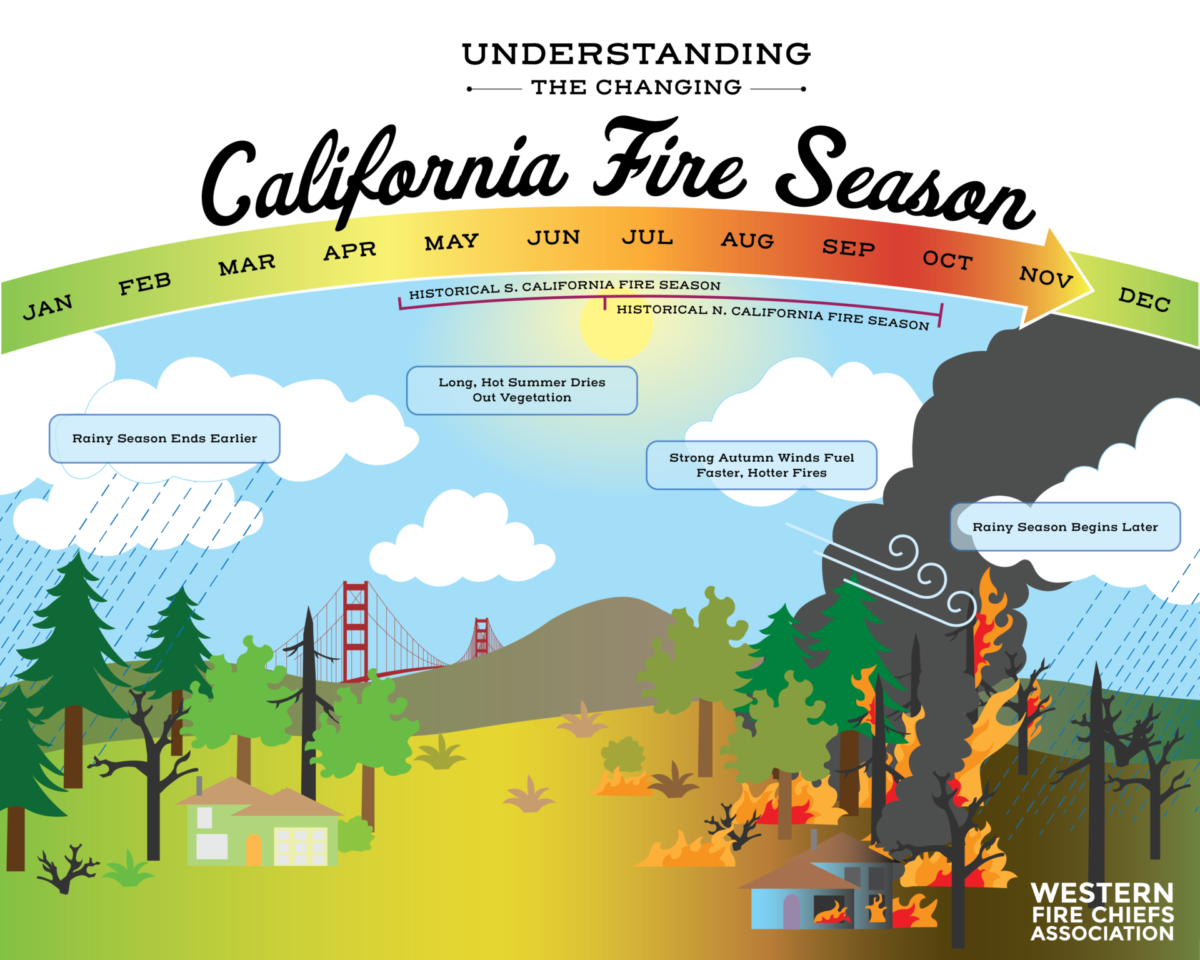
The notion of a “start date” for California’s wildfires is an oversimplification. Fires can and do ignite in the early spring, particularly in Southern California, when grasses that have grown during the wet winter months begin to dry out. These early season fires are often driven by Santa Ana winds, a phenomenon characterized by hot, dry, offshore breezes that can rapidly spread flames across tinder-dry vegetation. These winds, which typically blow from October to March, can exacerbate fire conditions even outside the traditional summer months. For instance, a significant wildfire in the San Gabriel Mountains might ignite in April or May due to an early drying trend and a fortuitous alignment of dry fuels and strong winds.
The Summer Surge: Peak Activity
As summer progresses into fall, California enters its most historically volatile wildfire period. The combination of extremely dry vegetation from months of little to no rainfall, high temperatures, and prevailing westerly winds creates a volatile environment. This is when many of the state’s largest and most destructive fires occur, impacting vast swathes of natural beauty and threatening communities. The Sierra Nevada mountain range, with its extensive forests, becomes particularly susceptible. Fires here in July and August can quickly escalate, consuming thousands of acres. The famous Yosemite National Park, known for its granite cliffs and giant sequoias, has experienced notable fire activity during these summer months, altering the visitor experience and requiring temporary closures.
Autumnal Intensification: The “Fire Siege”
While summer marks a peak, autumn often brings a distinct intensification of wildfire risk, particularly in Northern California. This period is characterized by the arrival of the infamous Diablo winds, similar to the Santa Anas but originating from the northeast and primarily affecting the North Bay and other northern coastal regions. These winds, occurring typically from September through November, are infamous for their ferocity, capable of spreading fires with alarming speed and intensity. Many of California’s most devastating wildfires, including those that have impacted wine country in Napa Valley and Sonoma County, have ignited during these autumnal wind events, sometimes striking with little warning. The sheer scale and speed of these fires have led to them being referred to as a “fire siege.”
Historical Wildfire Events and Their Timing
Examining specific historical wildfire events provides a clearer picture of when these blazes have started and their evolving nature. While it’s impossible to list every ignition, looking at some of the most impactful fires reveals patterns and underscores the unpredictable start times.
The Nastiest Ignitions: A Historical Perspective
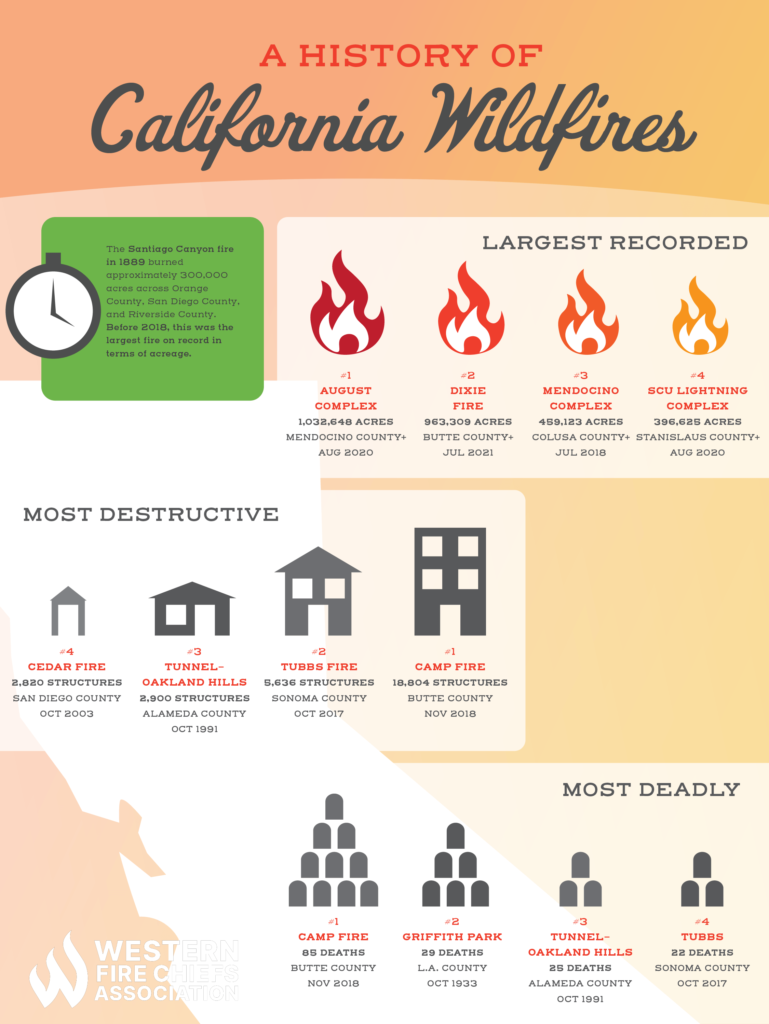
The “Great Fire of 1889” in San Francisco, though urban in nature, serves as a historical marker of destructive fire events in California, though it was not a wildland fire in the modern sense. However, when we speak of wildland fires that have shaped California’s landscapes and affected its tourism potential, earlier ignitions are prevalent. The Cedar Fire of 2003 in San Diego County, one of the largest in California history, ignited in late October. This event, like many others, was significantly influenced by the Santa Ana winds. Similarly, the Thomas Fire in 2017, another massive blaze, began in early December in Ventura County and Santa Barbara County, demonstrating that wildfire seasons can extend well into what was once considered the “off-season.”

The Escalation Trend: Recent Decades
In recent decades, there has been a discernible trend of increased wildfire activity and a lengthening of the wildfire season. Factors contributing to this include prolonged droughts exacerbated by climate change, increased accumulation of dry vegetation (fuel), and historical land management practices that suppressed natural fire cycles. This has led to fires starting earlier in the year and burning with greater intensity and extent. For instance, while historically the prime fire months might have been concentrated from August to October, recent years have seen significant ignitions in May, June, and even November and December. This shift means that any travel planning that involves areas with natural landscapes, such as visiting national parks like Sequoia and Kings Canyon National Parks or exploring the diverse ecosystems of the Los Padres National Forest, requires a year-round awareness of potential fire risks.
Impact on Tourism and Natural Attractions
The timing of wildfire starts has a profound and often disruptive impact on California’s vital tourism industry. Understanding when these fires tend to ignite is crucial for both potential visitors and destination management.
Planning Your California Adventure: Timing is Everything
For travelers eager to explore California’s diverse offerings, from the beaches of Southern California to the redwood forests of the north, awareness of wildfire season is paramount. While specific start dates are unpredictable, the general periods of heightened risk, as discussed, are late spring through fall, with particular danger during windy periods in autumn. Planning trips during the shoulder seasons, such as early spring or late fall (outside of known windy periods), can sometimes offer a lower risk, but it’s essential to stay informed about current fire conditions regardless of the time of year. Websites like that of the California Department of Forestry and Fire Protection (CAL FIRE) provide real-time information on fire incidents.
Preserving Iconic Landscapes: The Role of Fire
While destructive, fire is also a natural process in many of California’s ecosystems. Some plant species, like the giant sequoias, actually depend on fire for their cones to open and release seeds. The challenge for land managers and the tourism sector is to balance the ecological necessity of fire with the need to protect human life, property, and the natural beauty that draws millions of visitors. Understanding the historical start times of fires, and the factors that influence them, helps in developing more effective fire management strategies and in educating the public about responsible outdoor recreation. This allows for the continued enjoyment of magnificent places like Big Sur or the unique desert landscapes of Joshua Tree National Park, even as the state navigates the realities of wildfire.
Preparing for the Unexpected: Traveler’s Guide to Wildfire Awareness
Given the evolving nature of California’s wildfire season, preparedness is key for anyone planning to visit or engage with the state’s natural wonders. Proactive measures can ensure a safer and more enjoyable experience.
Staying Informed: Pre-Trip and During Your Visit
Before booking any travel or embarking on an excursion into California’s wilderness, it is highly recommended to check CAL FIRE’s incident maps and air quality reports. During your stay, especially if visiting national forests or parks like Redwood National and State Parks or traversing scenic drives along the Pacific Coast Highway, monitor local news and official advisories. Many parks and forest services will issue alerts or closures if fire activity poses a threat. Understanding the typical start times and duration of fire events provides a baseline for this awareness.
Responsible Outdoor Practices: Minimizing Risk
Travelers can play a role in wildfire prevention. Strict adherence to fire restrictions, including campfire bans and regulations on outdoor equipment that can create sparks, is critical. Ensuring vehicles are well-maintained to prevent exhaust system sparks and avoiding parking on dry grass are simple yet effective measures. Knowing the safe and unsafe times to visit specific areas, particularly those known for their dry conditions or susceptibility to wind events, contributes to a collective effort in safeguarding California’s irreplaceable natural heritage. The question of “when did the wildfires start in California?” is not just about historical dates, but about understanding an ongoing environmental challenge that impacts every visitor’s experience.
LifeOutOfTheBox is a participant in the Amazon Services LLC Associates Program, an affiliate advertising program designed to provide a means for sites to earn advertising fees by advertising and linking to Amazon.com. Amazon, the Amazon logo, AmazonSupply, and the AmazonSupply logo are trademarks of Amazon.com, Inc. or its affiliates. As an Amazon Associate we earn affiliate commissions from qualifying purchases.