
The narrative of Tupac Shakur’s life is inextricably linked with the Golden State, a move that profoundly shaped his artistry, public persona, and ultimate legacy. While often associated with the vibrant West Coast hip-hop scene, Tupac’s journey to California was not a singular, definitive relocation but rather a series of crucial transitions that marked different phases of his dynamic career. Understanding “when” Tupac moved to California requires a look at his formative years, his rise to stardom, and the deep cultural imprint the state left on him and, in turn, how he redefined its cultural landscape.
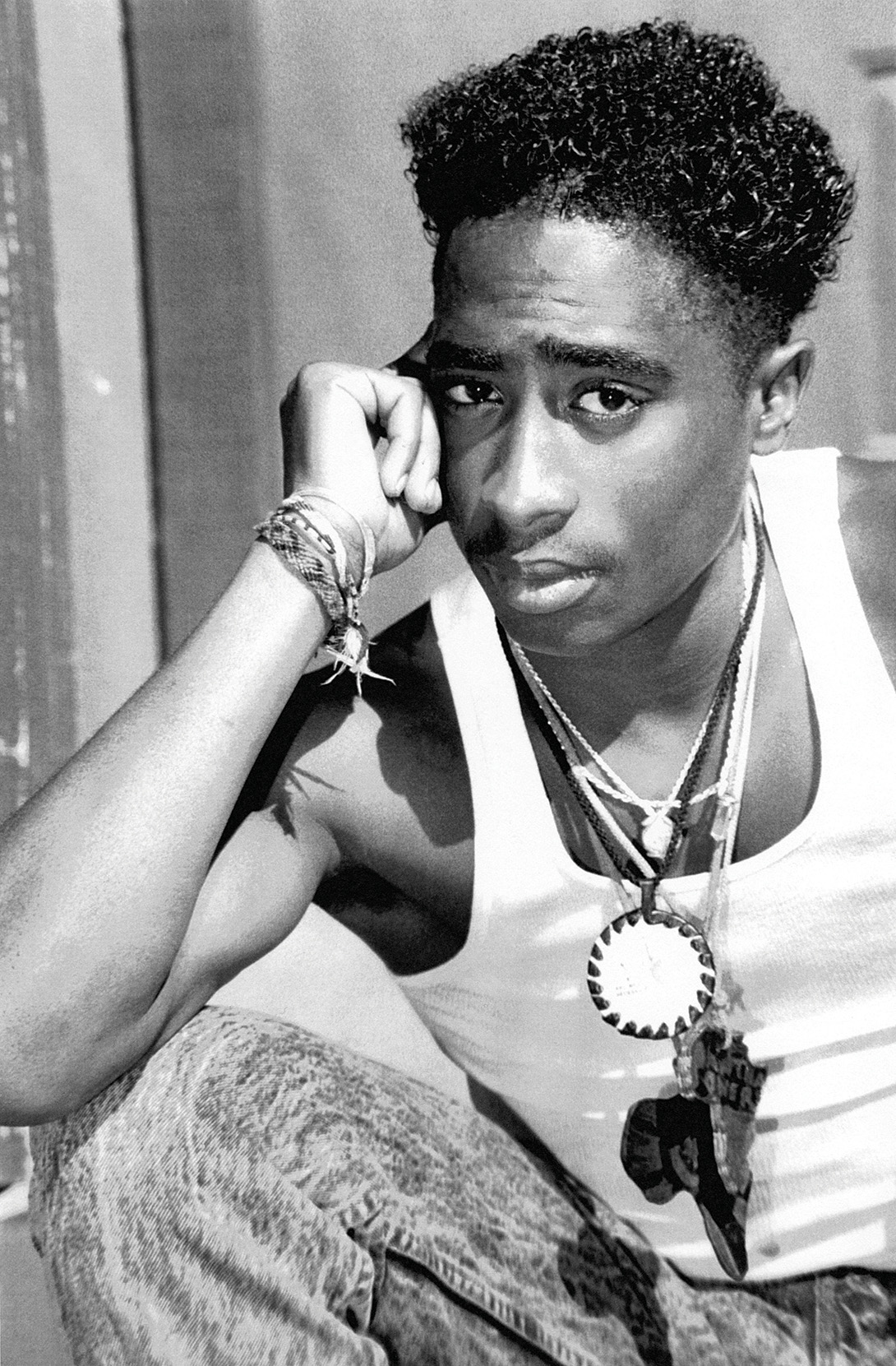
For travelers and enthusiasts interested in tracing the footsteps of cultural icons, understanding these pivotal geographical shifts offers a unique lens through which to explore destinations. From the gritty streets of Oakland to the glamorous yet perilous boulevards of Los Angeles, Tupac’s journey through California provides a compelling travel narrative, bridging historical biography with modern tourism.
The Formative Years: Early Life and California’s Embrace
Tupac Shakur’s early life was marked by frequent moves and a nomadic existence, far from the sun-drenched shores of California. Born in East Harlem, New York City, in 1971, he spent his childhood in various East Coast locations, including the Bronx and Baltimore. It was during his teenage years that he first set foot in California, a move that would prove foundational for his burgeoning musical talent and cultural identity.
From East Coast Roots to West Coast Dreams
Tupac’s initial significant move to California occurred in 1988, when he was 17 years old. His mother, Afeni Shakur, decided to relocate the family from Baltimore, Maryland, to Marin City, a small, unincorporated community in Marin County, just north of San Francisco. This transition from the urban sprawl of the East Coast to the distinct cultural landscape of the San Francisco Bay Area was pivotal.
Marin City, despite its scenic backdrop near the Golden Gate Bridge, was a community grappling with economic hardship and social challenges, a reality that deeply resonated with Tupac’s experiences and would later fuel much of his lyrical content. This period allowed him to observe and internalize the unique dynamics of California life, a blend of aspirational dreams and harsh realities that mirrored his own complex perspective. For travelers exploring the Bay Area, a visit to Marin City offers a glimpse into one of the lesser-known, yet deeply impactful, chapters of Tupac’s life, far removed from the more publicized glamour of Los Angeles. It’s a testament to the diverse fabric of California and how various locales shaped an artist.
Oakland’s Pulse: A Crucible of Creativity
Following his time in Marin City, Tupac soon gravitated towards Oakland, a city renowned for its rich history of activism, artistic expression, and a burgeoning hip-hop scene. It was in Oakland that Tupac truly began to hone his craft and establish himself within the music industry. He moved there around 1990-1991, joining the influential hip-hop group Digital Underground.
Oakland became more than just a place of residence; it was a cultural crucible that solidified his West Coast identity. He immersed himself in the city’s vibrant atmosphere, absorbing its political consciousness and street-level narratives. This period saw him evolve from a background dancer and roadie to a formidable solo artist, releasing his debut album, “2Pacalypse Now,” in 1991. The album’s gritty realism and social commentary were deeply informed by his experiences in Oakland and the broader California landscape.
For tourists and fans, Oakland remains a significant destination. Exploring areas like Downtown Oakland and the various neighborhoods can offer a tangible connection to the cultural movements that nurtured Tupac’s early career. From its historic music venues to its bustling markets, Oakland offers a distinct travel experience, providing insight into the diverse “local culture” that Tupac celebrated in his music. Accommodations in Oakland range from boutique hotels to comfortable apartments, catering to those who wish to delve deeper into the city’s rich history and vibrant community spirit, which echoes the very environment that shaped Tupac’s early artistry and activism.
The Golden State Beckons: A Return and Resurgence
After establishing himself as a rising star from the Bay Area, Tupac’s career trajectory led him to the epicenter of the entertainment industry: Los Angeles. This move marked his definitive embrace of the Southern California lifestyle and cemented his place as a global superstar.
The Move to Los Angeles and Death Row Records
Tupac’s most high-profile and definitive move to Los Angeles occurred in late 1995, following his release from prison and his controversial signing with Death Row Records. This period, though tragically short, was arguably the most prolific and impactful of his career. Death Row Records, then a powerhouse label based in Los Angeles, under the leadership of Suge Knight, provided Tupac with an unprecedented platform.
His move to Los Angeles meant fully immersing himself in the “gangsta rap” culture that defined much of the West Coast hip-hop sound of the mid-90s. He recorded prolifically, creating masterpieces like “All Eyez on Me” and “The Don Killuminati: The 7 Day Theory.” Many of these iconic tracks were laid down in studios across Los Angeles, such as the famed Can-Am Studios in Tarzana.
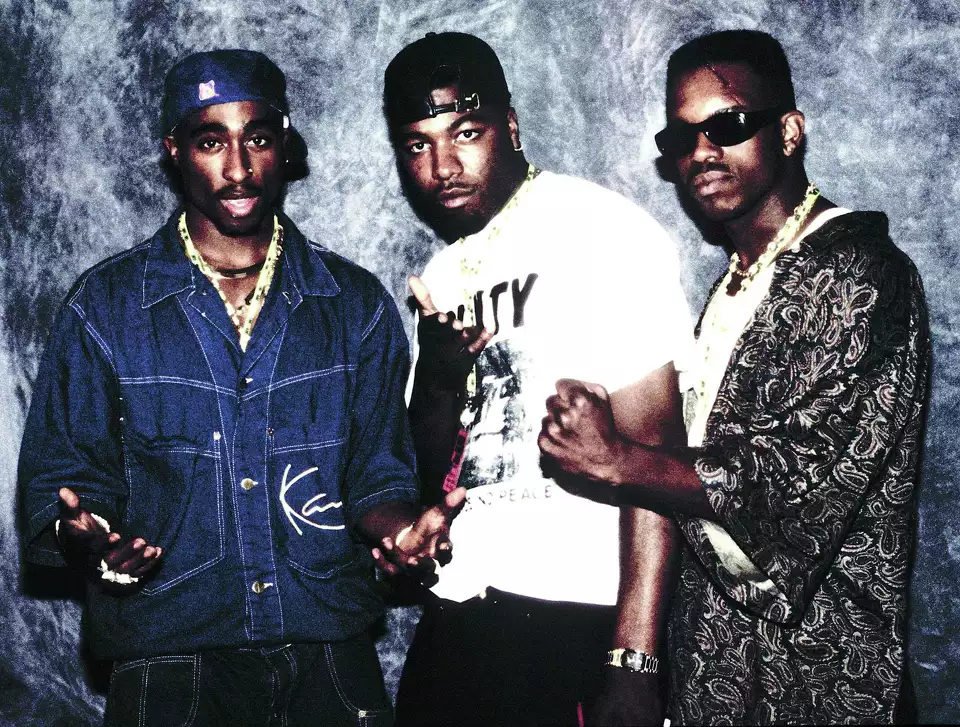
For fans interested in music history tourism, a visit to Los Angeles can be structured around these legendary recording locations, offering an experience that goes beyond typical tourist attractions. While the studios themselves might not be open for public tours, the surrounding areas, like the bustling Sunset Strip or the vibrant neighborhoods of Hollywood, offer a taste of the “lifestyle” Tupac inhabited during his most intense creative period. Los Angeles offers a spectrum of accommodations, from luxury resorts catering to celebrity lifestyles to more modest hotels perfect for budget travelers wanting to soak in the city’s musical heritage.
California’s Enduring Influence on his Art
The diverse landscapes and complex social dynamics of California deeply permeated Tupac’s music, particularly during his time in Los Angeles. He embraced the narrative of the West Coast with fervor, becoming a vocal advocate for its distinct identity in the burgeoning East Coast-West Coast hip-hop rivalry. His music often painted vivid pictures of California life – from cruising down boulevards in Compton to the struggles faced in neighborhoods like South Central Los Angeles.
The themes of loyalty, survival, police brutality, and the pursuit of the “California Dream” against a backdrop of urban decay found potent expression in his lyrics. His relocation to California was not merely a change of address; it was an absorption of a new cultural ethos that allowed his raw talent to blossom into iconic status. For tourists, this provides an opportunity to listen to his music while exploring the very places he immortalized, gaining a deeper understanding of the “local culture” and the “experiences” that shaped one of music’s greatest poets.
Tracing Tupac’s Footsteps: A California Pilgrimage
For dedicated fans and cultural tourists, California offers a compelling pilgrimage to understand the life and times of Tupac Shakur. His journey through the state provides a unique guide to several iconic and historically significant locations, allowing visitors to connect with his legacy on a tangible level.
Iconic Landmarks and Cultural Significance
While no official “Tupac tour” exists, fans can independently visit many areas that were central to his life and career:
- Marin City: This is where he spent formative teenage years. Visitors can observe the community, reflect on his early struggles, and appreciate the stunning natural surroundings that contrast with the social challenges he articulated. It’s a testament to the fact that even beautiful destinations can harbor complex realities.
- Oakland – Lake Merritt & Downtown: As his artistic home, Oakland offers a vibrant cultural experience. Exploring the areas around Lake Merritt or the historic Uptown and Downtown districts provides a sense of the energetic environment that fostered his early career. Many street art murals celebrating hip-hop culture can be found, making it a destination for those interested in urban art and “local culture.”
- Los Angeles – Hollywood Walk of Fame & Sunset Strip: While Tupac does not have a star on the Hollywood Walk of Fame, these areas represent the pinnacle of entertainment where he achieved global fame. The legendary Sunset Strip, with its historic music venues and bustling nightlife, embodies the “lifestyle” of a music icon.
- Can-Am Studios (Tarzana, Los Angeles): Though not a public landmark, its significance as the site where “All Eyez on Me” was recorded makes it a pilgrimage site for devout fans. The surrounding San Fernando Valley offers a different perspective of Los Angeles away from the coastal glamor, showcasing the sprawl and diversity of the city.
- Las Vegas, Nevada: It’s important to acknowledge that Tupac’s life ended in Las Vegas in September 1996. Although not in California, his final moments are often discussed in conjunction with his West Coast narrative. For those embarking on a broader West Coast tour, a visit to Las Vegas can be a somber but significant part of understanding the full arc of his story. The city, known for its hotels and resorts, presents a stark contrast to the socio-political themes often present in his music.
Experiencing California Through Tupac’s Lens
For travelers seeking “experiences” and “guides” beyond conventional sightseeing, a Tupac-inspired tour of California can be incredibly enriching:
- Music-Themed Road Trips: Plan a road trip from the Bay Area down to Los Angeles, playing his albums chronologically. Observe how the landscapes change from the rugged northern coast to the sprawling urban centers of the south, reflecting the evolution in his sound and themes. This type of travel offers a unique “lifestyle” immersion.
- Cultural Exploration: Engage with the local hip-hop scenes in Oakland and Los Angeles. Visit community centers, small music venues, or art galleries that reflect the contemporary urban culture that Tupac helped to establish. This delves into the “tourism” aspect of local culture and activities.
- Social Commentary Tours: Seek out historical tours in areas like South Central Los Angeles or Compton that discuss the social and economic conditions of the 1990s, offering context to Tupac’s lyrics. These are “attractions” for the socially conscious traveler.
- Accommodation Choices: When visiting these cities, consider staying in accommodations that resonate with the local vibe, whether it’s a historic hotel in Oakland or a trendy boutique hotel in Hollywood, offering varied “hotel” and “accommodation” experiences. Budget travelers might opt for hostels or Airbnb stays to fully immerse in the local community.
The Legacy Lives On: California as His Eternal Home
Tupac Shakur’s connection to California goes beyond mere residency; it is a symbiotic relationship where the state profoundly influenced him, and he, in turn, left an indelible mark on its cultural fabric. Despite his complex relationship with the state – marked by both triumphs and tragedies – California ultimately became the canvas for his most iconic works and the backdrop for his enduring legend.
The answer to “When did Tupac move to California?” isn’t a single date, but a narrative of several key arrivals and departures that shaped his journey. He first moved to Marin City in 1988, establishing his initial California roots. He then immersed himself in Oakland around 1990-1991, where his professional music career began. Finally, his definitive move to Los Angeles in late 1995, upon signing with Death Row Records, sealed his status as a West Coast icon. Each move represented a critical evolution in his life and art.
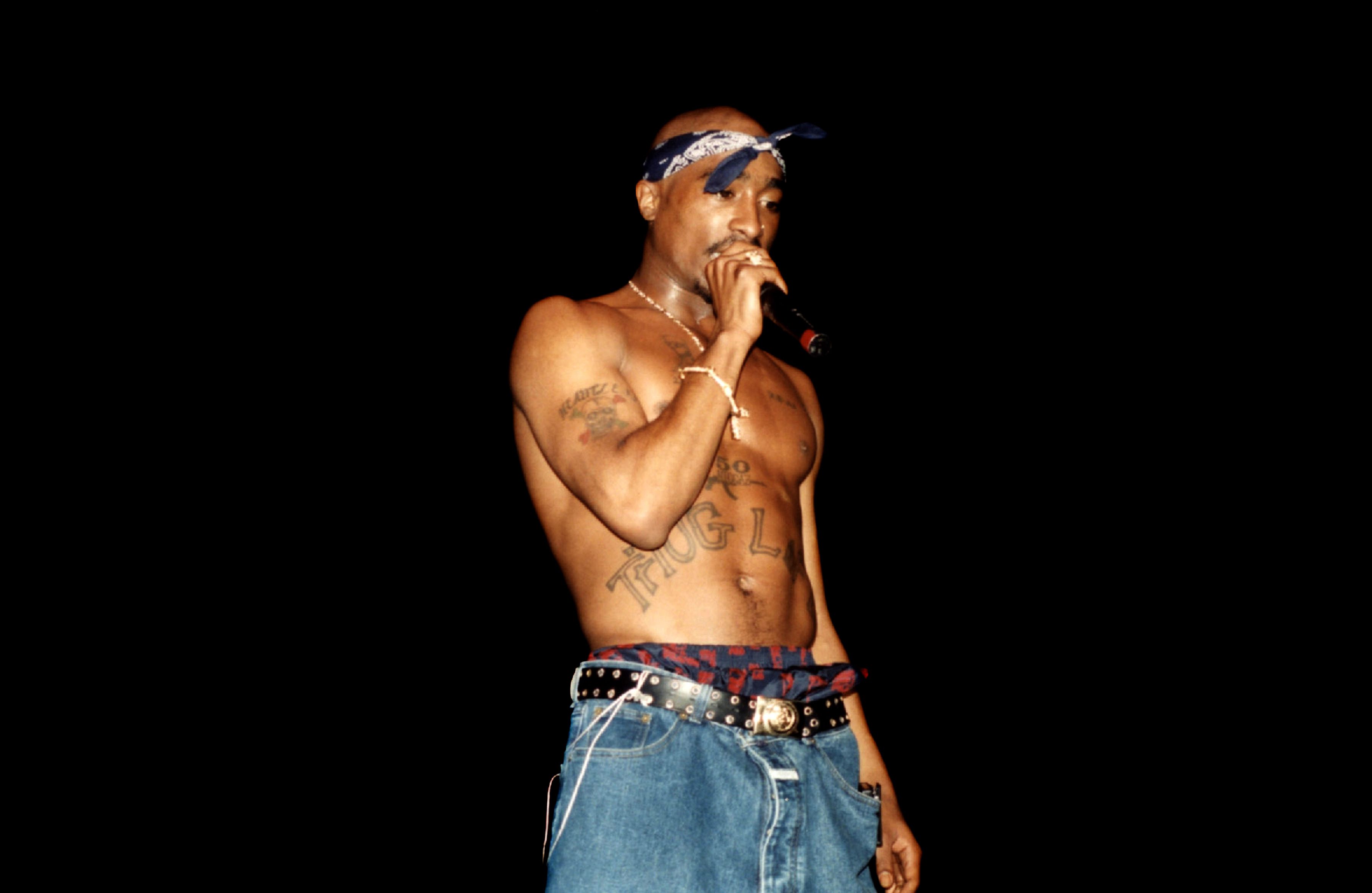
The Undying Spirit of an Icon
Today, Tupac’s spirit continues to permeate California. His music remains a soundtrack to many who drive its highways and walk its streets. From murals adorning city walls in Los Angeles and Oakland to academic studies on his poetic genius, his influence is pervasive. California has become synonymous with the “Thug Life” ethos he espoused, the “California Love” he celebrated, and the struggles he amplified.
For travelers, engaging with Tupac’s legacy in California offers a journey through the state’s cultural history, particularly its significant role in the evolution of hip-hop. It’s an opportunity to explore destinations not just for their scenic beauty or popular attractions, but for their profound connection to a figure whose life and music continue to resonate globally. Whether it’s experiencing the vibrant arts scene of Oakland, walking the bustling streets of Los Angeles, or simply driving along the coast with his powerful lyrics as a backdrop, California offers a rich tapestry for anyone wishing to understand the complex legacy of Tupac Shakur. His narrative invites a unique blend of “travel,” “tourism,” and “lifestyle” exploration, turning specific “landmarks” and cities into points of profound cultural significance.
LifeOutOfTheBox is a participant in the Amazon Services LLC Associates Program, an affiliate advertising program designed to provide a means for sites to earn advertising fees by advertising and linking to Amazon.com. Amazon, the Amazon logo, AmazonSupply, and the AmazonSupply logo are trademarks of Amazon.com, Inc. or its affiliates. As an Amazon Associate we earn affiliate commissions from qualifying purchases.