
The acquisition of Florida by the United States marks a pivotal moment in American territorial expansion and a complex chapter in the history of North America. Far from a simple transaction, [Florida]’s journey into American hands involved centuries of colonial contestations, diplomatic negotiations, and military pressures. Understanding “when” this acquisition occurred necessitates delving into the rich tapestry of the peninsula’s past, revealing layers of Spanish, French, and British influence before its ultimate cession. This narrative is not merely about borders changing but about the profound impact on the diverse peoples and cultures that called [Florida] home.
Florida’s Early European Encounters
Long before the [United States] set its sights on the sun-drenched peninsula, [Florida] was a contested land, a frontier where European empires clashed and indigenous civilizations resisted. Its strategic location, guarding the entrance to the Gulf of Mexico and serving as a crucial waypoint for transatlantic shipping, made it an invaluable prize.
Spanish Discovery and Initial Claims
The first documented European contact with [Florida] occurred in 1513 when Spanish explorer Juan Ponce de León landed near present-day St. Augustine. He claimed the territory for Spain, naming it “La [Florida]” in honor of Pascua [Florida] (“Flowery Easter”). Despite this early claim, sustained Spanish colonization proved challenging due to native resistance and the harsh environment. It wasn’t until 1565, with the founding of [St. Augustine] by Pedro Menéndez de Avilés, that [Spain] established a permanent foothold, making [St. Augustine] the oldest continuously inhabited European-established settlement in the continental [United States]. For over two centuries, [Spanish Florida] remained largely a military outpost and a missionary province, often sparsely populated by Europeans, serving primarily as a defensive buffer for [Spain]’s more lucrative possessions in Mexico and the Caribbean.
French and British Contestations
[Spain]’s claim to [Florida] was not unchallenged. France made an early, albeit brief, attempt to establish a colony at Fort Caroline near modern-day Jacksonville in the 1560s, which was brutally suppressed by the Spanish. Later, as Great Britain established colonies along the Atlantic seaboard, [Florida]’s northern border became a contentious frontier. Throughout the 17th and 18th centuries, Anglo-Spanish conflicts frequently spilled over into [Florida], with raids and skirmishes defining the region’s instability. The British saw [Florida] as a threat to their southern colonies, particularly Georgia and the Carolinas, and as a potential springboard for Spanish or French attacks.The Shifting Sands of Colonial Control (1763-1821)
The period between the mid-18th century and the early 19th century saw [Florida] change hands multiple times, reflecting the broader geopolitical struggles between European powers. Each shift brought new administrative structures, demographic changes, and varying degrees of development, contributing to the complex legacy the [United States] would inherit.
British Florida (1763-1783)
A significant turning point occurred with the Treaty of Paris (1763), which ended the French and Indian War (or Seven Years’ War). In exchange for Havana, Cuba, which the British had captured, [Spain] ceded [Florida] to [Great Britain]. The British divided the territory into two distinct provinces: East Florida, with its capital at [St. Augustine], and West Florida, with its capital at Pensacola. They actively encouraged settlement, offering land grants and establishing plantations, leading to an influx of British loyalists and some economic development. Ironically, during the American Revolutionary War, [Florida] remained loyal to the British Crown, serving as a refuge for Loyalists fleeing the rebellious colonies and a base for British military operations in the South.
The Second Spanish Era (1783-1821)
The British tenure in [Florida] was short-lived. In the aftermath of the [American Revolutionary War], the Treaty of Paris (1783) returned [Florida] to [Spain]. This second Spanish period was marked by Spanish weakness and increasing encroachment from the expanding [United States]. [Spain] struggled to govern the vast territory effectively, especially its sparsely populated western regions. The return to Spanish rule also coincided with growing American interest in the region. The [United States] now bordered Spanish [Florida] directly, and the control of the Mississippi River and access to the [Gulf of Mexico] became vital for American expansion.
United States’ Growing Ambition and Border Tensions
As the [United States] gained independence and began its westward expansion, [Florida] became a persistent point of contention. Its porous borders, the presence of various indigenous groups (most notably the Seminoles), and its potential as a haven for runaway slaves made it a constant source of friction with American southern states.
West Florida Controversy
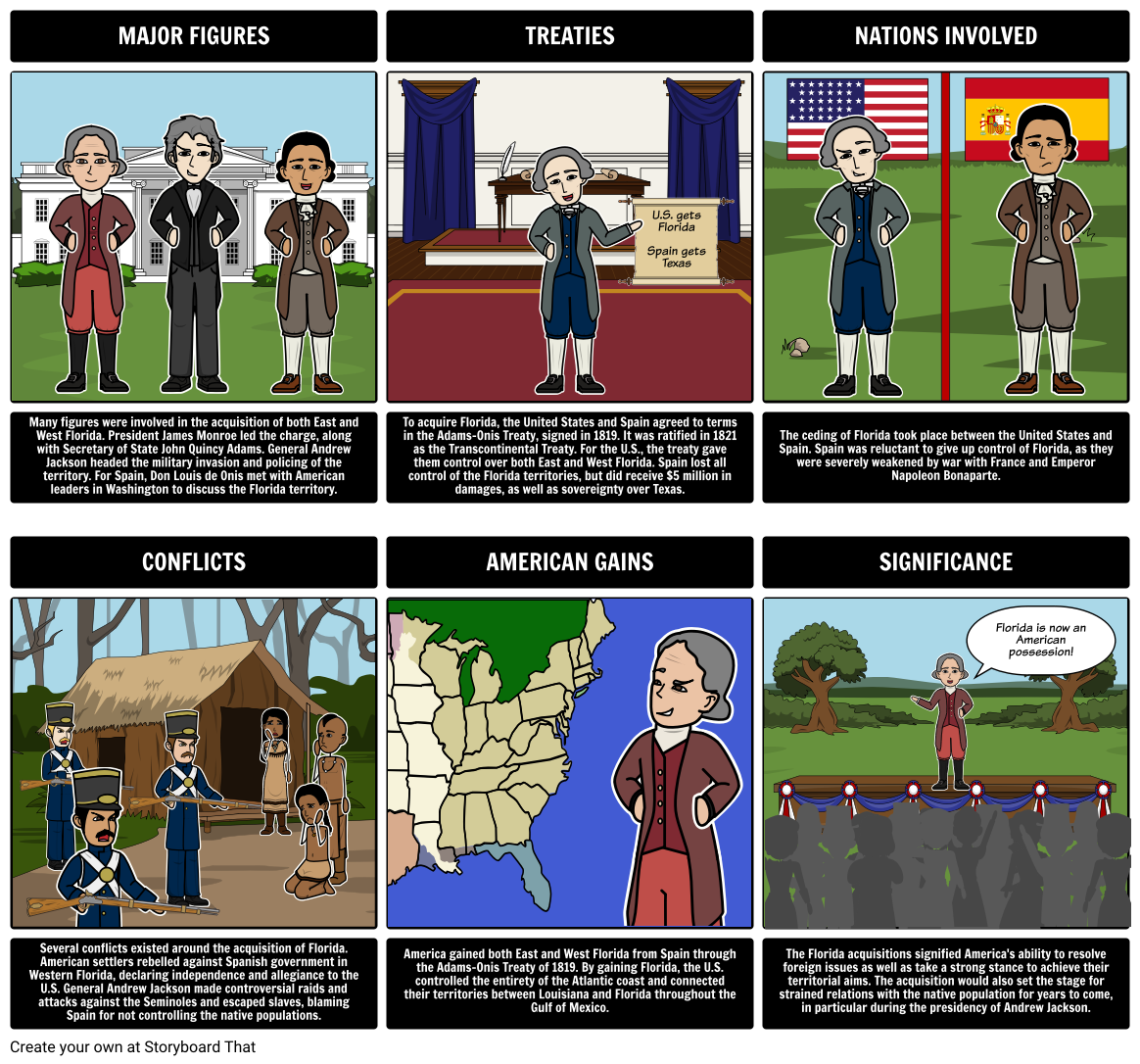
The status of [West Florida] was particularly vexing. Following the Louisiana Purchase in 1803, the [United States] controversially claimed that the purchase included parts of [West Florida] (west of the Perdido River), an interpretation [Spain] vehemently rejected. American settlers in the region, dissatisfied with Spanish rule, rebelled in 1810, declared independence, and were subsequently annexed by the [United States]. This assertive action signaled America’s growing determination to control the territory.
The Seminole Wars and Border Incidents
The early 19th century saw escalating tensions along the [Florida] frontier. Runaway slaves found refuge among the [Seminoles] and other Native American groups in [Florida], leading to punitive expeditions by American militias. These incursions often violated Spanish sovereignty. The most notable instance occurred during the First Seminole War (1816-1819) when General Andrew Jackson led American forces into [Spanish Florida], attacking [Seminole] villages, seizing Spanish forts like [Pensacola], and even executing British citizens for allegedly aiding the [Seminoles]. [Jackson]’s actions, though controversial, demonstrated American military dominance and [Spain]’s inability to control its own territory, effectively putting pressure on [Spain] to cede [Florida].
The Adams-Onís Treaty: A Definitive Transfer
The combination of Spanish weakness, American military pressure, and diplomatic maneuvering ultimately led to the decisive moment of acquisition: the signing of the [Adams-Onís Treaty].
Diplomatic Negotiations and Key Players
By the late 1810s, [Spain] was a declining global power, deeply embroiled in revolutions across its vast Latin American empire. It had neither the resources nor the will to effectively administer or defend [Florida] against American encroachment. For the [United States], acquiring [Florida] would secure its southern border, eliminate a source of instability, and provide access to vital ports.
Negotiations began in Washington D.C. between [United States] Secretary of State John Quincy Adams and Spanish Minister Don Luis de Onís. [Adams], a shrewd diplomat, skillfully leveraged [Jackson]’s aggressive actions and [Spain]’s precarious position, demanding not only [Florida] but also clear definitions of the western boundary of the [Louisiana Purchase].
Terms of the Treaty
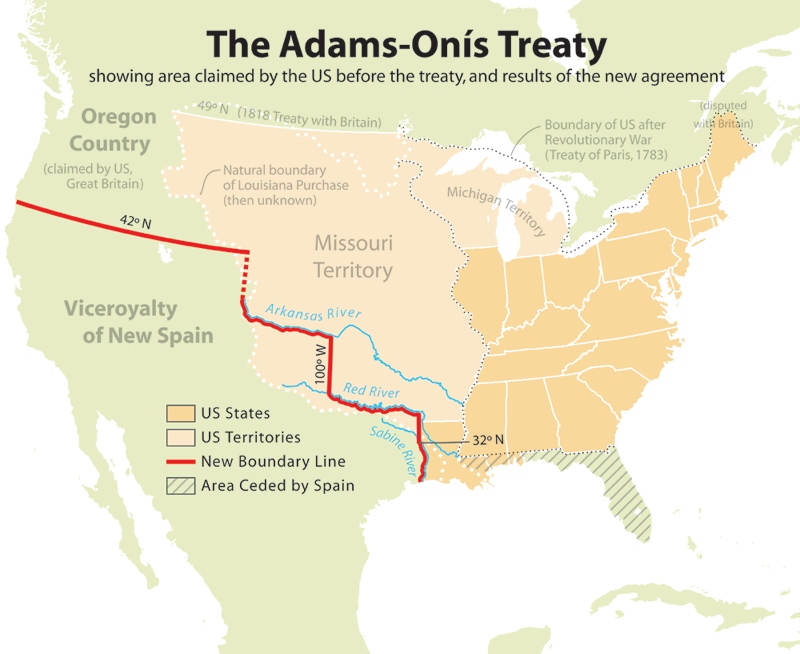
The negotiations culminated in the signing of the Adams-Onís Treaty (also known as the Transcontinental Treaty of 1819) on February 22, 1819. Under its terms:
- [Spain] ceded all of [East Florida] and its remaining claims to [West Florida] to the [United States].
- In return, the [United States] agreed to assume claims by its citizens against [Spain] amounting to approximately $5 million.
- The treaty also defined a clear western boundary for the [Louisiana Purchase], relinquishing American claims to Texas and establishing a boundary extending to the [Pacific Ocean], including claims to the Oregon Country.
This treaty was a landmark agreement that not only secured [Florida] but also significantly shaped the future continental boundaries of the [United States], removing ambiguities that had long plagued U.S.-Spanish relations.
The Formal Cession
Although signed in 1819, the treaty faced delays in ratification due to political complexities in [Spain] and concerns about the specifics of the western boundary. Finally, after considerable diplomatic pressure and adjustments, the [Adams-Onís Treaty] was ratified by [Spain] on October 24, 1820, and by the [United States] on February 19, 1821. The formal transfer of sovereignty took place in a series of ceremonies throughout 1821. On July 17, 1821, in [St. Augustine], [East Florida] was formally transferred. Ten days later, on July 27, 1821, in [Pensacola], [West Florida] was transferred. With these acts, the [United States] officially acquired [Florida], ending centuries of European colonial rule and opening a new chapter for the territory.
The Impact of Acquisition on Florida and the United States
The acquisition of [Florida] was a momentous event, not just for the fledgling American nation but for the region itself, setting the stage for profound demographic, economic, and political changes.
Territorial Growth and Statehood
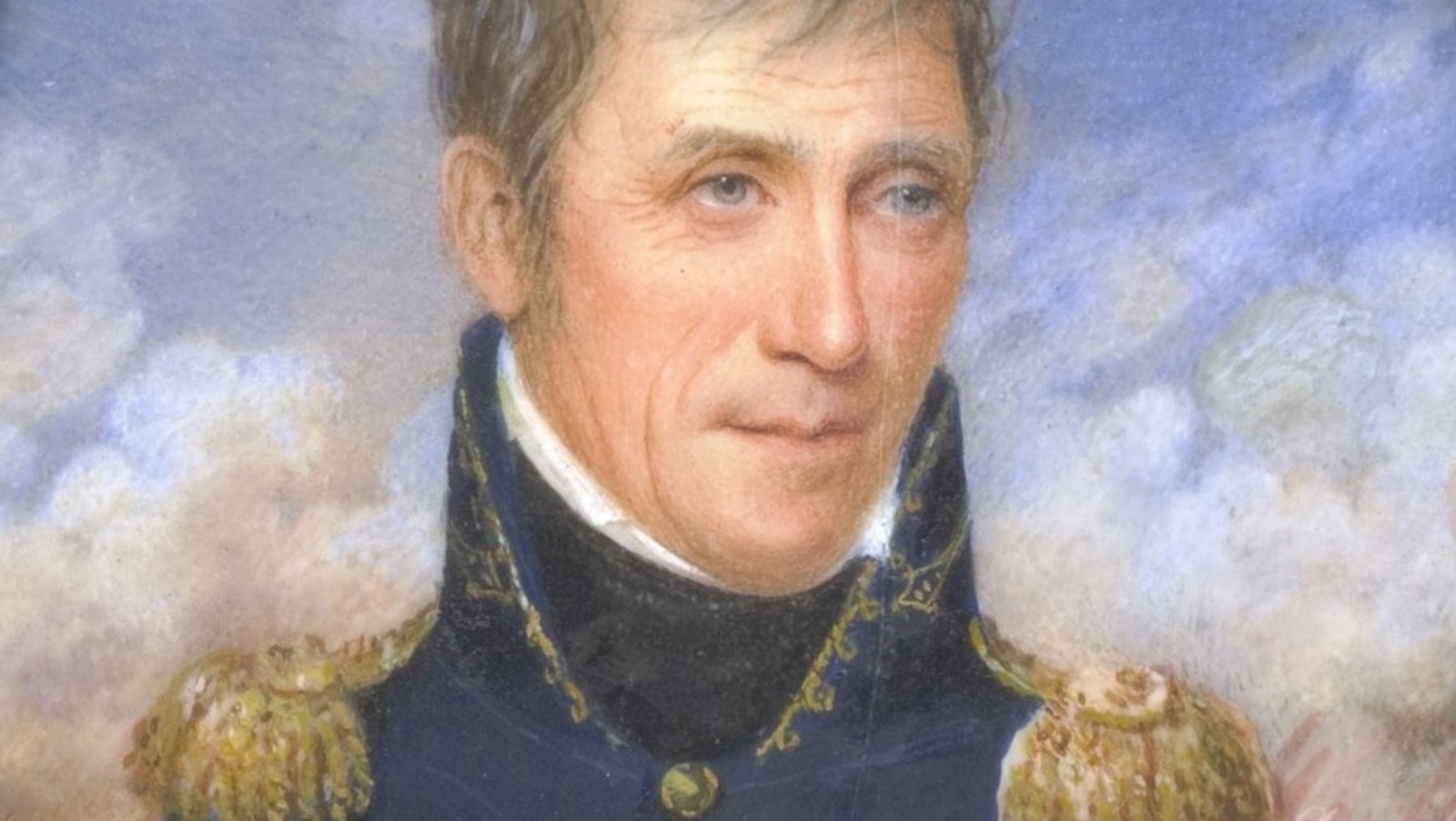
Upon acquisition, [Florida] was organized as a territory of the [United States]. [Andrew Jackson] was appointed its first territorial governor. The territorial period saw an influx of American settlers, primarily from [Georgia], Alabama, and Mississippi, eager to exploit the land for cotton and sugar cane cultivation. This rapid settlement, however, intensified conflicts with the [Seminoles], leading to the devastating Second Seminole War (1835-1842), one of the costliest Indian wars in American history. Despite these conflicts, [Florida]’s population grew, and on March 3, 1845, it was admitted to the Union as the 27th state, solidifying its place within the [United States].
Cultural and Economic Transformations
The transfer of [Florida] brought an end to its multi-ethnic and multi-cultural colonial frontier identity. The dominant Spanish influence, though leaving an indelible mark, began to recede, replaced by Anglo-American culture, legal systems, and economic practices. Plantation agriculture, reliant on enslaved labor, expanded significantly, transforming the state’s economy and social structure. Ports like [Jacksonville] and [Pensacola] grew in importance, facilitating trade and connecting [Florida] to the broader American economy. The acquisition completed the southern flank of the [United States], providing critical access to the [Gulf of Mexico] and setting the stage for further American expansion and influence in the Caribbean and Latin America. The history of [Florida]’s acquisition, therefore, is a testament to the complex interplay of diplomacy, military power, and the relentless drive for territorial expansion that defined the early American republic.
LifeOutOfTheBox is a participant in the Amazon Services LLC Associates Program, an affiliate advertising program designed to provide a means for sites to earn advertising fees by advertising and linking to Amazon.com. Amazon, the Amazon logo, AmazonSupply, and the AmazonSupply logo are trademarks of Amazon.com, Inc. or its affiliates. As an Amazon Associate we earn affiliate commissions from qualifying purchases.