
The question of “When did weed become legal in California?” is a common one, especially for travelers and those interested in the evolving landscape of global tourism and lifestyle trends. The answer, however, isn’t a single date, but rather a journey through progressive legislation that has positioned the Golden State at the forefront of cannabis reform. California has long been a pioneer, first with medical marijuana and later with adult-use recreational cannabis, setting precedents that have influenced regions far beyond its borders. For visitors planning a trip to iconic destinations like Los Angeles, San Francisco, or San Diego, understanding these legal milestones is crucial for navigating the local culture, exploring unique attractions, and ensuring a compliant and enjoyable experience.
This article delves into the historical timeline of cannabis legalization in California, from its medical origins to its current recreational status. We’ll explore the pivotal moments, the subsequent impact on tourism and hospitality, and what travelers need to know to responsibly engage with California’s thriving cannabis industry. As a premier destination for diverse experiences, from breathtaking natural landmarks to vibrant urban centers, California’s cannabis policies have added another layer to its appeal, shaping new forms of tourism and lifestyle exploration.
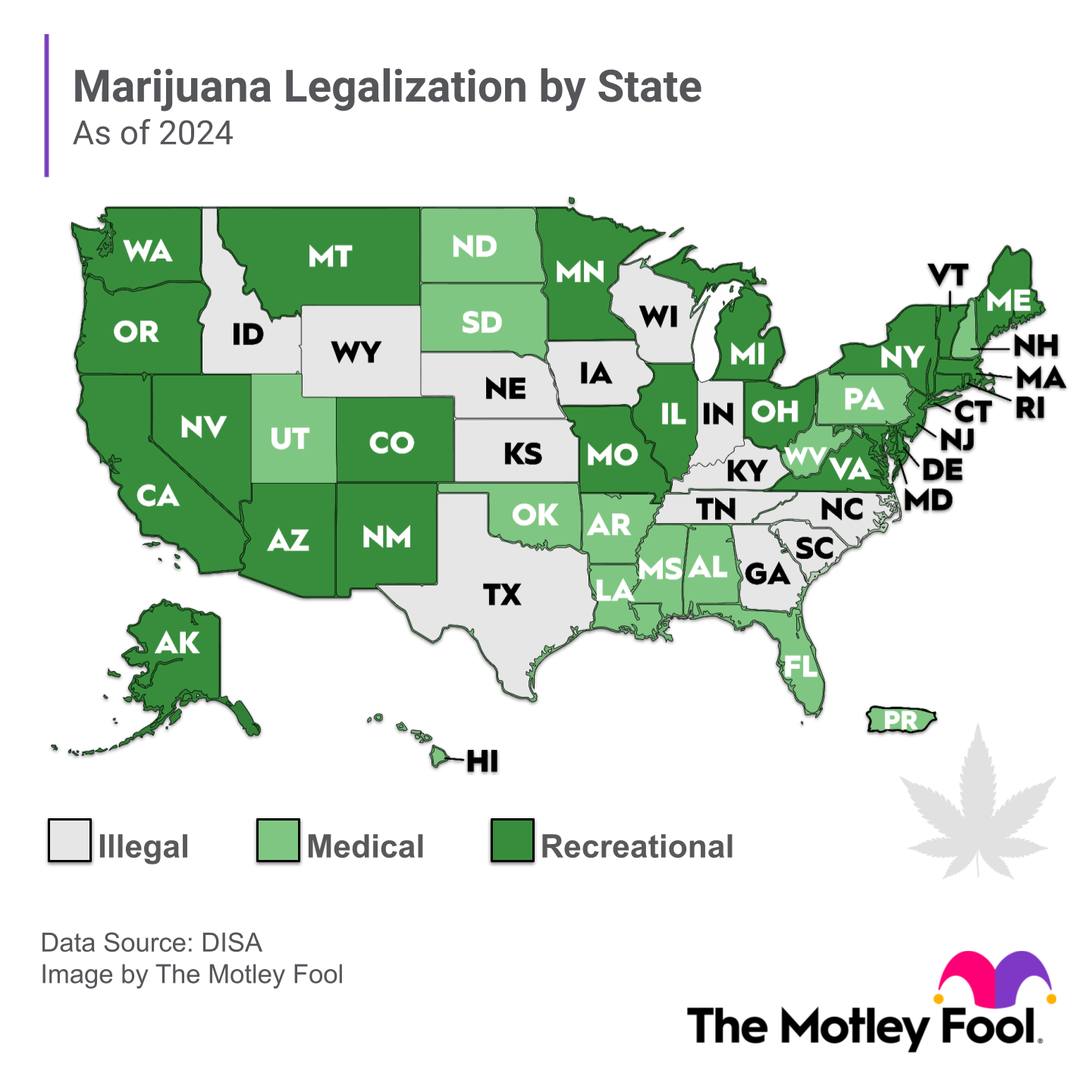
A Brief History of Cannabis Legalization in California
California’s relationship with cannabis has been complex and evolutionary, a testament to its progressive political climate and cultural openness. The path to full legalization was paved over two decades, marked by significant legislative victories that gradually reshaped public perception and legal frameworks surrounding the plant. This journey began with medical cannabis, establishing California as a trailblazer long before the concept of recreational legalization gained widespread traction.
The Compassionate Use Act of 1996: Paving the Way for Medical Cannabis
The true beginning of legal cannabis in California can be traced back to November 5, 1996, with the passage of Proposition 215, also known as the Compassionate Use Act. This groundbreaking ballot initiative legalized medical marijuana for patients with a doctor’s recommendation, making California the first state in the United States to do so. The Compassionate Use Act allowed seriously ill Californians to cultivate and possess cannabis for personal medical use, provided they had a recommendation from a licensed physician.
This legislative victory was a monumental shift, challenging federal prohibitions and igniting a national debate on cannabis policy. For nearly two decades, Proposition 215 laid the foundation for a burgeoning medical cannabis industry, leading to the proliferation of dispensaries across cities like Berkeley and Oakland, which became early epicenters of this new medical landscape. While not full legalization, the Compassionate Use Act normalized cannabis use for a significant portion of the population and demonstrated the feasibility of a regulated market, albeit under medical pretenses. It also introduced many Californians, and indeed many visitors, to the idea of cannabis as a legitimate wellness tool, subtly altering perceptions and setting the stage for broader acceptance.

Proposition 64: Adult-Use Legalization in 2016
The definitive answer to “When did weed become legal in California?” for adult recreational use is November 8, 2016. On this historic day, California voters overwhelmingly approved Proposition 64, also known as the Adult Use of Marijuana Act. This initiative fundamentally changed the legal status of cannabis, allowing adults aged 21 and older to legally possess, consume, and cultivate specified amounts of marijuana for recreational purposes.
Proposition 64 represented a comprehensive framework for legalization, addressing everything from personal possession limits (up to one ounce of cannabis flower or eight grams of concentrated cannabis) and home cultivation (up to six plants per residence) to the creation of a regulated commercial market. The passage of Proposition 64 was a pivotal moment, not just for California but for the entire United States, solidifying the trend towards cannabis reform and signaling a shift in national attitudes. For the travel and tourism sectors, this opened up entirely new avenues, transforming how visitors would experience the state.
The Rollout and Retail Sales
While Proposition 64 made adult-use cannabis legal in November 2016, the retail market didn’t immediately spring to life. The law included a lengthy implementation period to allow the state to establish a comprehensive regulatory framework for cultivation, manufacturing, testing, distribution, and retail sales. This period involved creating licensing systems, establishing stringent product safety standards, and allowing local jurisdictions to develop their own ordinances regarding commercial cannabis activities.
It wasn’t until January 1, 2018, that licensed retail cannabis dispensaries officially began selling recreational marijuana to adults across California. This date marked the true commencement of the commercial adult-use cannabis market, making California the largest legal cannabis market in the world. Cities like Sacramento, Oakland, and Los Angeles saw some of the first dispensaries open their doors for recreational sales, ushering in a new era for consumers and businesses alike. Since then, the market has expanded significantly, with a growing number of licensed dispensaries, delivery services, and consumption lounges becoming part of the Californian experience. This rollout phase was critical in shaping the current landscape of cannabis tourism and lifestyle within the state, offering new opportunities for travelers seeking unique experiences.

Navigating Cannabis Tourism in the Golden State
The legalization of adult-use cannabis has profoundly impacted California’s tourism industry, creating a niche market for “cannabis tourism.” As a destination, the Golden State now offers an array of cannabis-related experiences, from sophisticated dispensaries to immersive farm tours, appealing to both seasoned enthusiasts and curious newcomers. However, navigating this new landscape requires an understanding of the state’s specific laws and regulations, particularly for visitors.
Understanding California’s Cannabis Laws for Visitors
For travelers venturing to California, understanding the legalities surrounding cannabis is paramount to a smooth and enjoyable trip. While cannabis is legal for adults 21 and over, there are crucial distinctions and restrictions to keep in mind:
- Age and Purchase Limits: You must be 21 or older with a valid government-issued ID to purchase and consume cannabis. Adults can possess up to 1 ounce (28.5 grams) of cannabis flower or 8 grams of concentrated cannabis.
- Where to Buy: Purchases must be made from licensed dispensaries. These establishments are clearly identifiable and operate under strict state regulations. Avoid purchasing from unlicensed sources, as these are illegal and unregulated. Many cities, including Los Angeles and San Francisco, have numerous dispensaries easily accessible to visitors.
- Where to Consume: Public consumption of cannabis is generally prohibited. This means you cannot smoke, vape, or consume edibles in public places like parks, sidewalks, restaurants, bars, or even on federal land (e.g., Death Valley National Park or Yosemite National Park). Consumption is generally permitted in private residences or at licensed cannabis consumption lounges, which are slowly emerging in various cities.
- Driving Under the Influence: Driving while impaired by cannabis is illegal and carries severe penalties, similar to alcohol. Never consume cannabis and drive.
- Transportation: It is illegal to transport cannabis across state lines, even if both states have legalized it. You also cannot transport it onto federal property, including airports. When flying out of California, cannabis should not be brought to the airport.
- Hotel Policies: Many hotels and accommodation providers maintain a strict no-smoking policy, which often extends to cannabis. It’s essential to check with your specific hotel regarding their cannabis consumption policies before booking or consuming on their property. Some cannabis-friendly hotels or private villas are beginning to emerge, offering designated areas or relaxed policies, catering to this specific niche.
Finding Cannabis-Friendly Accommodations and Experiences
The demand for cannabis-friendly experiences has led to the emergence of specialized accommodation and tourism services in California. While traditional hotels may still have restrictions, a growing number of boutique hotels, vacation rentals, and private villas are explicitly marketing themselves as cannabis-friendly. These often provide designated outdoor smoking areas, vaporizers, or even curated cannabis welcome gifts, enhancing the lifestyle experience for guests.
For those seeking an immersive experience, several tour operators now offer curated cannabis tours. These can range from visits to cultivation sites in regions like Napa Valley (often alongside wine tours) to guided dispensary tours in urban centers, and even cooking classes incorporating cannabis. Events and festivals centered around cannabis culture are also becoming more prevalent, providing unique opportunities for travelers to engage with the plant in a social, educational, and legal setting. Websites specializing in cannabis tourism or accommodation are excellent resources for finding these unique offerings, ensuring that travelers can fully embrace the cannabis lifestyle while visiting.
Exploring Cannabis Culture and Attractions
California has a rich history with cannabis, predating legalization, and this history has cultivated a unique culture that visitors can now openly explore. Beyond just purchasing products, travelers can dive into the evolving cannabis scene:
- Dispensary Experiences: Modern dispensaries are often far removed from their illicit past. Many are sleek, high-end retail environments resembling luxury travel boutiques, offering a wide array of products including flower, edibles, concentrates, and topicals. Knowledgeable budtenders provide guidance, making the purchasing process educational and enjoyable.
- Cannabis Lounges: A slowly growing number of licensed consumption lounges, particularly in cities like West Hollywood and Palm Springs, offer a safe and legal space for public consumption. These venues often provide food, drinks, entertainment, and a social atmosphere, much like traditional bars or cafes, but with cannabis as the central theme.
- Wellness and Spa Retreats: Some wellness resorts and spas in California are beginning to incorporate cannabis or CBD (cannabidiol) into their offerings, from infused massages to cannabis-enhanced yoga and meditation sessions, aligning with the growing trend of holistic lifestyle and personal well-being.
- Events and Festivals: Throughout the year, various cannabis-themed events, expos, and festivals take place, particularly in agricultural regions and major cities. These events offer insights into industry innovations, cultural celebrations, and networking opportunities for those interested in the cannabis lifestyle.
By exploring these facets, visitors can gain a deeper understanding of cannabis’s role in California’s contemporary culture and economy, making their trip even more memorable and unique.
The Economic and Cultural Impact on California
The legalization of cannabis has brought about significant economic and cultural shifts in California, extending far beyond simply allowing adults to consume the plant. It has created a multi-billion dollar industry, generated substantial tax revenues, and spurred innovation across various sectors, particularly within tourism and hospitality. This transformation continues to redefine the state’s identity on both a national and global scale.
A New Era for Hospitality and Travel
The economic impact of legal cannabis on California’s hospitality and travel sectors has been substantial. The state has collected billions in tax revenue since retail sales began, funds that are often earmarked for public services, youth programs, environmental protection, and local community reinvestment. This revenue stream bolsters the state’s infrastructure and services, indirectly benefiting tourism as a whole.
Directly, the cannabis industry has created tens of thousands of jobs, from cultivation and manufacturing to retail and tourism-specific roles such as cannabis tour guides and budtenders. This new economic activity diversifies California’s already robust economy, attracting entrepreneurs and innovators. For travelers, this means new amenities and experiences, ranging from specialized cannabis accommodations to unique local products and services that weren’t available before. The integration of cannabis into the lifestyle and tourism offerings has positioned California as a unique destination for those seeking experiences beyond traditional attractions like Disneyland or Hollywood. It has opened up new avenues for small businesses and local economies, particularly in regions that embrace the industry.
Responsible Consumption and Public Perception
With legalization comes the crucial aspect of responsible consumption, a principle California has sought to embed in its regulatory framework. Public health campaigns and educational initiatives are ongoing to inform residents and visitors about safe usage practices, the dangers of impaired driving, and the importance of respecting public consumption laws. The goal is to integrate cannabis into society responsibly, minimizing potential harms while maximizing public benefits.
Culturally, legalization has significantly altered public perception of cannabis. What was once a taboo subject is now openly discussed, researched, and consumed by a broader demographic. This shift is particularly evident in the way cannabis is presented in media, marketing, and public discourse, moving away from stigmatized imagery towards an emphasis on wellness, lifestyle, and responsible adult choice. This evolving perception is vital for tourism, as it encourages a more welcoming environment for cannabis-interested travelers, fostering an atmosphere of acceptance and curiosity rather than judgment. For many, exploring California’s cannabis scene is an extension of its broader progressive lifestyle and cultural offerings.
Looking Ahead: The Future of Cannabis in California
The journey of cannabis legalization in California is far from over. The industry continues to evolve, facing challenges such as federal illegality, local regulatory hurdles, and market competition. However, the trajectory points towards further integration into the state’s social and economic fabric. Discussions are ongoing regarding expanding consumption lounge options, streamlining licensing processes, and addressing equity issues within the industry.
For travelers and those interested in the future of tourism and lifestyle, California will likely continue to innovate in the cannabis space. We may see more specialized cannabis hotels and resorts, greater integration of cannabis into wellness retreats, and even more sophisticated culinary experiences. As the state refines its regulations and the market matures, California will undoubtedly remain a global leader, offering unparalleled opportunities for exploration, relaxation, and engagement with a plant that has profoundly impacted its history and will continue to shape its future. The story of when weed became legal in California is not just a historical account; it’s a living narrative of progress, opportunity, and a continuously evolving travel and lifestyle destination.
LifeOutOfTheBox is a participant in the Amazon Services LLC Associates Program, an affiliate advertising program designed to provide a means for sites to earn advertising fees by advertising and linking to Amazon.com. Amazon, the Amazon logo, AmazonSupply, and the AmazonSupply logo are trademarks of Amazon.com, Inc. or its affiliates. As an Amazon Associate we earn affiliate commissions from qualifying purchases.