
California, often seen as a trendsetter and a pioneer in various cultural and legislative movements, holds a significant place in the history of cannabis reform. The journey to adult-use cannabis legalization in the Golden State is a fascinating narrative, deeply intertwined with evolving societal views, public health considerations, and economic aspirations. For travelers exploring its diverse landscapes, from the vibrant cities of Los Angeles and San Francisco to the serene beauty of its national parks, understanding the timeline and implications of cannabis legalization is crucial for a seamless and compliant experience. This article delves into when cannabis became legal in California, its profound impact on tourism and lifestyle, and what visitors need to know to navigate this evolving landscape responsibly.

A Historical Journey: Decades of Cannabis Reform in California
California’s path to cannabis legalization was not a sudden event but a gradual evolution, marked by several landmark legislative achievements that progressively chipped away at prohibition. This journey reflects a broader national shift in perspective, but California consistently led the charge, often setting precedents for other states to follow.
The Compassionate Use Act of 1996: Paving the Way
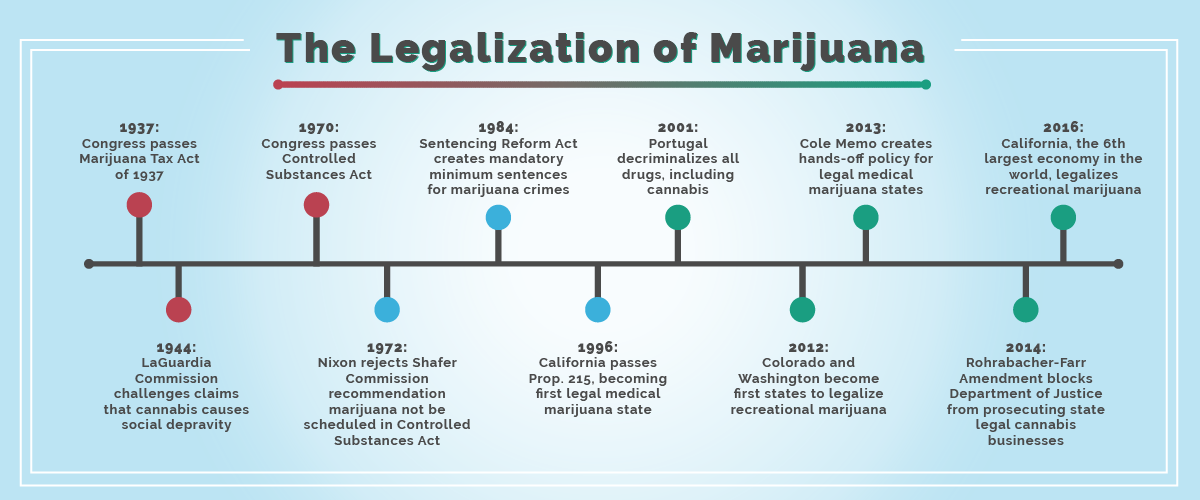
The true genesis of legal cannabis in California dates back to 1996 with the passage of Proposition 215, formally known as the Compassionate Use Act. This groundbreaking ballot initiative made California the first state in the United States to legalize medical cannabis for patients with a doctor’s recommendation. The Compassionate Use Act allowed seriously ill Californians to obtain and use marijuana for medical purposes without fear of state prosecution. Conditions such as cancer, AIDS, chronic pain, and glaucoma were among those for which cannabis could be recommended.
The passage of Proposition 215 was a monumental step, but it also ushered in a period of significant regulatory ambiguity. Without clear state guidelines on how medical cannabis dispensaries should operate or how much cannabis a patient could possess, local jurisdictions often found themselves grappling with conflicting federal and state laws. This era saw a proliferation of medical cannabis dispensaries, particularly in urban centers like Los Angeles and San Francisco, as entrepreneurs sought to meet patient demand. While revolutionary, the medical cannabis framework laid the groundwork for further reform, demonstrating both the public’s desire for access and the need for a more structured legal and regulatory environment. Over the subsequent years, various attempts were made to refine the medical cannabis system, culminating in the Medical Marijuana Program Act of 2003, which aimed to clarify patient identification and cultivate guidelines, though it still fell short of comprehensive state-level regulation.
Proposition 64 and the Dawn of Adult-Use Cannabis
The major turning point for recreational cannabis use in California arrived on November 8, 2016, with the overwhelming approval of Proposition 64, also known as the Adult Use of Marijuana Act. This historic vote marked the legalization of recreational cannabis for adults aged 21 and older, making California the fifth state to do so at the time.
Proposition 64 immediately enacted several key changes:
- Personal Possession: Adults 21 and over could legally possess up to 28.5 grams (one ounce) of cannabis flower and up to 8 grams of concentrated cannabis.
- Home Cultivation: Individuals could cultivate up to six cannabis plants for personal use within a private residence, out of public view.
- Retail Sales Framework: The proposition established a comprehensive state-licensing system for commercial cultivation, manufacturing, testing, and retail sale of cannabis.
While Proposition 64 was approved in November 2016, the full implementation of retail sales required time to develop the necessary regulatory framework. The state’s cannabis licensing authorities, including the then-Bureau of Cannabis Control (now the Department of Cannabis Control), worked diligently to establish regulations for everything from product testing and packaging to distribution and sales. This meticulous process meant that legal recreational cannabis dispensaries did not officially open their doors until January 1, 2018.
Since then, California’s cannabis market has rapidly matured, becoming the largest legal cannabis market in the world. This new era brought with it significant economic opportunities, challenges, and a new dimension to the state’s already robust tourism industry.
Navigating Cannabis Tourism in the Golden State
For many visitors, the opportunity to legally experience cannabis is a unique draw to California. The state’s progressive stance on cannabis has opened doors to a burgeoning “cannabis tourism” sector, offering specialized tours, dispensaries, and even cannabis-friendly events. However, understanding the rules and etiquette is essential for a pleasant and lawful visit.
Understanding the Legal Landscape for Visitors
While cannabis is legal for adult recreational use, there are crucial regulations that visitors, like residents, must adhere to:
- Age Restriction: You must be 21 years or older to purchase, possess, or consume cannabis. Valid identification is always required.
- Possession Limits: The same limits apply: 28.5 grams of flower and 8 grams of concentrate. It’s advisable to carry products in their original packaging from a licensed dispensary to avoid any confusion.
- Where to Purchase: Cannabis can only be purchased from licensed dispensaries. These establishments are easily identifiable by their official state license. Avoid purchasing from unlicensed vendors or the illicit market, as these products are untested and illegal. You can often find licensed dispensaries through online search engines or state-run registries.
- Where to Consume: This is one of the most critical rules for tourists. Public consumption of cannabis is illegal. This includes parks, sidewalks, restaurants, bars, and anywhere smoking tobacco is prohibited. It is also illegal to consume cannabis in vehicles, whether parked or in motion. The safest and most compliant place to consume is in a private residence where the owner permits it. Some licensed cannabis lounges are beginning to emerge in cities like West Hollywood and Palm Springs, providing designated legal consumption spaces, but these are still relatively few and far between.
- Driving Under the Influence: Driving under the influence of cannabis is illegal and carries severe penalties, similar to alcohol. It is paramount to arrange for alternative transportation if you plan to consume.
- Crossing State Lines/International Travel: It is illegal to transport cannabis across state lines, even if both states have legalized it. It is also illegal to bring cannabis into or out of the United States across international borders. Federal law still classifies cannabis as an illegal substance.
- Tenant Rights: Hotels and other accommodations generally have strict no-smoking policies, which extend to cannabis. Always check with your accommodation provider about their specific rules regarding cannabis use.
Exploring Cannabis-Friendly Experiences and Destinations
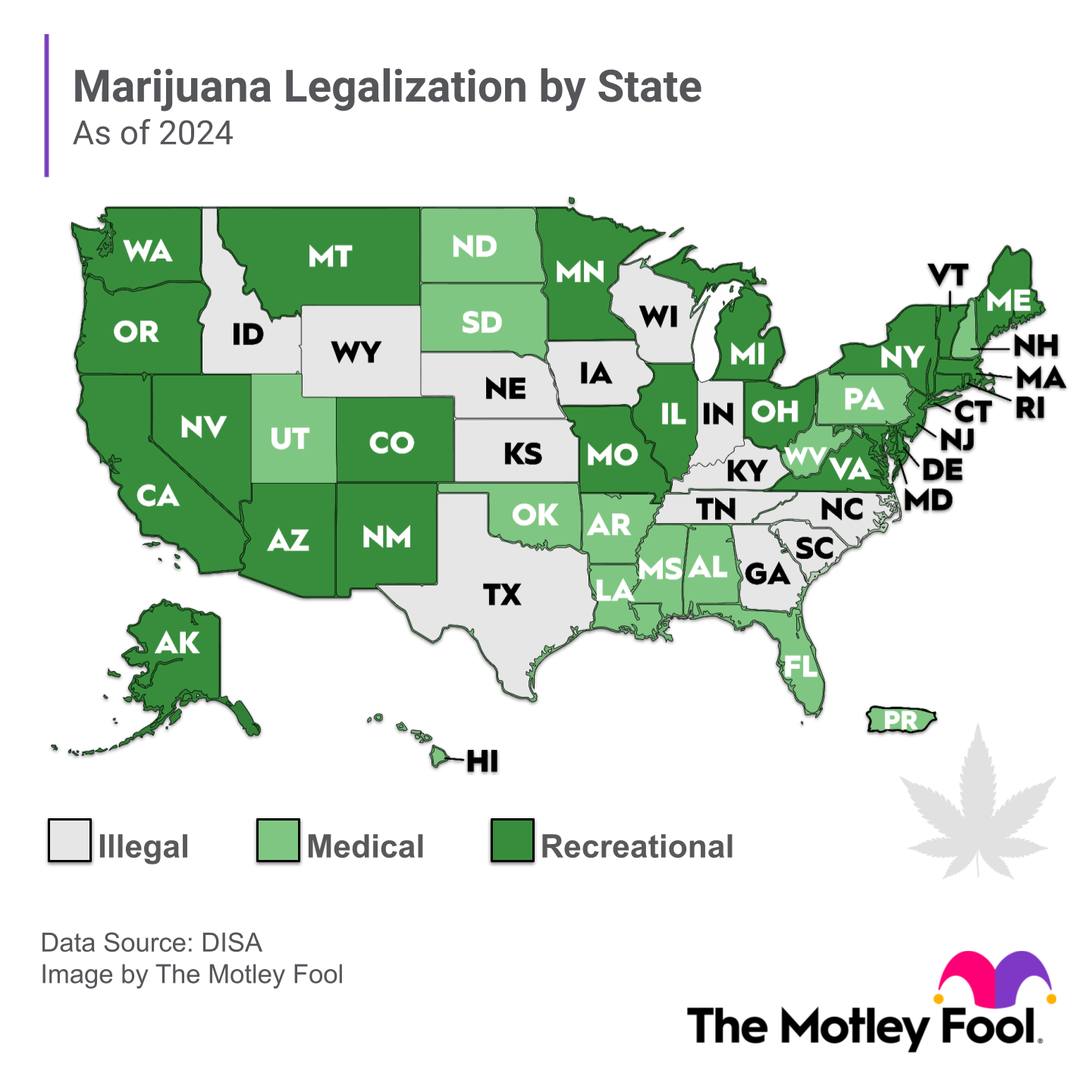
California’s diverse regions offer unique cannabis experiences. In metropolitan areas like Los Angeles, San Francisco, and Oakland, you’ll find a wide array of upscale dispensaries, cannabis-infused dining experiences, and guided cannabis tours that explore the industry’s culture and history. These tours might include visits to cultivation sites (for educational purposes), processing facilities, and tasting rooms where permitted.
Beyond the urban centers, regions like the Emerald Triangle – comprising Humboldt County, Mendocino County, and Trinity County – offer a deeper dive into the agricultural heartland of cannabis cultivation. While these areas are historically significant for cannabis, public access to farms is generally limited to specific tours and events that comply with strict regulations.
For those interested in a more relaxed approach, cities like Palm Springs and Santa Cruz are increasingly embracing cannabis-friendly tourism, offering specialized accommodations and a more laid-back vibe. Whether you’re interested in the science of cannabis, its culinary applications, or simply seeking to responsibly partake, California provides an unparalleled variety of options. Many dispensaries now operate more like high-end boutiques, with knowledgeable staff ready to guide both novice and experienced consumers through their extensive product offerings, including edibles, tinctures, vapes, and topical solutions.
Where to Stay and What to Expect: Accommodation and Amenities
Finding suitable accommodation is a key aspect of any travel plan, and cannabis legalization adds another layer of consideration for visitors to California. While the state embraces legal cannabis, many hotels and rental properties maintain strict rules regarding its consumption on their premises.
Finding Cannabis-Friendly Hotels and Stays
The concept of “cannabis-friendly” accommodation is still evolving in California. Unlike traditional smoking, which is widely banned indoors, policies around cannabis are often left to the discretion of individual property owners.
- Traditional Hotels and Resorts: The vast majority of mainstream hotels, resorts, and suites, even luxury ones, maintain strict no-smoking policies, which usually extend to cannabis flower, vapes, and even edibles if consumed in a way that impacts other guests or violates property rules. Smoking cannabis in a hotel room will almost certainly result in significant cleaning fees. Always clarify with the hotel directly before booking if you have specific needs. Some hotels might tolerate edibles or discreet vape pens, but explicit permission is rare.
- Boutique Hotels and Speciality Accommodations: A smaller, but growing, number of boutique hotels and private villas are explicitly marketing themselves as “420-friendly” or “cannabis-welcoming.” These establishments often provide designated outdoor consumption areas, offer cannabis-related amenities, or even facilitate cannabis experiences like pairing dinners (where legal). These accommodations are more prevalent in cities known for their progressive cannabis culture, such as Los Angeles, San Francisco, and Palm Springs. Searching specifically for “cannabis-friendly hotels [city name]” online can help identify these options.
- Vacation Rentals (e.g., Airbnb, VRBO): Private vacation rentals offer more flexibility. When booking through platforms like Airbnb or VRBO, look for listings where the host explicitly states that cannabis use is permitted. Many hosts will specify “no smoking of any kind,” while others might allow it outdoors or in designated areas. Clear communication with the host before booking is paramount to avoid misunderstandings or penalties.
- Amenities: Some cannabis-friendly accommodations might offer unique amenities, such as “budtender” services, cannabis-infused spa treatments, or even cannabis-friendly cooking classes. These experiences align with a luxury travel or experiential tourism lifestyle, providing a curated and elevated way to engage with legal cannabis.
Respecting Local Regulations and Etiquette
Regardless of where you stay, respecting local regulations and the comfort of others is paramount. Even in cannabis-friendly locales, discreet consumption is often preferred. Be mindful of scent, especially if consuming flower, as it can be strong and carry. Understand that while cannabis is legal at the state level, individual cities and counties in California have the authority to ban commercial cannabis activity within their borders. This means that while cannabis might be legal in California, you might not find dispensaries or consumption lounges in every city or town you visit. For instance, many rural counties and conservative municipalities have opted out of allowing commercial cannabis sales. Always check local ordinances before planning your cannabis-related activities.
The Economic and Cultural Impact on California
The legalization of adult-use cannabis in California has had a ripple effect, transforming not only the legal landscape but also contributing significantly to the state’s economy and cultural identity.
A New Era for Business and Innovation
Since recreational sales began in 2018, California’s legal cannabis market has grown exponentially. The industry generates billions in annual sales, leading to substantial tax revenues that are allocated to various state programs, including youth substance use prevention, environmental protection, and public safety. This economic boom has fostered innovation, creating thousands of jobs across cultivation, manufacturing, distribution, retail, and ancillary services. From sophisticated cultivation technologies to advanced product development (such as precisely dosed edibles and highly refined concentrates), California is at the forefront of cannabis innovation. New businesses are constantly emerging, offering everything from cannabis-infused cuisine to specialized wellness products, contributing to a vibrant and competitive marketplace. The sector has also seen significant investment, attracting both local entrepreneurs and major corporations looking to capitalize on this rapidly expanding industry.
Shaping California’s Unique Lifestyle
Beyond economics, legal cannabis has undeniably influenced California’s lifestyle and cultural identity. What was once a clandestine activity for many has now become a mainstream commodity, albeit with regulations. The stigma surrounding cannabis has diminished significantly, leading to more open discussions, greater acceptance, and the integration of cannabis into various aspects of daily life for many adults.
For residents and tourists alike, cannabis can be part of a broader lifestyle choice, complementing activities such as hiking in Yosemite National Park, relaxing on the beaches of San Diego, or enjoying the vibrant arts scene in Berkeley. The ability to responsibly access cannabis has added another layer to the “California Dream” – one that emphasizes personal freedom, wellness, and a progressive outlook. The state’s commitment to regulated access ensures product safety and consumer protection, further solidifying its role as a leader in this global movement.
In conclusion, California’s journey to legalizing cannabis is a testament to its pioneering spirit. From the compassionate beginnings of medical marijuana in 1996 to the full implementation of adult-use recreational sales in 2018, the state has continuously shaped the future of cannabis. For those planning to visit or reside in this dynamic state, understanding these milestones and adhering to current regulations ensures a safe, enjoyable, and enriching experience within the thriving cannabis culture of the Golden State.