
The Golden State of California, renowned for its sun-drenched beaches, iconic landmarks, and vibrant lifestyle, observes Daylight Saving Time (DST) like most of the United States. This biannual ritual of “springing forward” and “falling back” shifts the clocks by an hour, profoundly impacting everything from daily routines to travel itineraries and the overall tourism experience. For residents and visitors alike, understanding when and why these changes occur is crucial for seamless planning and maximizing enjoyment of all that California has to offer.
From the bustling streets of Los Angeles to the serene vineyards of Napa Valley and the majestic beauty of Yosemite National Park, the time change subtly influences booking accommodations, scheduling activities, and navigating the state’s diverse attractions. As a hub for travel and tourism, California often finds itself at the heart of discussions about the relevance and future of DST, especially given its unique position as a trendsetter and a state with a strong outdoor culture. Whether you’re planning a luxury escape, a budget-friendly road trip along the Pacific Coast Highway, or a family adventure to Disneyland Resort, being aware of the clock changes is an essential tip for any traveler.
The Rhythms of Time: Understanding Daylight Saving in California
For the vast majority of the year, life in California follows the Pacific Time Zone (PT). However, twice a year, this rhythm is momentarily disrupted as the state transitions in and out of Daylight Saving Time. This shift is a critical piece of information for anyone planning a visit or residing in the state, as it directly influences daylight hours, business operations, and even personal well-being.
When to Spring Forward and Fall Back
The precise dates for Daylight Saving Time changes are federally mandated and consistent across most of the United States. In California:
- Spring Forward: Clocks move forward one hour on the second Sunday in March. This typically occurs at 2:00 AM local time, when clocks immediately jump to 3:00 AM. This marks the start of Daylight Saving Time, bringing longer evenings as daylight extends later into the day. For travelers, this means more sunlight for evening activities, sightseeing, and enjoying outdoor dining.
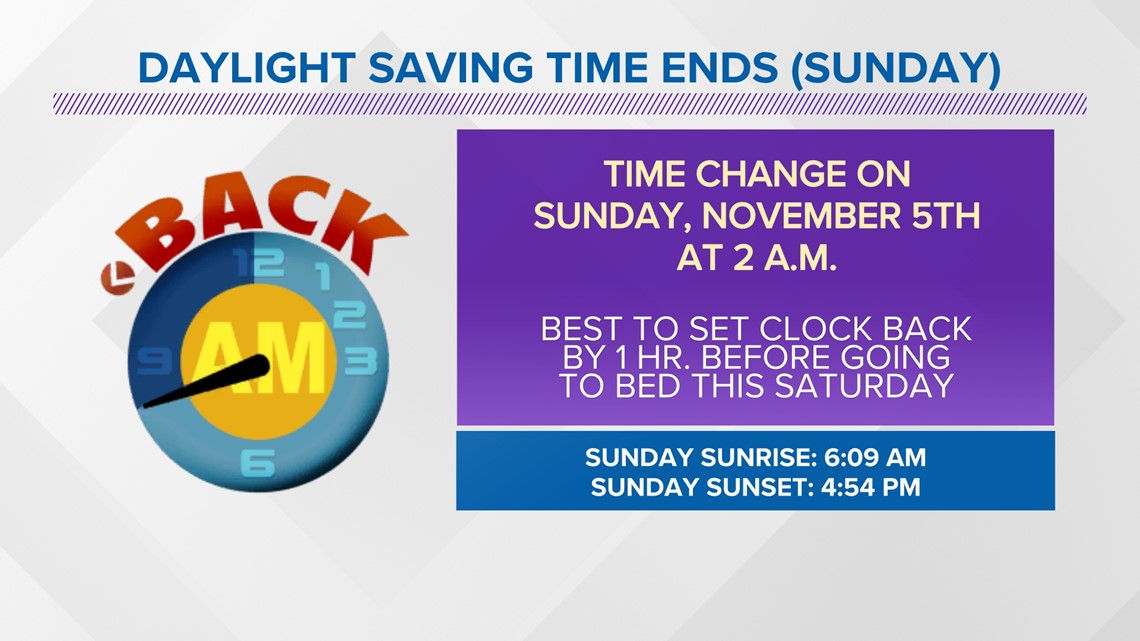
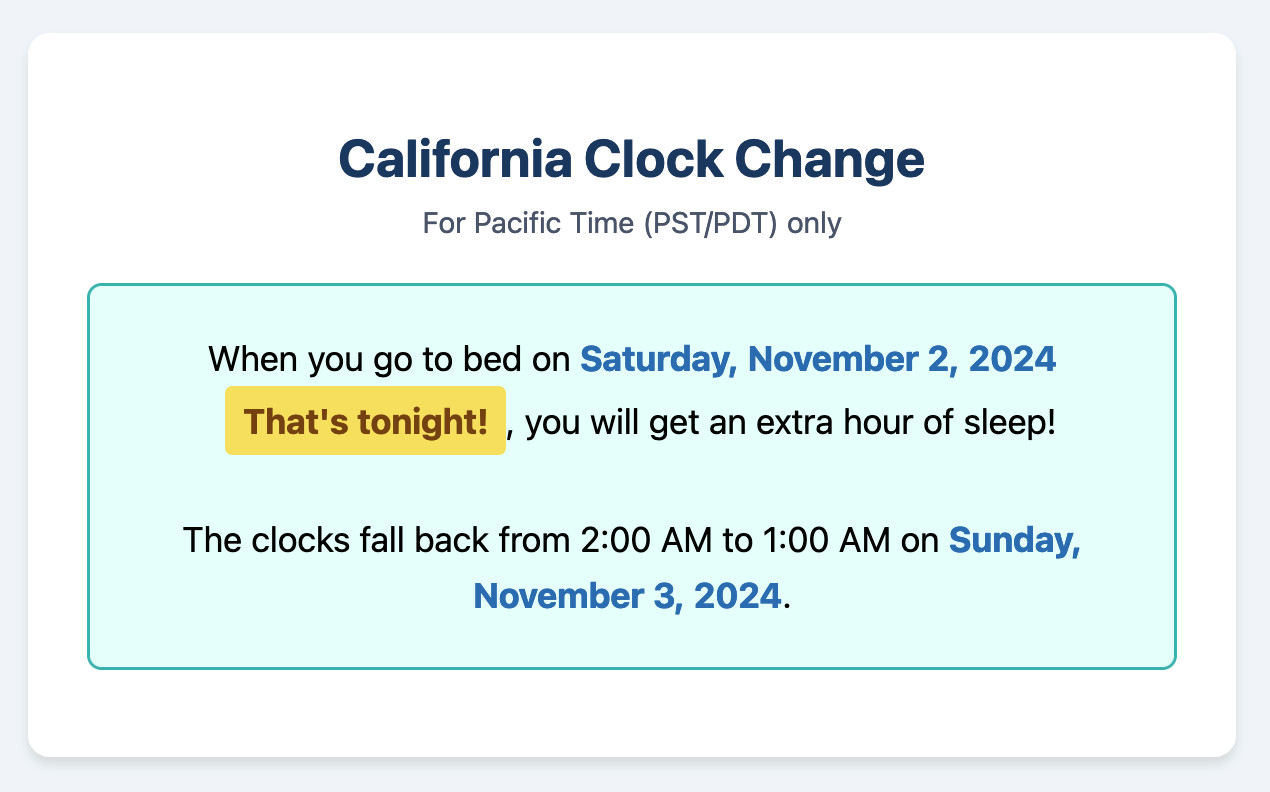
- Fall Back: Clocks move back one hour on the first Sunday in November. Again, this happens at 2:00 AM local time, reverting to 1:00 AM. This signifies the end of Daylight Saving Time and the return to Standard Time, resulting in earlier sunrises but also earlier sunsets. While evenings become shorter, morning activities can benefit from earlier natural light.
The Mechanics of the Time Change
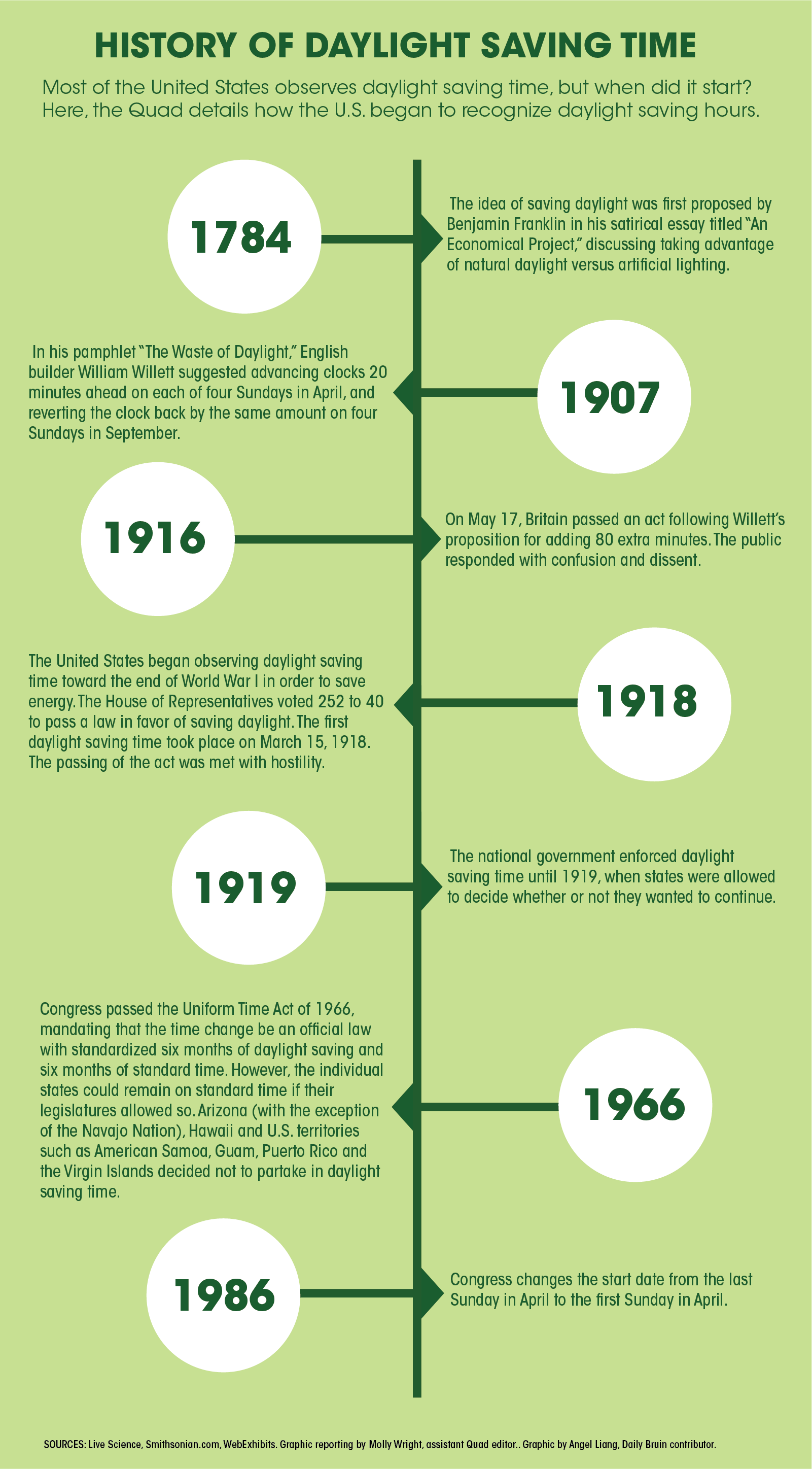
The primary objective behind Daylight Saving Time, first widely adopted in the United States with the Standard Time Act of 1918 and later formalized by the Uniform Time Act of 1966, was to conserve energy by utilizing natural daylight more effectively. The idea was that by shifting an hour of daylight from the morning to the evening during warmer months, there would be less need for artificial lighting. While the energy-saving benefits are still debated, the impact on lifestyle and tourism is undeniable.
For California, a state where outdoor activities, scenic drives, and evening entertainment are central to its appeal, these clock changes are particularly salient. The extended evening daylight during DST allows for more time to explore landmarks like the Golden Gate Bridge, enjoy a sunset cruise in San Francisco Bay, or linger over dinner at a beachfront restaurant in San Diego. Conversely, the “fall back” period can mean adjusting dinner reservations to earlier times and planning indoor activities for shorter evenings.
California’s DST Journey: A Look Back at the Golden State’s Time-Shifting History
California’s relationship with Daylight Saving Time has been as dynamic and forward-thinking as the state itself. While the federal government dictates the existence of DST, states have often sought to influence its application, or even to opt out entirely. California has played a significant role in this ongoing dialogue, reflecting both practical considerations and a desire for greater autonomy over its temporal rhythm.
Early Adoptions and Federal Mandates
The concept of shifting clocks to maximize daylight gained traction in the early 20th century. After initial fragmented adoptions, the Uniform Time Act of 1966 standardized DST across the United States, requiring states that chose to observe it to follow a consistent schedule. States could, however, choose to exempt themselves entirely, as Arizona largely has. California has consistently participated in DST since its federal standardization, acknowledging the perceived benefits for commerce, agriculture, and daily life in its vast and varied regions.
Over the decades, the specific start and end dates for DST have been adjusted by federal law, most notably with the Energy Policy Act of 2005, which extended DST by several weeks. Each change has required adjustments for residents and businesses across California, impacting everything from school schedules to flight operations at major hubs like Los Angeles International Airport.
Proposition 7: A Quest for Permanence
In recent years, the debate over DST has intensified, with many questioning its modern relevance. California took a significant step in addressing this debate in 2018 with the passage of Proposition 7. This ballot measure, approved by nearly 60% of voters, did not immediately abolish or permanently adopt DST. Instead, it empowered the California State Legislature to change the dates and times of DST by a two-thirds vote, if federal law allows it. It also permitted the legislature to establish permanent, year-round Standard Time, again, if federal law allows it.
The intent behind Proposition 7 was clear: to give California the flexibility to potentially choose a fixed time system, whether permanent DST or permanent Standard Time, thereby ending the biannual clock changes. However, federal law currently only allows states to opt out of DST and observe permanent Standard Time, not permanent DST. For California to adopt year-round DST, a change in federal law would be required, such as the passage of the proposed Sunshine Protection Act at the national level. Until such a change occurs, California remains bound by the existing federal framework, continuing its twice-yearly clock adjustments. This ongoing legislative dance highlights California’s role as a pioneer, often pushing boundaries and advocating for policies that reflect the evolving needs and preferences of its diverse population.
Planning Your California Adventure Around the Clock Change
For anyone visiting or living in California, understanding the implications of Daylight Saving Time is crucial for smooth travel and an enjoyable experience. These biannual shifts can subtly yet significantly impact everything from transportation schedules to dining plans and the overall rhythm of your vacation.
Adjusting Travel Schedules and Bookings
The most immediate and tangible impact of clock changes for travelers is on schedules. Flights, trains (like Amtrak), and bus services typically adjust their arrival and departure times to align with the new local time. If you’re traveling around the “spring forward” or “fall back” dates:
- Double-Check All Itineraries: Always confirm flight, train, or bus times with your carrier as the date approaches. A flight scheduled for 8:00 AM on the day of the change might depart at what feels like 7:00 AM or 9:00 AM relative to your body clock.
- Hotel Check-ins/Check-outs: While most hotels, from luxury resorts in Palm Springs to boutique accommodations in San Francisco, operate on local time, an early morning check-out on a “spring forward” day could mean you’ve had an hour less sleep. Conversely, a “fall back” could mean an extra hour in bed, but also a slightly earlier start to your day if you have a morning activity planned.
- Rental Car Pick-ups/Drop-offs: Coordinate with rental agencies to avoid any confusion regarding pick-up or drop-off times, especially if crossing time zones.
Remember that an hour’s difference can feel like a mini-jet lag, particularly for those sensitive to sleep disruptions. Factor in extra time for adjustment, especially if you have important meetings or early excursions planned immediately after the change.
Maximizing Daylight for Sightseeing and Activities
California’s allure lies heavily in its natural beauty and outdoor attractions. Daylight Saving Time significantly influences how you can plan these experiences:
- “Spring Forward” (March): This shift grants an extra hour of daylight in the evenings. This is fantastic for:
- Extended Sightseeing: Visiting attractions like Universal Studios Hollywood or exploring San Francisco’s neighborhoods without rushing as dusk approaches.
- Outdoor Activities: Hiking in Griffith Park, surfing in Santa Monica, or enjoying beach sunsets along the Pacific Coast Highway become more feasible later in the day.
- Evening Events: Concerts, shows, and festivals often feel more vibrant with the lingering daylight.
- “Fall Back” (November): While mornings become brighter earlier, evenings grow shorter. This requires a slight adjustment:
- Early Starts: Take advantage of earlier sunrises for morning hikes in Joshua Tree National Park or exploring Lake Tahoe without the dark.
- Strategic Planning: Plan evening outdoor activities earlier in the afternoon. Consider indoor attractions, museums, or culinary experiences for later evenings.
- Sunset Views: While sunsets are earlier, they can be just as spectacular. Aim to be at a scenic viewpoint like Point Reyes National Seashore or a rooftop bar in San Diego to capture the magic.
Impact on Dining and Entertainment
Local culture and food are integral to any California experience. The time change can have subtle effects here too:
- Restaurant Reservations: Many restaurants, especially popular ones in culinary hotspots like San Francisco or Los Angeles, adhere strictly to reservation times. If your internal clock is still adjusting, you might find yourself an hour early or late for a coveted spot.
- Showtimes and Nightlife: The start times for theater performances, concerts, and cinema screenings will follow the local adjusted time. Be mindful of this when booking tickets or planning your evening’s entertainment. Nightlife, particularly in areas like West Hollywood or Gaslamp Quarter in San Diego, generally adapts quickly, but an awareness of the shift helps in managing energy levels.
- Business Hours: While major retail outlets and tourist attractions usually adjust their hours smoothly, smaller local businesses or specialized tours might have less flexible schedules around the change. It’s always a good idea to check their operating hours online or make a quick call.
By being mindful of the biannual clock changes, travelers can ensure their California adventure remains on schedule, allowing for maximum enjoyment of its diverse attractions and vibrant lifestyle.
The Debate: Is Daylight Saving Time Still Relevant for California?
The question of whether Daylight Saving Time serves its intended purpose in the modern era is a topic of intense debate, and California is certainly not immune to these discussions. With its progressive mindset and significant economic and cultural influence, the state often leads the charge in re-evaluating long-standing traditions, including the annual clock shift.
Economic and Health Considerations
Arguments for and against DST often center on its economic and health impacts:
- Economic Arguments:
- Proponents historically cited energy savings, believing that extended daylight reduces the need for artificial lighting in the evenings. They also suggest that more daylight encourages retail spending and outdoor recreation, boosting tourism and local economies. For a state like California, where outdoor activities and tourism are paramount, this argument holds weight. More daylight could mean more time at Santa Monica Pier or enjoying attractions in Orange County.
- Opponents argue that energy savings are negligible or even non-existent, citing studies that show increased energy consumption due to air conditioning use in warmer, brighter evenings. They also point to the economic costs associated with confusion, scheduling errors, and the impact on industries that rely on precise timing, such as transportation and logistics.
- Health Arguments:
- Opponents highlight various negative health impacts associated with the “spring forward” shift, including disruptions to circadian rhythms, increased risk of heart attacks and strokes in the days following the change, higher rates of traffic accidents, and general sleep deprivation. These concerns are significant in a state that values well-being and a balanced lifestyle.
- Proponents sometimes counter that the benefits of more outdoor activity and exposure to natural light outweigh these concerns, especially for mental health.
The National Context and California’s Stance
The debate in California is part of a larger national conversation. Several states have already opted out of DST (like Arizona and Hawaii), while others have passed legislation to make DST permanent, contingent on federal approval. The Sunshine Protection Act, a federal bill that would make DST permanent nationwide, has seen bipartisan support in Congress but has yet to pass.
California’s voters, through Proposition 7, clearly expressed a desire for flexibility regarding DST. While they did not mandate a specific outcome, they granted the legislature the power to choose permanent Standard Time or permanent DST, once federal law permits. This reflects a growing sentiment among many Californians that the twice-yearly change is an outdated practice that causes more disruption than benefit. The prospect of either permanent Standard Time or permanent DST carries different implications for daily life, travel, and commerce, shaping the ongoing discourse within the state.
Navigating the Future: What a Potential Permanent Shift Means for Travelers and Residents
The conversation surrounding Daylight Saving Time in California is far from over. Should federal legislation eventually allow states to choose permanent Daylight Saving Time, or should California opt for permanent Standard Time, the implications for both residents and the vibrant tourism sector would be substantial. This potential future shift warrants consideration for anyone planning a long-term stay or a series of visits to the Golden State.
Potential Benefits of a Fixed Time
The most significant benefit of a permanent, fixed time (whether year-round Standard Time or DST) would be stability.
- Elimination of Disruption: The biannual clock changes would cease, removing the health impacts of sleep disruption, the confusion around scheduling, and the minor economic costs associated with adjustment. This would lead to more consistent routines for schools, businesses, and daily life.
- Streamlined Travel Planning: Travelers would no longer need to meticulously check for time changes impacting their arrival or departure dates. This simplification could reduce stress and errors, especially for international visitors or those with complex itineraries involving multiple California destinations.
- Predictable Daylight Hours: A fixed time would offer consistent daylight patterns throughout the year, making long-term planning for events, outdoor activities, and business operations more straightforward. For instance, if permanent DST were adopted, California would enjoy late sunsets year-round, which could be a boon for evening tourism and outdoor dining.
Challenges and Adaptation for the Tourism Sector
While stability is desirable, the specific choice of permanent Standard Time versus permanent DST would pose different challenges and opportunities for California’s tourism industry, a cornerstone of its economy.
- If Permanent Daylight Saving Time (e.g., Year-Round Pacific Daylight Time):
- Pros: This option would likely be favored by many in the tourism sector, as it means later sunsets year-round. Imagine exploring Disneyland Resort or the beaches of Malibu with natural light extending well into the evening, even in winter. This could boost evening activities, outdoor dining, and overall visitor satisfaction.
- Cons: Very late sunrises in winter could be a drawback. In December, sunrise in Los Angeles might not occur until almost 8:00 AM. This could affect early morning tours, business commutes, and school schedules, potentially shifting the peak times for certain tourist activities that benefit from early daylight.
- If Permanent Standard Time (e.g., Year-Round Pacific Standard Time):
- Pros: This would mean earlier sunrises throughout the year, which could be beneficial for morning activities like hiking in Big Sur or visiting early morning markets. It would also align California with neighboring Arizona (which observes permanent Standard Time) and potentially ease coordination for cross-state travel.
- Cons: Significantly earlier sunsets, especially in summer, would be the main challenge. In June, the sun might set by 8:00 PM instead of 9:00 PM or later, reducing the perceived length of summer evenings for tourists. This could impact the scheduling of evening events, outdoor festivals, and casual strolls along boardwalks in Santa Cruz or San Clemente. The tourism industry would need to adapt its marketing and offerings to reflect these shorter evenings.
The coordination with neighboring states like Nevada and Oregon would also be a critical factor. If California were to adopt a different time standard than its neighbors, it could create complexities for cross-border travel and commerce, particularly for regions like Lake Tahoe that straddle state lines. Any change would require a comprehensive assessment by stakeholders across the state’s travel, accommodation, and lifestyle sectors to ensure a smooth transition and continued thriving tourism.
In conclusion, while the clocks in California continue to change twice a year for now, the ongoing debate and legislative efforts suggest a potential future where this biannual ritual might become a thing of the past. For travelers and residents, staying informed about these developments will be key to seamlessly navigating the temporal landscape of this dynamic and always-evolving state.
Conclusion
The biannual clock changes associated with Daylight Saving Time are an ingrained part of life in California, impacting everything from mundane routines to grand travel plans. Understanding when to “spring forward” on the second Sunday in March and “fall back” on the first Sunday in November is more than just a matter of setting your watch; it’s a crucial piece of knowledge for optimizing your experience in the Golden State.
From coordinating flight arrivals at San Francisco International Airport or Los Angeles International Airport to making the most of the extended evening daylight for exploring Universal Studios Hollywood or enjoying a sunset view from the Golden Gate Bridge, awareness of DST is paramount. The extra hour of evening light during summer opens up a world of possibilities for outdoor dining, beach activities, and leisurely strolls through Napa Valley vineyards or the bustling piers of San Diego. Conversely, the earlier sunsets in winter necessitate thoughtful planning for those seeking to maximize daylight for scenic drives along the Pacific Coast Highway or hikes in Yosemite National Park.
Beyond the immediate practicalities, California remains at the forefront of the national conversation regarding the future of Daylight Saving Time. The passage of Proposition 7 reflects a strong desire for stability and a potential shift to year-round fixed time, whether permanent Standard Time or permanent DST, pending federal approval. While the precise timing and nature of any future change are yet to be determined, its implications for travel, tourism, and the overall California lifestyle are profound.
Whether you’re a first-time visitor booking a resort in Palm Springs, a returning traveler exploring the diverse neighborhoods of Los Angeles, or a local planning your next adventure to Lake Tahoe, staying informed about California’s timekeeping practices ensures a smoother, more enjoyable, and truly unforgettable experience in a state that beautifully blends innovation with timeless charm.
LifeOutOfTheBox is a participant in the Amazon Services LLC Associates Program, an affiliate advertising program designed to provide a means for sites to earn advertising fees by advertising and linking to Amazon.com. Amazon, the Amazon logo, AmazonSupply, and the AmazonSupply logo are trademarks of Amazon.com, Inc. or its affiliates. As an Amazon Associate we earn affiliate commissions from qualifying purchases.