
For nature enthusiasts and avid gardeners alike, the arrival of hummingbirds in Florida is a spectacle eagerly anticipated each year. These tiny, iridescent dynamos are more than just beautiful; they are vital pollinators and a testament to the vibrant biodiversity of the Sunshine State. Understanding their migratory patterns is key to attracting and enjoying these fascinating creatures, whether you’re a seasoned birder or simply looking to add a touch of magic to your backyard. This guide delves into the nuances of hummingbird migration in Florida, offering insights for planning your viewing opportunities and enhancing your local ecosystem for their benefit.

Understanding Hummingbird Migration in Florida
Florida serves as a critical stopover and wintering ground for several species of hummingbirds. The state’s warm climate and abundant nectar sources make it an attractive refuge, particularly during the colder months experienced further north. The timing of their arrival is influenced by a complex interplay of factors, including food availability, weather patterns, and the species’ inherent migratory instincts.
Key Hummingbird Species in Florida
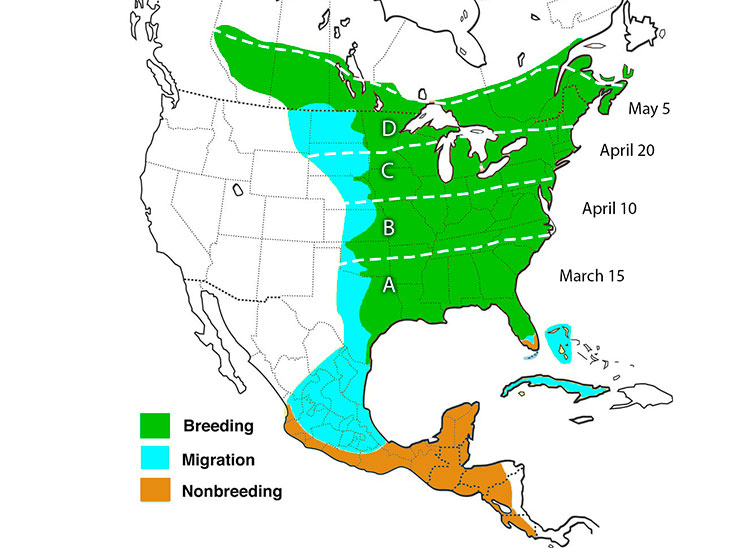
While many species of hummingbirds exist across the Americas, a few are commonly observed in Florida. The most prevalent is the Ruby-throated Hummingbird (Archilochus colubris), which breeds in eastern North America and migrates south for the winter. They are the primary hummingbird visitors to Florida during the cooler months.
Other species that may be seen, though less frequently, include:
- Rufous Hummingbird (Selasphorus rufus): These hardy birds are known for their long-distance migrations from their breeding grounds in Alaska and western Canada. They are typically seen in Florida as vagrants or during the winter.
- Black-chinned Hummingbird (Archilochus alexandri): Primarily found in the western United States, occasional sightings in Florida during migration or winter are not unheard of.
- Anna’s Hummingbird (Calypte anna): While more common on the west coast of the United States, some individuals have been documented in Florida.
The presence and abundance of these species can vary year to year, adding an element of surprise and discovery for observers.
The Annual Cycle: When to Expect Them
The migration of hummingbirds into Florida is a two-way street, with birds arriving in the fall and departing in the spring.
Fall Migration (Southbound)
The fall migration typically begins in late August and continues through October and into November. As temperatures drop in the northern breeding grounds, hummingbirds start their journey south in search of warmer climates and accessible food sources. For Florida, this means the first wave of visitors, primarily Ruby-throated Hummingbirds, will begin to appear in early to mid-fall. By October, their numbers usually increase significantly, especially in areas with abundant flowering plants and available feeders.
Winter Residency
Florida becomes a vital wintering ground for thousands of hummingbirds. They are present throughout the state from roughly October through March. During these months, they actively feed on nectar from late-blooming flowers and any available feeders. Their presence during winter is a testament to the state’s relatively mild climate and the availability of sustenance.
Spring Migration (Northbound)
As winter wanes and daylight hours increase, the urge to return to breeding grounds takes hold. The spring migration north begins as early as February and can extend through April and even into May for some individuals, particularly those that breed further north. Birds will begin to move out of Florida as their northern territories become hospitable again. This northbound journey is often a more rapid passage compared to the slower, more leisurely southbound fall migration.
Prime Viewing Locations and Times in Florida
Florida offers numerous opportunities to observe hummingbirds, from bustling urban gardens to tranquil natural habitats. Strategic planning based on their migratory patterns will greatly enhance your chances of a memorable encounter.
Coastal Areas and Islands
Many migratory species, including hummingbirds, utilize coastal routes and islands as they navigate their long journeys.
- The Keys: Islands like those in the Florida Keys can be important resting and feeding points. The abundance of tropical flowers and milder weather makes them attractive stopovers.
- Atlantic and Gulf Coasts: Areas along the Atlantic coast and the Gulf coast, particularly those with well-maintained gardens or natural coastal vegetation, often attract migrating hummingbirds.
Inland Gardens and Parks
Even inland areas of Florida provide excellent viewing opportunities, especially if they offer the right floral resources.
- Botanical Gardens: Places like the Fairchild Tropical Botanic Garden in Miami or the Harry P. Leu Gardens in Orlando are meticulously curated with a variety of nectar-producing plants, making them prime hummingbird hotspots.
- Residential Gardens: Homeowners who focus on planting native and nectar-rich flowers can transform their backyards into miniature hummingbird havens. This is often where the most intimate viewing experiences can occur.
- State Parks and Nature Preserves: Many of Florida’s numerous state parks and nature preserves offer opportunities to see hummingbirds in their natural habitat, especially near blooming wildflowers.
Timing is Everything
- Early Morning and Late Afternoon: Hummingbirds are most active during the cooler parts of the day. Aim to observe them during the early morning hours, shortly after sunrise, and in the late afternoon, before dusk. During these times, they are actively foraging for nectar to fuel their high metabolisms.
- Peak Migration Periods: While hummingbirds are present from fall through spring, the absolute peak numbers are typically observed during the transition months – October and November for the southbound migration, and March and April for the northbound migration.
Creating a Hummingbird-Friendly Environment
Attracting hummingbirds is not just about waiting for them to arrive; it involves actively creating an environment that caters to their needs. This includes providing food, water, and shelter through thoughtful landscaping.
Nectar-Rich Flowers: The Ultimate Attraction
The most effective way to draw hummingbirds is by planting flowers that produce abundant nectar. Focus on flowers with trumpet or tubular shapes, as these are perfectly adapted for a hummingbird’s long beak and tongue.
Native Florida Plants
Prioritizing native Florida plants is beneficial for both the hummingbirds and the local ecosystem. These plants are adapted to the climate and soil conditions, requiring less maintenance and providing authentic food sources.
- Firebush (Hamelia patens): A fantastic native shrub with bright red-orange flowers that hummingbirds adore.
- Cardinal Flower (Lobelia cardinalis): Known for its brilliant red, tubular flowers that are a magnet for hummingbirds.
- Bee Balm (Monarda spp.): Many varieties of bee balm offer nectar-rich blossoms in shades of red, pink, and purple.
- Salvia (Salvia spp.): Numerous salvia species, especially red and orange varieties like Scarlet Sage (Salvia splendens) and Tropical Sage (Salvia coccinea), are hummingbird favorites.
- Trumpet Vine (Campsis radicans): While vigorous, its large, trumpet-shaped orange flowers are a significant draw.
- Lantana (Lantana camara): Drought-tolerant and prolific bloomer, offering clusters of small, nectar-rich flowers.
Non-Native but Beneficial Flowers
Many non-native plants are also excellent for attracting hummingbirds and can complement a native plant landscape.
- Pentas (Pentas lanceolata): Small star-shaped flowers in various colors provide a steady nectar supply.
- Zinnia (Zinnia elegans): Brightly colored, single-flowered zinnias are a great source of nectar and attract butterflies too.
- Petunias (Petunia spp.): Easy to grow and offering a long blooming season.
- Fuchsias (Fuchsia spp.): Particularly attractive for their delicate, pendulous flowers.
Hummingbird Feeders: A Supplemental Source
While natural food sources are ideal, hummingbird feeders can provide a crucial supplemental food source, especially during migration or when natural blooms are scarce.
- Nectar Recipe: The simplest and safest nectar is a mixture of one part refined white granulated sugar to four parts boiling water. Stir until the sugar is dissolved, then let it cool completely before filling feeders. Never use honey, artificial sweeteners, red dye, or any other additives, as these can be harmful or fatal to hummingbirds.
- Feeder Placement: Place feeders in a location that is visible to hummingbirds but also offers some nearby perching spots or shelter, such as shrubs or trees. Avoid placing them in direct, harsh sunlight, which can cause the nectar to spoil quickly.
- Cleaning and Maintenance: Regular cleaning of feeders is paramount. Nectar can ferment, leading to mold and bacteria growth, which can sicken or kill hummingbirds. Clean feeders at least twice a week in warm weather and weekly in cooler temperatures. Use hot water and a stiff brush; a dilute vinegar solution can be used for more stubborn residue.
Providing Water and Shelter
Hummingbirds also need water for drinking and bathing. Misters and drippers can attract them, as they often prefer to bathe in moving water. Dense shrubs and trees offer essential shelter from predators and harsh weather.
Observing Hummingbirds Responsibly
Enjoying hummingbirds comes with a responsibility to observe them ethically and contribute to their conservation.
Minimizing Disturbance
When observing hummingbirds, whether in your garden or a natural setting, it’s crucial to minimize disturbance.
- Maintain a Distance: Avoid approaching hummingbirds too closely, as this can cause them stress and may deter them from your feeders or garden.
- Quiet Observation: Speak softly and move slowly when observing them. Sudden movements or loud noises can frighten these sensitive creatures.
- No Touching or Handling: Never attempt to touch or handle a hummingbird. They are wild animals and can be easily injured.

Avoiding Pesticides
Pesticides are detrimental to hummingbirds, not only by directly poisoning them but also by eliminating the small insects and spiders that form a vital part of their diet, especially during breeding season. Opt for organic gardening practices and natural pest control methods to ensure a safe and healthy environment for your feathered visitors.
By understanding the migration patterns, creating a welcoming habitat, and observing with respect, you can ensure that Florida remains a vibrant haven for hummingbirds for generations to come. The arrival of these tiny aerial acrobats is a gift, and embracing their needs ensures that gift continues to be shared.
LifeOutOfTheBox is a participant in the Amazon Services LLC Associates Program, an affiliate advertising program designed to provide a means for sites to earn advertising fees by advertising and linking to Amazon.com. Amazon, the Amazon logo, AmazonSupply, and the AmazonSupply logo are trademarks of Amazon.com, Inc. or its affiliates. As an Amazon Associate we earn affiliate commissions from qualifying purchases.