
The fleeting beauty of hummingbirds gracing gardens and woodlands is one of summer’s most delightful spectacles. In New Hampshire, these tiny, iridescent dynamos are a familiar sight from late spring through early fall. As the days begin to shorten and the air carries a crisp premonition of autumn, many naturalists and garden enthusiasts find themselves wondering about the departure of their energetic avian visitors. Understanding the timing of their migration is not just a matter of casual curiosity; it informs planting schedules, feeder maintenance, and offers a deeper appreciation for the intricate cycles of nature unfolding across the Granite State.
The Marvel of Hummingbird Migration
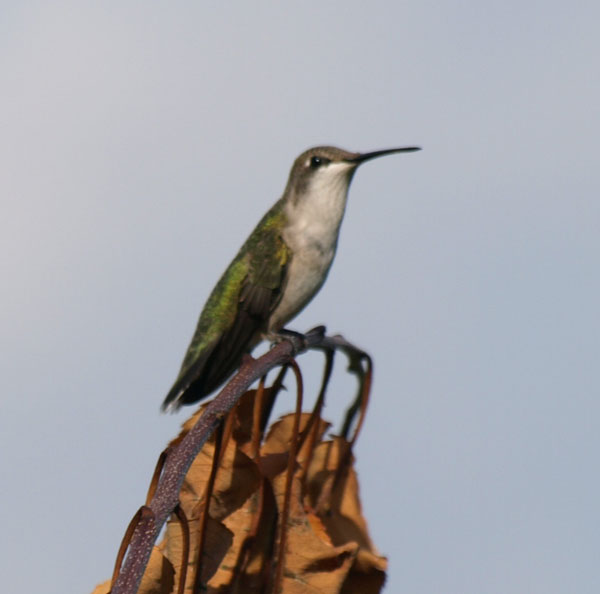
Hummingbirds, particularly the dominant Ruby-throated Hummingbird species found in New Hampshire, are remarkable migratory birds. Their journey is a testament to endurance and instinct, covering vast distances with astonishing speed. These diminutive creatures, weighing less than a dime, undertake a perilous voyage, navigating by an internal compass and an intimate knowledge of food sources.
Understanding the Migratory Patterns
The migration of hummingbirds is not a monolithic event but rather a nuanced process influenced by a variety of ecological factors. These include the availability of nectar-producing flowers, insect populations that provide essential protein, temperature fluctuations, and day length.
Spring Arrival in New Hampshire
Hummingbirds typically begin their journey northward in late February or early March, heading from their wintering grounds in Mexico and Central America. The first arrivals in New Hampshire are usually observed in late April or early May. These early birds are often males, scouting for prime territories and preparing for the breeding season. The bulk of the hummingbird population generally arrives in May, coinciding with the blooming of early spring flowers.
Summer Residency and Breeding
Once established in New Hampshire, hummingbirds are busy throughout the summer months. They feed voraciously on nectar from flowers like bee balm, columbine, and cardinal flower, and also consume small insects and spiders. This period is crucial for nesting and raising their young. Females build tiny, cup-shaped nests, often camouflaged with lichen and spider silk, and lay two small eggs. Both parents, or more commonly just the female, will tend to the young until they are ready to fledge.
Factors Influencing Departure Timing
The precise timing of when hummingbirds leave New Hampshire is not set in stone. It is a dynamic process influenced by weather patterns, food availability, and the inherent biological drive to migrate.
The Role of Daylight and Temperature
As summer transitions into autumn, the shortening days act as a primary signal for hummingbirds to begin their southward journey. While temperature plays a role, it is often the subtle changes in photoperiod that trigger the migratory impulse. A prolonged period of unseasonably warm weather in late summer might encourage hummingbirds to linger, but the consistent decrease in daylight hours is the ultimate cue.
Food Availability as a Crucial Indicator
The abundance and variety of nectar-producing flowers are paramount for sustaining hummingbirds through the breeding season and preparing them for migration. As fall approaches, many native flowers begin to fade. However, late-blooming plants, such as asters and goldenrod, can provide vital refueling opportunities. If these sources are plentiful and nectar feeders are maintained, hummingbirds may extend their stay. Conversely, an early frost or a drought that diminishes floral resources can hasten their departure.
The Phenomenon of “Late Bloomers” and Late Feeders

While the peak migration for hummingbirds heading south from New Hampshire typically occurs in late August and September, stragglers can be observed well into October. These late-season visitors might include younger birds from later broods, or individuals that have had a particularly successful breeding season and are in excellent physical condition for the journey. Maintaining nectar feeders throughout the fall can support these birds and may even attract some individuals that are not native to the immediate area but are passing through on their migratory route.
Preparing for the Hummingbird Departure
Observing the final days of hummingbirds in New Hampshire offers a poignant conclusion to their summer presence. For those who have enjoyed their visits, there are ways to prepare for their departure and to encourage their return in the following year.
Garden Practices to Support Late-Season Hummingbirds
For those with a passion for attracting these unique birds, cultivating a garden that offers a succession of blooms is key. Planting native species that flower from spring through fall provides a continuous food source.
Late-Blooming Flowers for Fall Refueling
Consider incorporating plants that bloom in late summer and early fall. These include:
- Asters: Available in various colors, providing nectar when many other flowers have faded.
- Goldenrod: A robust native plant that offers abundant nectar and pollen.
- Bee Balm (Monarda): Continues to bloom into early fall if deadheaded, offering a rich nectar source.
- Lobelia (Cardinal Flower): Its brilliant red blooms are a favorite of hummingbirds and often continue to produce flowers into September.
- Salvia: Many varieties of salvias, especially those with red or pink flowers, are attractive to hummingbirds and can bloom for extended periods.
By strategically planting these and other nectar-rich flowers, you can create a vital “last chance” refueling station for hummingbirds preparing for their long flights.
The Importance of Feeder Maintenance
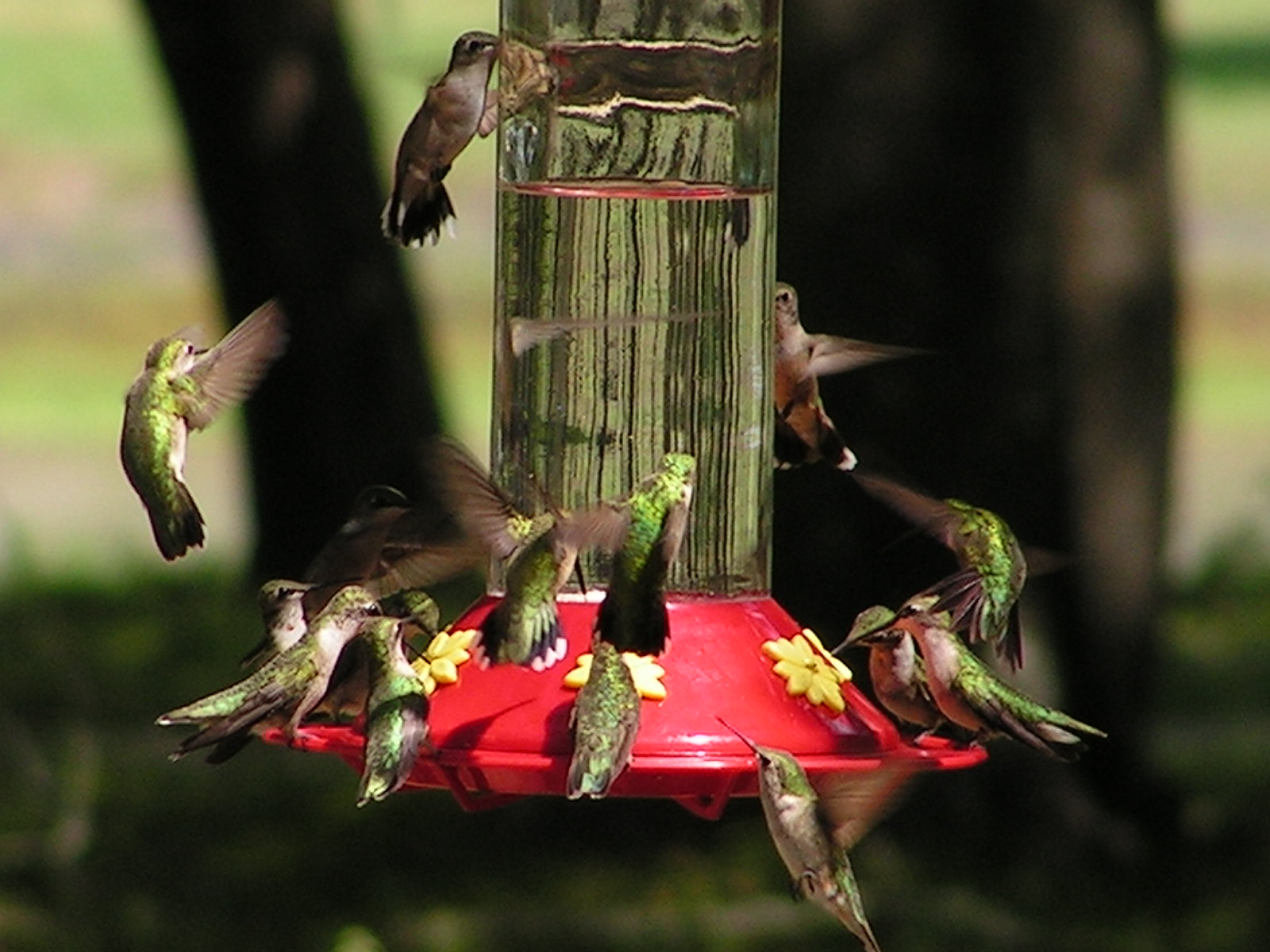
Nectar feeders play a critical role, especially as natural food sources diminish. It is essential to keep feeders clean and filled with a simple 4:1 sugar-to-water solution (no red dye needed, as the red on the feeder is sufficient attraction).
When to Take Down Feeders
A common question is when to remove hummingbird feeders in the fall. The general consensus among ornithologists and experienced birders is to keep feeders up for at least two weeks after the last sighting of a hummingbird in your area. This ensures that any late migrants passing through have access to this reliable food source. Removing feeders too early could inadvertently jeopardize the success of a bird’s migratory journey. It’s also important to note that while some argue feeders can confuse birds about migration timing, most evidence suggests that the natural cues of daylight are the primary drivers, and feeders serve as supplementary sustenance.
The Journey South and Anticipating Their Return
As the last hummingbird departs the skies of New Hampshire, their incredible journey south begins. These tiny travelers will fly thousands of miles, facing numerous challenges, all in pursuit of warmer climates and abundant food resources for the winter months. Their departure marks the end of a vibrant season, but it also heralds the promise of their return.
Anticipating the Spring Return
The cycle of hummingbird life in New Hampshire is a beautiful and predictable phenomenon, despite the subtle variations in departure and arrival dates each year. As the snow melts and the first signs of spring emerge, bird enthusiasts will once again scan their gardens and feeders with eager anticipation. The first flash of iridescent green or the whirring sound of tiny wings signals that the hummingbirds have once again graced the Granite State with their presence. Understanding their migratory patterns and supporting their needs through thoughtful garden design and consistent feeder maintenance ensures that this magical spectacle can be enjoyed year after year. The departure of hummingbirds from New Hampshire is not an ending, but rather a pause, a testament to the enduring wonder of nature’s grand migratory design.
LifeOutOfTheBox is a participant in the Amazon Services LLC Associates Program, an affiliate advertising program designed to provide a means for sites to earn advertising fees by advertising and linking to Amazon.com. Amazon, the Amazon logo, AmazonSupply, and the AmazonSupply logo are trademarks of Amazon.com, Inc. or its affiliates. As an Amazon Associate we earn affiliate commissions from qualifying purchases.