
Understanding the academic calendar in Florida is a pivotal piece of information for families planning vacations, budgeting for trips, and even considering a move to the Sunshine State. The timing of school restarts significantly influences everything from travel costs and crowd levels at major attractions to the availability of family-friendly activities. For many, the end of summer break marks a definitive shift in travel patterns, making the specific dates kids return to classrooms a critical factor in lifestyle planning.
The Diverse Landscape of Florida’s School Calendars
Unlike states with highly centralized education systems, Florida’s public school calendar is determined at the district level, leading to slight variations across its 67 counties. While there are general trends, pinpointing an exact statewide “back-to-school” date is challenging. This decentralized approach offers both flexibility and complexity for families.
General Trends and Regional Differences
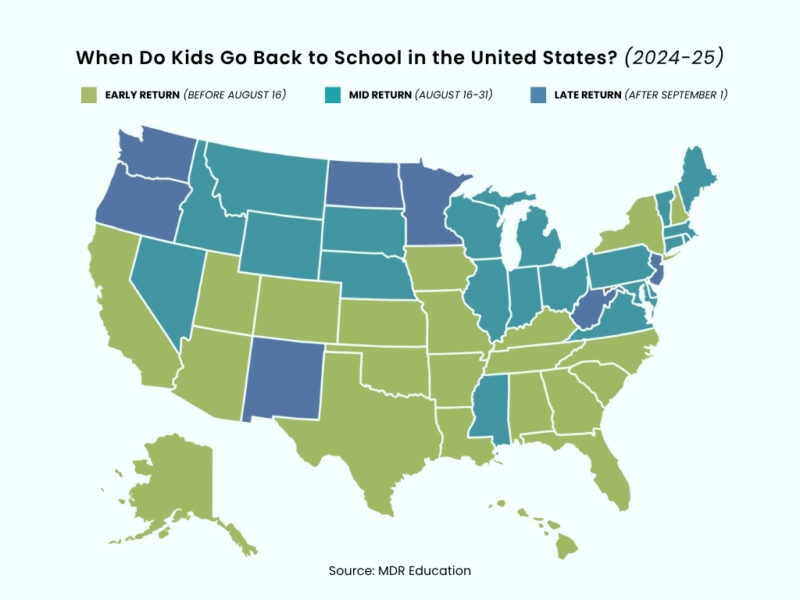
Most public school districts in Florida typically begin the academic year in mid-August. Historically, the start date was often tied to Labor Day, but over the years, many districts have opted to begin earlier, usually in the second or third week of August. This earlier start allows for more instructional days before standardized testing windows and often includes a longer winter break or a more balanced semester schedule.
However, specific dates can vary. For instance, some northern Florida counties might align more closely with Georgia’s school schedules, while central and southern Florida districts often follow their own established patterns. Urban centers like Miami-Dade County, Orange County (home to Orlando), and Hillsborough County (serving Tampa) publish their calendars well in advance, and these dates become crucial markers for the tourism industry. Private schools and charter schools also often set their own calendars, which may or may not coincide with the public school dates in their respective counties. Families with children in different schooling environments need to coordinate closely.
Navigating Key District Schedules
To illustrate, consider some of Florida’s largest school districts:
- Miami-Dade County Public Schools: As one of the largest school districts in the nation, its schedule significantly impacts the South Florida region. Usually, classes commence in the third or fourth week of August.
- Orange County Public Schools: Serving the Orlando area, their back-to-school date is particularly important for families visiting theme parks. They also typically start in mid-August, often a day or two before or after Miami-Dade.
- Hillsborough County Public Schools: Centered around Tampa, this district also follows the mid-August trend, influencing travel to Busch Gardens Tampa Bay and the Gulf Coast beaches.
- Broward County Public Schools: Another major district in South Florida, their schedule usually aligns with Miami-Dade, with an August start.
For the most accurate and up-to-date information, families should always consult the official website of the specific county’s public school district or their chosen private school. This practice ensures that vacation plans are made with precise dates in mind, avoiding scheduling conflicts or unexpected crowds.
The Impact on Family Travel and Vacations
The return of Florida students to school acts as a significant demarcation line for the state’s tourism industry. It signals the end of the peak summer travel season and the transition into a more relaxed period for visitors without school-aged children. For families planning trips, these dates are paramount.
Peak vs. Off-Peak Seasons for Florida Destinations
Before mid-August, Florida is bustling with families enjoying summer break. Attractions like Walt Disney World Resort, Universal Orlando Resort, and popular beaches across the Florida Keys and along the Gulf Coast experience their highest crowds and often, their highest prices.
Once local Florida schools (and schools in many other states) are back in session, a noticeable dip in visitor numbers occurs. This period, typically from late August through September, is considered a shoulder season or even an off-peak period for many destinations. While the weather remains warm, the intensity of the crowds at theme parks diminishes, and hotel rates, airfares, and even some attraction tickets often become more affordable. This makes late August and September an ideal time for families whose children are not yet in school, or for couples and adults seeking a quieter experience.
Budget-Friendly Travel Windows
For families keen on visiting Florida without breaking the bank, understanding school calendars is key to identifying budget-friendly travel windows. The sweet spots often fall outside major school breaks:
- Late August to September: As mentioned, this period sees a significant drop in demand. Accommodations, from luxury resorts to family-friendly suites, tend to offer better rates. Flight prices into major hubs like Orlando International Airport (MCO) and Miami International Airport (MIA) also become more competitive.
- January (after New Year’s) to early February: Following the busy holiday season, this window before Spring Break usually offers excellent value. Crowds are thinner, and the weather is typically mild and pleasant.
- Late April to mid-May: After the frenzy of Spring Break, but before the true onset of summer vacation, this period can also provide a good balance of reasonable prices and manageable crowds, though temperatures begin to rise.
Avoiding peak times like Christmas and New Year’s, Spring Break (which can vary widely by state and even by district), and the height of summer, can lead to substantial savings, allowing families to allocate more resources to experiences rather than inflated travel costs.
Navigating Crowds at Popular Attractions
The impact of school calendars is perhaps most acutely felt at Florida’s world-famous theme parks. A visit to Walt Disney World or Universal Orlando Resort during peak season can mean long lines, crowded restaurants, and a more challenging overall experience.
- Post-Back-to-School Serenity: From mid-August through September, and again in late January through February (excluding holiday weekends), parks often see significantly fewer visitors. This translates to shorter wait times for rides, easier navigation through the parks, and a more relaxed atmosphere. It’s an opportune time for families with preschoolers or those able to take children out of school for a few days without academic penalty.
- Strategic Planning for Breaks: Even during busier school breaks, knowing when local Florida kids are out can help. For instance, if your Spring Break doesn’t align with Florida’s, you might experience slightly less congestion. However, many states have staggered breaks, meaning there’s always a segment of the country on vacation. Using crowd calendars provided by independent park-planning websites, which factor in various school schedules, can be invaluable.
Planning Your Florida Family Trip Around School Dates
Effective trip planning involves more than just picking a destination; it’s about optimizing the timing for the best experience, especially when children’s academic schedules are involved.
The Strategic Advantage of Shoulder Seasons
The shoulder seasons – primarily late August to early October, and late April to mid-May – offer a compelling balance for family travel in Florida. Not only are prices generally lower and crowds thinner, but the weather can also be quite pleasant, avoiding the intense heat and humidity of mid-summer, or the occasional chill of winter.
Families can capitalize on these windows to enjoy the vibrant cultural scene in Miami, explore the historical streets of St. Augustine, or experience the natural beauty of Everglades National Park without the overwhelming throngs. Many resorts and attractions also run special promotions during these times to entice visitors.
Flexibility and Remote Learning Considerations
In an increasingly connected world, some families have the flexibility to incorporate remote learning into their travel plans. This allows for trips during what would traditionally be school days, taking advantage of off-peak benefits. If this is an option, it requires careful coordination with schools to ensure academic responsibilities are met. Some families opt for “educational travel,” where the destination itself becomes an extension of the classroom, turning a vacation into a learning opportunity.
Maximizing Holiday Breaks
While major holiday breaks like Thanksgiving, Winter Break, and Spring Break are inherently busier due to nationwide school closures, smart planning can still make these times enjoyable. Booking accommodations and flights far in advance, utilizing Genie+ or Universal Express Pass services at theme parks, and prioritizing specific attractions can help mitigate the impact of crowds. Additionally, exploring lesser-known attractions or focusing on outdoor activities like kayaking in the Florida Keys or visiting state parks can offer a more relaxed experience away from the major tourist hubs.
Beyond the Bell: Educational Travel Opportunities in Florida
Florida’s diverse landscape offers numerous opportunities to blend learning with leisure, making any family trip an enriching experience, regardless of when schools are in session.
Blending Learning with Leisure
For families, travel can be a powerful educational tool. Florida provides a plethora of “edutainment” options. Visiting the Kennedy Space Center Visitor Complex can inspire future astronauts, offering a tangible connection to science and engineering. Exploring the historical sites of St. Augustine, the oldest continuously inhabited European-established settlement in the United States, brings history lessons to life. Even a day at a theme park can offer insights into engineering, physics, and storytelling.
Cultural and Historical Sites
Beyond the theme parks, Florida boasts a rich tapestry of cultural and historical sites. A trip to St. Augustine offers glimpses into colonial life at the Castillo de San Marcos and the historic district. Tampa’s Ybor City district provides a fascinating look into Cuban immigration and cigar manufacturing history. The vibrant art scenes in Miami’s Wynwood Walls and Sarasota’s The Ringling offer exposure to art and culture. These destinations are often less affected by school schedules than major theme parks, offering consistent accessibility and a different pace of family exploration.
Nature and Wildlife Experiences
Florida’s natural wonders are educational in their own right. A visit to Everglades National Park teaches about unique ecosystems and wildlife conservation, with airboat tours and ranger-led programs. Snorkeling or diving in the Florida Keys introduces children to marine biology and coral reef preservation. Wildlife sanctuaries, state parks, and nature preserves across the state offer opportunities for birdwatching, hiking, and learning about Florida’s diverse flora and fauna. These outdoor adventures are often enjoyed year-round, with considerations mainly for weather rather than school calendars, making them flexible options for families looking to engage with nature.
Ultimately, knowing when kids go back to school in Florida is more than just a date; it’s a strategic piece of information that empowers families to make informed decisions about their lifestyle choices, from planning cost-effective and enjoyable vacations to enriching educational experiences. By understanding the rhythms of the academic year, families can unlock the best of what Florida has to offer, tailored to their unique needs and preferences.
LifeOutOfTheBox is a participant in the Amazon Services LLC Associates Program, an affiliate advertising program designed to provide a means for sites to earn advertising fees by advertising and linking to Amazon.com. Amazon, the Amazon logo, AmazonSupply, and the AmazonSupply logo are trademarks of Amazon.com, Inc. or its affiliates. As an Amazon Associate we earn affiliate commissions from qualifying purchases.