
Colorado, renowned for its majestic Rocky Mountains and vibrant outdoor culture, transforms into a breathtaking tapestry of gold, orange, and red each autumn. Planning a trip to witness this spectacular natural phenomenon requires understanding the nuances of the state’s diverse geography and climate. The timing of the leaf change is not uniform across Colorado; it’s a dynamic process influenced by elevation, weather patterns, and the specific species of trees. For travelers seeking the ultimate fall foliage experience, timing and location are paramount to capturing the fleeting beauty of the season.
Understanding Colorado’s Fall Foliage Season
The quintessential fall color in Colorado is provided by the Aspen tree, whose leaves turn a brilliant golden yellow. While other trees like cottonwoods, oaks, and scrub oaks contribute hues of orange and red, the vast groves of Aspens are the primary draw for “leaf peepers.” The exact timing of the peak fall foliage is a delicate dance between Mother Nature’s variables, making it a bit of an art to predict perfectly.

Factors Influencing Peak Color
Several key factors determine when and how vibrantly Colorado’s leaves change:
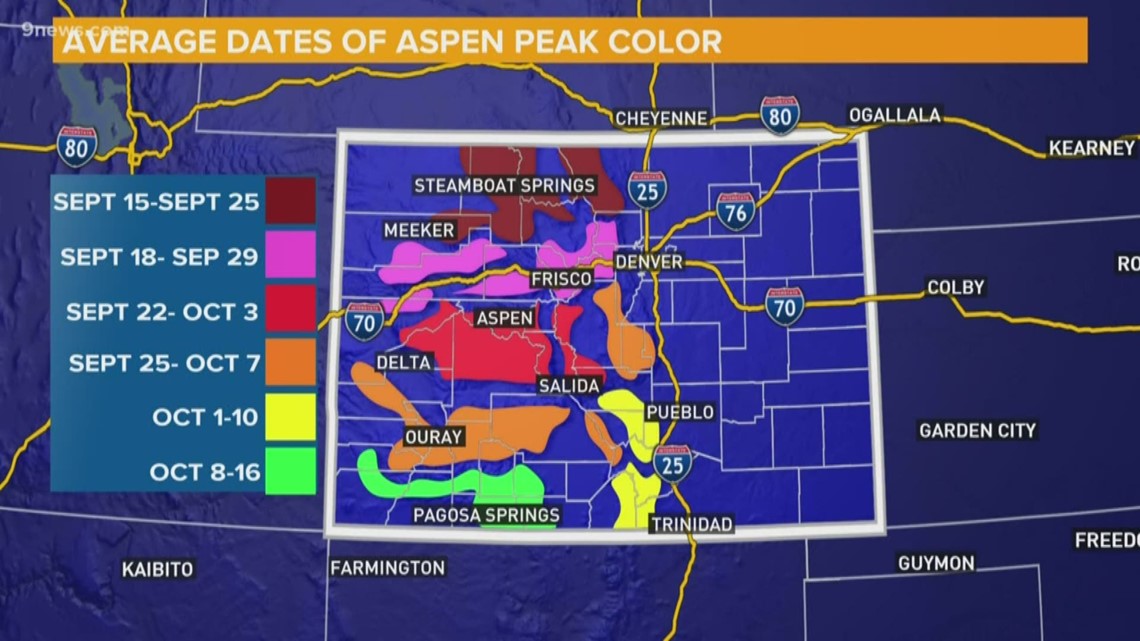
- Elevation: This is arguably the most critical factor. Higher elevations experience cooler temperatures earlier, causing leaves to change first. As autumn progresses, the color line descends into lower altitudes. Typically, leaves at 9,000 to 10,000 feet begin to turn in late August, reaching their peak in early to mid-September. Lower elevations, such as foothills and valleys around 6,000 to 8,000 feet, often see their peak in late September to early October.
- Temperature: Cool nights and sunny days are the ideal conditions for vibrant fall colors. A hard frost can cause leaves to drop quickly, shortening the peak window, while unusually warm temperatures can delay the change.
- Moisture: The amount of precipitation received throughout the summer months impacts the intensity and duration of the fall colors. A healthy growing season with adequate moisture generally leads to more brilliant and sustained foliage. Drought conditions can result in duller, quicker-to-fade colors.
- Tree Species: While Aspens dominate the golden spectacle, other trees like cottonwoods along riversides, scrub oaks in the foothills, and various deciduous shrubs contribute to the diverse palette. Each species has its own internal clock for changing.
Generally, the best window for experiencing fall colors in Colorado spans from mid-September to early October. However, this can shift by a week or two depending on the year’s specific weather patterns. Early September will see the high country begin to glow, while by mid-October, many of the lower elevation areas might still be holding onto their last bursts of color.
Top Destinations for Autumn Colors in Colorado
To maximize your fall foliage experience, it’s crucial to target specific regions known for their spectacular displays. Each area offers a unique landscape and timing for its peak colors.
The San Juan Mountains Region
Located in southwestern Colorado, the San Juan Mountains are arguably the most iconic fall foliage destination. The sheer scale of the golden Aspen groves, set against dramatic peaks and often dusted with early snow, creates postcard-perfect scenes.
- Telluride: This historic mining town is nestled in a box canyon, surrounded by towering peaks cloaked in gold. The drive into and out of Telluride is breathtaking, and gondola rides offer panoramic views of the changing leaves.
- Ouray and Silverton: These towns are connected by the famous Million Dollar Highway, a segment of the San Juan Skyway. The entire route is a continuous spectacle of golden Aspens clinging to steep slopes.
- Creede and Lake City: These smaller, more remote towns offer a quieter experience amidst incredible fall colors, often reaching their peak a bit earlier due to higher elevations.
The Central Mountains
Central Colorado boasts some of the state’s most famous Aspen groves and accessible scenic drives.
- Aspen and Snowmass: The town of Aspen is, fittingly, surrounded by stunning Aspen trees. The drive over Independence Pass (when open) offers incredible views, and the iconic Maroon Bells Scenic Area is a must-see, reflecting golden trees in its pristine lakes. Note that access to Maroon Bells often requires shuttle reservations during peak season.
- Crested Butte: Known as the “Wildflower Capital of Colorado,” Crested Butte transforms into a golden paradise in the fall. The nearby Kebler Pass is legendary for its vast and dense Aspen groves, often cited as one of the best fall drives in the entire state.
- Vail and Breckenridge: These popular ski resorts also offer incredible fall color displays. Gondola rides provide elevated views, and countless hiking trails wind through golden forests.
Northern Colorado and the Front Range
For those closer to Denver or Boulder, magnificent fall foliage is still within reach.
- Rocky Mountain National Park: The park’s eastern side, accessible from Estes Park, showcases golden Aspens, while the western side near Grand Lake and Fraser offers even more extensive groves. Beyond the Aspens, fall in Rocky Mountain National Park is also synonymous with the elk rut, where bugling elk add an auditory dimension to the visual spectacle.
- Peak to Peak Scenic Byway: This byway, stretching from Estes Park to Central City and Black Hawk, offers easily accessible and stunning views of Aspens and other deciduous trees against a backdrop of towering peaks.
Western Slope
The Grand Mesa National Forest, the largest flat-topped mountain in the world, offers a unique fall experience. The high elevations mean colors peak earlier, often in mid-September, with expansive views of golden Aspens.
Scenic Drives and Routes for Leaf Peeping
While hiking allows for an intimate experience with the fall colors, many of Colorado’s most spectacular displays are best viewed from the road. Planning a scenic drive is a popular and rewarding way to see the foliage.
Legendary Drives
- Kebler Pass (Near Crested Butte): This unpaved road through the Gunnison National Forest is frequently lauded as the best fall drive in Colorado. The Aspens here form dense, towering groves that create a dazzling tunnel of gold. The pass usually peaks around mid-September.
- San Juan Skyway (The Million Dollar Highway segment): This 236-mile loop connects Durango, Silverton, Ouray, and Telluride. The section between Ouray and Silverton is famously breathtaking, with sheer drops and non-stop views of golden Aspens. This route is typically best in late September.
- Dallas Divide and Highway 145 (Near Ridgway): Offering sweeping vistas of golden Aspens against the backdrop of the Sneffels Range, this area is a photographer’s dream. It connects to the San Juan Skyway and is excellent in late September.
- Independence Pass (Near Aspen): This high mountain pass (closed in winter) offers dramatic, close-up views of golden Aspens near the tree line. The winding road provides numerous pull-offs for photo opportunities. Peak foliage is usually mid-September.
Accessible Drives from the Front Range
- Peak to Peak Scenic Byway: This 55-mile route offers stunning views of the Continental Divide and numerous Aspen groves. It’s easily accessible from Boulder and Denver and provides a good early-to-mid September option as it traverses various elevations.
- Guanella Pass Scenic Byway: Starting near Georgetown, this byway climbs through beautiful Aspen groves and offers stunning mountain views. It’s a popular choice for a day trip from Denver and typically peaks in mid-September.
Beyond the Drive: Immersive Experiences
While scenic drives are fantastic, immersing yourself in the fall colors through other activities can be even more rewarding.
Hiking and Biking
Numerous trails crisscross Colorado’s mountains, leading through dense Aspen forests.
- Maroon Bells Scenic Area: Beyond the iconic lake view, trails like the Crater Lake Trail wind through golden Aspens.
- Rocky Mountain National Park: Trails around Sprague Lake or in the Wild Basin area are fantastic for fall colors and wildlife viewing.
- West Maroon Pass Trail: For a more strenuous hike, consider portions of this trail near Aspen for incredible high-alpine fall views.
Photography Tips
- Golden Hour: Early mornings and late afternoons provide the best light, casting a warm glow on the Aspens.
- Reflections: Look for still lakes and rivers to capture reflections of the colorful trees.
- Contrast: Frame the golden trees against evergreen pines or deep blue skies for dramatic effect.
- Elk Rut: In Rocky Mountain National Park, photograph the majestic elk during their mating season, often silhouetted against the golden backdrop.
Train Rides
- Durango & Silverton Narrow Gauge Railroad: Experience the breathtaking San Juan Mountains in fall aboard a historic steam train. The route between Durango and Silverton passes through areas inaccessible by road, offering unique perspectives of the golden Aspens. Booking well in advance is essential for fall trips.
- Georgetown Loop Railroad: This shorter, historic ride near Georgetown also offers scenic views of changing leaves, especially a good option for those based closer to Denver.
Planning Your Colorado Fall Foliage Trip
A successful trip to witness Colorado’s fall colors requires thoughtful planning, especially since this is a highly popular season.
Best Time to Book
Fall is peak season for leaf peepers, meaning accommodations and popular tours book up quickly, often months in advance.
- Accommodations: If you’re targeting specific towns like Aspen, Telluride, or Ouray, book hotels, resorts, or vacation rentals 3-6 months ahead of time.
- Rental Cars: Four-wheel drive or all-wheel drive vehicles are recommended for some mountain passes, especially as temperatures drop and early snow is possible. Book these well in advance.
- Activities: Popular train rides (e.g., Durango & Silverton Narrow Gauge Railroad) and timed entry permits for Rocky Mountain National Park or shuttle reservations for Maroon Bells are critical and should be secured as soon as they become available.
Weather Considerations
While the days can be gloriously sunny and mild, evenings and mornings can be crisp, and mountain weather is notoriously unpredictable.
- Temperature Swings: Be prepared for significant temperature variations. It could be 70°F (21°C) during the day and drop to freezing overnight.
- Early Snow: Snow can fall in the high country as early as September. While it often melts quickly, it can temporarily close high mountain passes like Independence Pass or make roads slick. Always check road conditions before heading out, especially for unpaved roads like Kebler Pass.

What to Pack
Layering is key for a Colorado fall trip:
- Warm Layers: Fleece jackets, sweaters, and a waterproof/windproof outer shell.
- Comfortable Footwear: Sturdy hiking boots are essential if you plan to hit the trails.
- Sun Protection: Even in fall, the Colorado sun at high altitude is intense. Pack sunscreen, sunglasses, and a hat.
- Camera Gear: Don’t forget extra batteries and memory cards for all those stunning photos!
Experiencing the leaves change in Colorado is a truly unforgettable travel experience. By understanding the optimal timing, targeting the best locations, and planning carefully, you can ensure a magical autumn adventure filled with golden vistas and crisp mountain air.
LifeOutOfTheBox is a participant in the Amazon Services LLC Associates Program, an affiliate advertising program designed to provide a means for sites to earn advertising fees by advertising and linking to Amazon.com. Amazon, the Amazon logo, AmazonSupply, and the AmazonSupply logo are trademarks of Amazon.com, Inc. or its affiliates. As an Amazon Associate we earn affiliate commissions from qualifying purchases.