
Alaska, a land of unparalleled wilderness and breathtaking natural phenomena, offers one of the most spectacular stages on Earth for witnessing the aurora borealis. Often referred to as the Northern Lights, this celestial dance of color is a bucket-list experience for many. Understanding the optimal times to chase this elusive spectacle is crucial for planning an unforgettable trip. While the aurora can technically be seen year-round, the conditions for viewing are highly dependent on darkness and clear skies, making the winter months the prime season.
Understanding Aurora Borealis Activity
The aurora borealis is a direct result of solar activity. Charged particles from the sun, propelled outwards as the solar wind, collide with gases in the Earth’s atmosphere. These collisions excite the atmospheric gases, causing them to emit light. The intensity and frequency of these solar events directly influence the brilliance and visibility of the aurora.
Solar Cycle and Aurora Intensity
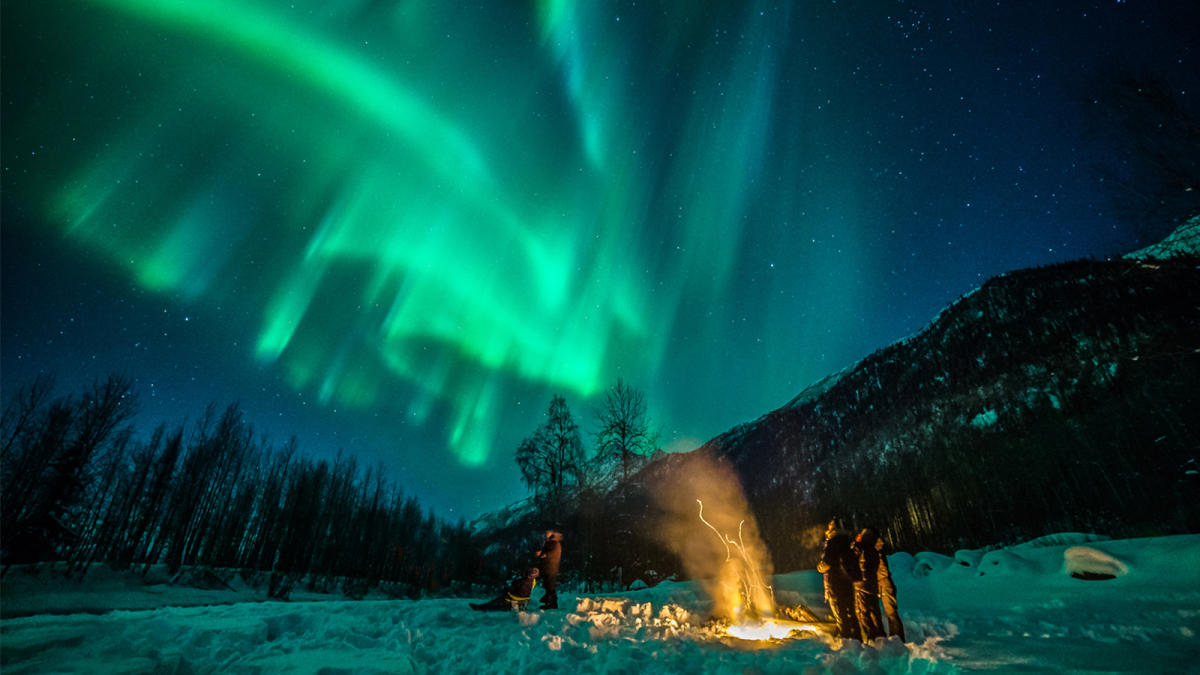
The sun operates on an approximately 11-year cycle of activity, known as the solar cycle. During the peak of this cycle, known as solar maximum, the sun releases more frequent and powerful solar flares and coronal mass ejections (CMEs). These events are more likely to send a barrage of charged particles towards Earth, resulting in more vibrant and widespread auroral displays. Conversely, during solar minimum, auroral activity is generally less intense and frequent. While predicting the exact timing of solar maximums is complex, astronomers monitor solar activity closely, and current forecasts suggest a potential increase in activity in the coming years, offering excellent opportunities for aurora viewing in Alaska.
Geomagnetic Storms
The Earth’s magnetic field acts as a shield, deflecting most of the solar wind. However, during periods of intense solar activity, particularly when CMEs are directed towards Earth, the magnetic field can be overwhelmed, leading to a geomagnetic storm. These storms are the primary drivers of strong auroral displays. When a geomagnetic storm occurs, the aurora can be seen at lower latitudes than usual and with greater intensity. Alaska, with its high latitude position, is ideally situated to benefit from these geomagnetic events, often experiencing spectacular shows even during moderate storms.
The Best Time of Year to See the Northern Lights in Alaska
While the aurora itself is a year-round phenomenon, its visibility is entirely dependent on the presence of darkness. Alaska experiences its most significant periods of darkness during the winter months, making this the optimal time for aurora viewing.
The Darkest Months: September to April
The aurora borealis can be observed in Alaska from late August through April. However, the most consistent and spectacular displays typically occur between September and April. During these months, the nights are long and dark, providing the necessary canvas for the aurora to shine.
-
September and October: These early autumn months offer a good balance. The nights are growing longer, and the weather can still be somewhat milder than in the dead of winter. The fall colors in Alaska can also add an extra layer of beauty to your trip. The aurora is often visible, though perhaps not as consistently as in the deeper winter.
-
November to February: This is the heart of aurora season. These months boast the longest periods of darkness, maximizing your chances of a sighting. While temperatures can be frigid, especially in interior Alaska, the clear, dark skies are ideal. Cities like Fairbanks, often called the “Aurora Capital of Alaska,” are particularly renowned for their consistent aurora viewing opportunities during this period.
-
March and April: As winter begins to wane, the nights are still sufficiently dark for aurora viewing. The daylight hours start to increase, but there are still ample opportunities to catch a show. The snow cover can also create a stunning, ethereal landscape that complements the aurora beautifully. This can be a good option for those who prefer slightly milder temperatures than the mid-winter months.
Daylight Hours and Aurora Visibility
It’s a common misconception that the aurora is only visible during the darkest parts of the night. While the darkest hours offer the best conditions, the aurora can theoretically appear at any time when the sky is dark enough and the geomagnetic activity is present. However, the practical reality is that your viewing window is significantly limited by daylight. In Alaska, the short daylight hours from September to April are what make aurora chasing possible and enjoyable. During the summer months, with the phenomenon of the “midnight sun” in northern Alaska, the sky remains too bright for the aurora to be seen, even if solar activity is high.
Factors Enhancing Your Aurora Viewing Experience
Beyond the time of year, several other factors play a significant role in your ability to witness the aurora borealis in all its glory. Planning and preparation can greatly enhance your chances of success.
Cloud Cover and Weather Conditions
The single biggest impediment to aurora viewing is cloud cover. Even on nights with intense geomagnetic activity, if the sky is obscured by clouds, the aurora will remain hidden. Therefore, checking weather forecasts and choosing locations with a higher probability of clear skies is paramount. Coastal regions of Alaska can experience more cloud cover than the interior due to maritime influences.
Moon Phase
While not as critical as cloud cover, the phase of the moon can influence how well you see the aurora. A full moon, while offering some ambient light for navigating and appreciating the landscape, can wash out fainter auroral displays. A new moon or a crescent moon provides a darker sky, allowing even subtle auroral colors to pop. For the most dramatic viewing, aim for nights around the new moon.
Light Pollution
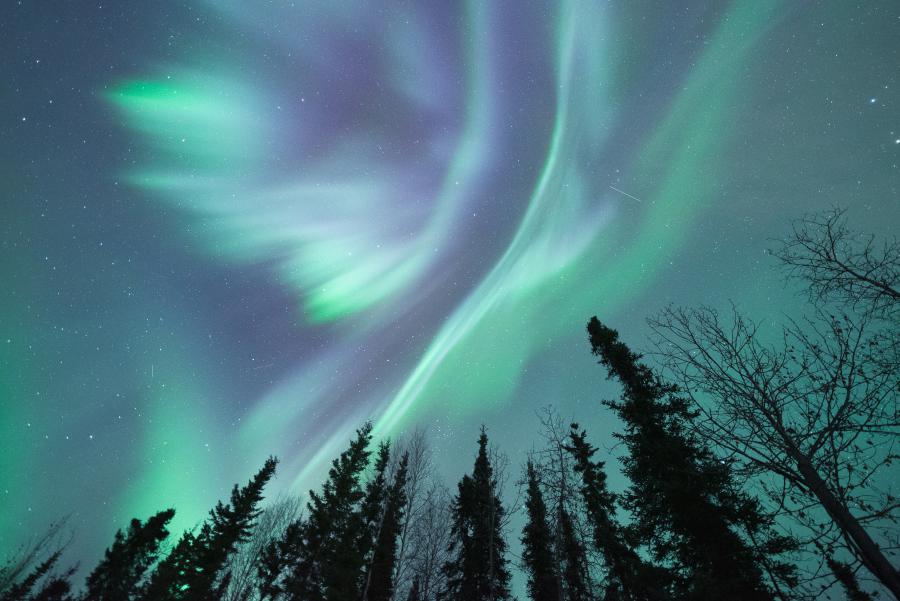
As with any stargazing, light pollution from cities and towns can significantly diminish the visibility of the aurora. To maximize your chances of seeing faint or moderately active aurora, it is best to get away from urban centers. Many aurora viewing tours in Alaska specifically take participants to remote locations away from any light pollution.
Prime Locations for Aurora Viewing in Alaska
Alaska offers a multitude of incredible locations to witness the Northern Lights. The choice of location can depend on your preferred travel style, from bustling towns with amenities to remote wilderness lodges.
Fairbanks and the Interior
Fairbanks is consistently ranked as one of the best places in the world to see the aurora borealis. Its inland location means it experiences less cloud cover than coastal areas and benefits from long periods of darkness. The city is also a hub for aurora tourism, offering numerous tours, viewing lodges, and educational opportunities. Nearby areas like Chena Hot Springs Resort provide a unique combination of aurora viewing and natural hot springs.
Denali National Park and Preserve
While Denali National Park and Preserve is most famous for its summer hiking and wildlife viewing, it transforms into a stunning winter wonderland for aurora chasers. The vast, undeveloped wilderness offers pristine dark skies. However, access to the park is limited in winter, and accommodations can be fewer. Staying in lodges just outside the park entrance or in nearby towns like Healy can be excellent options.
Anchorage and Southcentral Alaska
Anchorage, Alaska’s largest city, offers aurora viewing opportunities, especially on nights of strong geomagnetic activity. However, due to its size and light pollution, it is generally recommended to venture at least an hour or two outside the city for optimal viewing. Areas north of Anchorage, such as along the Glenn Highway towards Palmer or in the vicinity of Talkeetna, can provide darker skies.
Remote Wilderness Lodges
For a truly immersive experience, consider booking a stay at a remote wilderness lodge. These lodges are often situated in incredibly dark locations, far from any artificial light. They typically offer guided aurora viewing tours, warm accommodations, and a chance to experience the Alaskan wilderness in its most tranquil state. Examples include lodges near Kaktovik on the Arctic coast, though access to these can be more challenging and expensive.
Planning Your Aurora Adventure
A successful aurora viewing trip requires careful planning. Beyond knowing when to go, consider how you will get there, where you will stay, and what activities you will enjoy.
Transportation and Accommodation
Getting to Alaska: Major airlines fly into Anchorage and Fairbanks, which are the primary gateways for aurora tourism.
Getting Around Alaska: Renting a car is often recommended for flexibility, especially if you plan to explore outside the main cities. However, in winter, driving conditions can be challenging. Consider booking guided tours that include transportation.
Accommodation: Options range from hotels and motels in cities like Fairbanks and Anchorage to unique lodges like Chena Hot Springs Resort or rustic cabins in more remote areas. Book well in advance, especially during the peak aurora season.

Aurora Tours and Viewing Tips
Many tour operators in Alaska specialize in aurora viewing. These tours often provide:
- Transportation to prime viewing spots: Away from light pollution.
- Warm gear and blankets: Essential for cold nights.
- Hot drinks and snacks: To keep you comfortable.
- Knowledgeable guides: Who can explain the aurora and provide tips on photography.
Tips for successful viewing:
- Be patient: The aurora can be unpredictable. Allow ample time for viewing.
- Dress warmly: Layers are key. Thermal base layers, insulated outer layers, warm hat, gloves, and boots are a must.
- Bring a tripod: For capturing stunning aurora photographs.
- Manage expectations: While Alaska offers excellent chances, the aurora is a natural phenomenon and sightings are never guaranteed.
- Check aurora forecasts: Websites and apps that track geomagnetic activity can provide an idea of potential aurora strength.
By understanding the science behind the aurora, timing your visit during the dark, long nights of Alaskan winter, and choosing your location wisely, you significantly increase your chances of witnessing the magical dance of the Northern Lights. Alaska’s vast wilderness provides an unparalleled backdrop for this celestial spectacle, promising an unforgettable adventure.
LifeOutOfTheBox is a participant in the Amazon Services LLC Associates Program, an affiliate advertising program designed to provide a means for sites to earn advertising fees by advertising and linking to Amazon.com. Amazon, the Amazon logo, AmazonSupply, and the AmazonSupply logo are trademarks of Amazon.com, Inc. or its affiliates. As an Amazon Associate we earn affiliate commissions from qualifying purchases.