
Planning a trip to the sun-drenched landscapes of Arizona, whether for a family vacation, a business stay, or a scenic tour of its famous landmarks, often involves a crucial consideration: school schedules. Unlike a single, uniform date across the entire United States, the start of the academic year in Arizona is a dynamic affair, varying significantly across its numerous public, private, and charter school districts. For families with school-aged children, understanding these start dates is paramount for coordinating travel plans, securing ideal accommodation, and making the most of both peak and off-peak tourism opportunities. For other travelers, these dates can influence everything from hotel availability and pricing to the crowds at popular attractions.

Generally, schools in Arizona typically begin their academic year anywhere from early August to the week after Labor Day. This broad window is dictated by a variety of factors, including local district policies, regional climate considerations, and the desire to align with standardized testing schedules. Navigating this diverse calendar is key to unlocking the best travel experiences the Grand Canyon State has to offer, whether you’re seeking a serene escape during less crowded periods or a bustling family adventure during traditional holiday breaks.
Navigating Arizona’s Academic Calendar
The educational landscape in Arizona is characterized by its decentralization, with each school district, charter school, and private institution largely setting its own academic calendar. This autonomy leads to a patchwork of start dates that can surprise those unfamiliar with the state’s system. Understanding these nuances is the first step in strategic travel planning, allowing visitors to anticipate the ebb and flow of tourist traffic and adjust their itineraries accordingly.
A Diverse Schedule Across Districts
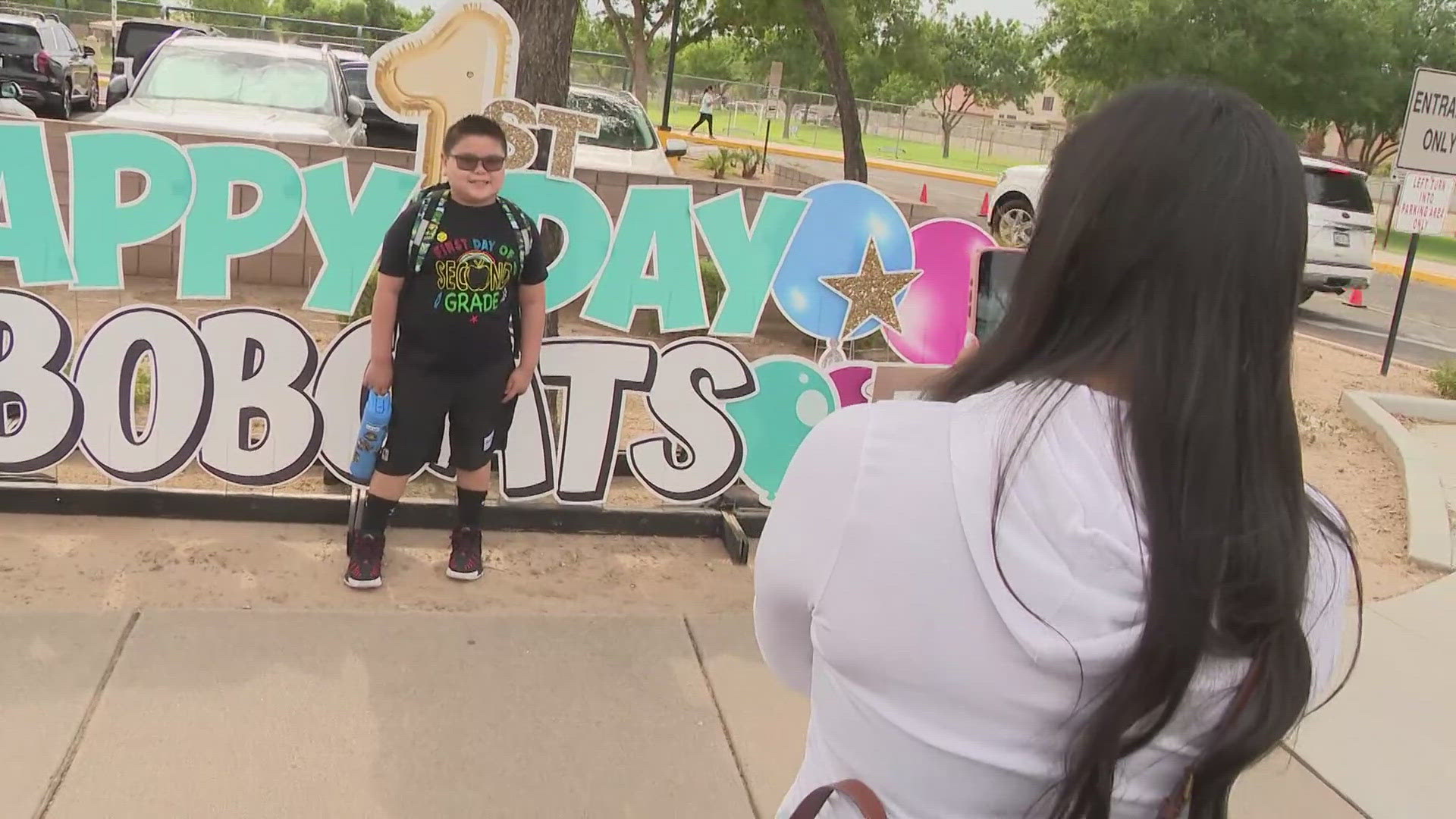
The majority of public school districts in major metropolitan areas, particularly within Maricopa County and Pima County, tend to kick off their school year in early to mid-August. For instance, districts within the sprawling Phoenix metropolitan area, such as Deer Valley Unified School District, Mesa Public Schools, and Chandler Unified School District, often see students returning to classrooms around the first or second week of August. This early start is a trend observed in many fast-growing areas, allowing for longer breaks throughout the year or an earlier end to the school year. Similarly, the Tucson Unified School District in Southern Arizona often follows a similar August commencement.
However, moving to other regions or considering different types of educational institutions reveals variations. Some districts, particularly in cooler northern parts of the state or those with different community traditions, might opt for a later start. For example, the Flagstaff Unified School District might sometimes lean towards a mid-to-late August start, sometimes even pushing closer to Labor Day. Private schools and charter schools, known for their innovative approaches, also often deviate from the traditional public school calendar. Many highly regarded charter networks, like BASIS Charter Schools, maintain their unique schedules, which can sometimes mean an even earlier start in July or a later one in September, depending on their academic model.
Beyond K-12 education, higher education institutions in Arizona typically begin their fall semesters in late August. Arizona State University in Tempe, the University of Arizona in Tucson, and Northern Arizona University in Flagstaff all welcome students back around this time. This influx of university students and their visiting families can also contribute to localized demand for accommodation and services in cities like Tempe, Tucson, and Flagstaff during that specific period.
The Rationale Behind Varying Start Dates
The reasons behind Arizona’s varied school start dates are multifaceted, reflecting a blend of educational philosophy, climatic considerations, and logistical planning. One primary factor is the intense summer heat. Starting earlier in August allows schools to conclude the academic year before the peak of summer temperatures, potentially reducing energy costs for air conditioning and making the final weeks of school more comfortable for students and staff. It can also provide a longer summer break after the school year ends, during the hottest months.
Another consideration is academic performance and alignment with standardized testing windows. Many districts aim to finish a significant portion of the curriculum before statewide or national standardized tests, and an earlier start can provide more instructional days leading up to these crucial assessments. Furthermore, some districts consider community traditions and local events, trying to avoid conflicts that might impact attendance or local tourism. The desire for a balanced academic calendar, often incorporating longer fall or spring breaks, can also influence the start date, allowing for more strategically placed recuperation periods throughout the school year.
The Impact on Family Travel and Tourism in Arizona
Understanding when schools in Arizona start and break is not just an academic exercise; it’s a fundamental aspect of travel planning. These dates directly influence the rhythm of tourism, dictating peak seasons, affecting prices, and shaping the overall experience at popular destinations. For anyone considering a trip to Arizona, especially those traveling with or influenced by school-aged children, being informed is the key to a successful and enjoyable visit.
Peak vs. Off-Peak Travel Seasons
School schedules are the primary drivers of what defines “peak” and “off-peak” travel seasons in Arizona. The summer months, before school resumes in August, represent a major peak for family travel. During this time, attractions like the Grand Canyon National Park, the red rocks of Sedona, and the waterways of Lake Havasu City experience their highest influx of visitors. Likewise, the traditional school breaks – Thanksgiving, Winter Break (late December to early January), and particularly Spring Break (typically in March) – transform many parts of the state into bustling tourist hubs. During these times, demand for hotels, flights into major hubs like Sky Harbor International Airport in Phoenix or Tucson International Airport, and popular activities skyrockets. Consequently, accommodation prices, especially for family-friendly resorts and suites, tend to be at their highest, and popular sites will see larger crowds.
Conversely, the periods immediately following school starts in August and September, and then again from late January through February (post-winter break and pre-spring break), typically represent off-peak or shoulder seasons. These are golden windows for travelers seeking a more relaxed experience, fewer crowds, and often significantly better deals on travel and accommodation. Imagine exploring the vibrant Desert Botanical Garden or the historic streets of Old Town Scottsdale with fewer people, or enjoying the serenity of a hike near Flagstaff without the usual bustling trails. The slightly cooler temperatures in early fall also make outdoor activities more comfortable than the peak summer heat.

Crafting the Perfect Family Getaway
For families, the challenge lies in aligning desired travel experiences with school calendars. Planning is paramount. If you’re tied to traditional school breaks, booking well in advance is non-negotiable, especially for popular family-friendly resorts such as the Arizona Biltmore, A Waldorf Astoria Resort, JW Marriott Scottsdale Camelback Inn Resort & Spa, or Hyatt Regency Scottsdale Resort & Spa at Gainey Ranch. These establishments fill up quickly during peak times due to their extensive amenities and programming designed for all ages.
Consider less conventional destinations during peak times to mitigate crowds. While the Grand Canyon National Park is always a draw, exploring alternatives like Petrified Forest National Park or the otherworldly landscapes of Monument Valley during these busy periods might offer a more intimate experience. For those with flexibility, traveling during the off-peak shoulder seasons can lead to significant savings and a richer, less hurried family adventure. Picture leisurely strolls through Old Town Scottsdale, unhurried visits to the Musical Instrument Museum, or exploring the fascinating wildlife at the Arizona-Sonora Desert Museum near Tucson without the intense rush.
Student Travel and Educational Tourism
The academic calendar isn’t just about family vacations; it also creates specific opportunities for student travel and educational tourism. School breaks are prime times for organized student tours, whether for college campus visits to institutions like Arizona State University, University of Arizona, or Northern Arizona University, or for educational field trips. Many schools take advantage of breaks to organize excursions to Arizona’s rich historical and natural sites, ranging from the ancient cliff dwellings of Montezuma Castle to the engineering marvel of Hoover Dam or the majestic Antelope Canyon on Navajo Nation land.
Moreover, the summer months, both before and after school resumes, are popular for student groups attending summer camps, academic programs, or sports tournaments hosted across the state. This demographic also contributes to accommodation demand, often favoring extended-stay hotels or campus dorms for longer programs. For parents visiting students at universities, coordinating travel around registration days, parent weekends, or graduation ceremonies means navigating specific busy periods in university towns like Tempe, Tucson, and Flagstaff, where local hotel availability can become scarce.
Accommodation and Planning Your Arizona Adventure
The varied school start dates in Arizona are a crucial piece of the puzzle when it comes to planning your trip, influencing everything from the availability of your desired hotel to the overall budget for your adventure. Thoughtful planning and booking strategies can make all the difference, transforming a potentially stressful trip into a smooth and memorable experience.
Booking Strategies for School Holidays
If your travel dates are constrained by school holidays – Christmas, Spring Break, or summer vacation before school resumes – proactive booking is your best friend. The moment you know your travel dates, start researching and reserving your accommodation. This is especially true for popular destinations like Sedona, Scottsdale, or properties near major attractions. Early booking often secures better rates and a wider selection of rooms, suites, or villas, which is crucial for families or groups requiring specific amenities.
Flexibility with dates, even by a few days, can also yield significant savings. Sometimes, shifting your trip to start just before a major holiday rush or extending it slightly beyond the end can place you in a more favorable pricing tier. Comparing options across different booking platforms is also advisable, as prices for hotels, resorts, and vacation rentals can fluctuate. Consider package deals that bundle flights and accommodation, as these can sometimes offer better value during peak seasons.
Finding the Right Stay: From Resorts to Long-Term Rentals
Arizona offers an incredible range of accommodation options, each suited to different travel styles and needs, particularly when school schedules come into play. For families looking for a comprehensive experience during school breaks, luxury resorts in Scottsdale, Phoenix, or Tucson provide extensive amenities, kids’ clubs, multiple pools, and dining options, minimizing the need to venture far. These can be ideal for a relaxing family-focused trip, but they come at a premium, especially during peak school holidays.
For those on a budget or seeking more space, particularly for longer stays or larger families, vacation rentals through platforms like Airbnb or VRBO can be excellent choices. These offer homes, apartments, or villas with kitchens, multiple bedrooms, and often private pools, providing a “home away from home” experience. They are particularly popular during school breaks when families desire more space and the ability to cook their own meals. Extended-stay hotels are also a practical option for families relocating, visiting university students for an extended period, or those undertaking business stays that coincide with academic events. These properties often include kitchenettes and laundry facilities, offering convenience and cost savings over traditional hotel rooms.
Leveraging Off-Season Benefits
Perhaps the most compelling argument for understanding Arizona’s diverse school calendar is the opportunity to leverage the off-peak seasons. Traveling immediately after schools start in August/September, or during less popular times like February, offers a myriad of benefits. You’ll find significantly lower prices on flights, hotels, and vacation rentals. This allows for a more luxurious experience at a budget price, perhaps upgrading to a suite you wouldn’t otherwise consider, or extending your stay for the same cost.
Beyond the financial savings, off-peak travel means fewer crowds at popular landmarks and attractions. Imagine experiencing the serene beauty of Antelope Canyon with smaller tour groups, enjoying the tranquility of Sedona’s hiking trails, or securing coveted reservations at top restaurants without a long wait. The weather in Arizona during these shoulder seasons, particularly in the fall and spring, is often ideal – comfortably warm days and mild evenings, perfect for outdoor exploration without the intense summer heat or winter chill of the higher elevations. This strategic approach to travel, aligning with the rhythms of the academic year, transforms the lifestyle of travel, offering unique experiences and excellent value.
In conclusion, while there isn’t a single, definitive answer to “When do schools in Arizona start?”, the general trend of early to mid-August, with variations extending to Labor Day, serves as a critical marker for anyone planning a visit. By delving into the specific district calendars and understanding their implications for tourism and accommodation, travelers can strategically plan their Arizona adventure. Whether you prioritize bustling family fun during peak breaks or seek serene, budget-friendly escapes during the shoulder seasons, being informed about Arizona’s school schedules is your first step towards a perfectly curated trip to this magnificent state.
LifeOutOfTheBox is a participant in the Amazon Services LLC Associates Program, an affiliate advertising program designed to provide a means for sites to earn advertising fees by advertising and linking to Amazon.com. Amazon, the Amazon logo, AmazonSupply, and the AmazonSupply logo are trademarks of Amazon.com, Inc. or its affiliates. As an Amazon Associate we earn affiliate commissions from qualifying purchases.