
Alaska, the Last Frontier, beckons with its unparalleled natural beauty, from towering mountains to vast wilderness and abundant wildlife. For many adventurous travelers, experiencing Alaska’s outdoors is the primary draw. However, preparing for an Alaskan adventure means understanding its unique seasonal challenges, and perhaps none are as widely discussed among prospective visitors as the presence of biting insects. Among these, black flies, often overshadowed by mosquitoes, play a significant role in shaping the summer tourist experience. Knowing when these small but persistent insects emerge and how to manage their presence is crucial for an enjoyable trip to the 49th state.

Understanding Alaska’s Insect Seasons
The short, intense Alaskan summer is a period of explosive growth and activity, not just for flora and fauna, but also for its insect populations. The arrival and departure of various biting insects are intricately linked to temperature, meltwater, and the overall progression of the season.
The Alaskan Summer Cycle
Spring in Alaska typically begins in May, marked by thawing snow and ice. This melting process is the initial catalyst for insect life. Black flies, belonging to the family Simuliidae, thrive in fast-flowing, clean water where their larvae attach to submerged rocks and vegetation. As rivers and streams swell with snowmelt, prime breeding grounds are established.
Generally, the black fly season in Alaska commences in late May or early June, shortly after the initial mosquito boom. Their numbers tend to peak from mid-June through July, especially in areas with abundant freshwater sources and lush vegetation. Unlike mosquitoes, which often prefer stagnant water, black flies are more prevalent near their breeding streams and rivers. The season typically wanes in August as temperatures begin to drop, and by September, their presence is significantly diminished, though some lingering populations might exist in warmer pockets. The exact timing can vary by several weeks depending on the specific region of Alaska and the characteristics of that year’s spring and summer weather. A cooler, wetter spring might delay their emergence, while a warm, dry spring could bring them out earlier.
Beyond Black Flies: Other Alaskan Biting Insects
While black flies are a concern, they are part of a broader insect ecosystem that tourists should be aware of. Mosquitoes, often perceived as the most notorious Alaskan pest, typically emerge earlier, often by mid-May, and can persist through August. Their breeding grounds are much more widespread, encompassing everything from puddles to vast marshlands, making them ubiquitous across much of the state.
No-see-ums, or biting midges, are another group of tiny but irritating insects. These miniscule biters can pass through standard insect screens and deliver a surprisingly potent bite. They tend to be most active during dusk and dawn, particularly in calm, humid conditions, and their season largely overlaps with that of black flies and mosquitoes. Horseflies and deer flies, larger and more aggressive, also appear in mid-summer, especially in marshy areas, delivering painful bites. Being aware of the different types of biting insects and their preferences helps travelers choose appropriate repellents and protective clothing.
Peak Activity Periods for Black Flies
Understanding the peak activity periods for black flies requires considering both geographical nuances within Alaska and the specific environmental conditions that favor their proliferation.
Geographical Variations Across Alaska
Alaska is an immense state, and insect populations, including black flies, are not uniform across its diverse landscapes.
- Interior Alaska: Regions like Fairbanks and the surrounding Interior tend to experience intense but relatively short black fly seasons, peaking in June and July. The warmer summer temperatures in the Interior can accelerate their life cycle. Areas along major river systems, such as the Tanana River or Yukon River, are particularly susceptible.
- Southcentral Alaska: Cities like Anchorage and popular tourist destinations on the Kenai Peninsula often experience black flies from June to early August. While present, the constant breezes from the ocean and mountains can sometimes offer a reprieve in certain locations. However, backcountry areas, especially near streams in the Chugach Mountains or along fishing rivers, can still have significant populations.
- Southeast Alaska: This panhandle region, characterized by rainforests and numerous waterways, has a consistent black fly presence from late May through August. The high humidity and countless streams create ideal breeding conditions. Towns like Juneau, Ketchikan, and Sitka will experience them, though coastal breezes often provide some relief.
- Arctic and Subarctic Regions: Even in the far north, such as near the Brooks Range or in areas bordering the Arctic Circle, black flies emerge during the brief summer. Their season here is compressed, often intensifying dramatically in July, especially around tundra ponds and braided rivers, coinciding with the peak of migratory bird activity.
Environmental Factors Influencing Emergence
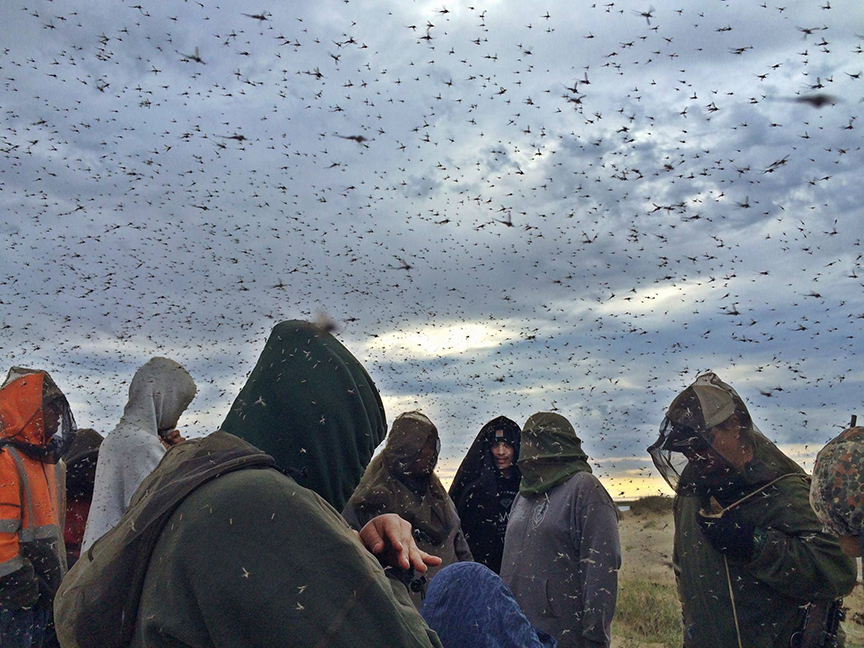
Several environmental factors dictate the exact timing and severity of black fly outbreaks:
- Temperature: Consistent daytime temperatures above 50°F (10°C) for several days trigger the emergence of adult black flies. A prolonged cool spring can delay this, while an early warm-up can bring them out sooner.
- Water Levels and Flow: Black fly larvae require moving, oxygenated water. Heavy snowmelt leading to high river flows in late spring provides optimal breeding conditions. Drought years, conversely, can reduce populations.
- Rainfall: While black flies need water for breeding, heavy rains can sometimes temporarily suppress adult activity, especially if accompanied by cooler temperatures. However, a series of light rains and warm spells can create ideal conditions for sustained populations.
- Wind: Black flies are weak fliers and are significantly hampered by wind. Breezy conditions, common in coastal areas or on open ridgelines, can provide natural protection, making still, sheltered areas their preferred hunting grounds. Tourists should leverage wind whenever possible.
Mitigating the Black Fly Impact on Alaskan Activities
Despite their presence, black flies should not deter travelers from experiencing the wonders of Alaska. With proper preparation and strategic planning, their impact can be minimized, allowing for an enjoyable and comfortable visit.
Essential Gear and Repellents
Choosing the right gear is paramount for any Alaskan adventurer, particularly when dealing with insects.
- Protective Clothing: Long-sleeved shirts and long pants made of lightweight, tightly woven fabrics are highly effective. Light colors are often preferred as dark colors can attract certain insects and absorb more heat. Tucking pant legs into socks or boots creates a seal.
- Head Nets: A fine-mesh head net is arguably the most valuable tool against black flies, especially in high-density areas. It provides immediate relief for the face, ears, and neck, which are often targets. Many outdoor stores sell full insect-repellent jackets or bug suits, which can be invaluable for activities like fishing or photography in buggy areas.
- Insect Repellents: Repellents containing DEET (20-30% concentration) or picaridin are generally recommended for exposed skin. Oil of lemon eucalyptus (OLE) is a natural alternative, though often requiring more frequent application. Always apply repellents according to product instructions, and remember that black flies are often more persistent than mosquitoes against weaker repellents.
- Shelter: When camping, ensure tents have fine-mesh screens without holes. For day-use, portable screen shelters can offer a bug-free dining or resting area in particularly dense areas.
Strategic Planning for Outdoor Excursions
Timing and location are critical when planning outdoor activities during black fly season.
- Choose Windy Locations: Opt for hikes on open ridges, coastal trails, or near large bodies of water where breezes are common. Avoid sheltered, still areas near dense vegetation and slow-moving water, especially during peak fly hours.
- Time Your Activities: Black flies are generally most active during daylight hours, especially morning and late afternoon, though they can be present all day. They are less active in direct, harsh sunlight and significantly reduce activity in the evening.
- Consider Higher Elevations: Above the tree line, in alpine tundra, insect pressure tends to decrease due to wind and cooler temperatures. This makes high-elevation hikes in places like Denali National Park or the Chugach Mountains a more pleasant option.
- Opt for Activities with Movement: Kayaking, rafting, or cycling keep you moving, creating airflow that deters black flies. Static activities like fishing in still backwaters or wildlife viewing from a stationary position will require more rigorous insect protection.
Alaskan Tourist Tips for a Comfortable Visit
For tourists venturing into Alaska during the summer, embracing a proactive mindset regarding insects is key.
- Stay Informed: Before arriving and throughout your trip, check local conditions. Park rangers, visitor centers, and local guides are excellent resources for current insect reports.
- Pack Smart: Don’t underestimate the insect threat. Always pack head nets and insect repellent, even if your itinerary seems mostly indoors. It’s better to have them and not need them than the reverse.
- Embrace the Experience: While black flies can be annoying, they are a temporary part of the Alaskan ecosystem. Focus on the incredible scenery, wildlife, and unique experiences Alaska offers. A positive attitude, coupled with preparation, makes all the difference.
Enjoying Alaska Despite the Insects
Ultimately, the presence of black flies and other biting insects is an inherent aspect of the Alaskan summer. It is a testament to the thriving, vibrant ecosystem that supports abundant wildlife and stunning natural landscapes.
Focus on Indoor Attractions and Activities
If the thought of insects is particularly bothersome, there are still countless ways to enjoy Alaska with minimal outdoor exposure. Major cities like Anchorage and Fairbanks offer a wealth of museums, art galleries, and cultural centers.
- The Anchorage Museum provides deep insights into Alaskan history and art.
- The Alaska Wildlife Conservation Center near Portage allows close-up viewing of animals in a large, natural setting from the comfort of a vehicle or designated walkways.
- Cruises through the Inside Passage or into Prince William Sound offer unparalleled glacier and wildlife viewing from the deck of a ship, where ocean breezes effectively keep insects at bay.
- Scenic train rides, such as the Alaska Railroad, provide comfortable, panoramic views of the interior landscape without exposure to biting insects.

Embrace the Wilderness with Preparation
For those who crave the immersive wilderness experience, the key is not avoidance but preparation. The black flies are a temporary inconvenience, a small price to pay for the majesty of Alaska’s vast landscapes. Imagine fly fishing a pristine river in Katmai National Park, witnessing brown bears catching salmon, or hiking to a remote alpine lake in the Talkeetna Mountains. These experiences are unforgettable, and with a head net, appropriate clothing, and repellent, they remain entirely accessible and enjoyable.
Ultimately, the best time to visit Alaska depends on what you want to experience. If avoiding black flies is a top priority, consider visiting in late August or early September when their numbers have significantly dwindled and the fall colors begin to emerge. However, if the peak summer activities like fishing, hiking, and wildlife viewing are your focus, a visit during June or July is perfectly feasible and incredibly rewarding with the right precautions. Alaska is a destination that demands respect for its natural elements, and understanding its insect populations is just another layer of planning that contributes to an epic and memorable journey.
LifeOutOfTheBox is a participant in the Amazon Services LLC Associates Program, an affiliate advertising program designed to provide a means for sites to earn advertising fees by advertising and linking to Amazon.com. Amazon, the Amazon logo, AmazonSupply, and the AmazonSupply logo are trademarks of Amazon.com, Inc. or its affiliates. As an Amazon Associate we earn affiliate commissions from qualifying purchases.