
Alaska, a land of unparalleled natural beauty and untamed wilderness, offers a spectacle of nature that draws visitors from across the globe: the salmon runs. Witnessing thousands, even millions, of salmon battling their way upstream to spawn is an awe-inspiring experience, a primal display of life’s enduring cycle. This incredible phenomenon is not just a feast for the eyes but also a cornerstone of Alaska’s ecosystem and culture. Understanding when and where to witness this event is crucial for planning an unforgettable trip to the Last Frontier.
The timing of the salmon runs is a complex dance dictated by species, location, and the subtle shifts in the Alaskan environment. Alaska is home to five distinct species of Pacific salmon, each with its own migratory calendar, making the salmon run a prolonged event across the state. From the early spring arrivals to the late fall departures, there’s a period when salmon are actively swimming upstream in various rivers and streams. This guide will navigate you through the nuances of the salmon runs, helping you pinpoint the best times and places to experience this natural wonder, and suggesting ways to enhance your travel experience, from accommodations to local activities.
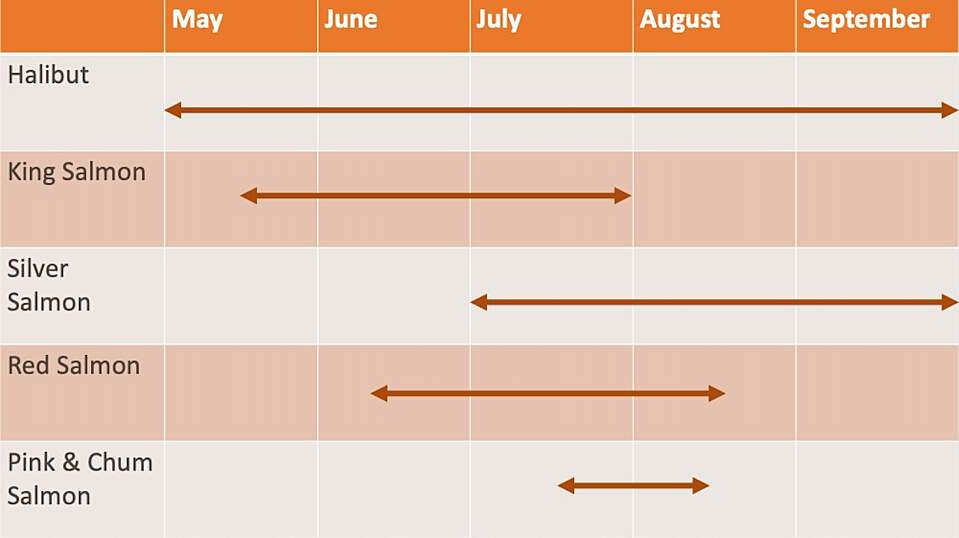
The Rhythmic Pulse of Alaska: Understanding Salmon Run Timing
The salmon run isn’t a single, monolithic event; rather, it’s a series of migrations occurring throughout the summer and into the fall. The specific timing can vary slightly year to year due to factors like water temperature, snowmelt, and even the abundance of food sources in the ocean. However, general patterns emerge for each of the five Pacific salmon species that call Alaska home. Knowing these patterns is key to maximizing your chances of witnessing this incredible natural spectacle.
The Five Kings of the Alaskan Rivers: Species and Their Seasons
Alaska is a critical spawning ground for five anadromous salmon species: Chinook (King), Sockeye (Red), Coho (Silver), Pink (Humpback), and Chum (Dog). Each species has a unique life cycle that influences their return to freshwater.
Chinook (King) Salmon
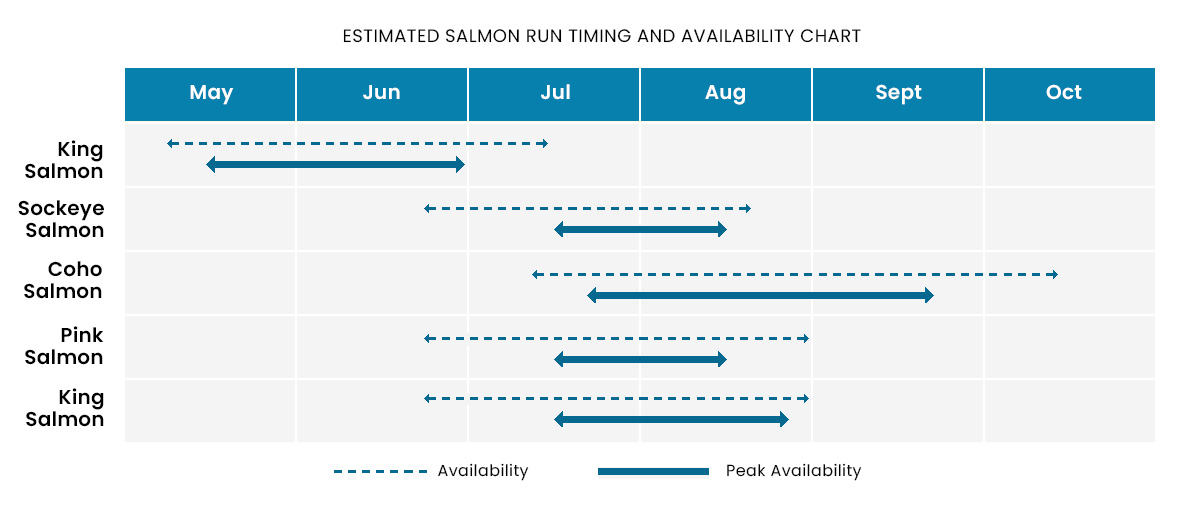
The Chinook salmon are the largest and arguably the most prized by anglers. Their runs typically begin earlier than other species, often starting in late April or May and extending through July. In some regions, like the Kenai River, the Chinook salmon run is legendary, attracting anglers from around the world. These powerful fish undertake long journeys, and their arrival signals the beginning of the salmon season. For travelers interested in the thrill of sport fishing, early to mid-summer is the prime time to target Chinook salmon.
Sockeye (Red) Salmon
Known for their vibrant red color during spawning and their delicious flesh, Sockeye salmon are a major commercial and subsistence fishery. Their runs are generally more concentrated than those of Chinook salmon. In many areas, the peak of the Sockeye salmon run occurs from June through August. Rivers like the Kvichak River in Bristol Bay famously host some of the world’s largest Sockeye salmon runs. If you’re interested in seeing vast numbers of salmon, the Sockeye salmon are a spectacular choice.
Coho (Silver) Salmon
The Coho salmon, also known as Silver salmon, are a favorite among sport fishermen for their acrobatic fight. Their runs typically start later in the summer and continue into the fall, from August through October. They often enter smaller streams and rivers, making them accessible in many areas. Popular spots include the Gull Creek near Soldotna and various streams on the Kenai Peninsula. The fall colors add a dramatic backdrop to the Coho salmon runs, creating a picturesque scene.
Pink (Humpback) Salmon
Pink salmon are the most abundant species, characterized by their distinctive hump during the spawning season. Their runs are generally short and occur in massive numbers. They typically run from July through September, often dominating the catches in many rivers. While smaller in size compared to Chinook salmon, their sheer numbers are a sight to behold, and they provide ample opportunities for wildlife viewing, including bears and eagles feasting on the migrating fish.
Chum (Dog) Salmon
The Chum salmon, or Dog salmon, are known for their hardiness and their unique spawning colors. Their runs vary, but generally, they can be found from July through September. They are often found in a wide range of river systems, from large rivers to smaller coastal streams. While not as prized for sport fishing as other species, they are a vital part of the ecosystem and a significant food source for wildlife.
Experiencing the Salmon Run: Beyond the Spectacle
Witnessing the salmon run is an incredible natural encounter, but it’s also an opportunity to immerse yourself in Alaska’s unique culture, explore its stunning landscapes, and indulge in its local flavors. The salmon runs are intrinsically linked to the state’s history and way of life, from indigenous traditions to modern-day tourism. Planning your trip around the salmon season can unlock a richer and more diverse Alaskan experience.
Prime Locations for Salmon Run Viewing
While salmon are present in countless waterways across Alaska, certain locations are renowned for their spectacular runs and the infrastructure to support visitors. These destinations offer not only the chance to see the salmon but also a wealth of other activities and attractions.
The Kenai Peninsula: A Salmon Sanctuary
The Kenai Peninsula is arguably Alaska’s most famous destination for salmon fishing and viewing. This vast peninsula boasts numerous rivers and streams teeming with all five species.
- The Kenai River: Home to some of the largest Chinook salmon in the world, the Kenai River is a bucket-list destination for anglers. While the prime Chinook season is typically May through July, Sockeye, Coho, and Pink salmon also run here throughout the summer. Guided fishing trips are highly recommended for the best experience.
- Soldotna: Known as the “Kenai River’s Salmon Capital,” Soldotna offers excellent shore fishing opportunities and a vibrant atmosphere during the salmon season. The Soldotna Creek Park is a popular spot for viewing.
- Homer: While more known for its marine wildlife and “the end of the road” charm, Homer provides access to fishing charters that can take you to productive coastal waters where salmon can be found.
- Seward: This picturesque port town offers opportunities for fishing charters and wildlife viewing. Nearby rivers and streams also experience salmon runs.
Bristol Bay: The World’s Salmon Capital
Bristol Bay in Southwest Alaska is renowned for hosting the largest Sockeye salmon run on the planet. The sheer scale of this migration is staggering.
- Kvichak River: This river sees an immense number of Sockeye salmon returning annually, creating a breathtaking spectacle. While access can be more remote, the experience is unparalleled.
- Nushagak River: Another major river system in Bristol Bay, the Nushagak River also experiences massive Sockeye salmon runs.
Interior Alaska and Other Notable Spots
Beyond the Kenai Peninsula and Bristol Bay, numerous other locations offer excellent salmon viewing opportunities.
- The Copper River: Famous for its rich, flavorful Copper River salmon (primarily Chinook and Sockeye), this river is a prime destination for culinary enthusiasts and anglers alike. The run typically peaks in May and June.
- Interior Alaska Rivers: Rivers like the Chena River near Fairbanks offer opportunities to see Chum and Coho salmon runs in late summer and early fall.
- Southeast Alaska: Coastal towns like Juneau and Ketchikan also have salmon streams and offer charter fishing experiences, particularly for Pink, Chum, and Coho salmon.
Accommodations and Experiences Tailored to Salmon Season
When planning your trip to Alaska during the salmon run, consider how your choice of accommodation and activities can enhance your experience. Many lodges and tour operators specifically cater to salmon enthusiasts, offering packages that combine comfortable lodging with guided fishing trips, wildlife tours, and educational opportunities.
Lodging Options for Every Traveler
From luxurious resorts to rustic cabins, Alaska offers a wide range of accommodations to suit different budgets and travel styles.
- Fishing Lodges: Many lodges are strategically located on prime fishing rivers and offer all-inclusive packages that often include guided fishing, meals, and comfortable rooms. Examples include remote wilderness lodges for an immersive experience or more accessible lodges closer to towns.
- Hotels and Motels: In cities and larger towns like Anchorage, Soldotna, Homer, and Fairbanks, you’ll find a variety of hotels and motels offering standard amenities. These provide a convenient base for exploring local attractions and day-trip excursions.
- Vacation Rentals and Cabins: For those seeking more privacy or a longer stay, vacation rentals and cabins offer a home-away-from-home feel. This can be an excellent option for families or groups.
- Bed and Breakfasts: For a more intimate and personal experience, B&Bs can offer local insights and cozy surroundings.
When booking your stay, especially during peak salmon season (June-August), it’s advisable to book well in advance, as popular accommodations fill up quickly. Consider amenities like easy access to fishing spots, on-site guides, or equipment rental if fishing is your primary focus.
Immersive Salmon-Centric Activities
Beyond simply watching the salmon, there are numerous ways to engage with this natural phenomenon and the surrounding Alaskan environment.
- Guided Fishing Charters: For anglers, hiring a local guide is invaluable. They possess the knowledge of the best spots, techniques, and safety protocols, ensuring a memorable and successful fishing trip.
- Wildlife Viewing Tours: Salmon runs attract a wealth of wildlife, including brown bears, black bears, eagles, and otters. Boat tours or guided hikes can offer fantastic opportunities to observe these animals in their natural habitat as they prey on the salmon. Many tours depart from towns like Homer, Seward, and Kodiak.
- Kayaking and Canoeing: Exploring rivers and coastlines by kayak or canoe provides a unique perspective and a quieter way to observe the salmon and surrounding scenery. Some outfitters offer guided paddles focused on wildlife viewing.
- Bear Viewing Excursions: Dedicated bear viewing tours, often by floatplane to remote locations like Katmai National Park, offer the chance to witness bears in large numbers feasting on salmon. This is a truly unforgettable experience.
- Cultural and Educational Programs: Many communities offer opportunities to learn about the historical and cultural significance of salmon to Alaska’s indigenous peoples. Visitor centers and local museums often have exhibits detailing the importance of salmon in Alaskan life.
- Culinary Experiences: Alaska’s seafood, particularly its salmon, is world-renowned. Enjoy fresh, locally caught salmon at restaurants, fish markets, or even learn to cook it yourself if you have access to a kitchen. The “Copper River salmon” is a particular delicacy.
Planning Your Alaskan Adventure: Tips for a Memorable Trip
A successful trip to witness the salmon run requires careful planning, especially considering Alaska’s vastness and unique climate. Here are some tips to ensure your adventure is as smooth and rewarding as possible.
When to Go: Fine-Tuning Your Timing
As detailed earlier, the salmon run is not a singular event.
- For the earliest runs and the largest Chinook salmon: Aim for late April through June.
- For the peak of Sockeye and Pink salmon runs: Target June through August.
- For Coho salmon and fall colors: Consider August through October.
It’s also wise to check local fishing reports and wildlife forecasts closer to your travel dates, as conditions can influence the exact timing and intensity of the runs.
Packing Essentials for an Alaskan Expedition
The Alaskan weather can be unpredictable, even in summer. Layering is key.
- Waterproof and Windproof Outerwear: A good quality rain jacket and pants are essential.
- Warm Layers: Fleece jackets, thermal underwear, and wool sweaters are recommended.
- Sturdy, Waterproof Footwear: Hiking boots are a must, especially if you plan on any trails or fishing from the riverbank.
- Insect Repellent: Mosquitoes and other biting insects can be prevalent, especially in wooded areas during the summer months.
- Sun Protection: Even on cloudy days, the sun can be intense, especially with reflection off water or snow. Bring sunscreen, a hat, and sunglasses.
- Binoculars: For wildlife viewing, binoculars are invaluable for spotting animals from a distance.
- Camera: You’ll want to capture the incredible sights, from the salmon themselves to the majestic landscapes and abundant wildlife.

Responsible Tourism: Respecting Wildlife and the Environment
Alaska’s pristine wilderness is a treasure, and it’s crucial to be a responsible visitor.
- Observe Wildlife from a Safe Distance: Never feed wild animals. Bears are particularly dangerous when habituated to humans.
- Leave No Trace: Pack out everything you pack in. Stay on marked trails.
- Respect Local Communities: Be mindful of local customs and traditions, especially when visiting indigenous communities.
- Sustainable Fishing Practices: If you plan to fish, ensure you are aware of and follow all fishing regulations, including licensing and catch limits. Consider catch-and-release for certain species or if you are not planning to consume your catch.
By understanding the nuances of the salmon runs, choosing your destinations wisely, and planning your accommodations and activities thoughtfully, you can create an Alaskan adventure that is not only visually stunning but also deeply enriching. The salmon run is more than just a wildlife event; it’s a powerful reminder of the raw beauty and enduring spirit of Alaska.
LifeOutOfTheBox is a participant in the Amazon Services LLC Associates Program, an affiliate advertising program designed to provide a means for sites to earn advertising fees by advertising and linking to Amazon.com. Amazon, the Amazon logo, AmazonSupply, and the AmazonSupply logo are trademarks of Amazon.com, Inc. or its affiliates. As an Amazon Associate we earn affiliate commissions from qualifying purchases.