
For anyone planning a trip to the sun-kissed shores, vibrant cities, or majestic national parks of the Golden State, understanding the local rhythm is key to a seamless experience. California, a global hub for tourism, business, and innovation, observes Daylight Saving Time (DST), a biannual tradition that shifts the clocks forward and back. This change, while seemingly minor, can have a noticeable impact on everything from travel itineraries and hotel bookings to the enjoyment of local attractions and the general pace of life. For globetrotters, digital nomads, and families embarking on their dream vacation, being aware of when these temporal shifts occur is not just a matter of avoiding a missed flight; it’s about optimizing every precious moment in this diverse and enchanting state.
Whether you’re exploring the iconic landmarks of Los Angeles, savoring gourmet delights in San Francisco, or venturing into the wilderness of Yosemite or Big Sur, the time of year and its corresponding clock adjustments play a subtle yet significant role in shaping your journey. This comprehensive guide will demystify California’s time changes, offering insights into their history, practical implications for travelers, and how to make the most of your visit regardless of what the clock dictates.
Navigating Daylight Saving Time in the Golden State
The tradition of adjusting clocks twice a year is deeply embedded in the rhythm of many parts of the world, and California is no exception. Understanding the specifics of its observance is the first step to becoming a savvy traveler in the state.
Understanding California’s DST Schedule
California operates within the Pacific Time Zone, which means it follows Pacific Standard Time (PST) during the winter months and Pacific Daylight Time (PDT) during the spring, summer, and early fall. The shifts are consistent with the federal law governing DST in the United States:
- Spring Forward: On the second Sunday in March, clocks in California “spring forward” by one hour at 2:00 AM local time. This means 2:00 AM instantly becomes 3:00 AM, effectively “losing” an hour of sleep or an hour from your morning routine. This transition marks the beginning of PDT, providing an extra hour of daylight in the evenings. For travelers, this means longer daylight hours for sightseeing, outdoor activities, and enjoying the vibrant nightlife, especially as summer approaches. Imagine having an extra hour of sunlight to wander through Disneyland or watch the sunset over the Pacific Ocean.
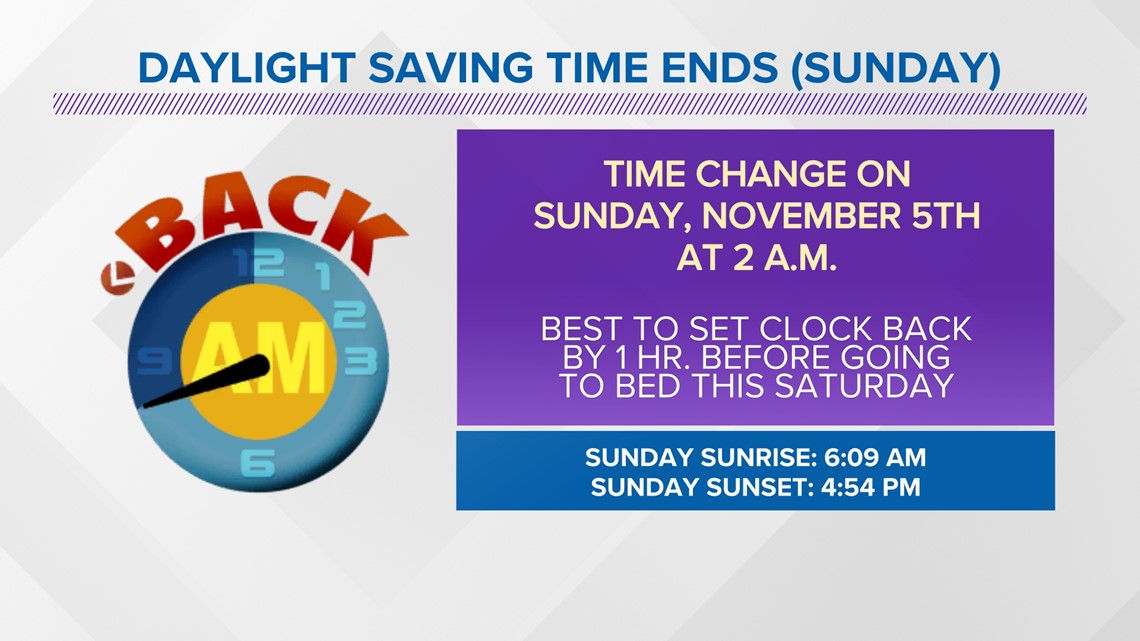
- Fall Back: On the first Sunday in November, clocks “fall back” by one hour at 2:00 AM local time. This means 2:00 AM reverts to 1:00 AM, effectively “gaining” an hour. This shift marks the return to PST, bringing earlier sunsets and brighter mornings. For visitors, this can mean an extra hour of rest before an early flight or an opportunity to enjoy a more leisurely morning before heading out to explore attractions like the Golden Gate Bridge or the Hollywood Walk of Fame.
These changes are typically handled automatically by smartphones, computers, and other smart devices, but traditional wall clocks and watches will need manual adjustment. It’s always wise to double-check official times closer to your travel dates, especially for crucial appointments.
A Brief History and the Debate Around DST in California
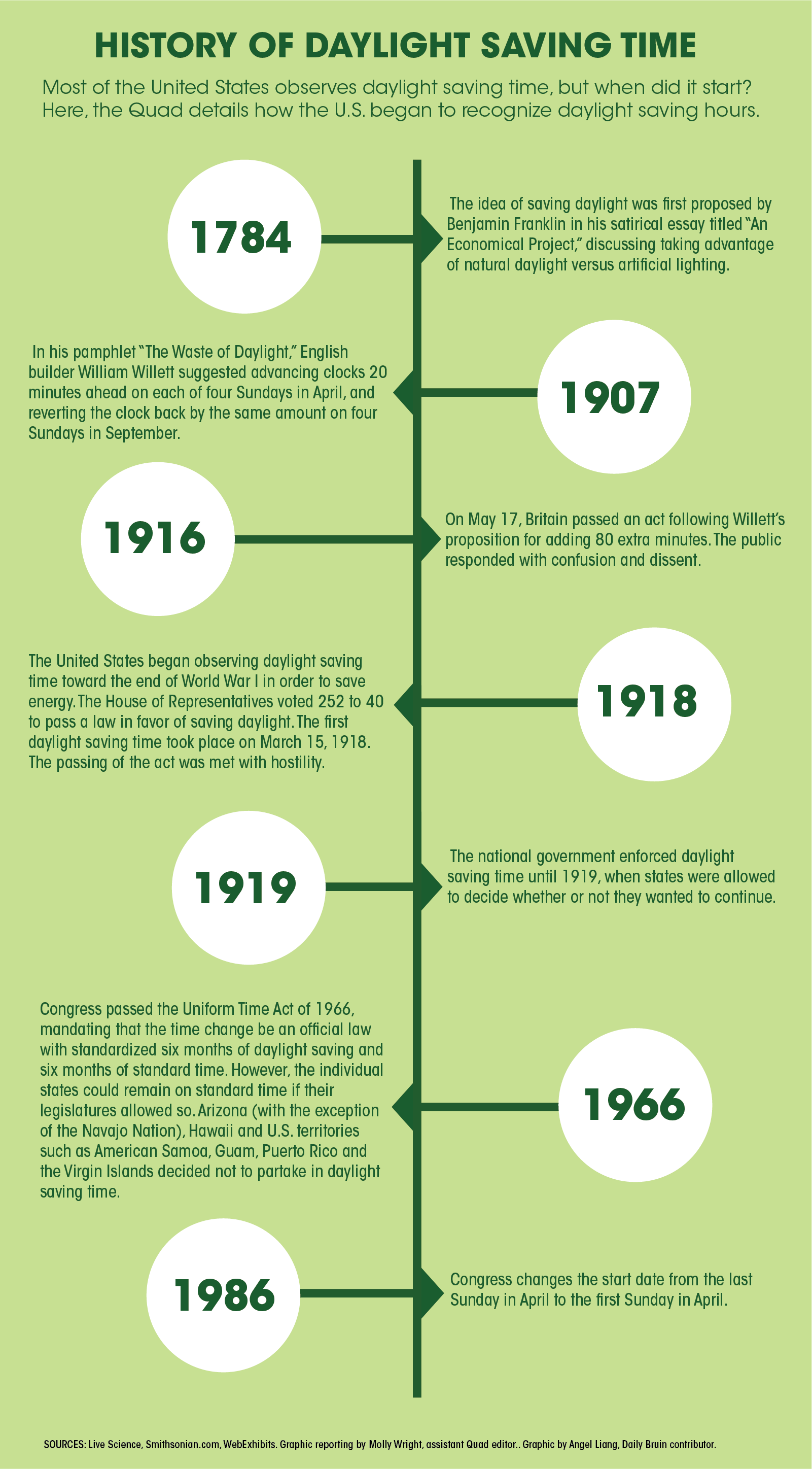
The concept of Daylight Saving Time originated in the early 20th century, primarily as a measure to conserve energy during wartime. In the United States, the Uniform Time Act of 1966 established the federal framework for DST, though states retain the ability to opt out (as Arizona and Hawaii have done).
California’s relationship with DST has been particularly interesting and remains a subject of ongoing debate. In 2018, California voters overwhelmingly passed Proposition 7, granting the state legislature the power to change or abolish Daylight Saving Time with a two-thirds vote. The intention behind Proposition 7 was primarily to move towards permanent Daylight Saving Time, meaning clocks would not “fall back” in November, effectively providing more evening daylight year-round.
However, implementing permanent Daylight Saving Time for California would require federal approval from the U.S. Congress, as it would mean the state would operate outside the standard Pacific Time Zone for half the year. The debate continues, with proponents citing potential benefits such as reduced energy consumption, fewer traffic accidents (due to better visibility during evening commutes), and improved public health (more daylight for outdoor activities). Opponents often highlight the disruption to sleep patterns, the coordination challenges with other states and industries, and the potential for darker winter mornings.
For now, California remains firmly within the DST tradition. Tourists and residents alike must continue to adjust their clocks biannually, experiencing the subtle shifts in daylight that shape daily life and travel itineraries throughout the year.
The Traveler’s Guide to California Time Changes
A time change, while a common occurrence, can introduce minor logistical hurdles for travelers if not anticipated. Thoughtful planning can transform potential confusion into a smooth and enjoyable travel experience in California.
Impact on Travel Plans and Logistics
When clocks shift, it’s not just about losing or gaining an hour; it affects a myriad of travel-related factors:
- Flights and Transportation: Perhaps the most critical impact is on flight schedules. While airlines and airports typically adjust their systems automatically, it’s paramount for travelers to reconfirm departure and arrival times, especially for flights scheduled around the 2:00 AM transition period. A “spring forward” could mean missing an early morning flight if you forget to adjust, while a “fall back” might lead to an unnecessarily early arrival at the airport. Similarly, train and bus schedules for inter-city travel (e.g., from Los Angeles to San Diego) should be verified.
- Accommodation Check-in/Check-out: Hotel policies are generally based on local time. If you’re checking in or out on the day of a time change, be mindful of how it might affect your schedule. An early check-in or late check-out might be impacted, so a quick confirmation with your hotel (Grand Hyatt Hotel, Four Seasons Resort, or a cozy Airbnb) can save you inconvenience. Remember that housekeeping schedules also shift.
- Attractions and Activities: Museums, theme parks, and tourist attractions (from the Getty Center to Universal Studios Hollywood) operate on fixed hours. While most will simply open and close according to the new local time, it’s worth checking their websites for any specific announcements, especially for tours that might have tight schedules or limited slots. Outdoor activities, like guided hikes in national parks or surf lessons on Santa Monica Pier, could see their start times subtly affected, potentially altering the amount of daylight available.
- Dining Reservations: For foodies with coveted reservations at California’s renowned restaurants, reconfirming your booking time after a clock change is a sensible precaution. An unexpected shift could lead to a missed reservation or an awkward late arrival.
- Body Clock Adjustment: For international travelers or those coming from states that don’t observe DST (like Arizona), the time change in California can add another layer to jet lag. Planning a relaxed first day can help your body adjust to the new local time.
Practical Tips for a Seamless California Trip
With a little foresight, navigating California’s time changes can be effortless, ensuring your focus remains on enjoying your journey:
- Before You Go: If your travel dates coincide with a DST transition, make a note of it. Verify flight, train, and bus schedules directly with the providers. Confirm hotel check-in/out times. Set a reminder to adjust any non-smart devices.
- During Your Stay: Most modern smartphones and digital devices automatically update to the correct local time. However, it’s good practice to ensure this setting is enabled. For analog watches or older devices, remember to manually adjust them before going to sleep on the night of the change. This proactive step prevents waking up to the wrong time and ensures you’re perfectly synchronized with local life.
- Embrace the Change: When clocks “spring forward,” embrace the longer evenings. This is prime time for enjoying sunsets over the Pacific Ocean, leisurely dinners al fresco, or exploring cityscapes as they light up. When clocks “fall back,” relish the extra hour in the morning. It’s a perfect opportunity for a sunrise stroll, an extra hour of sleep, or an unhurried breakfast before embarking on your day’s adventures.
- Communication is Key: If you’re coordinating with local friends, tour guides, or business associates, briefly confirm meeting times. A simple “Is that 10 AM after the time change?” can prevent misunderstandings.
- Consider Multi-State Itineraries: If your California trip includes neighboring states like Arizona, remember Arizona generally does not observe Daylight Saving Time. This means during Daylight Saving Time, Arizona is on the same time as California (PDT), but during Standard Time, Arizona is an hour ahead of California (PST). This seemingly minor detail can be crucial for road trips or connecting flights.
Lifestyle and Tourism Implications Beyond the Clock
Beyond the immediate logistical adjustments, Daylight Saving Time subtly reshapes the entire experience of visiting and living in California, influencing everything from peak tourist seasons to the rhythm of daily life.
How DST Shapes California Experiences
The presence or absence of Daylight Saving Time plays a role in defining the distinct charms of California across its seasons:
- Summer vs. Winter Tourism: The shift to PDT in March heralds the beginning of extended daylight hours that perfectly align with California’s outdoor appeal. Longer evenings encourage visitors to linger longer at beaches like Malibu, explore national parks well into the twilight, and enjoy outdoor dining experiences in Napa Valley or San Francisco. This extended daylight inherently supports the peak summer tourism season, allowing for more activities packed into each day. Conversely, the return to PST in November, with its earlier sunsets, shifts the focus towards cozy indoor attractions, winter sports in areas like Lake Tahoe, and festive holiday events that thrive under the early night sky.
- Outdoor Activities: The “spring forward” is a boon for outdoor enthusiasts. Hikers in the Sierra Nevada, surfers along the coast, and cyclists on scenic routes benefit from more daylight in the afternoons and evenings. This impacts the scheduling of adventure tours and encourages a more active lifestyle, which is a hallmark of California’s appeal. Even simple strolls through Balboa Park in San Diego feel more expansive with the added light.
- Photography and Aesthetics: For photographers, the extended “golden hour” in the evenings during PDT provides breathtaking opportunities to capture California’s iconic landscapes, from the vibrant sunsets of Laguna Beach to the dramatic cliffs of Big Sur. The quality of light during these longer evenings enhances the visual appeal of many landmarks, making them even more photogenic.
- Local Culture and Lifestyle: The shift in daylight hours influences the rhythm of local life. During PDT, there’s a collective sense of vitality and extended leisure. People stay out later, social events begin later, and the overall atmosphere is often more relaxed and expansive. When PST returns, there’s a natural shift towards earlier evenings, a feeling of retreat, and a focus on indoor gatherings, reflecting the seasonal changes that are part of the California experience.

The Future of Time in the Golden State
The debate over Daylight Saving Time in California is far from over. Following the passage of Proposition 7, the state legislature has explored various options, including adopting permanent Daylight Saving Time or moving to permanent Standard Time year-round. Any move to permanent Daylight Saving Time would require Congressional approval, a hurdle that has stalled similar efforts in other states.
Should California eventually abolish the biannual clock change, it would represent a significant shift. Permanent Daylight Saving Time would mean brighter evenings year-round, potentially further boosting evening tourism and outdoor activities, but also leading to very dark winter mornings. Conversely, permanent Standard Time would standardize mornings but reduce evening daylight during the summer months, which could impact industries reliant on those extended daylight hours.
For now, the traditional “spring forward” and “fall back” remain an intrinsic part of the California calendar. Travelers planning future visits should continue to monitor these discussions, as a potential change could alter the timing of their future experiences in the state.
In conclusion, understanding when California changes its clocks is a simple yet effective way to enhance your travel planning and overall enjoyment of the state. By being mindful of the biannual Daylight Saving Time shifts, you can ensure smooth transitions for flights and accommodations, maximize your time at attractions, and fully immerse yourself in the unique lifestyle and vibrant culture of the Golden State. Whether you’re chasing the sun’s last rays in spring or embracing the cozy evenings of fall, California always offers an unforgettable experience, timed perfectly for your adventure.