
The “monsoon” is a term that often conjures images of torrential downpours and dramatic weather events. While this holds true for many parts of the world, the Arizona monsoon season carries a unique character, deeply influencing the state’s landscape, tourism, and lifestyle. For travelers, locals, and anyone planning an adventure in the Grand Canyon State, understanding when this phenomenon begins is crucial for making the most of their experience, whether they are seeking thrilling outdoor activities or a relaxing retreat.
Arizona’s monsoon season isn’t a static, precisely defined date on the calendar. Instead, it’s a period characterized by a shift in prevailing wind patterns, bringing with it a distinct change in weather. This dramatic transformation is what makes the monsoon season so anticipated and, at times, challenging. It’s a time when the dry, arid climate of the Sonoran Desert gives way to a dramatic display of nature’s power.

Understanding the Arizona Monsoon
The Arizona monsoon season is a climatic event unique to the southwestern United States and northwestern Mexico. It is primarily driven by the southward shift of the North American Monsoon Ridge, which typically occurs in mid-summer. This shift allows moist air from the tropical Pacific Ocean and the Gulf of California to surge northward, interacting with the hot, dry air over the desert Southwest. The result is a dramatic increase in humidity, cloud cover, and, most importantly, thunderstorms.
The Meteorological Dance: From Dry Heat to Thunderstorms
For much of the year, Arizona experiences a dry, desert climate. Summers are notoriously hot, with temperatures frequently soaring above 100 degrees Fahrenheit (38 degrees Celsius) in cities like Phoenix and Tucson. However, as the summer progresses, a subtle yet significant change begins to take place. The relentless heat doesn’t necessarily dissipate immediately; instead, it becomes the fuel for the developing monsoon.
The key meteorological shift involves the direction of the wind. During the typical dry season, winds often blow from the dry interior of the continent. As the monsoon approaches, this pattern reverses, with moist air being drawn in from the south. This influx of moisture, combined with the intense daytime heating, creates the perfect conditions for convective thunderstorms. These storms are characterized by towering cumulonimbus clouds, heavy rainfall, lightning, thunder, and strong, gusty winds.
The Defining Characteristics: Rain, Dust, and Dramatic Skies
When the monsoon season officially arrives, the landscape of Arizona transforms. The most noticeable change is the increased frequency and intensity of rainfall. While the desert is known for its scarcity of water, monsoon storms can deliver substantial amounts of rain in short periods, often leading to flash floods. These downpours, while essential for replenishing the state’s water sources and nurturing desert flora, can also pose significant hazards.
Another hallmark of the monsoon is the prevalence of dust storms, often referred to as “haboobs.” These massive walls of dust and debris are formed by the outflow winds from collapsing thunderstorms. As these powerful winds sweep across the dry desert floor, they pick up vast quantities of sand and dust, creating awe-inspiring and sometimes dangerous conditions. Visibility can be reduced to near zero, and respiratory issues can be exacerbated.
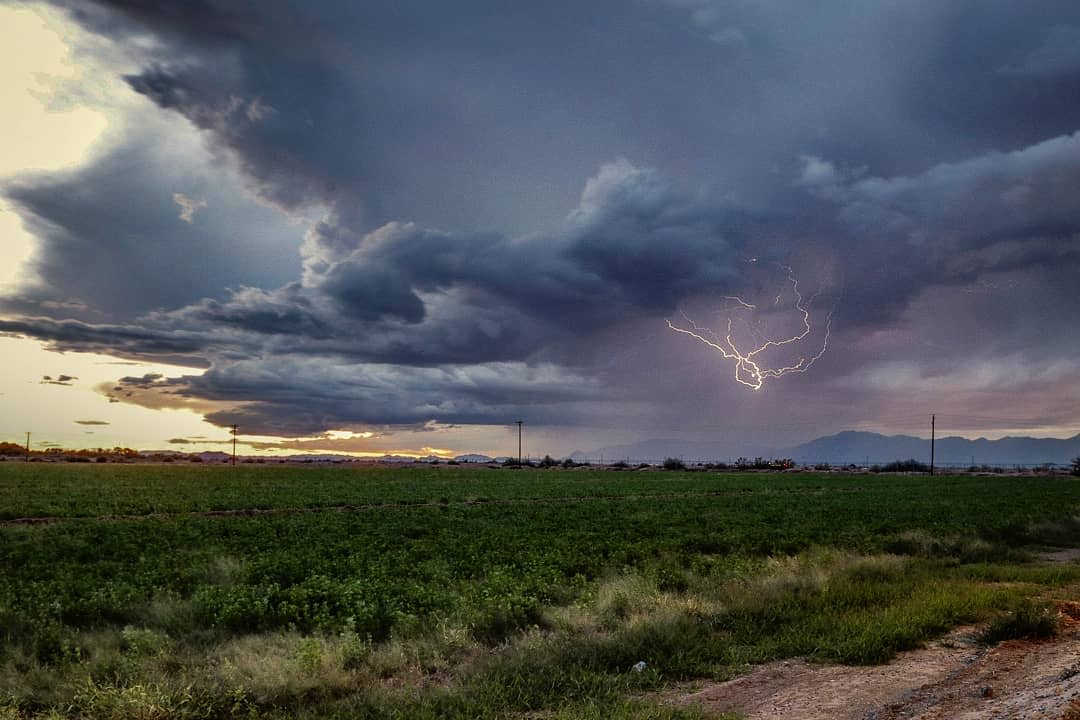
The visual spectacle of the monsoon is undeniable. The skies, often a brilliant, cloudless blue for much of the year, become a canvas for dramatic cloud formations. Towering thunderheads build throughout the day, often illuminated by the brilliant flashes of lightning. The sound of thunder can reverberate through the canyons, a powerful reminder of nature’s force.
When to Expect the Arizona Monsoon
Pinpointing the exact start date of the Arizona monsoon is a challenge because it’s a gradual phenomenon rather than a sudden switch. Meteorologists often look at a combination of factors to determine its onset.
The Typical Timeline: Mid-June to Mid-September
While there can be variations from year to year, the Arizona monsoon season generally spans from mid-June to mid-September. However, the intensity and timing can fluctuate. Some years, the monsoon may begin earlier, with the first significant thunderstorms appearing in late May or early June. In other years, it might be a more subdued affair, with the peak activity occurring later in July or August.
The initial signs of the monsoon’s approach often include a noticeable increase in humidity, even before the thunderstorms begin. The air can feel more “muggy,” and the heat might feel more oppressive. This buildup of moisture is the precursor to the dramatic weather events that follow.

Early Indicators and Peak Activity
The earliest widespread activity typically begins in the southern and eastern parts of Arizona, gradually moving northward and westward. By early July, most of the state is usually experiencing monsoon conditions, with increased thunderstorm activity becoming more common across major population centers like Phoenix, Tucson, and Flagstaff.
The peak of the monsoon season is often observed in late July and August. During this period, the thunderstorms can be most intense, with frequent lightning, heavy rainfall, and strong winds. The landscape truly comes alive during these months, with the desert floor blooming with ephemeral wildflowers after sufficient rainfall.
Navigating Arizona During Monsoon Season
The Arizona monsoon season presents a unique set of challenges and opportunities for travelers and residents alike. Understanding these nuances can significantly enhance your experience, whether you’re planning a desert adventure, a city break, or a stay in a luxury resort.
Travel Considerations and Safety Tips
For those planning travel to Arizona during the monsoon, it’s essential to stay informed about weather forecasts. The dramatic nature of monsoon thunderstorms means that conditions can change rapidly.
- Flash Floods: The most significant hazard associated with monsoon rainfall is flash flooding. Arid desert landscapes are not designed to absorb large amounts of water quickly. Washes and dry creek beds can transform into raging torrents in a matter of minutes. It is crucial to never attempt to cross flooded roadways or washes. The mantra “Turn Around, Don’t Drown” is paramount. Even shallow water can be deceptively powerful.
- Lightning: Arizona experiences some of the most intense lightning activity in the United States during the monsoon. Outdoor activities, especially those at higher elevations or in open areas like national parks, should be approached with caution. Seek sturdy shelter immediately when thunder is heard.
- Dust Storms: Haboobs can be a significant disruption. If a dust storm is approaching, it’s best to pull over to a safe location off the road, turn off your headlights, and wait for the storm to pass. If you are caught in a dust storm, it’s advisable to stay inside your vehicle with your windows rolled up.
- Driving Conditions: Visibility can be severely reduced during heavy rain and dust storms. Driving slower and increasing following distances is essential. Be aware of potential hydroplaning on wet roads.
- Outdoor Activities: Hiking and other outdoor pursuits can be particularly rewarding during and immediately after monsoon rains, as the desert comes alive. However, always check weather forecasts before heading out, and be prepared for sudden changes. Trails can become muddy and slippery, and visibility can be an issue. National Parks like the Grand Canyon National Park and the Saguaro National Park will have specific advisories for visitors.
The Blooming Desert: A Photographer’s Paradise
Despite the potential hazards, the monsoon season offers unparalleled photographic opportunities and a unique visual experience. The dramatic skies, the vibrant colors of the desert after rain, and the powerful thunderstorms create scenes that are both breathtaking and humbling.
The Sonoran Desert, typically a landscape of muted browns and greens, bursts into a spectacular display of color after the monsoon rains. The ephemeral wildflowers, like the iconic desert marigold and various species of cactus blooms, emerge in abundance. This “desert bloom” is a fleeting spectacle, making it a prime time for nature photographers.
For those staying in cities like Phoenix or Tucson, even urban landscapes can be transformed. The reflection of lightning in city lights, the dramatic clouds gathering over the mountains, and the sudden downpours can all be captured. Staying in a comfortable hotel with good views, such as the Arizona Biltmore, A Waldorf Astoria Resort, or a suite at a property like the JW Marriott Scottsdale Camelback Inn Resort & Spa, can provide a safe and comfortable vantage point to witness these events.
Lifestyle and Accommodation Choices
The monsoon season influences lifestyle choices and accommodation preferences in Arizona. For those who enjoy the dramatic weather and the subsequent revitalization of the desert, the monsoon is a welcomed period.
Luxury accommodations often offer amenities that cater to guests during all seasons. Resorts like Sanctuary Camelback Mountain, A Gurney’s Resort & Spa in Scottsdale might offer indoor pools, spa services, and fine dining that allow guests to enjoy their stay regardless of the weather outside. Many hotels also provide excellent viewing points for the dramatic skies.
For travelers on a budget, understanding the monsoon season can also be advantageous. While some outdoor activities might be limited during peak storm periods, the overall demand for tourism in Arizona can sometimes decrease during the hottest and wettest months, potentially leading to more affordable accommodation rates at places like the Hotel Congress in Tucson or various apartment rentals.
Families might find that while some outdoor excursions require extra planning, the excitement of thunderstorms can be an adventure in itself for children, provided safety precautions are strictly followed. Longer-term stays might involve balancing indoor activities with opportunistic outdoor excursions between storms.
In essence, the Arizona monsoon season is a testament to the dynamic and powerful nature of the desert environment. From its meteorological underpinnings to its impact on travel, tourism, and daily life, understanding when it starts and how to navigate it safely allows for a richer and more profound appreciation of the Grand Canyon State. Whether you’re a seasoned traveler or a first-time visitor, embracing the monsoon season, with its dramatic skies and revitalizing rains, is an unforgettable Arizona experience.
LifeOutOfTheBox is a participant in the Amazon Services LLC Associates Program, an affiliate advertising program designed to provide a means for sites to earn advertising fees by advertising and linking to Amazon.com. Amazon, the Amazon logo, AmazonSupply, and the AmazonSupply logo are trademarks of Amazon.com, Inc. or its affiliates. As an Amazon Associate we earn affiliate commissions from qualifying purchases.