
For travelers planning an adventure to the Golden State or residents simply navigating their daily routines, understanding California’s time changes is more than just a matter of setting clocks. It’s a crucial detail that can impact everything from flight schedules and hotel check-ins to the timing of your eagerly anticipated Disneyland Park visit or a sunset stroll along Santa Monica Pier. As one of many states in the United States that observes Daylight Saving Time (DST), California shifts its clocks twice a year, affecting millions and influencing the rhythm of life across its diverse landscapes. This article delves into the specifics of when and why California changes its time, offering practical advice for ensuring a smooth journey and an enjoyable lifestyle within this vibrant state.

Understanding California’s Daylight Saving Time Schedule
Daylight Saving Time is a practice of advancing clocks during warmer months so that darkness falls later in the evening, with the intention of saving energy by extending daylight. In California, this biannual ritual marks the transition between Pacific Standard Time (PST) and Pacific Daylight Time (PDT). Being aware of these shifts is fundamental for both short-term visitors engaging in tourism and long-term residents.
The Annual Rhythm: Spring Forward
Each year, California “springs forward” into Daylight Saving Time on the second Sunday in March. At 2:00 AM PST, clocks are advanced by one hour to 3:00 AM PDT. This means that residents and travelers effectively “lose” an hour of sleep on this particular night. While initially feeling disruptive, this change ushers in longer daylight hours in the evenings, a welcome shift for many who enjoy outdoor activities and extended sightseeing opportunities. From the bustling streets of Los Angeles to the scenic beauty of Lake Tahoe, the extra daylight encourages evening excursions, outdoor dining, and leisure time under the expansive California sky. For tourists, this translates to more daylight for exploring landmarks like the Golden Gate Bridge or enjoying an evening at Universal Studios Hollywood without feeling rushed by early sunsets.
The Annual Rhythm: Fall Back
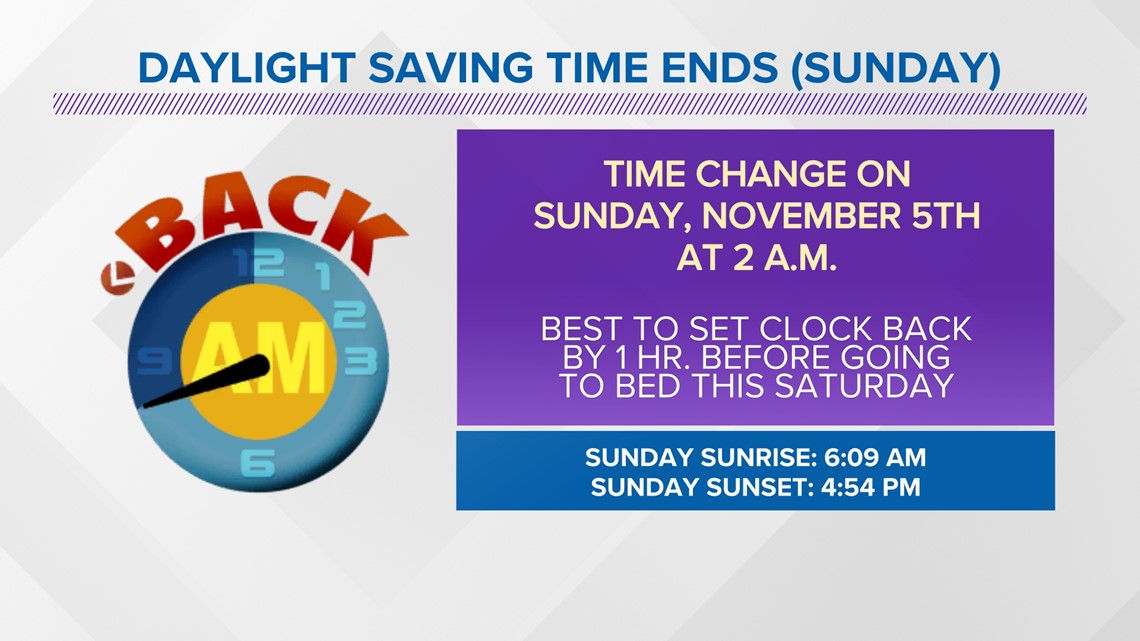
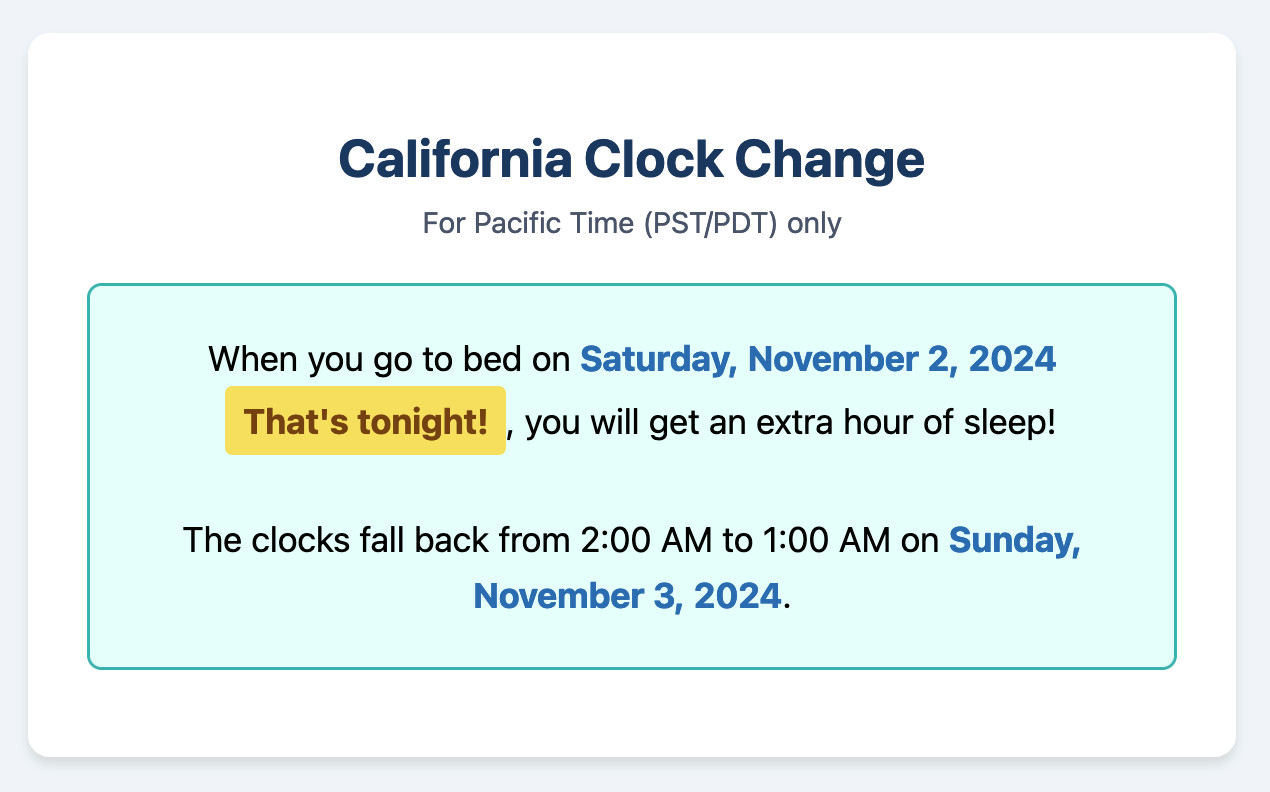
Conversely, California “falls back” out of Daylight Saving Time on the first Sunday in November. At 2:00 AM PDT, clocks are turned back one hour to 1:00 AM PST. This grants everyone an extra hour, making the morning feel brighter earlier, though evenings arrive sooner. While the prospect of gaining an hour of sleep is often appreciated, this shift signals the arrival of shorter days and longer nights, typical of the winter months. For those planning travel during this period, particularly around major holidays like Thanksgiving, it’s essential to remember that evening activities will need to be planned accordingly, as dusk will descend earlier. Whether you’re savoring the wine country in Napa Valley or exploring the vibrant Gaslamp Quarter in San Diego, adjusting your schedule to the earlier sunset becomes important for maximizing your daytime experiences.
Navigating Time Changes as a Traveler in California
The biannual time shift, though seemingly minor, can have a notable impact on travel plans and routines. Awareness and a bit of preparation can prevent potential hiccups and ensure a seamless journey across California’s diverse destinations.
Impact on Flight Schedules and Travel Itineraries
One of the most critical aspects for travelers is the effect on transportation schedules. While airlines, train services like Amtrak, and bus companies usually adjust their schedules to reflect the time change, it’s paramount for travelers to double-check their itineraries. A flight scheduled for 7:00 AM PST on the day clocks “spring forward” might effectively depart at what feels like 6:00 AM if your internal clock hasn’t adjusted, leading to potential delays or missed connections. Similarly, when clocks “fall back,” an early morning departure could feel even earlier. This is especially true for those with layovers or connecting flights within California or to other states. Always confirm departure and arrival times with your carrier in the days leading up to the time change, particularly if your journey coincides with the shift. Major airports like Los Angeles International Airport (LAX), San Francisco International Airport (SFO), and San Diego International Airport (SAN) are well-versed in these changes, but individual traveler vigilance is key.
Hotel Check-ins, Tours, and Attractions
Beyond transportation, the time change can subtly influence other aspects of your travel and accommodation plans. Hotel check-in and check-out times, pre-booked tours (such as a Hollywood studio tour or a wine tasting in Sonoma), and restaurant reservations are all tied to the local time. If you arrive at your resort in Palm Springs on the day clocks “spring forward” thinking you have an hour to spare before check-in, you might find yourself an hour behind schedule. Similarly, if your pre-arranged visit to Alcatraz Island is scheduled for 9:00 AM, it will start promptly at 9:00 AM local time, regardless of how your body clock is adjusting.
It’s advisable to factor in the time change when making critical bookings, especially those with strict schedules. Confirm the local time with your hotel or tour operator if you are unsure. Many accommodations, from boutique apartments in San Francisco to luxury villas in Big Sur, will clearly state their check-in/check-out policies, but a quick reminder to staff when you arrive can offer peace of mind.
Adapting to the Time Shift: Tips for a Seamless Experience
Adjusting to the time change, even a single hour, can be challenging for some, especially those prone to jet lag. For a smoother transition:
- Update Your Devices: Most smartphones, tablets, and computers automatically adjust for Daylight Saving Time. However, manual clocks (wristwatches, car clocks) will need to be changed.
- Gradual Adjustment: A few days before the change, try to incrementally shift your sleep schedule by 15-20 minutes each day.
- Prioritize Sleep: Get a good night’s rest on the eve of the change, especially when losing an hour.
- Stay Hydrated: Dehydration can exacerbate feelings of fatigue.
- Embrace the Light: Maximize exposure to natural light during waking hours and minimize it before bedtime to help regulate your body’s circadian rhythm.
- Flexibility is Key: Build a little buffer time into your itinerary for the day of the change, especially for critical appointments.
The Broader Implications for California Tourism and Lifestyle
Beyond the immediate practicalities for individual travelers, California’s adherence to Daylight Saving Time has broader implications for its vibrant tourism industry and the daily lifestyle of its residents.
Maximizing Daylight for Activities and Experiences
The primary benefit of DST, particularly in a state as amenity-rich as California, is the extension of usable daylight into the evening hours during spring, summer, and early autumn. This extended daylight is a boon for outdoor activities and experiences that are central to the California allure:
- Beach Life: Longer evenings mean more time for sunset watching, beach volleyball, or enjoying the cool ocean breeze along the Malibu coastline.
- Outdoor Dining: Restaurants with patios and rooftop bars thrive with the extra daylight, allowing patrons to enjoy meals and drinks under brighter skies.
- Attractions and Parks: Theme parks like Knott’s Berry Farm and state parks in Yosemite National Park can extend their operating hours, offering visitors more time to explore.
- Sports and Recreation: Evening golf rounds, hikes in the Santa Monica Mountains, and leisurely bike rides are more feasible and enjoyable.
- Festivals and Events: Many summer festivals and outdoor concerts in cities like San Francisco and Oakland leverage the extended daylight for vibrant evening programming.
Conversely, when clocks “fall back” in November, the earlier darkness can mean a shift in preferred activities. Indoor attractions, cozy restaurants, and winter sports in areas like Mammoth Lakes become more prominent. For budget travel, understanding these seasonal shifts can influence decisions on when to visit and what experiences to prioritize.
Historical Context and Future Debates
The debate over Daylight Saving Time is a perennial one, and California has been at its forefront. In 2018, California voters approved Proposition 7, which granted the state legislature the power to change DST by a two-thirds vote, and if Congress were to allow it, to establish year-round Daylight Saving Time. The intention was to potentially eliminate the biannual clock changes, aligning with movements in other states and even countries to adopt a permanent time.
Arguments for abolishing DST often cite potential health impacts (disruption of sleep patterns, increased risk of heart attacks and traffic accidents immediately after the “spring forward”), economic costs (confusion, logistical challenges for businesses), and questionable energy savings in the modern era. Conversely, proponents argue that DST promotes public safety (fewer accidents in daylight), boosts tourism and retail sales (more daylight for shopping and leisure), and benefits public health through increased physical activity.
As of now, California continues to observe Daylight Saving Time as per federal law. However, the legislative power granted by Proposition 7 means that the discussion is ongoing, and future changes are not out of the question, pending federal approval. For long-term visitors or those considering relocation, keeping an eye on these legislative developments could be relevant to their future lifestyle planning.
Lifestyle Adjustments for Residents and Long-Term Visitors
For residents and those on extended stays in California, the time changes are a familiar, if sometimes irritating, part of the annual rhythm. The “spring forward” can lead to a temporary feeling of fatigue or “mini-jet lag” as the body adjusts, impacting work productivity, school schedules, and family routines. Commutes, particularly in congested areas like San Jose or Sacramento, can feel different, with earlier darkness in the fall potentially affecting evening traffic.
On the other hand, the benefits of extended daylight during warmer months are often celebrated. Parents appreciate the extra outdoor play time for children, while individuals can pursue hobbies or exercise longer after work. The longer daylight supports a generally more active and outdoor-oriented lifestyle that many associate with living in California. When clocks “fall back,” the return to earlier sunrises can be welcome for early risers, even if it means earlier sunsets. Adapting becomes a natural part of living in the state, much like adjusting to its diverse microclimates.
Essential Preparation for Your California Visit During Time Changes
Whether you’re visiting for a quick weekend getaway or embarking on an extended California adventure, a little foresight regarding Daylight Saving Time can significantly enhance your experience.
Practical Tips for Travelers
To ensure your trip to California remains smooth and enjoyable, especially if it coincides with a time change:
- Double-Check All Bookings: Confirm flight, hotel, rental car, and tour times just before your travel date. Many online booking platforms automatically adjust, but it’s always safer to verify, especially with human-operated services.
- Set Reminders: Create calendar alerts or alarms to change manual clocks.
- Update Your Devices: Ensure your smartphone and other portable devices are set to automatically update their time zone and DST settings.
- Consider Early Arrival/Departure Buffers: If your travel schedule is tight, build in an extra hour buffer around the time change to account for potential disruptions or personal adjustment.
- Communicate with Providers: If you have special arrangements with your accommodation (e.g., late check-in) or a tour operator, mention the time change to avoid misunderstandings.
- Embrace the Change: While the initial adjustment can be a bit disorienting, focus on the benefits – whether it’s an extra hour of sleep or an extra hour of daylight to explore.
- Utilize Travel Guides: Consult up-to-date travel guides or local resources, which often provide tips for navigating seasonal changes.
In conclusion, California follows the national standard for Daylight Saving Time, springing forward in March and falling back in November. While these biannual shifts are a routine part of life for residents, they are an important consideration for travelers planning their destinations and experiences. By being aware of the schedule, understanding its potential impacts on travel logistics, and making minor adjustments to your routine, you can ensure that your visit to California is as smooth and enjoyable as the state’s iconic coastal drives. The debate around DST may continue, but for now, knowing “when California changes time” is an essential piece of knowledge for anyone wishing to immerse themselves fully in the Golden State’s offerings.
LifeOutOfTheBox is a participant in the Amazon Services LLC Associates Program, an affiliate advertising program designed to provide a means for sites to earn advertising fees by advertising and linking to Amazon.com. Amazon, the Amazon logo, AmazonSupply, and the AmazonSupply logo are trademarks of Amazon.com, Inc. or its affiliates. As an Amazon Associate we earn affiliate commissions from qualifying purchases.