
For many parents in California, the question of when child support obligations conclude is a significant one, marking a pivotal transition in family dynamics and financial planning. While the answer often appears straightforward—usually tied to a child reaching the age of majority—the reality can be more nuanced, influenced by specific circumstances, legal agreements, and the child’s individual needs. Understanding these intricacies is crucial for both paying and receiving parents to navigate this phase effectively, allowing them to recalibrate their lifestyles, financial strategies, and even future travel aspirations.
The journey of parenthood is filled with milestones, from first steps to graduation, each bringing new responsibilities and joys. The end of child support represents another such milestone, not just for the child but for the parents themselves. It can usher in a period of newfound financial flexibility for one, and a need for strategic budgeting for the other. For those who have diligently managed their finances throughout years of support, this transition can open doors to experiences previously put on hold, from exploring breathtaking destinations to enjoying extended stays at luxurious accommodations.
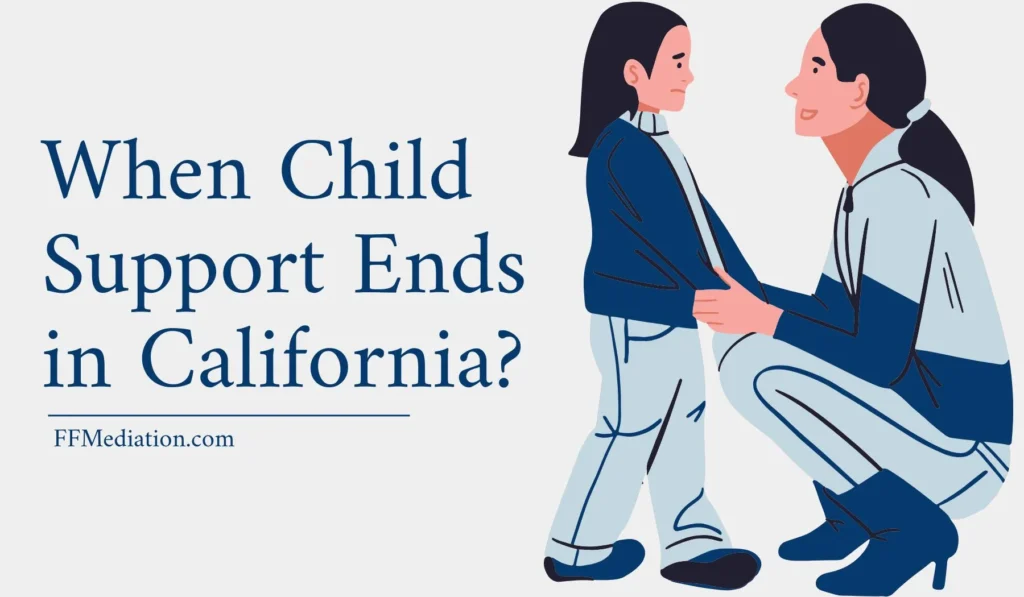
The Standard Termination Age: A Benchmark for New Beginnings
The cornerstone of child support termination in California is typically linked to a child reaching a specific age or achieving a particular educational status. This benchmark often signifies a child’s increasing independence and the parents’ evolving financial responsibilities. For many, this marks a new chapter, potentially freeing up resources for personal pursuits, including travel and lifestyle enhancements that align with the themes of a website like Life Out of the Box.
Reaching the Age of Majority: 18 and Beyond
In California, the general rule is that child support obligations cease when a child turns 18 years old. However, there’s a significant exception to this rule: if the child is still a full-time high school student and has not yet graduated, support generally continues until they turn 19 years old or graduate from high school, whichever occurs first. This extension acknowledges the ongoing need for parental support during a crucial period of educational development.
This age milestone is not merely a legal endpoint; it often triggers a re-evaluation of family budgets and individual financial goals. For parents who have been paying child support, the cessation can mean a substantial increase in disposable income. This newfound financial freedom might translate into opportunities for long-desired adventures, such as planning a dream trip to Hawaii or an extended tour of Europe. They might consider booking a stay at a luxury resort that was once out of reach or exploring diverse accommodation options, from a charming boutique hotel in Carmel-by-the-Sea to a vibrant suite in Tokyo.
Conversely, for receiving parents, the end of child support necessitates careful financial planning. This might involve exploring new income streams, adjusting household budgets, or seeking advice on investment strategies. While the direct financial support ends, the emotional support and guidance for their now-adult child remain. Many families find themselves in this transition period considering where their children might pursue higher education, leading to discussions about potential destinations like Los Angeles or San Diego for university, and the subsequent travel and accommodation needs for visits.
Understanding Emancipation: Beyond Age Milestones
Beyond reaching the age of 18 or 19, a child can also become “emancipated” under specific circumstances, which legally terminates child support obligations regardless of age or educational status. Emancipation signifies that a minor is legally recognized as an adult, capable of managing their own affairs and finances.
The primary ways a child can become emancipated in California include:
- Marriage: If a child legally marries, they are considered emancipated.
- Entering the Military: Enlistment in the armed forces also leads to emancipation.
- Court Declaration: A minor can petition the court for a declaration of emancipation if they are at least 14 years old, can prove they are living separate and apart from their parents, are managing their own financial affairs, and the declaration is in their best interest.
For parents, a child’s emancipation can bring an earlier-than-expected conclusion to child support payments. This change can have a profound impact on a parent’s lifestyle and financial outlook. Imagine the freedom to finally book that extended international travel adventure, perhaps a romantic escapade to Paris, or a long-term stay in a vacation rental in a new city. The removal of ongoing financial obligations can free up significant resources, allowing parents to invest more in their own well-being, explore new hobbies, or embark on a new chapter of personal exploration and travel. This shift aligns perfectly with a lifestyle focused on experiences, whether it’s navigating the bustling streets of New Orleans and staying in a historic hotel, or simply enjoying a relaxing weekend at a resort in Napa Valley.
Special Circumstances and Extended Support Considerations
While the general rules provide a clear framework, life is rarely one-size-fits-all. California law also accounts for special circumstances that may necessitate the continuation of child support beyond the standard age or, conversely, may lead to earlier termination. These specific situations ensure that the legal framework remains compassionate and responsive to diverse family needs, while also potentially impacting how families plan for long-term lifestyle and travel.
Children with Disabilities: A Lifelong Commitment
One of the most critical exceptions to the standard termination age involves children with disabilities. If an adult child is unable to be self-supporting due to a physical or mental disability that existed before they reached the age of majority, and they are still dependent on their parents for care, child support can be ordered to continue indefinitely. This provision recognizes the often lifelong care and financial burden associated with raising a child with significant special needs.
The legal process for seeking continued support for an adult child with disabilities typically involves demonstrating to the court the extent of the disability, the child’s inability to be self-supporting, and the ongoing need for parental care and financial assistance. This often requires comprehensive documentation, medical evaluations, and sometimes court hearings. For families navigating this situation, long-term financial planning is paramount, as it directly impacts their ability to provide a stable and enriching environment for their child, including accessible family getaways or specialized travel needs. A family might seek out an inclusive resort in Santa Barbara that caters to specific needs, ensuring that travel remains a possibility despite ongoing care requirements.
The continuation of support in such cases emphasizes a different kind of long-term commitment, where financial stability ensures quality of life. Parents may adjust their travel plans to include more accessible destinations or opt for accommodations that cater to specific needs, such as a ground-floor suite or a resort with specialized services. This consideration highlights how family responsibilities continually shape lifestyle choices, including the very nature of travel and accommodation.
Voluntary Agreements and Post-Secondary Education
It’s a common misconception that child support automatically extends to cover college expenses in California. By default, state law does not mandate that parents contribute to their adult children’s college education as part of child support. However, parents have the option to enter into voluntary agreements to provide financial assistance for post-secondary education.

These agreements are often established during the divorce or separation process, or even later, as children approach college age. They can cover a wide range of expenses, including tuition, housing, books, and living costs. Such agreements are legally binding if incorporated into a court order or settlement. If parents agree to support college expenses, it modifies the standard termination rules, meaning financial contributions for education may continue well past the child’s 18th or 19th birthday.
The decision to contribute to college education often involves significant financial planning. Parents might make joint decisions about which universities their child should attend, potentially involving visits to campuses across the state or even further afield, like the East Coast. These visits can turn into mini-trips, requiring parents to consider hotel bookings or even stays at a university hotel. The financial commitment to higher education can influence a parent’s ability to engage in luxury travel or extensive tourism, emphasizing a continued focus on family-centric financial decisions even after traditional child support ends. This aspect underscores the broader lifestyle implications of family agreements, extending parental influence and support beyond the basic legal requirements.
The Mechanics of Termination: What Parents Need to Do
While child support technically has an endpoint, the actual process of termination isn’t always automatic and can require proactive steps from parents. Understanding the legal mechanics is vital to ensure a smooth transition and avoid potential complications, such as accumulating arrears or unnecessary court involvement. These legal procedures can sometimes involve travel and logistical planning, particularly if parents reside in different cities.
Automatic Termination vs. Court Orders
In some cases, child support orders may explicitly state a termination date or event, such as the child’s 18th birthday or high school graduation. When this occurs, termination can be largely automatic, with the local child support agency or the court closing the case once proof of the event is received. However, it is crucial for both paying and receiving parents to verify the specific language of their existing court orders. Relying solely on the general rule without checking the order can lead to issues.
More often, especially if there are ongoing arrears or if the order is not perfectly clear, one of the parents may need to take formal action to terminate support. The paying parent typically initiates this by filing a “Motion to Terminate Child Support” with the court. This motion notifies the court and the other parent that the statutory grounds for termination have been met (e.g., the child has turned 18 and graduated high school). A court hearing may be scheduled to review the request, during which both parents can present evidence or arguments. Attending these hearings might require travel to a courthouse, perhaps in a city like Sacramento, which for some could mean an overnight stay in an unfamiliar city, requiring accommodation planning.
For parents, understanding whether their situation requires active intervention or will terminate automatically is a critical step in their financial and lifestyle planning. This includes anticipating potential travel for court proceedings, which, though not a leisure trip, still falls under the broad umbrella of logistical planning that can be found in a travel guide.
Dealing with Arrears and Unpaid Support
It’s important to unequivocally state that the termination of current child support obligations does not forgive any past-due child support (arrears). If a paying parent has accumulated arrears, those amounts remain legally owed and collectible even after the child support order for ongoing payments officially ends.
Collection methods for arrears can continue long after the child reaches adulthood, potentially impacting the paying parent’s credit, driver’s license, or even passport eligibility. For those dreaming of exploring the world and visiting landmarks like the Golden Gate Bridge or enjoying attractions like Disneyland, having outstanding arrears can significantly hinder these aspirations. The impact on credit scores alone can make it difficult to secure loans for large purchases, including luxury travel packages or long-term accommodation rentals.
Therefore, before the termination of child support, it is highly advisable for paying parents to ensure all arrears are paid in full or to establish a clear payment plan with the local child support agency or the receiving parent. Addressing arrears proactively is a critical step toward achieving true financial freedom and opening the door to unrestricted travel and lifestyle choices. This financial clarity can pave the way for future adventures, whether it’s a family vacation to Universal Studios Hollywood or a solo journey to a far-flung destination, staying at diverse accommodations from a Grand Hyatt Hotel to a rustic lodge.
Financial and Lifestyle Adjustments After Child Support Ends
The conclusion of child support payments ushers in a new financial landscape for both parents. This period of adjustment presents opportunities for recalibrating budgets, pursuing long-held dreams, and embracing new freedoms that can profoundly impact lifestyle choices, particularly concerning travel, tourism, and accommodation.
Recalibrating Budgets and Planning for the Future
For the paying parent, the cessation of child support often translates to a significant increase in disposable income. This newfound financial capacity can be transformative. It offers the chance to build savings, pay down debt, invest in retirement, or finally pursue those aspirational travel plans. Imagine the possibility of booking that cruise to the Caribbean or planning an extended stay at a luxurious property like The Venetian Las Vegas without the previous financial constraints. Many parents use this opportunity to plan more elaborate family trips, explore new destinations, or even consider long-term stays in different parts of the world. This is a moment to invest in experiences that enrich life and create lasting memories.
For the receiving parent, the end of child support necessitates a re-evaluation of household budgets and a potential adjustment to their lifestyle. This might involve exploring new career opportunities, enhancing existing skills, or finding creative ways to manage finances to maintain stability. While the direct payments stop, the financial skills honed over years of managing child support can be invaluable in this new phase. This adjustment might also involve exploring more budget-friendly travel options, perhaps discovering charming local attractions or taking advantage of off-peak travel deals. The focus might shift to finding cost-effective yet enriching experiences, proving that memorable journeys don’t always require lavish spending. For instance, exploring the vibrant culture of Beverly Hills through its free attractions can be just as rewarding as a more expensive excursion.
Embracing New Freedoms and Travel Opportunities
The “empty nest” phase, often coinciding with the end of child support, is a liberating time for many parents. With children grown and financial obligations shifting, there’s a unique opportunity to redefine personal goals and explore life’s next adventures. This freedom frequently manifests in an increased desire for travel and new experiences.
Couples might rediscover the joy of traveling together, embarking on romantic getaways or bucket-list trips they postponed while raising their family. They can explore new destinations, indulge in fine dining, or simply enjoy quiet retreats in stunning locations like Palm Springs. The type of accommodation they choose might also evolve, from family-friendly hotels to adult-only resorts or unique glamping experiences.
Individual parents, too, find new avenues for exploration. This could mean solo adventures, joining organized tours, or pursuing hobbies that involve travel, such as photography tours or culinary excursions. The ability to travel spontaneously, without the need to arrange childcare or coordinate with school schedules, opens up a world of possibilities. Whether it’s an extended backpacking trip through Southeast Asia, a volunteer vacation in South America, or a series of weekend getaways to explore different regions of California, the post-child support era often becomes a time of personal growth, exploration, and embracing a life filled with new experiences and diverse accommodations. The financial flexibility and freedom from daily parental responsibilities allow for a lifestyle truly “out of the box,” where the world becomes an accessible playground for discovery and enjoyment.
The end of child support in California is more than just a legal or financial event; it’s a significant life transition that reshapes family dynamics and individual futures. By understanding the legal timelines, addressing financial obligations, and strategically planning for the future, parents can confidently navigate this new chapter, opening themselves up to a world of possibilities, including exciting travel adventures and a redefined lifestyle.
LifeOutOfTheBox is a participant in the Amazon Services LLC Associates Program, an affiliate advertising program designed to provide a means for sites to earn advertising fees by advertising and linking to Amazon.com. Amazon, the Amazon logo, AmazonSupply, and the AmazonSupply logo are trademarks of Amazon.com, Inc. or its affiliates. As an Amazon Associate we earn affiliate commissions from qualifying purchases.