
Planning a trip to Colorado involves considering many factors, from weather patterns to seasonal activities. However, for many discerning travelers, understanding when Colorado schools start can be a critical, often overlooked, element in optimizing their vacation experience. The ebb and flow of academic calendars profoundly impact everything from crowd levels at popular attractions to the availability and pricing of accommodations, shaping the entire travel landscape of the Centennial State.
Understanding Colorado School Calendars and Their Variability
Unlike some states with highly standardized academic schedules, Colorado school start dates exhibit a degree of regional variability. While a general pattern emerges, specific districts and even individual schools within those districts can have unique calendars. Most public school districts in Colorado typically commence their academic year in mid to late August. Some may even stretch into the first week of September, especially if Labor Day falls early in the month.
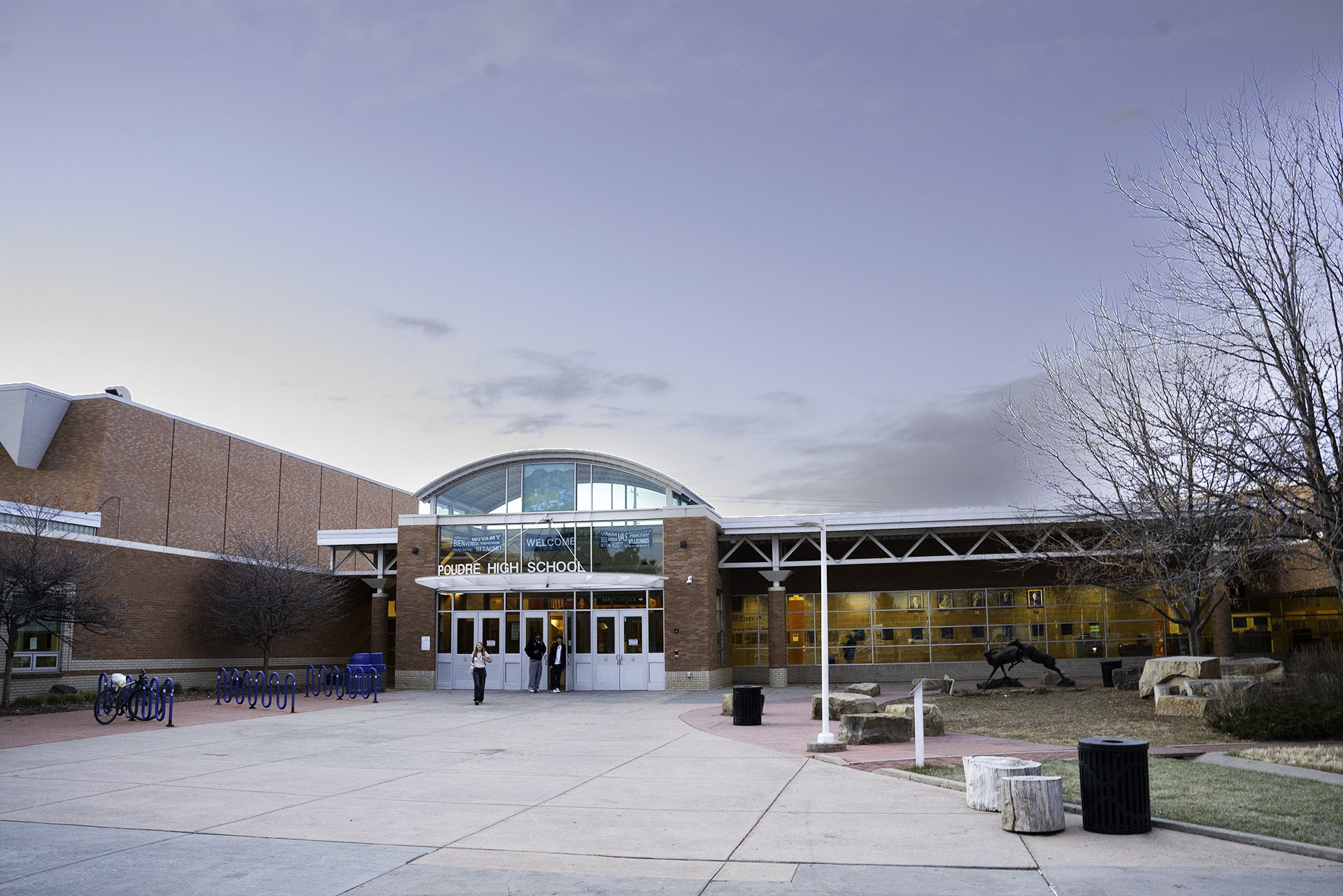
This nuanced timing means there isn’t a single, definitive “start date” for all of Colorado. Districts in major metropolitan areas like Denver, Colorado Springs, and Boulder often set the trend, with most starting between August 10th and August 25th. Rural districts or those in mountain communities might have slightly different schedules, sometimes starting earlier to accommodate longer breaks for agricultural work or late-season ski activities, though this is less common for the main academic year start. Private schools and charter schools also operate on their own independent calendars, which may or may not align with their public counterparts. For travelers, this means the end of the traditional summer travel season in Colorado is generally signaled by the third week of August, as the majority of students return to classrooms.
Navigating Peak vs. Off-Peak Travel Seasons
The commencement of the school year serves as a distinct marker, delineating the transition from Colorado’s bustling summer peak season to the more serene shoulder season. Travelers who strategically plan their visits around these academic shifts can unlock a more relaxed and often more affordable Colorado experience.
The Summer Rush: Before School Starts
Prior to mid-August, Colorado is firmly in its summer peak. Families from across the nation flock to the state, drawn by its majestic mountains, vibrant cities, and endless outdoor adventures. During this period, popular destinations like Rocky Mountain National Park, Garden of the Gods, and ski towns such as Aspen and Vail are teeming with visitors. Lodging rates are at their highest, restaurant reservations are essential, and trailheads can see significant congestion. Activities such as whitewater rafting, hiking, and exploring urban attractions are in full swing, but demand often outstrips supply, leading to a more competitive and sometimes less tranquil travel experience.
The Shoulder Season Advantage: After School Starts
As August draws to a close and Colorado schools reopen their doors, a palpable shift occurs. The shoulder season, extending through September and into early October, emerges as a prime window for those seeking a different kind of Colorado adventure. The exodus of school-aged children and their families means significantly reduced crowds at tourist hotspots. This period often boasts some of the state’s most pleasant weather—crisp, sunny days ideal for outdoor pursuits, coupled with cooler evenings perfect for cozy firesides. The vibrant fall foliage that blankets the mountains in late September also adds an unparalleled aesthetic appeal, drawing photographers and nature lovers. This quieter period allows for more spontaneous exploration, easier access to attractions, and a greater sense of peace and immersion in the natural beauty of Colorado.
Optimizing Your Colorado Vacation: Perks of Traveling During School Term
Choosing to visit Colorado when local schools are back in session offers a multitude of benefits that can enhance the overall travel experience, particularly for adults, couples, or families with pre-school children.
Reduced Crowds and Enhanced Serenity
Perhaps the most immediate and impactful benefit is the noticeable reduction in crowd levels. Popular attractions like Rocky Mountain National Park, Pikes Peak, and the historic districts of Denver and Boulder become much more accessible. Hiking trails are less congested, allowing for a more meditative connection with nature. Waiting times for popular scenic drives, gondolas in ski resorts like Vail, or entry into museums and cultural sites are dramatically shortened. This allows travelers to enjoy the state’s offerings at a more leisurely pace, without the pressure of peak season throngs.
Better Value and Availability
With the decline in demand, the travel industry in Colorado often adjusts its pricing. Accommodation rates—from luxury resorts in Aspen to charming bed and breakfasts in smaller towns—tend to be more favorable. Flights to Denver International Airport (DIA) and rental car prices can also see a dip. Furthermore, availability becomes less of a concern. Travelers can often book desirable hotels or unique vacation rentals with greater ease, sometimes even last-minute, and secure preferred dining reservations without extensive planning. This improved value makes a longer stay or a more luxurious experience a more attainable reality.
Unique Seasonal Experiences

The shoulder season also presents unique opportunities. The transition from summer to fall brings with it the spectacular display of fall foliage, particularly in areas like Kebler Pass near Crested Butte or along the Million Dollar Highway. Many Colorado towns host fall festivals and harvest events during September and October, celebrating local produce, arts, and crafts, often with a distinctly community-focused atmosphere rather than a purely tourist-driven one. The weather remains conducive to hiking, mountain biking, and even some high-altitude fishing well into October before the first significant snowfalls begin.
Family Travel Considerations: Planning Around Academic Calendars
While the benefits of traveling during the school term are clear for some, families with school-aged children face a different set of planning challenges. Balancing a desire for travel with educational commitments requires careful consideration.
Maximizing School Holidays
For families, the most opportune times to visit Colorado without disrupting school are during established breaks. Thanksgiving week, the two-week winter holiday break (late December to early January), and spring break (typically mid-March to mid-April) are popular windows. These periods, however, often coincide with increased demand and higher prices, especially at ski resorts like Breckenridge and Winter Park during the winter holidays and spring break. Planning well in advance is crucial for securing preferred accommodations and activities during these times.
The Educational Travel Approach
Some families opt for “educational travel,” where a trip is integrated into the learning process. Visiting Mesa Verde National Park to learn about ancestral Puebloans or exploring Dinosaur National Monument offers direct curriculum connections. While this might involve taking children out of school, many institutions offer policies for excused absences for educational purposes, provided the parents communicate and collaborate with teachers. This approach can allow families to experience the shoulder season’s benefits while enriching their children’s learning.
Summer Travel: Embracing the Energy
For families whose schedules strictly align with traditional summer breaks, embracing the peak season energy is key. Focus on popular family-friendly attractions like Elitch Gardens Theme & Water Park in Denver, the Royal Gorge Bridge & Park in Cañon City, or the Glenwood Hot Springs Resort in Glenwood Springs. Pre-booking everything from lodging to specific activities, arriving early at attractions, and utilizing less popular times of day can help mitigate the effects of crowds. Flexibility and a positive attitude are paramount to enjoying a vibrant summer Colorado vacation.
Seasonal Highlights and Activities Influenced by School Schedules
The academic calendar significantly influences which activities and experiences are most prevalent and enjoyable at different times of the year in Colorado.
Late Summer/Early Fall (Post-School Start)
This period, from late August through September and into early October, is arguably one of the most beautiful and enjoyable times to visit for those without school constraints. Hiking and mountain biking trails remain open and are less crowded, often bathed in comfortable temperatures and brilliant sunshine. Scenic drives through areas like the San Juan Mountains or along the Peak to Peak Scenic Byway offer breathtaking vistas of golden aspen trees. Fishing in Colorado’s rivers and high-alpine lakes is excellent, with fewer anglers on the water. Many towns also host lively Oktoberfest celebrations and art festivals during this time, providing cultural immersion without the peak season rush.
Winter (During School Term)
The winter months, generally November through April, align with the school year. While major holidays bring crowds, the weeks between these breaks offer fantastic opportunities for skiing and snowboarding with fewer people on the slopes. Mid-week visits to resorts like Steamboat Springs or Telluride can provide unparalleled experiences with shorter lift lines and better deals on accommodations. Other winter activities like snowshoeing, cross-country skiing, and exploring festive mountain towns are also more serene during these periods.
Spring (During School Term)
Spring in Colorado, particularly in April and May before the influx of summer visitors, is a time of transition. Lower elevation areas begin to green, wildflowers emerge, and urban attractions in Denver and Colorado Springs are less busy. This is an excellent time for cultural exploration, visiting museums, or enjoying city parks. Mountain areas are still emerging from winter, offering a unique mix of spring skiing at higher elevations and early-season hiking on lower trails. The shoulder season pricing and reduced crowds persist, making it an appealing time for adult travelers.
By understanding the subtle yet significant impact of Colorado’s school calendar, travelers can make informed decisions that align with their preferences for crowd levels, budget, and desired experiences, ultimately crafting a more enjoyable and memorable journey through this magnificent state.
LifeOutOfTheBox is a participant in the Amazon Services LLC Associates Program, an affiliate advertising program designed to provide a means for sites to earn advertising fees by advertising and linking to Amazon.com. Amazon, the Amazon logo, AmazonSupply, and the AmazonSupply logo are trademarks of Amazon.com, Inc. or its affiliates. As an Amazon Associate we earn affiliate commissions from qualifying purchases.