
Louisiana’s culinary identity is deeply intertwined with its vibrant culture, and no dish embodies this more than crawfish. These freshwater crustaceans, often referred to as “mudbugs,” are the stars of countless boils, festivals, and family gatherings across the Pelican State. For any traveler with a palate for authentic Louisiana experiences, understanding the seasonality of crawfish is crucial. Knowing when the season peaks and when it wanes can elevate a trip from a mere visit to an immersion in local life. So, when exactly does crawfish season end in Louisiana? The answer, like much of Louisiana’s charm, is nuanced and influenced by a delightful cocktail of nature and tradition.
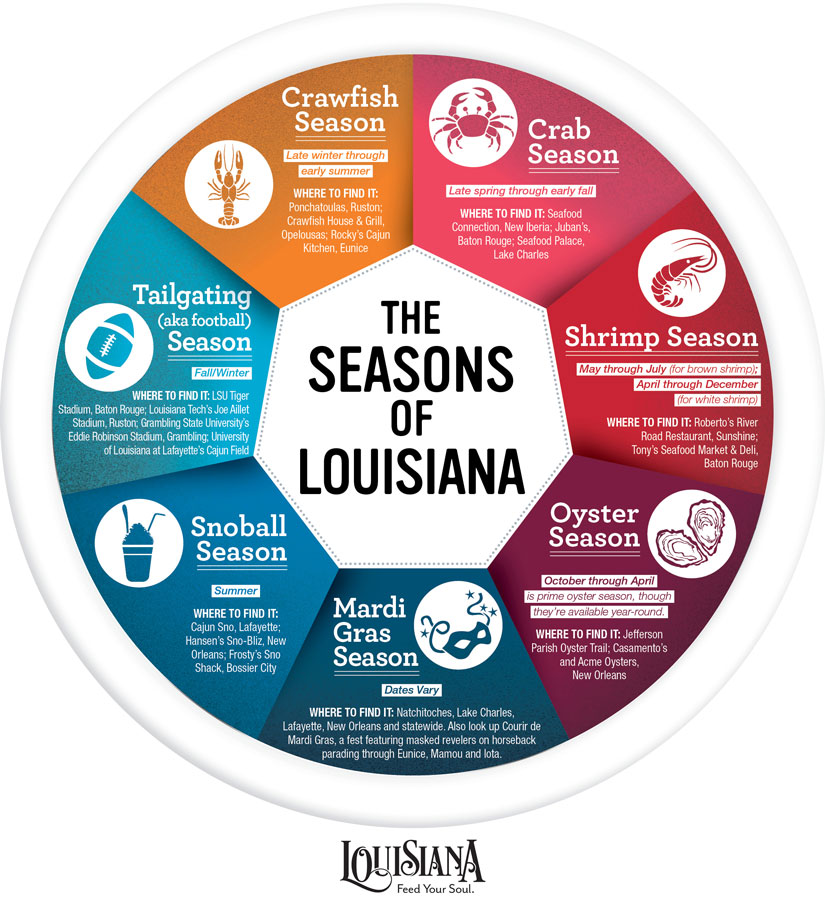
The crawfish season in Louisiana is a dynamic period, largely dictated by weather patterns, water levels, and the biological cycles of the crawfish themselves. While there’s no single, definitive end date that applies to every year and every region within the state, the general consensus points to the latter half of spring and the early weeks of summer.
The Nuances of Louisiana Crawfish Season
The crawfish season in Louisiana typically begins in the cooler months of late autumn or early winter, with the peak harvest usually occurring between March and May. During these prime months, the demand for crawfish is at its highest, and you’ll find them abundant in restaurants, markets, and, of course, at backyard boils. However, as the weather heats up, several factors contribute to the winding down of the season.
Factors Influencing the End of Crawfish Season
Several interconnected elements dictate the duration and intensity of Louisiana‘s crawfish season. Understanding these factors provides a clearer picture of why the season has a natural ebb and flow.
Water Temperatures and Water Levels
Crawfish are cold-blooded creatures, and their activity and reproduction are heavily influenced by water temperature. As Louisiana experiences its sweltering summer months, the water in their natural habitats and aquaculture ponds begins to warm significantly. This warming trend can impact crawfish metabolism, making them less active and thus harder to catch. Furthermore, fluctuating water levels, especially during the hotter, drier periods, can create less hospitable environments for crawfish. Droughts can reduce the available habitat and concentrate crawfish, making them more susceptible to predators or disease, while excessive rainfall can lead to flooding, which can wash away young crawfish or disrupt their feeding patterns.
Crawfish Biology and Reproduction
The life cycle of a crawfish plays a significant role in determining the end of the season. Crawfish typically mate in the fall, and females carry their eggs attached to their swimmerets until they hatch in late winter or early spring. The young crawfish then grow and mature throughout the spring. As the season progresses into summer, many of the larger, mature crawfish will have already completed their reproductive cycle. This natural life stage, coupled with increased predation from birds, fish, and other animals attracted by the warmer weather, leads to a decline in the population available for harvest. The focus shifts from abundant mature crawfish to younger ones that may not yet be of marketable size.
Aquaculture Practices and Pond Management
A significant portion of Louisiana‘s crawfish is farmed in dedicated aquaculture ponds. Pond owners and managers closely monitor water quality, temperature, and population dynamics. As summer approaches, maintaining optimal conditions for crawfish becomes more challenging and less economically viable. The cost of managing ponds, dealing with increased algae blooms in warmer water, and the declining catch rates often lead farmers to conclude their harvest operations. While some late-season crawfish might still be available from certain farms, the widespread, abundant supply typically diminishes as June approaches.
Experiencing the Peak of Crawfish Season
While the question is about when the season ends, it’s equally important for any visitor to Louisiana to know when to plan their trip to experience the absolute best of crawfish season. The months of March, April, and May are generally considered the golden period. During this time, the weather in Louisiana is typically pleasant, making it ideal for enjoying outdoor activities like crawfish boils.
Where to Enjoy Louisiana’s Crawfish
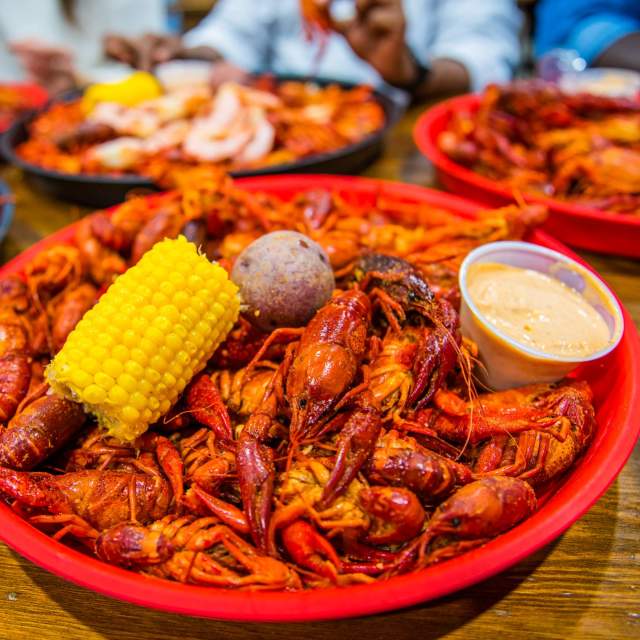
Louisiana offers a smorgasbord of locations and venues where one can indulge in this local delicacy. Whether you’re in the bustling heart of New Orleans, the vibrant capital of Baton Rouge, or the charming bayou towns of Lafayette or Breaux Bridge, you’ll find crawfish being celebrated.
Restaurants and Eateries
From upscale restaurants featuring innovative crawfish dishes to humble, roadside shacks serving up classic boiled crawfish, the options are endless. In New Orleans, iconic spots like Casamento’s Restaurant (though known for oysters, their seasonal offerings often include crawfish) or countless neighborhood joints in the French Quarter and beyond will be serving them up. Baton Rouge boasts its own array of dedicated crawfish houses. For a truly authentic experience, venturing into the Acadiana region, the heartland of Cajun culture, is highly recommended. Towns like Lafayette and Breaux Bridge are practically synonymous with crawfish boils and are excellent places to explore.
Festivals and Events
Louisiana loves a good festival, and crawfish season is no exception. Throughout the spring, numerous towns and communities host crawfish festivals, celebrating the crustacean with food, music, and family-friendly activities. The Breaux Bridge Crawfish Festival, held annually in May, is one of the most famous, drawing thousands of visitors to indulge in all things crawfish. Other smaller, community-focused events pop up across the state, offering a more intimate glimpse into local traditions. Attending one of these festivals provides an unparalleled cultural immersion and, of course, access to heaps of delicious crawfish.
Personal Boils and Markets
For the adventurous traveler or those seeking a truly hands-on experience, purchasing live crawfish from local markets and organizing your own boil is a quintessential Louisiana activity. Markets across the state will be stocked with fresh, live crawfish during the season. This allows you to experience the entire process, from selecting your mudbugs to seasoning them to perfection in a traditional boil. Many vacation rentals or Louisiana accommodations might even offer outdoor cooking facilities, perfect for hosting your own crawfish feast.
Beyond the Season: What to Expect
While the peak crawfish season might conclude in late spring or early summer, it doesn’t mean the end of crawfish entirely. The availability and quality will change, but the spirit of crawfish celebration lingers.
Transitioning Through the Summer Months
As the mercury climbs and the traditional crawfish season winds down, the supply of fresh, live crawfish begins to dwindle. However, some establishments may continue to offer crawfish dishes, often utilizing frozen crawfish which can still be quite flavorful. The focus might shift from whole boiled crawfish to dishes where crawfish is an ingredient, such as crawfish etouffee, crawfish bisque, or crawfish pasta. These dishes remain popular year-round and are a delicious way to enjoy the flavor of crawfish even when fresh, live catches are scarce.
Frozen Crawfish and Specialty Dishes
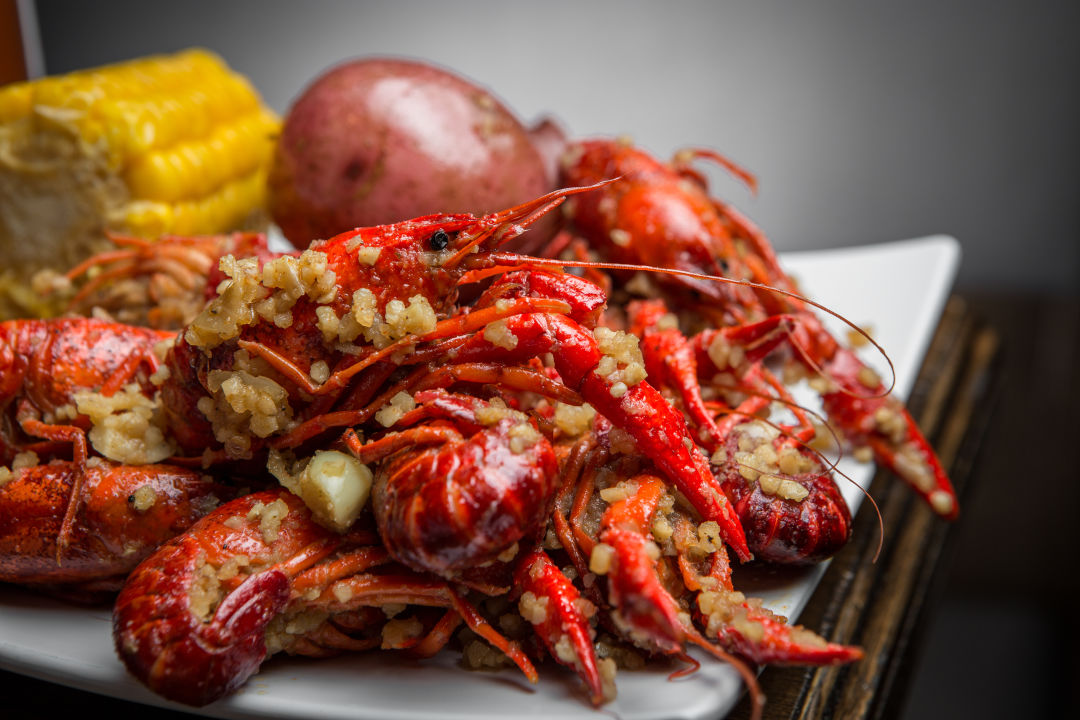
The availability of frozen crawfish means that the taste of Louisiana can be enjoyed in some form throughout the year. While many purists will argue that nothing beats a fresh, boiled crawfish caught within the season, frozen crawfish can still provide a delightful culinary experience. Chefs in New Orleans, Baton Rouge, and other culinary hotspots will continue to feature crawfish in their signature dishes. These preparations often involve rich sauces and complex flavor profiles where the crawfish complements the other ingredients.
Alternative Seafood and Local Delicacies
For travelers visiting Louisiana outside of the peak crawfish season, there are still plenty of other delicious local seafood options to explore. Louisiana’s bounty extends far beyond crawfish, encompassing an incredible array of fresh shrimp, oysters, crab, and fish. Exploring dishes like shrimp and grits, oyster po’boys, or fresh Gulf fish prepared in the distinctive Louisiana style will offer a rich taste of the state’s culinary heritage. The emphasis on fresh, local ingredients remains paramount, ensuring a memorable gastronomic journey regardless of the season.
Ultimately, while the peak of crawfish season in Louisiana is a distinct period typically ending in late May or early June, the culinary influence and the spirit of this beloved crustacean resonate throughout the year. For travelers, understanding this seasonality is key to planning the perfect trip, one that aligns with the vibrant boils, lively festivals, and unparalleled gastronomic adventures that Louisiana is famous for. So, mark your calendars for spring, but remember that the flavor of Louisiana is always in season.
LifeOutOfTheBox is a participant in the Amazon Services LLC Associates Program, an affiliate advertising program designed to provide a means for sites to earn advertising fees by advertising and linking to Amazon.com. Amazon, the Amazon logo, AmazonSupply, and the AmazonSupply logo are trademarks of Amazon.com, Inc. or its affiliates. As an Amazon Associate we earn affiliate commissions from qualifying purchases.