
The question of when Daylight Saving Time (DST) will permanently end in California is a recurring one, stirring debate among residents, businesses, and, crucially, the millions of travelers who visit the Golden State each year. While it might seem like a simple matter of adjusting clocks, the intricacies of timekeeping have significant implications for planning itineraries, enjoying attractions, and immersing oneself in the unique California lifestyle. For those seeking to explore California’s destinations, book accommodations, or simply understand the rhythm of local life, the ongoing legislative dance around DST is more than just a trivial detail – it’s a potential factor in travel logistics and experience.
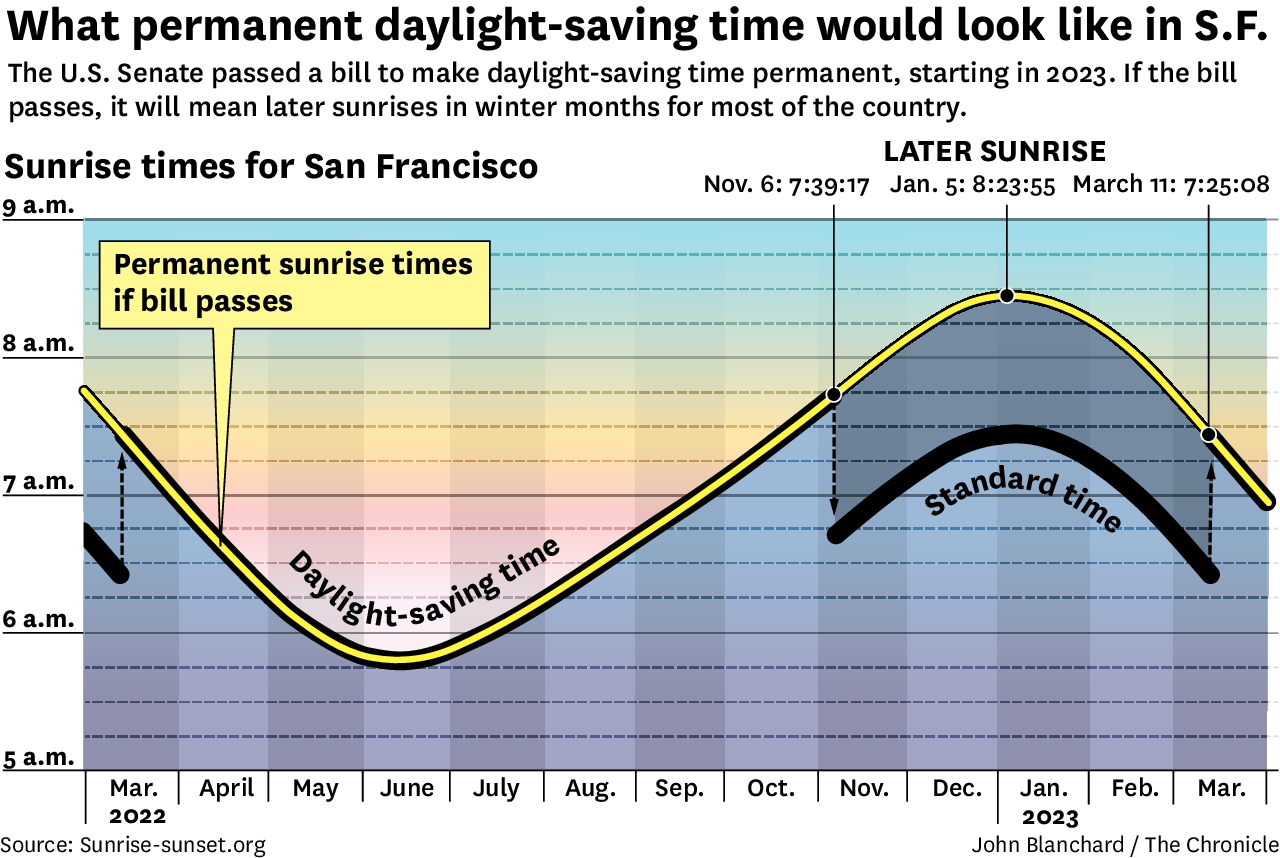
Despite popular sentiment and even a state-level vote, California has not yet permanently ended DST. The state continues to observe the annual “spring forward” and “fall back” clock changes. The push for a permanent change stems from various arguments, including health concerns related to sleep disruption, energy saving debates, and the general inconvenience of the biannual switch. For travelers, the consistency of a fixed time zone can simplify everything from catching a flight at Los Angeles International Airport to timing a visit to the Golden Gate Bridge at sunset. This article delves into the journey of California’s efforts to abolish DST, its potential impacts on the vibrant tourism sector, and what visitors need to know when planning their adventures in this diverse state.
The Quest for Permanent Standard Time in California
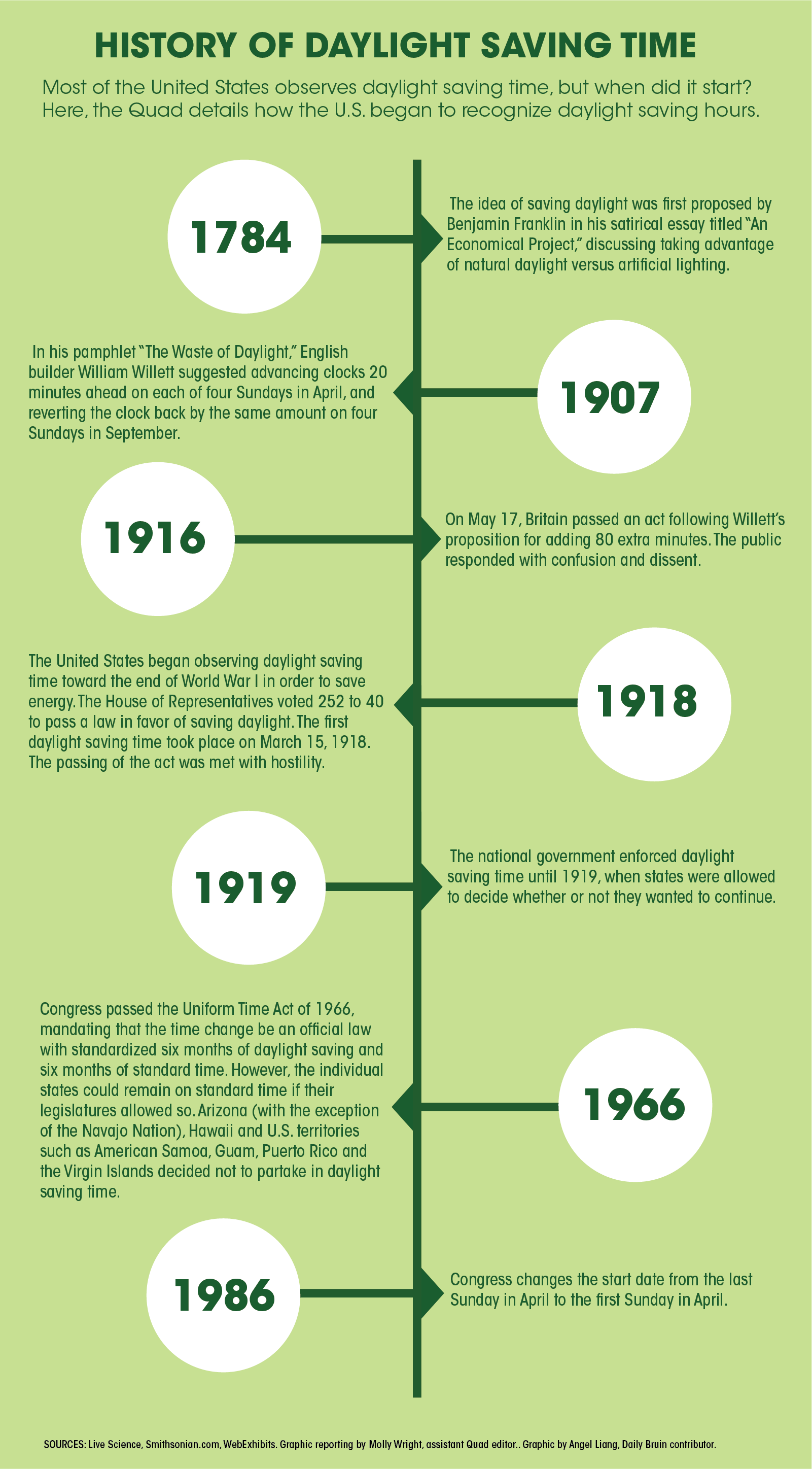
The desire to cease the ritual of changing clocks twice a year has deep roots in California, reflecting a broader national conversation. The state has been at the forefront of legislative efforts to either permanently adopt Daylight Saving Time or, more commonly, permanent Standard Time. The complexity lies in the federal regulations that govern time zones, requiring states to navigate both local sentiment and national law.
Proposition 7 and Its Aftermath
The most significant stride California made toward ending DST was in November 2018 with the passage of Proposition 7. This ballot measure, overwhelmingly approved by nearly 60% of voters, gave the California State Legislature the authority to modify DST, including establishing permanent year-round DST or returning to year-round Standard Time. However, Proposition 7 did not, by itself, end DST. It simply cleared the path for lawmakers to act.
For any permanent change to take effect, especially adopting year-round DST, it would require an act of the United States Congress. Under federal law, states can choose to opt out of DST and remain on Standard Time permanently (as Arizona and Hawaii have done), but they cannot unilaterally establish year-round Daylight Saving Time. This federal hurdle has been the primary obstacle for California, despite the clear mandate from its citizens. The aim of Proposition 7 was to provide the state with flexibility, but that flexibility remains constrained by federal statute. This has led to frustration among many who believed their vote in 2018 would bring about an immediate and lasting change to the time-switching tradition.
Legislative Efforts and Federal Hurdles
Following the passage of Proposition 7, several bills have been introduced in the California State Legislature to implement a permanent time change. For instance, Assembly Bill 7 (AB 7) was introduced in 2019, seeking to establish year-round DST, conditional on federal approval. This bill, like others that followed, faced the same federal wall. Proponents argue that year-round DST would align with modern lifestyles, providing more daylight in the evenings for recreation, commerce, and tourism, which is particularly appealing for a state renowned for its outdoor activities and vibrant nightlife. Opponents, however, advocate for year-round Standard Time, citing potential issues with darker winter mornings for schoolchildren and commuters.
At the federal level, the Sunshine Protection Act has repeatedly been introduced in the U.S. Congress, seeking to make Daylight Saving Time permanent nationwide. This bill has passed the Senate on occasion, but has consistently stalled in the House of Representatives, preventing it from becoming law. If the Sunshine Protection Act were to pass, California would likely be quick to adopt year-round DST, fulfilling the intent of Proposition 7. Until then, the state remains in a holding pattern, continuing to observe the biannual clock changes, which means travelers must remain aware of these shifts when planning their visits.
Impact on Travel and Tourism in the Golden State
The ongoing debate and the current status of Daylight Saving Time in California have tangible implications for the travel and tourism industry. From flight schedules to the timing of theme park visits, clock changes can subtly yet significantly influence a traveler’s experience. For a state that thrives on its allure as a premier global destination, any factor affecting convenience and enjoyment is a critical consideration.
Planning Your California Getaway
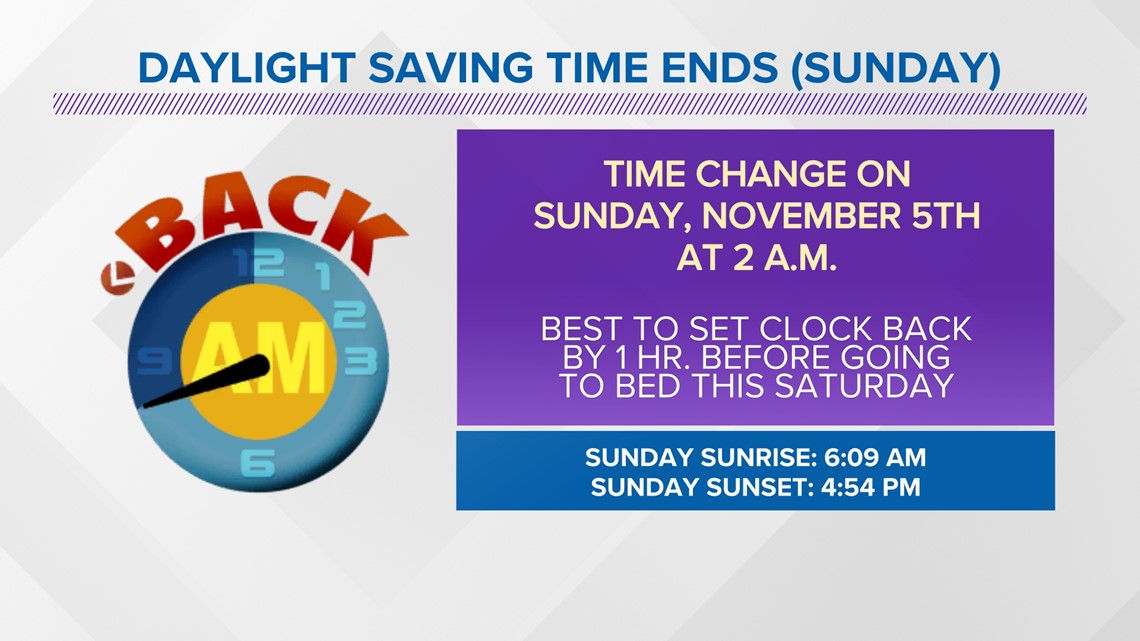
For travelers, the most immediate impact of DST comes with planning itineraries. When “springing forward” in March, an hour of morning daylight is lost, shifting it to the evening. Conversely, “falling back” in November adds an hour to the morning but shortens evening daylight. This directly affects the perception of available time for exploration. Imagine planning a sunrise hike in Yosemite National Park or a sunset viewing from Griffith Observatory in Los Angeles. The exact time of these natural phenomena shifts with DST, requiring visitors to adjust their schedules accordingly.
For those flying into California, especially from international destinations or other time zones, the clock changes can compound jet lag or create confusion with connecting flights. While airlines and booking platforms generally account for DST, individual travelers must still be mindful of the precise dates of the change. Consistency in timekeeping would simplify travel planning, making it easier to coordinate arrival and departure times, as well as pre-booked activities and tours across California’s vast landscapes, from the bustling streets of San Francisco to the serene vineyards of Napa Valley.
Embracing the Californian Lifestyle
A permanent time change, particularly to year-round Standard Time, could fundamentally alter the rhythm of daily life and, by extension, the tourist experience. If California were to adopt year-round DST (which is the more popular legislative aim), it would mean brighter evenings year-round. This could boost outdoor activities, evening events, and nightlife, which perfectly aligns with the California lifestyle of enjoying the outdoors. Tourists could spend more time on California’s beaches, exploring city districts like Hollywood or Fisherman’s Wharf, or dining al fresco well into the evening.
However, if the state were to revert to permanent Standard Time, winter afternoons would see earlier sunsets. While this might encourage earlier dining and indoor cultural activities in places like the Getty Center or the California Academy of Sciences, it could also shorten perceived leisure time for outdoor enthusiasts. The Golden State’s appeal lies in its diverse offerings, from surf lessons in San Diego to skiing in Lake Tahoe. A consistent time framework would allow both locals and visitors to better synchronize their daily routines with the natural light, maximizing enjoyment of California’s numerous attractions.
Operational Considerations for Hospitality and Attractions
For hotels, resorts, and tourist attractions across California, DST changes introduce operational complexities. Businesses must adjust their internal clocks, scheduling for staff, and opening/closing hours to align with the new time. While this is a routine annual adjustment, a permanent shift would simplify these processes, eliminating the need for biannual reconfigurations.
Major attractions like Disneyland Park in Anaheim or Universal Studios Hollywood in Universal City meticulously plan their operating hours, parades, and showtimes. A consistent time standard would allow them to maintain stable schedules, which benefits guests planning their visits and purchasing tickets in advance. Similarly, hotels, whether a luxury resort in Beverly Hills or a boutique hotel in Sonoma, manage check-in/check-out times, restaurant reservations, and activity bookings. Eliminating DST would reduce potential confusion for both staff and guests, streamlining the customer experience and ensuring seamless service. The tourism sector thrives on predictability, and a permanent time setting would certainly enhance that.
Exploring California’s Timeless Destinations
Regardless of the ongoing debate surrounding Daylight Saving Time, California remains an unparalleled travel destination, offering an incredible array of experiences that transcend the clock. From iconic landmarks to breathtaking natural wonders and vibrant urban centers, the Golden State’s appeal is truly timeless.
Iconic Landmarks and Natural Wonders
California’s landscape is dotted with world-renowned natural and man-made marvels that captivate visitors year-round. The sheer grandeur of Yosemite National Park with its towering granite cliffs, giant sequoias, and majestic waterfalls like Yosemite Falls, draws millions seeking connection with nature. Further south, the dramatic coastline of Big Sur offers some of the most scenic drives in the world along Highway 1, with vistas that evoke awe. Inland, the serene beauty of Lake Tahoe provides a playground for both summer water sports and winter skiing, surrounded by the stunning Sierra Nevada mountains.
In terms of man-made landmarks, the Golden Gate Bridge in San Francisco stands as an engineering marvel and a symbol of California. Its iconic orange towers are a must-see, whether viewed from a boat on the bay or from the scenic overlooks. In Los Angeles, the Hollywood Sign looms large, representing the dreams and glamour of the entertainment industry. Each of these sites offers a unique experience, regardless of the time of year or the time on the clock, beckoning travelers to explore their enduring beauty and significance.
Urban Adventures and Cultural Immersion
Beyond its natural beauty, California’s cities are vibrant hubs of culture, innovation, and entertainment. San Francisco charms visitors with its hilly streets, historic cable cars, and diverse neighborhoods. From the bustling Fisherman’s Wharf and the notorious island of Alcatraz to the vibrant Mission District and the artistic enclave of Sausalito, the city offers endless opportunities for exploration and culinary delights.
Los Angeles, the sprawling metropolis, offers a different kind of urban adventure. Here, visitors can walk among the stars on the Hollywood Walk of Fame, explore the world-class museums along Museum Row, or soak up the sun on the famous beaches of Santa Monica and Venice Beach. The city’s diverse districts offer everything from high-end shopping on Rodeo Drive to the creative energy of the Arts District.
Further south, San Diego offers a relaxed coastal vibe with its beautiful beaches, world-renowned San Diego Zoo in Balboa Park, and historic Gaslamp Quarter. Each city presents a unique facet of California’s cultural tapestry, ensuring that travelers will find rich experiences whether they are seeking luxury travel, budget-friendly adventures, or family trips.
Tips for Travelers Navigating Time Zones and Travel Planning
While the debate over Daylight Saving Time continues, current travelers to California must still contend with its biannual shifts. However, with a little preparation and awareness, these changes need not disrupt an otherwise incredible journey through the Golden State.
Staying Informed
The best defense against travel snafus related to time changes is to stay informed. Always check the exact dates for “spring forward” and “fall back” in California (and your home destination) if your travel dates fall around these periods. Official government websites or reputable news sources will provide the precise information. For any potential legislative changes, keep an eye on federal and state news. While a permanent end to DST would likely come with significant advance notice, being aware of the ongoing discussion ensures you’re never caught off guard. This proactive approach applies to all aspects of travel planning, from booking hotels to arranging tours.
Optimizing Your Itinerary
When planning your California itinerary, particularly during the transition weeks of DST, consider how the shift in daylight hours might affect your plans. If you’re “springing forward,” expect an earlier sunset, which might mean moving sunset-dependent activities (like dining with a view over San Francisco Bay or a coastal drive along Big Sur) to an earlier time slot. Conversely, “falling back” means darker evenings but brighter mornings, perhaps encouraging earlier starts for museum visits or theme park openings.
For those arriving from distant time zones, particularly across multiple time changes, the added shift of DST can exacerbate jet lag. Give yourself an extra day to adjust upon arrival, especially if you have an important activity planned early in your trip. Consider booking accommodations with amenities that support relaxation and sleep, such as blackout curtains or quiet rooms, which many California resorts and hotels proudly offer.
Maximizing Your California Experience
Ultimately, the beauty and diversity of California can be enjoyed regardless of the timekeeping system. Embrace the changing light! If it’s a “spring forward” month, plan a longer evening stroll through Balboa Park or catch a show in Hollywood. If it’s a “fall back” period, take advantage of the brighter mornings for an early hike in Joshua Tree National Park or a quiet breakfast overlooking the ocean in Santa Barbara.
Many of California’s attractions cater to a wide range of schedules. Check their official websites for the most current operating hours, especially if you’re visiting seasonal attractions or specific events. Whether you’re indulging in fine dining in San Francisco, exploring the Redwood forests of Northern California, or relaxing by a pool at a Palm Springs resort, California’s appeal is constant. A flexible attitude and a little foresight will ensure your trip is as seamless and memorable as the state itself.
In conclusion, while the question “When does Daylight Savings Time end permanently in California?” remains without a definitive “never,” the state continues its legislative pursuit, dependent on federal action. For now, travelers should factor in the biannual clock changes into their plans. However, these minor adjustments are a small price to pay for the unparalleled travel experiences that await in one of the world’s most dynamic and beautiful destinations. California’s vibrant cities, stunning natural landmarks, and diverse cultural offerings ensure that it remains a top choice for any itinerary, clock changes or not.
LifeOutOfTheBox is a participant in the Amazon Services LLC Associates Program, an affiliate advertising program designed to provide a means for sites to earn advertising fees by advertising and linking to Amazon.com. Amazon, the Amazon logo, AmazonSupply, and the AmazonSupply logo are trademarks of Amazon.com, Inc. or its affiliates. As an Amazon Associate we earn affiliate commissions from qualifying purchases.