
For outdoor enthusiasts and seasoned hunters alike, Alabama offers a premier destination for pursuing white-tailed deer. The state’s diverse landscapes, from its northern mountains to its southern coastal plains, provide varied habitats that support robust deer populations, making it a popular choice for hunting tourism. Understanding the intricate calendar of hunting seasons is paramount for anyone planning a visit, ensuring a successful and compliant experience within the Heart of Dixie. Navigating these regulations is key to maximizing your trip, whether you’re a first-time visitor or a returning sportsman looking to immerse yourself in Alabama’s rich outdoor heritage.
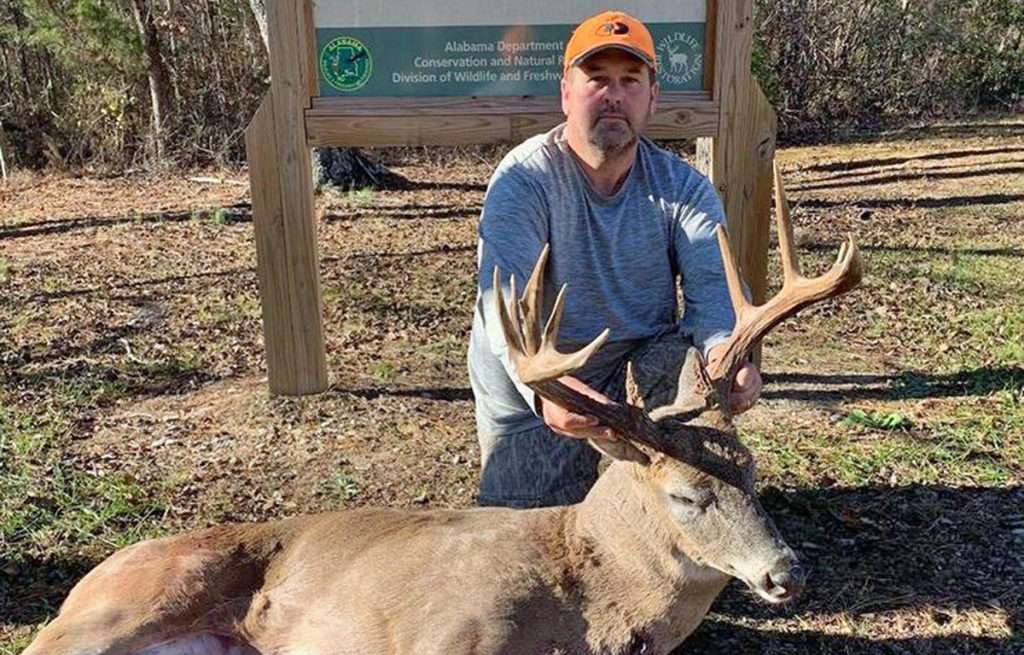
Understanding Alabama’s Deer Hunting Seasons
Alabama’s deer hunting seasons are meticulously structured to ensure sustainable wildlife management and offer various opportunities for hunters utilizing different methods. The Alabama Department of Conservation and Natural Resources (ADCNR) is the primary authority, setting forth regulations that delineate specific dates for archery, muzzleloader, and gun hunting across multiple zones. This structured approach helps maintain healthy deer populations while providing ample recreational opportunities. For tourists, this means careful planning is essential, as season dates can vary significantly based on location and preferred hunting weapon.
Key Dates for White-tailed Deer
The general framework for Alabama’s deer season typically begins in mid-October for archery and extends through late January or early February for gun season. However, these are broad strokes, and precise dates are crucial. Archery season often opens around October 15th and runs concurrently with other seasons until the end of the calendar hunting period. Muzzleloader season usually has specific windows, often falling in late November and parts of December. Gun season, the most popular, generally kicks off in late November or early December and concludes in late January or early February. The exact closing date for the general deer season in Alabama typically falls on January 31st for Zones 1, 2, and 3, and February 10th for Zone 4. These dates are critical for any tourist planning their visit and should always be cross-referenced with the current year’s official ADCNR regulations, as minor adjustments can occur annually.
Regional Zone Variations
Alabama is divided into four primary deer hunting zones, each with slightly different opening and closing dates and specific regulations regarding antlered and unantlered deer. These zones reflect variations in deer population dynamics, habitat conditions, and management goals across the state.
- Zone 1: Primarily covers the northern and central parts of the state, typically adhering to the January 31st end date.
- Zone 2: Encompasses portions of central and eastern Alabama, also generally concluding on January 31st.
- Zone 3: Spans parts of the western and southwestern regions, again with a common January 31st end date.
- Zone 4: This zone, primarily comprising counties in the extreme southern and coastal plains, often has an extended season, concluding on February 10th. This extended period can be particularly attractive for tourists who miss earlier windows or prefer hunting in milder late-winter conditions.
Understanding which zone your intended hunting ground falls into is non-negotiable for compliance and successful trip planning. These zonal differences underscore the importance of consulting detailed maps and regulations provided by the ADCNR prior to booking any travel or accommodation.
Archery, Muzzleloader, and Gun Seasons
The type of weapon you choose dictates your specific hunting window.
- Archery Season: Typically the longest season, often opening in mid-October and extending through the general season close (January 31st or February 10th depending on zone). This provides ample opportunity for bowhunters to experience the state’s wilderness.
- Muzzleloader Season: These shorter, distinct periods often fall within the broader gun season, allowing hunters using traditional black powder firearms a specific window of opportunity, usually in late November and again in December.
- Gun Season: The most popular and often busiest period, gun season typically opens in late November or early December and runs until the close of the general deer season in each respective zone. This is when the majority of deer hunting tourism occurs in Alabama, attracting hunters from across the nation seeking the thrill of the hunt.
Each method offers a unique experience, and hunters often plan their visits around these specific windows based on their preference and skill set. Tourists should consider the type of hunting experience they desire when selecting their travel dates.
Planning Your Hunting Trip: Essential Tourism Tips
Embarking on a hunting trip to Alabama requires more than just knowing the season dates; it demands meticulous planning to ensure a smooth, enjoyable, and compliant experience. For tourists, navigating state regulations, choosing the right time, and potentially securing professional assistance are crucial steps. A well-planned trip enhances not only the hunting success but also the overall tourism experience, allowing visitors to appreciate Alabama’s hospitality and natural beauty fully.
Licensing and Permits for Out-of-State Visitors
One of the first and most critical steps for any non-resident hunter is obtaining the appropriate licenses and permits. Alabama requires all hunters, including out-of-state visitors, to possess a valid hunting license. Non-resident licenses are available in various durations, typically for a season, or shorter periods like three-day or seven-day options, catering to different trip lengths. In addition to a general hunting license, hunters often need a Deer Privilege License and a Wildlife Management Area (WMA) license if they plan to hunt on public lands. All licenses can typically be purchased online through the ADCNR website or at authorized license vendors across the state. It is imperative to purchase these before arriving to avoid delays and ensure legal compliance from day one. Failing to secure the correct permits can result in significant fines and jeopardize your entire trip.
Choosing the Right Time to Visit
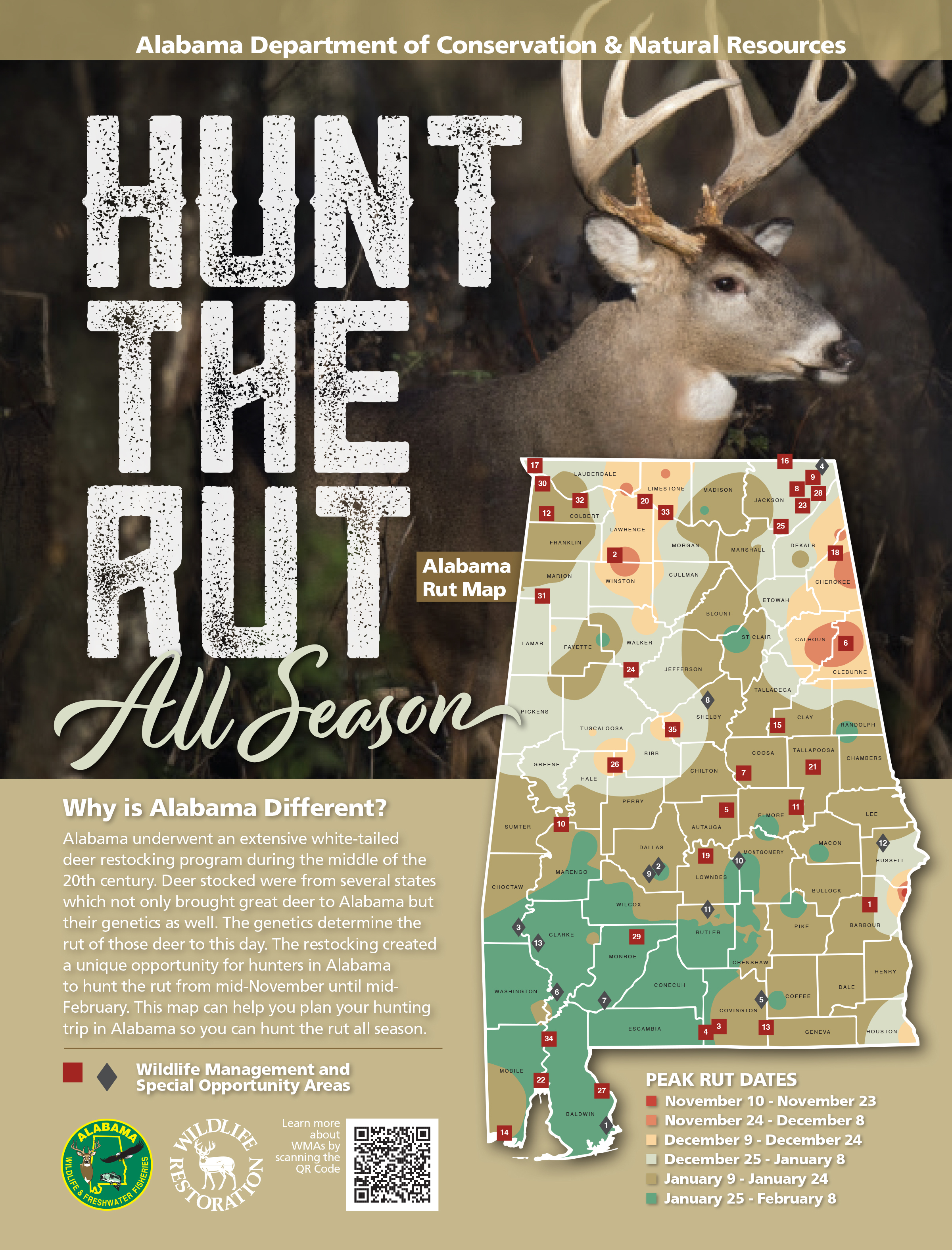
While the season dates dictate when you can hunt, the “right” time to visit depends on your hunting goals and preferences.
- Early Archery Season (October-November): Offers pleasant weather, less hunting pressure, and an opportunity to spot deer before they become highly pressured. However, bucks may still be in bachelor groups, and rut activity is minimal.
- Pre-Rut/Rut (Late November-Mid December): Often considered the prime time for trophy white-tailed deer. This period sees increased deer movement as bucks begin to chase does. Hunting pressure is typically higher during this window.
- Late Season (Late December-February): Features colder weather, which can make deer more active in search of food. Hunting pressure might decrease slightly after the holidays, offering a more serene experience. However, deer can be warier due to sustained hunting pressure.
- Zone 4 Extension (Early February): For those seeking an extended hunt or milder conditions, the Zone 4 extension offers a unique opportunity after most other areas have closed. This period can provide excellent opportunities, especially if you enjoy hunting in less crowded environments.
Considering weather patterns, holiday crowds, and specific deer behavior phases (like the rut) is vital when selecting your travel dates.
Guided Hunts and Outfitters
For many out-of-state tourists, especially those unfamiliar with Alabama’s terrain and regulations, hiring a reputable hunting outfitter or guide can significantly enhance the experience. Outfitters often provide access to private, well-managed lands, expert local knowledge, and services ranging from lodging and meals to game processing and transport. They are invaluable for understanding local deer patterns, effective hunting strategies, and ensuring compliance with all state laws. When selecting an outfitter, tourists should research reviews, check references, inquire about success rates, and ensure they are licensed and insured. Many outfitters offer diverse packages, from fully guided hunts to semi-guided options, allowing hunters to choose a service level that suits their budget and preference. Engaging a professional guide not only increases your chances of a successful harvest but also transforms the trip into a seamless, stress-free outdoor adventure.
Beyond the Hunt: Exploring Alabama’s Outdoor Tourism
A deer hunting trip to Alabama can be much more than just the hunt itself. The state offers a wealth of natural attractions and cultural experiences that can perfectly complement your outdoor adventure, enriching your overall tourism experience. Integrating these elements can turn a focused hunting trip into a comprehensive exploration of Alabama’s diverse offerings.
Natural Attractions and Wildlife Viewing
Alabama is rich in biodiversity and natural beauty. For tourists, opportunities for wildlife viewing, hiking, and exploring pristine environments abound. Areas like the Bankhead National Forest in northern Alabama offer stunning canyons, waterfalls, and a chance to see diverse wildlife beyond deer. The Talladega National Forest provides scenic drives and numerous hiking trails, especially beautiful during the fall and winter months. The Mobile-Tensaw Delta, often called “America’s Amazon,” is a vast wetland ecosystem offering incredible opportunities for birdwatching, kayaking, and exploring by boat. Even outside designated hunting areas, the state’s abundant state parks and wildlife refuges provide serene settings to appreciate Alabama’s natural heritage. Incorporating a day or two for exploration can provide a refreshing break from the intensity of hunting and offer memorable family-friendly activities.
Local Culture and Culinary Experiences
Alabama’s rich Southern culture and culinary scene are integral to the tourism experience. After a day in the field, tourists can immerse themselves in local flavors and hospitality. From vibrant cities like Birmingham and Montgomery with their award-winning restaurants to charming small towns offering authentic Southern comfort food, there’s something for every palate. Sample classic BBQ, fresh Gulf seafood, or traditional Southern meat-and-three plates. Many towns also boast historical sites, vibrant music scenes, and local festivals that can provide a cultural counterpoint to your outdoor activities. Visiting local farmers’ markets, craft breweries, or antique shops offers a taste of local life and supports regional businesses. Engaging with the local culture not only provides a deeper understanding of the destination but also creates lasting memories beyond the pursuit of game.
Responsible Tourism and Conservation
As a tourist engaging in deer hunting, embracing responsible practices is not just about compliance; it’s about contributing positively to the environment and local communities. Sustainable tourism ensures that these valuable resources remain for future generations of hunters and wildlife enthusiasts.
Adhering to Regulations
The bedrock of responsible hunting is strict adherence to all state and local regulations. This includes understanding bag limits (how many deer, antlered vs. unantlered, per day/season), legal shooting hours, weapon restrictions, and land access rules. The ADCNR publishes comprehensive guides annually, which are indispensable resources for any hunter. Tourists should study these regulations thoroughly and not hesitate to ask local authorities or their guides for clarification. Ethical hunting practices, such as proper shot placement and respectful game recovery, are also paramount. By upholding these standards, tourists help maintain the integrity of Alabama’s hunting traditions and ensure the health of its deer populations.
Supporting Local Communities
Hunting tourism significantly impacts Alabama’s rural economies. Tourists contribute by purchasing licenses, staying in local accommodations, dining at local restaurants, buying supplies from small businesses, and hiring local guides and outfitters. Choosing to support these local enterprises directly benefits the communities that often host hunting activities, creating jobs and fostering economic growth. Furthermore, a portion of hunting license fees directly funds conservation efforts, habitat restoration, and wildlife management programs within the state. By being a responsible and engaged tourist, you play a vital role in preserving Alabama’s natural beauty and the hunting opportunities it offers. Your visit extends beyond the thrill of the hunt; it becomes an investment in the long-term sustainability of a cherished outdoor tradition.
LifeOutOfTheBox is a participant in the Amazon Services LLC Associates Program, an affiliate advertising program designed to provide a means for sites to earn advertising fees by advertising and linking to Amazon.com. Amazon, the Amazon logo, AmazonSupply, and the AmazonSupply logo are trademarks of Amazon.com, Inc. or its affiliates. As an Amazon Associate we earn affiliate commissions from qualifying purchases.