
Understanding Alabama’s Deer Hunting Calendar for Tourists
Alabama’s rich natural landscapes, from its sprawling forests to its abundant wildlife, make it a premier destination for outdoor enthusiasts, particularly deer hunters. For anyone planning a visit to the state, whether specifically for a hunting expedition or simply to enjoy its myriad outdoor activities, understanding the deer hunting calendar is crucial. The season’s end, much like its beginning, dictates significant aspects of tourism, from the availability of guided tours to the general atmosphere in rural areas. The state’s hunting regulations are carefully crafted to manage the robust white-tailed deer population, ensuring sustainability while providing ample opportunities for hunters. These regulations typically delineate different seasons based on weapon type (archery, muzzleloader, firearm) and often by geographical zone, reflecting ecological variations across the state. This structured approach means that a tourist’s experience, be it as a hunter or a nature observer, will be directly influenced by these defined periods. It’s imperative for visitors to consult the official Alabama Department of Conservation and Natural Resources (ADCNR) website annually, as specific dates and regulations can see minor adjustments to adapt to wildlife populations and environmental conditions.
Key Dates and Zones for White-tailed Deer
The white-tailed deer season in Alabama is typically extensive, providing a long window for both resident and non-resident hunters. Generally, the archery season kicks off first, usually in mid-October, offering bowhunters several weeks of exclusive access before other weapon types are permitted. This segment of the season often runs concurrently with some segments of the fall turkey season, appealing to multi-species hunters. Muzzleloader season usually follows, often beginning in mid-November, providing a primitive weapons experience before the general firearm season opens. The general firearm season, the most popular and often busiest period, typically commences around the third week of November, usually coinciding with the Thanksgiving holiday, and can extend well into January or even early February of the following year. Youth deer hunting seasons are also incorporated, typically offering special weekend hunts designed to introduce younger generations to ethical hunting practices.
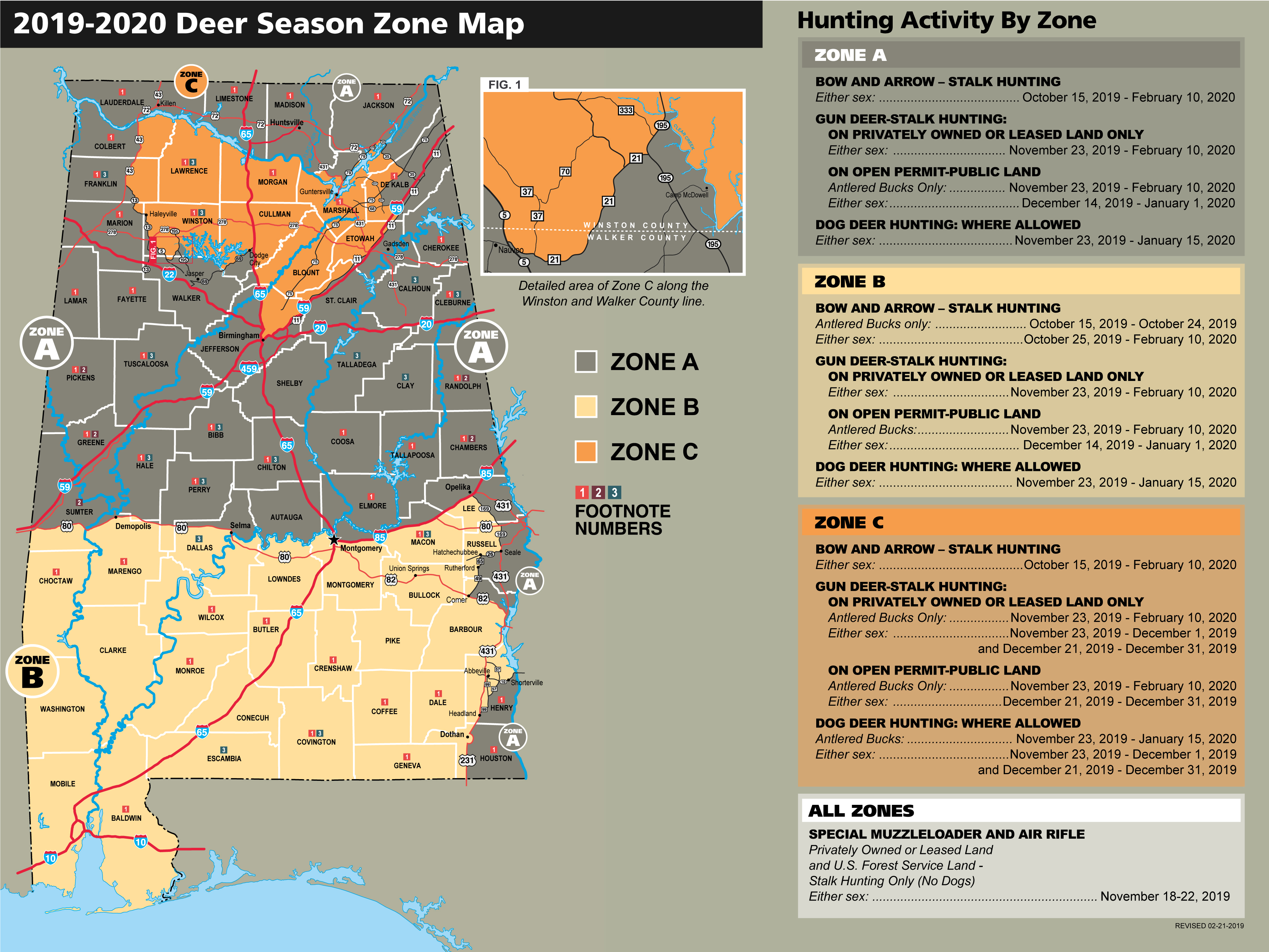
Alabama is divided into hunting zones (e.g., Zone 1 and Zone 2), each with potentially slightly different start and end dates or specific regulations, though often the white-tailed deer season dates are largely unified across the state for consistency. For example, in recent years, the gun and bow season for white-tailed deer has closed around February 10th for most of the state, signaling the comprehensive end to the deer hunting period. This unified end date simplifies planning for tourists, as they can generally assume a statewide closure around this time. Understanding these precise end dates is paramount for planning logistics, booking accommodations, and ensuring compliance with state law. Missing the season’s closing by even a day could result in legal issues, thus vigilance with the official calendar is non-negotiable for any hunting tourist.
Why Season End Dates Matter for Non-Hunting Tourists
While the end of deer season is critical for hunters, it also holds significance for non-hunting tourists engaging in other outdoor pursuits. During peak hunting season, especially the general firearm period, many public lands, including wildlife management areas (WMAs) and certain national forests, see increased hunter presence. Areas like William B. Bankhead National Forest or Cheaha State Park become active hunting grounds. For hikers, birdwatchers, photographers, or campers, awareness of the hunting schedule is essential for safety. While hunters are required to wear hunter orange in many areas, non-hunters should also consider wearing bright colors for visibility, particularly if venturing into less-trafficked wilderness zones. The closure of the season around mid-February typically signals a return to quieter trails and woods, making late winter and early spring ideal for other forms of nature exploration without the added consideration of hunting activity. Moreover, in smaller, rural towns, the end of hunting season can mean a decrease in local traffic and demand for certain services, potentially offering a more serene experience for visitors seeking tranquility outside the peak tourism windows. Conversely, some accommodations and local businesses cater specifically to hunters, and their services might transition or become less active post-season, which can affect the availability of specialized offerings for visitors.
Planning Your Hunting-Focused Tourism Experience in Alabama
For tourists whose primary interest lies in the pursuit of white-tailed deer, Alabama offers a robust and fulfilling experience. The state’s diverse habitats, from the pine forests of the south to the Appalachian foothills in the north, support healthy deer populations, making it a desirable destination for hunters of all skill levels. Crafting a successful hunting trip, however, involves more than just knowing when the season ends; it requires meticulous planning around licenses, professional services, and appropriate accommodations to ensure a seamless and enjoyable visit. Thinking of the trip as a comprehensive tourism package, rather than just a hunt, can significantly enhance the overall experience, integrating local culture and amenities into the adventure.
Essential Licenses and Permits for Out-of-State Hunters
Any non-resident planning to hunt deer in Alabama must obtain the appropriate licenses and permits. This typically includes a non-resident annual hunting license, which is a prerequisite. Additionally, a specific deer harvest record (Game Check validation) is often required, allowing hunters to legally report their harvest. If planning to hunt on Wildlife Management Areas (WMAs), a WMA license is also mandatory. These licenses and permits are readily available for purchase online through the Alabama Department of Conservation and Natural Resources (ADCNR) website, simplifying the process for out-of-state visitors. It is advisable to purchase all necessary documentation well in advance of your trip to avoid any last-minute complications. Furthermore, hunters should familiarize themselves with bag limits – the maximum number of deer that can be harvested per day and per season – which are strictly enforced to maintain herd health and balance. This proactive approach ensures a lawful and stress-free hunting vacation, allowing full focus on the experience itself rather than administrative hurdles.
Guided Hunts and Premier Hunting Destinations
For those unfamiliar with Alabama’s terrain or seeking a more curated experience, booking a guided hunt is an excellent option. The state boasts numerous reputable hunting outfitters and lodges that provide comprehensive packages, often including lodging, meals, expert guides, and access to prime private hunting land. Regions like the Black Belt are particularly renowned for trophy white-tailed deer due to fertile soils and agricultural practices that support large, healthy deer. Areas in Mobile County and across south Alabama also offer significant opportunities, often in expansive timberlands. When selecting an outfitter, it’s wise to research their reputation, read reviews, and confirm what exactly is included in their packages. Some lodges offer all-inclusive experiences, while others provide more basic services, allowing hunters greater flexibility. These operations not only facilitate the hunt but also immerse tourists in the local hunting culture, offering insights into regional practices and traditions that might otherwise be missed. Engaging with seasoned guides can significantly increase the chances of a successful hunt and provide invaluable knowledge about deer behavior and habitat.
Accommodations and Local Amenities for Hunters
Accommodation choices for hunting tourists in Alabama range from rustic cabins and dedicated hunting lodges to conventional hotels in nearby towns. During the peak firearm season, especially around Thanksgiving and into December, bookings can fill up quickly, particularly in areas proximate to popular hunting grounds. Therefore, early reservation is highly recommended. Many lodges specifically cater to hunters, offering amenities like game cleaning stations, walk-in coolers, and early breakfast services. For those preferring more independent arrangements, towns like Selma or Montgomery serve as excellent bases, providing access to public lands or private leases while offering a wider array of dining and entertainment options. Local communities often embrace the hunting season, with sporting goods stores stocking up on gear, and local restaurants offering hearty meals popular with hunters. Beyond the basic needs, hunters might also seek out local taxidermists or meat processors, services that are often readily available in rural Alabama towns and can transform a successful hunt into a lasting memento or a supply of quality venison. Engaging with these local businesses not only fulfills practical needs but also contributes directly to the local economy and provides an authentic glimpse into regional life.
Beyond the Hunt: Experiencing Alabama’s Tourism Offerings
While deer hunting may be the primary draw for some visitors, Alabama offers a rich tapestry of attractions and activities that can complement any hunting trip, or stand alone as a reason to visit. Integrating cultural exploration, culinary adventures, and family-friendly excursions can transform a singular hunting focus into a holistic tourism experience. Understanding the full scope of what Alabama provides ensures that all members of a travel party find enjoyment, regardless of their interest in hunting. The state’s diverse geography, from its northern mountains to its southern Gulf Coast, provides a backdrop for countless adventures.
Complementary Outdoor Activities
For those who wish to extend their outdoor engagement beyond the deer stand, or for family members accompanying a hunter, Alabama presents a wealth of options. The state’s numerous rivers, including the majestic Alabama River and the northern Tennessee River system, offer excellent fishing opportunities for bass, catfish, and other species, especially outside the colder deer hunting months. Kayaking and canoeing are popular activities on these waterways, providing serene perspectives of the state’s natural beauty. Birdwatching is another significant draw, with Alabama being home to diverse migratory and resident bird populations, particularly along its coastal areas and within its many state parks. Hiking trails abound in places like Cheaha State Park, offering routes for all skill levels and stunning views, especially during the vibrant fall foliage or the crisp winter months post-hunting season. These activities allow visitors to further connect with Alabama’s natural environment in a less intensive, yet equally rewarding manner.
Cultural and Culinary Delights
Alabama’s history and culture are as rich and varied as its landscapes. Tourists can delve into the pivotal moments of the Civil Rights Movement by visiting historic sites in Montgomery, Birmingham, and Selma. These cities offer museums, memorials, and walking tours that provide profound educational experiences. Beyond history, Alabama’s culinary scene is a testament to Southern hospitality and flavor. From world-class barbecue joints found throughout the state to fresh seafood restaurants along the Gulf Coast, there’s something to satisfy every palate. Exploring local farmers’ markets and sampling regional specialties can be a delightful way to experience the local culture. Many small towns also host local festivals and events throughout the year, some of which might coincide with the deer hunting season or the period immediately following it, offering unique opportunities to experience Alabama’s community spirit and traditions. These cultural and gastronomic explorations provide a well-rounded travel experience, adding layers of depth to a visit focused primarily on outdoor activities.
Family-Friendly Tourism Options
For families traveling with a hunter, or for those seeking broader entertainment options, Alabama offers a variety of family-friendly attractions. In Huntsville, the U.S. Space & Rocket Center provides an awe-inspiring educational experience for all ages, with interactive exhibits and genuine space artifacts. The Montgomery Zoo offers a chance to see exotic animals from around the world, making for a fun day out. For those preferring coastal activities, the white sand beaches of Gulf Shores and Orange Beach provide opportunities for relaxation, swimming, and various water sports, even during the cooler months. Many state parks and national forests also feature nature centers, interpretive programs, and easy trails suitable for younger children. Planning activities for non-hunting family members ensures that the entire group enjoys their Alabama vacation, making the trip a memorable experience for everyone involved, regardless of their participation in the hunt itself.
Important Regulations and Ethical Considerations for Sustainable Tourism
Responsible tourism, particularly in activities like hunting, is paramount for maintaining Alabama’s natural resources and ensuring the longevity of its outdoor traditions. For both resident and non-resident hunters, adhering strictly to state regulations and embracing ethical practices are not merely legal requirements but essential contributions to conservation and the positive perception of hunting as a tourist activity. These considerations extend beyond the hunt itself, influencing how visitors interact with the environment and local communities, ultimately shaping the sustainability of Alabama’s tourism landscape.
Bag Limits and Reporting Requirements
Alabama enforces specific bag limits for white-tailed deer, typically allowing one antlered buck per day and up to three per season. For unantlered deer (does), the limit is usually one per day in most areas, with some exceptions or special population management zones that may allow additional takes. These limits are crucial for managing the deer population and preventing overharvesting. Furthermore, Alabama mandates a harvest reporting system known as ‘Game Check.’ All harvested deer must be reported online or via a dedicated app within 48 hours of harvest. This data is vital for wildlife biologists at the Alabama Department of Conservation and Natural Resources to monitor deer populations, track harvest trends, and make informed management decisions for future seasons. Tourists must understand and comply with these reporting requirements, as failure to do so can result in fines and the loss of hunting privileges, undermining the integrity of the state’s wildlife management efforts.
Safety Protocols and Best Practices
Safety is a cornerstone of responsible hunting tourism. All hunters, particularly those unfamiliar with Alabama’s specific regulations, must observe fundamental safety protocols. This includes wearing hunter orange, typically a minimum of 144 square inches visible from all directions, when hunting during gun seasons on public lands. This highly visible clothing dramatically reduces the risk of accidents. Firearm safety, including proper handling, storage, and knowing your target and what is beyond it, is non-negotiable. Tree stand safety is also critical, as many hunting accidents involve falls from elevated stands. Using a full-body harness and ensuring stands are properly installed and maintained can prevent serious injury. Beyond personal safety, respecting private property boundaries, identifying clear shooting lanes, and avoiding hunting near residential areas are essential for fostering good relations with local communities and ensuring a harmonious coexistence between hunters and non-hunters. These best practices not only protect the individual hunter but also contribute to a safe and enjoyable environment for all outdoor enthusiasts in Alabama.
Conservation and Environmental Stewardship
Hunting, when conducted ethically and within regulatory frameworks, plays a vital role in wildlife conservation and environmental stewardship. Hunters contribute significant funding to conservation through license fees and excise taxes on hunting equipment, which directly support habitat restoration, wildlife research, and land acquisition programs in Alabama. By participating in regulated hunting, tourists become active partners in managing deer populations, preventing overpopulation that can lead to habitat degradation and widespread disease. Responsible hunters minimize their environmental impact by packing out all trash, avoiding damage to natural habitats, and respecting the land. They also understand the importance of fair chase, ensuring that animals are harvested humanely and respectfully. Embracing these principles of conservation and environmental stewardship not only enhances the personal hunting experience but also leaves a positive legacy, ensuring that Alabama’s natural beauty and abundant wildlife resources remain vibrant for future generations of tourists and residents alike.
LifeOutOfTheBox is a participant in the Amazon Services LLC Associates Program, an affiliate advertising program designed to provide a means for sites to earn advertising fees by advertising and linking to Amazon.com. Amazon, the Amazon logo, AmazonSupply, and the AmazonSupply logo are trademarks of Amazon.com, Inc. or its affiliates. As an Amazon Associate we earn affiliate commissions from qualifying purchases.