
For the dedicated outdoorsman, Louisiana represents a unique landscape where the rhythms of the land dictate the flow of the year. Beyond the swamp tours and the vibrant jazz streets of New Orleans, the state offers a rugged, deep-rooted tradition of hunting that draws thousands of enthusiasts to the woods each winter. Understanding when deer season ends is not merely about checking a calendar; it is about grasping the nuanced wildlife management strategies employed across the state’s distinct topographic zones.
Navigating the Wildlife Management Areas and Zones
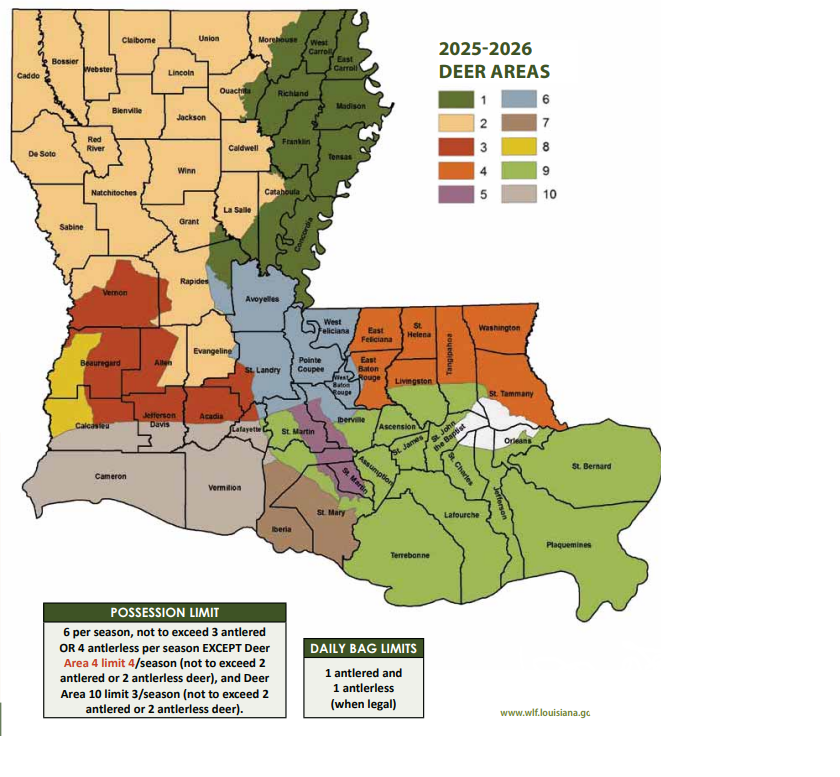
The Louisiana Department of Wildlife and Fisheries (LDWF) manages the state through a series of designated zones, each with specific biological triggers and harvesting limits. Because the climate in North Louisiana differs significantly from the coastal marshes of South Louisiana, the end dates for deer season are staggered to ensure population stability.
The Regional Zoning System
Louisiana is divided into several areas, often categorized by Area 1 through Area 10. These boundaries are meticulously drawn to account for varying rutting periods and habitat density. For hunters planning their final trips, the closing dates typically fall between mid-January and the end of January. While archers enjoy a longer window that often extends through early February, those using primitive firearms or modern rifles face stricter cut-offs.
The Role of Topography and Climate
In the bottomland hardwood forests of the Atchafalaya Basin, the hunting season is often influenced by seasonal flooding. When the waters rise, deer are forced to higher ground, making them more vulnerable. To combat over-harvesting, the LDWF may adjust the end dates of the season in these localized areas. It is imperative that hunters consult the most recent regulations published by the state, as these management adjustments are made annually to reflect current environmental conditions.
Seasonal Windows and Method Regulations
One of the most common points of confusion for those visiting from out of state is the variation in hunting methods. The “end” of the season is not a singular date for every hunter. Instead, it is a tiered process that rewards patience and specialized skill sets.
Archery and Primitive Firearm Extensions
Archery season in Louisiana traditionally opens earlier than gun season and, in many areas, is granted a late-season extension. This period allows hunters to remain in the field during the post-rut, when buck movement patterns change. Similarly, primitive firearms—including muzzleloaders—often have a dedicated window that bridges the gap between the end of modern firearm season and the absolute closure of the year’s harvest.
Modern Firearm Closures
For the majority of hunters, the final weekend of modern firearm season is the climax of the year. This usually occurs in late January. As the season nears its end, the behavior of the deer shifts significantly. Having endured weeks of hunting pressure, the white-tailed deer in areas like the Kisatchie National Forest become increasingly nocturnal. Successful harvest during these closing weeks requires a mastery of stealth and a deep understanding of local food sources, such as late-season mast or winter wheat plots.

Conservation Ethics and Sustainable Tourism
Hunting in Louisiana is more than just a sport; it is a vital pillar of the state’s tourism and conservation efforts. The funds generated through license fees and excise taxes on equipment are directly funneled back into the maintenance of wildlife refuges and the restoration of natural habitats.
The Impact on Local Economies
Small towns surrounding the major hunting tracts, such as Natchitoches or St. Francisville, rely heavily on the influx of hunters during the fall and winter months. These visitors stay in local lodges, dine at regional eateries, and support businesses that might otherwise see a lull during the post-holiday season. By adhering to the legal end dates of the season, hunters act as stewards of the land, ensuring that these local economies can thrive for generations to come.
Ethical Harvesting Practices
Beyond the legal requirements, there is a strong culture of ethical hunting within the state. This includes the responsible management of deer populations to prevent disease and habitat degradation. When the season ends, the focus of the community shifts toward land management—planting food plots, maintaining access roads, and scouting locations for the following year. Engaging with local hunting clubs or conservation groups provides visitors with a richer, more educational experience than merely wandering the woods alone.
Planning Your Final Hunt of the Season
If you are aiming to make the most of the final weeks of the Louisiana deer season, preparation is your greatest asset. Whether you are exploring the public lands managed by the state or booking a private guided hunt, the end-of-season period requires a specific strategy.
Scouting for the Late Season
As the season wanes, you are essentially hunting “survivors.” Deer that have made it to January have survived the peak of the rut and the height of hunting pressure. Scouting the fringes of high-density cover or looking for thermal cover in the piney woods of Vernon Parish can be the difference between a successful hunt and a long, cold walk. Pay attention to the weather; a sudden cold snap in late January can push deer to feed during daylight hours, providing a window of opportunity for those willing to brave the elements.
Essential Gear and Logistics
The weather in Louisiana during late January is notoriously unpredictable. One day can be mild and humid, while the next brings biting dampness from the north. Investing in high-quality, moisture-wicking layers is essential. Furthermore, ensure your gear is ready for the conditions of the Bayou country. If you are hunting in low-lying areas, waterproof boots are non-negotiable.
Regulatory Compliance
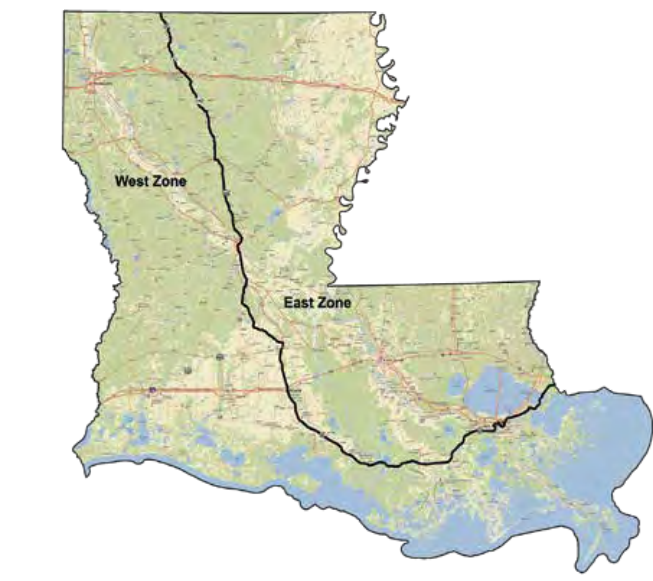
Always verify your specific zone’s dates on the official LDWF portal before heading out. Ignorance of zone boundaries is never a valid excuse in the eyes of game wardens. Additionally, ensure all tagging and reporting requirements are met. The reporting of every deer harvested is a critical component of the state’s data collection, which ultimately informs when the season will be set for the following year. By participating in this process, you are actively contributing to the science of wildlife management in the state.
As the season closes, reflect on the heritage of the sport. Whether you are hunting the hardwood bottoms of the Mississippi River delta or the rolling hills of the north, the experience of being in the Louisiana woods is a timeless pursuit. Respecting the end of the season ensures that the cycle of growth and harvest remains balanced, allowing the natural beauty of the state to flourish until the first signs of spring emerge, signaling the start of the next chapter in the wild.
LifeOutOfTheBox is a participant in the Amazon Services LLC Associates Program, an affiliate advertising program designed to provide a means for sites to earn advertising fees by advertising and linking to Amazon.com. Amazon, the Amazon logo, AmazonSupply, and the AmazonSupply logo are trademarks of Amazon.com, Inc. or its affiliates. As an Amazon Associate we earn affiliate commissions from qualifying purchases.